By Mohammed Ajrinija and Kaitlyn Waring | Program Managers
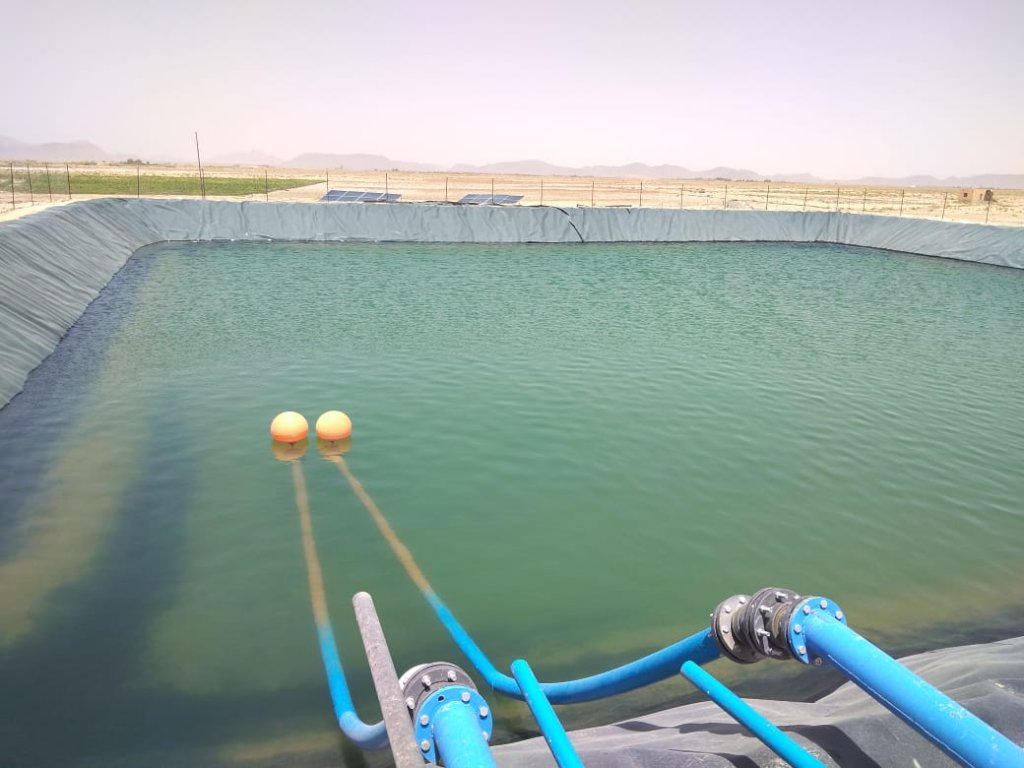
The earthquake caused significant damage to critical water infrastructure, deteriorating the availability and quality of water for irrigation, drinking, hygiene, and sanitation. Without water for irrigation, agricultural production decreases significantly or totally, contributing to food insecurity, rural poverty, and urban migration, within these farming villages.
Without clean water the risk of waterborne illnesses, and poor hygiene and sanitation outcomes increase. Rehabilitating damaged infrastructure to support individual health and well-being, became essential to the short and long-term recovery of affected communities.
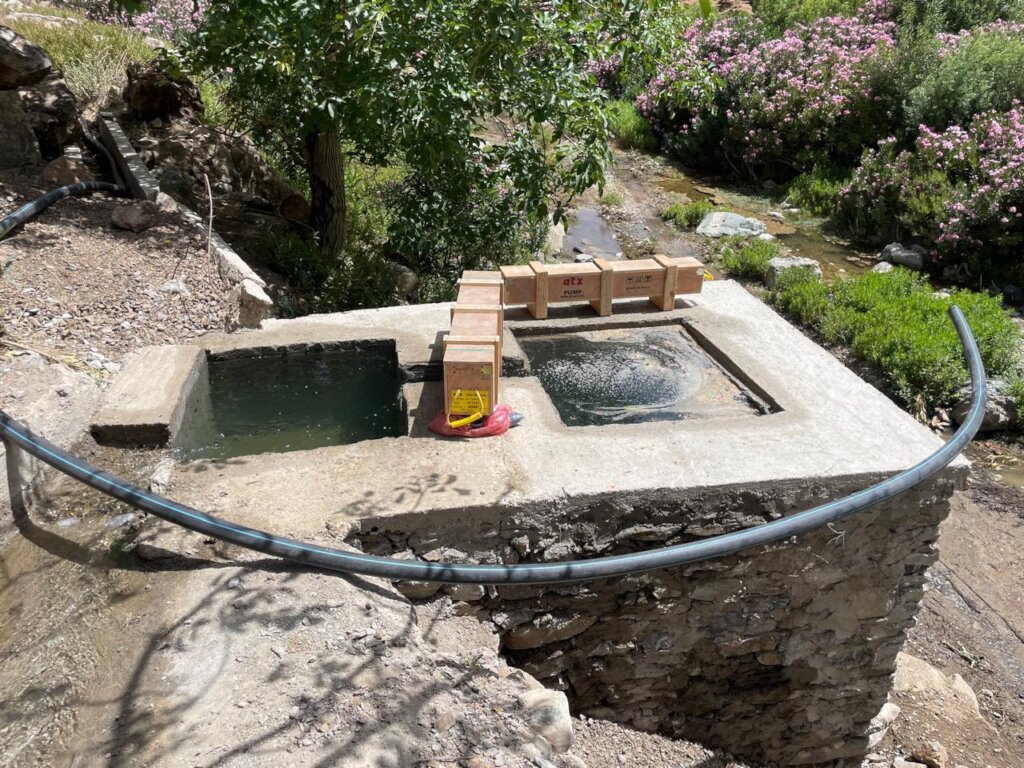
HAF's water infrastructure activities include:
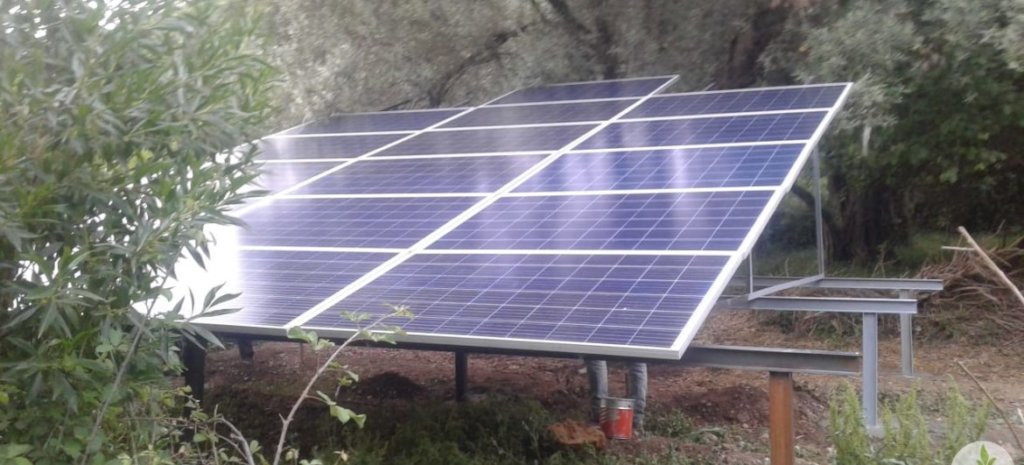
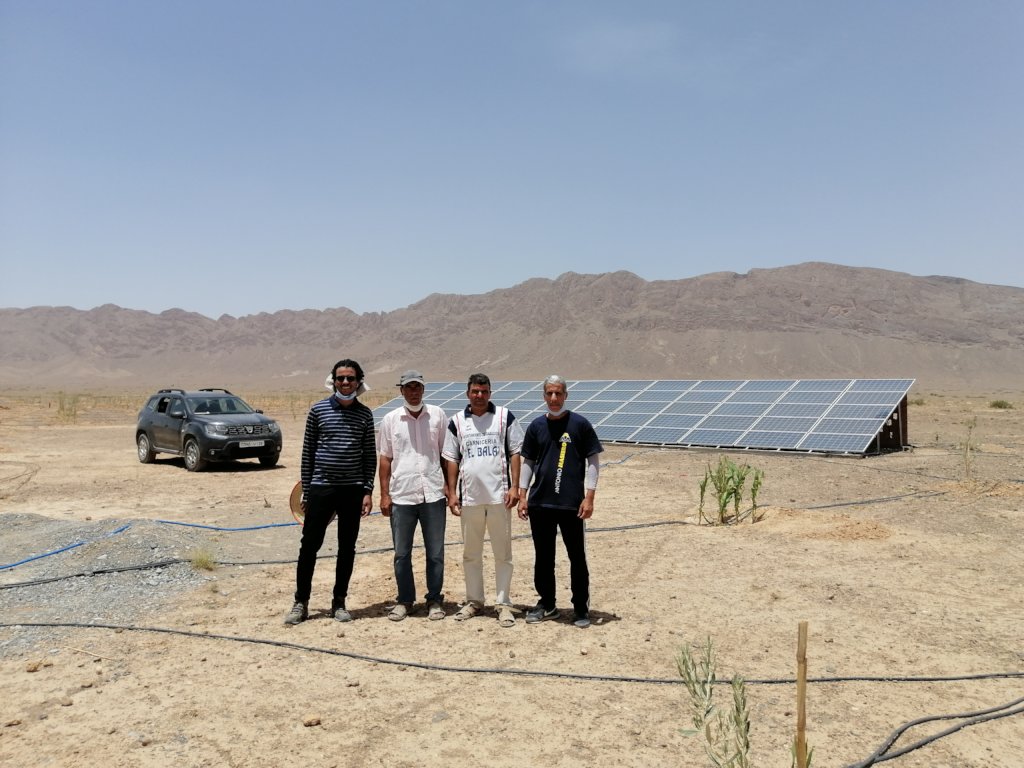
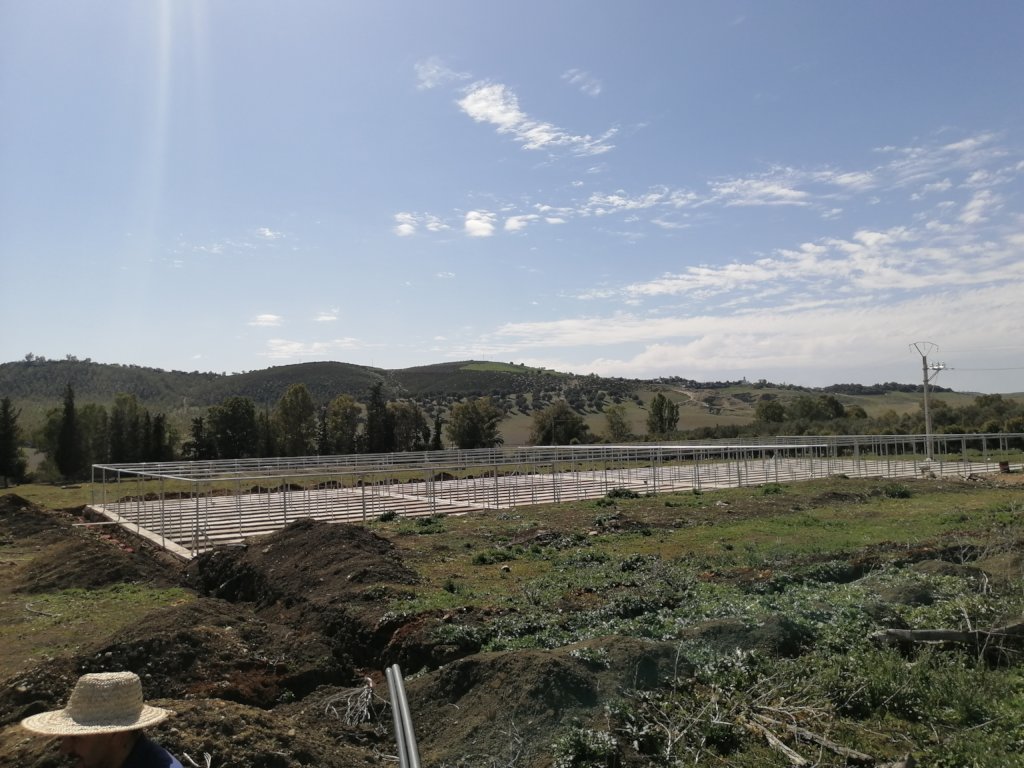
Integrating solar-powered pumps and localized renewable energy solutions ensures that water access for irrigation and daily use is reliable, even in remote farming villages.
By harnessing renewable energy, farmers can reduce dependence on costly and polluting alternatives, making agricultural production more sustainable and resilient.
Localized renewable energy also empowers communities to manage their own water resources efficiently, supporting both food security and long-term rural development. Integration of renewable energies, especially solar, has been a crucial step of HAF's post-earthquake activities.
Project reports on GlobalGiving are posted directly to globalgiving.org by Project Leaders as they are completed, generally every 3-4 months. To protect the integrity of these documents, GlobalGiving does not alter them; therefore you may find some language or formatting issues.
If you donate to this project or have donated to this project, you can receive an email when this project posts a report. You can also subscribe for reports without donating.



Support this important cause by creating a personalized fundraising page.
Start a Fundraiser