By Bernard Ibelih | FROM WASTE TO WASTE BIN
FROM WASTE to WASTE BINS
Across the world, due to massive urbanization and increase in population, inappropriate waste disposals in our cities and communities contributes massively to the growth of dunghills. On a daily basis, this keeps increasing in a manner that endangers the livelihood of Citizens. Unfortunately, the challenges of inappropriate waste disposal follow a similar pattern across the world. However, the degree of similarity differs from country-to-country based on the level of social infrastructural development.
Nigeria, with a population exceeding 170 million is ranked one of the largest producers of waste in Africa1. Nigeria generates more than 32 million tons of waste annually, out of which only 20-30% is collected. According to the World Bank Urban Development Brief on Solid Waste Management 2, annual waste generation is expected to increase by 70% from 2016 levels to 3.40 billion tons in 2050.
Adequate waste management is a prerequisite for decent living and sustainable communities. However, this remains a mirage for many communities in Nigeria. Down in Surulere; a local community in Lagos, Nigeria, known for a relatively dense population with social activities at its peak, thousands of wastes are disposed daily and most of which are disposed indiscriminately; exposing its inhabitants to a high risk of health-related issues due to climate pollution, unavailability of decent water to drink and especially young boys and girls of school age. The extent of dirt in the community remains a repulsive site that unfortunately has not grown enough to attract the attention of the authorities.
The impact of improper solid waste disposal affects both the old and the young in the community and naturally cheats the people of Surulere the chance to live a decent life. In a way to reduce the already heaped waste, students in secondary schools are mostly at the receiving end as they are forced to handpick some of these waste (without any form of protection against germs) as punitive measures for lateness to school. This act is offensive against the law of humanity and global health best practices. It does not only expose students to germs but the fact that some of them fall sick from preventable diseases is a colossal embarrassment to the leadership of the community.
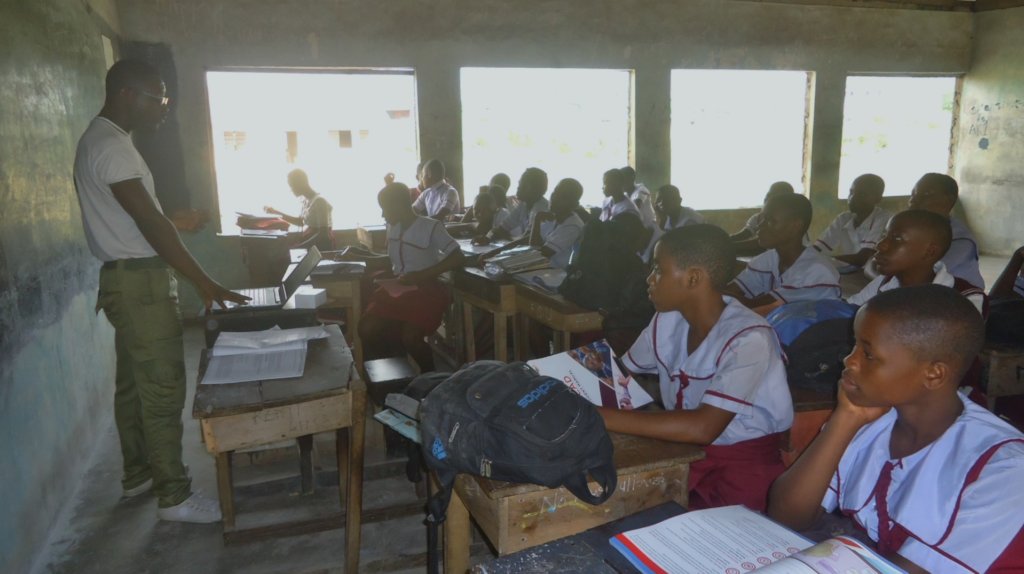
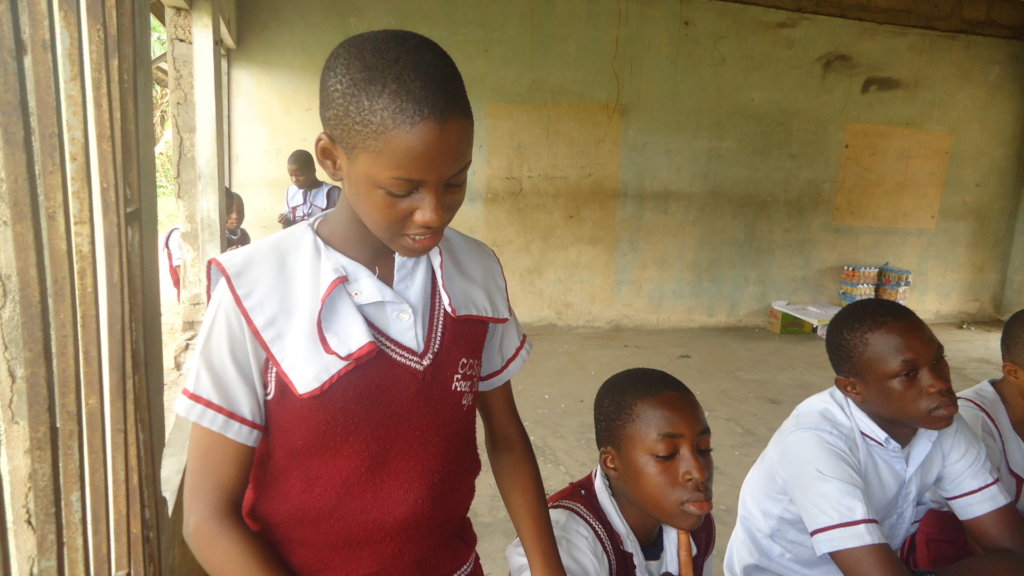
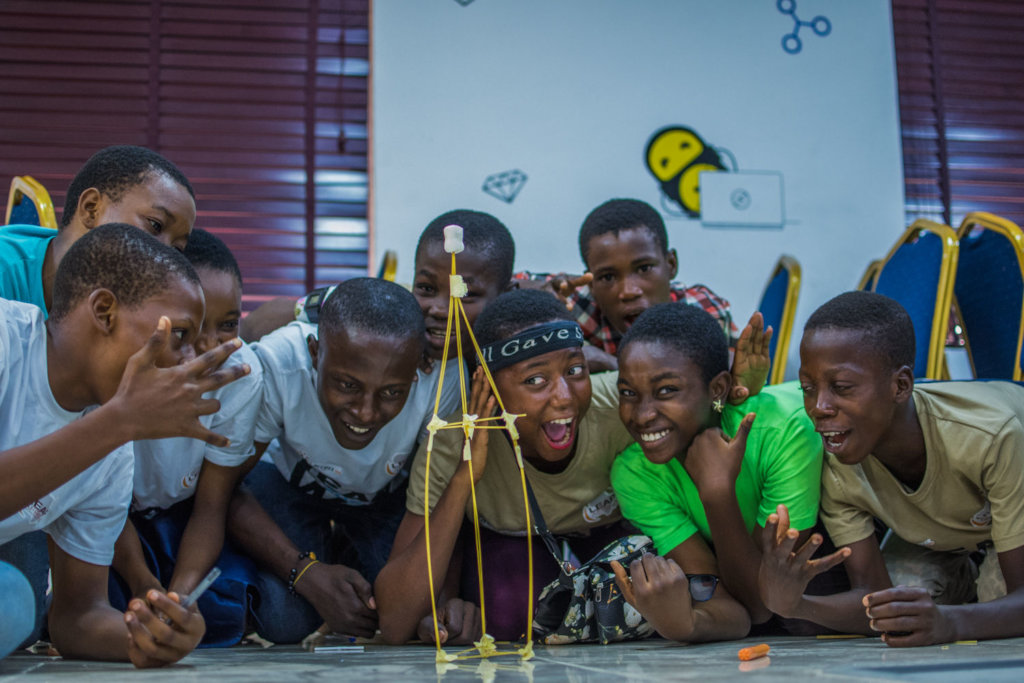
Not satisfied with the state of decadence in leadership, students of Gbaja Boys Senior High School, Surulere, Lagos, (who are part of the selected few currently benefitting from LEAP Africa’s leadership and life skills training programme called iLEAD) set out to fill the leadership gap in their community. As part of activities of the iLEAD programme, students are taught to always demonstrate self and community leadership at any given time. For them, reducing the level of solid waste disposed indiscriminately within their school environment was a responsibility they have charged themselves to undertake to demonstrate their leadership capacity.
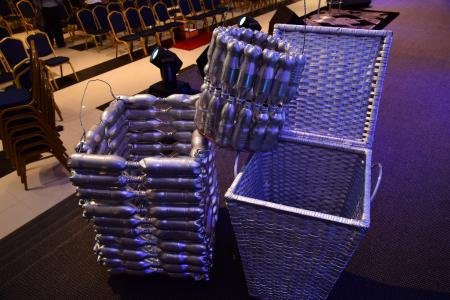
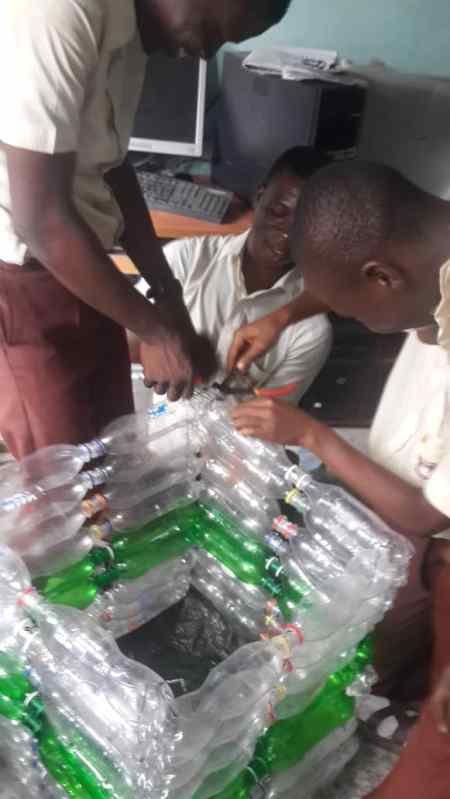
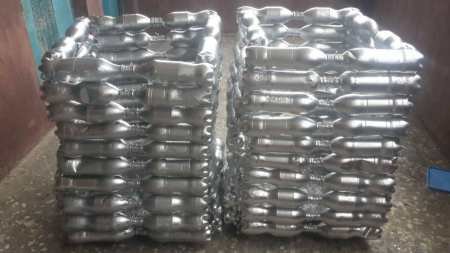
Using already existing resources, students of Gbaja Boys Senior High School identified a rather innovative way to recycle the solid waste in their school environment. They broke themselves into groups and each group went to different angles to collected pet bottles found littering the school environment. Having gathered over 500 pet bottles, they assembled them so that they expertly created trash bins out of them. With a seed fund of N50,000 (approx. $150) provided by LEAP Africa, students were able to complete six (6) waste bins made from solid waste which hitherto were causing damage to the health and well being of the people of Surulere.
Project reports on GlobalGiving are posted directly to globalgiving.org by Project Leaders as they are completed, generally every 3-4 months. To protect the integrity of these documents, GlobalGiving does not alter them; therefore you may find some language or formatting issues.
If you donate to this project or have donated to this project, you can receive an email when this project posts a report. You can also subscribe for reports without donating.



Support this important cause by creating a personalized fundraising page.
Start a Fundraiser