By Amanda Freeman | PhD at Emory University
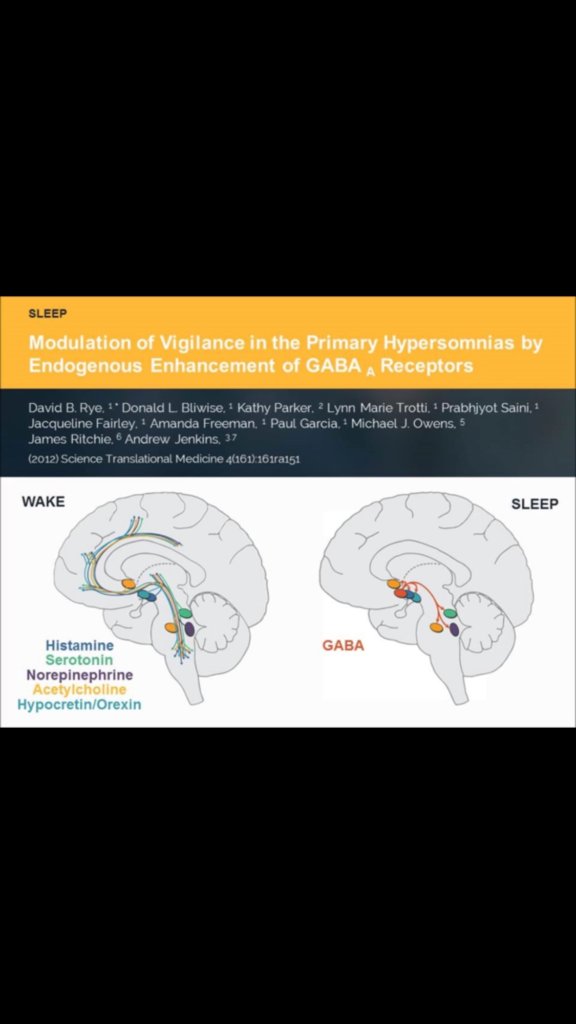
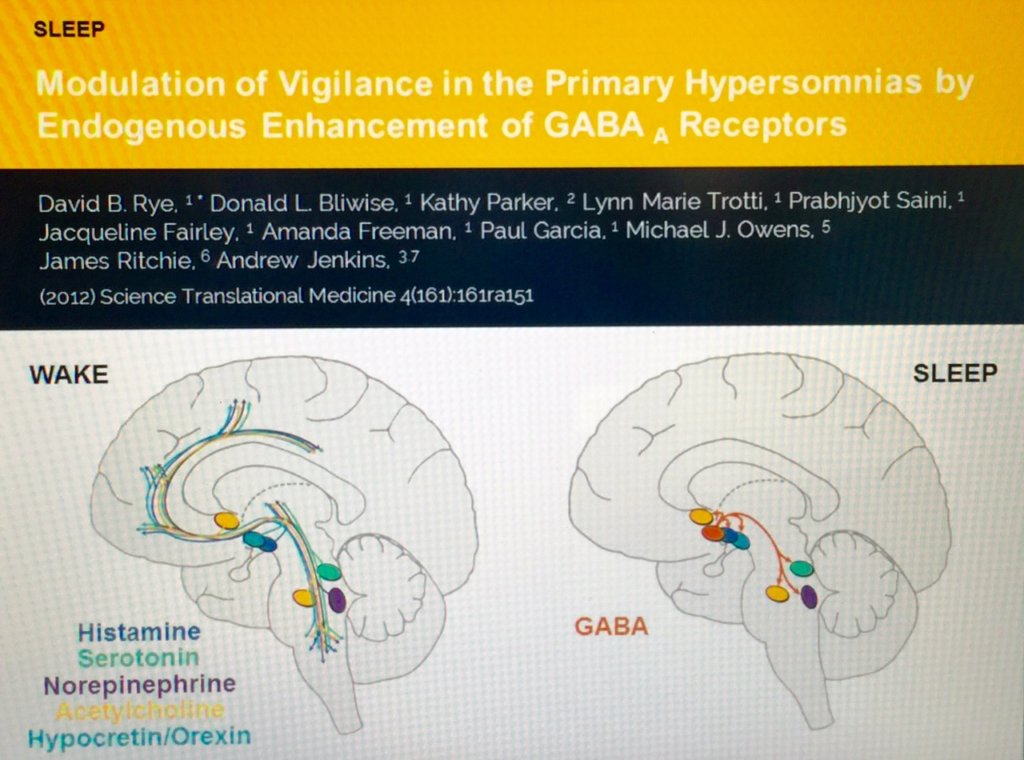
Primary hypersomnia is considered a rare disorder whose exact prevalence is unknown due to the lack of a sensitive and specific diagnostic test or biomarker. It is often considered a diagnosis of exclusion because hypersomnia has been conventionally taught to be secondary to other underlying disease processes. There are no FDA approved medications for hypersomnia whether primary or secondary. Thus, there has been little attention or resources committed by the pharmaceutical industry or funding agencies to its study. The recent identification that hypersomnia may be caused in many cases by an endogenous peptide that accumulates in the brain and mimics the actions of sedatives and anesthetics, has attracted considerable attention since its discovery in 2012. Treatments directed at mollifying an increased drive to sleep as opposed to traditional approaches focused up promoting the brain’s wake circuits show great promise in many patients.
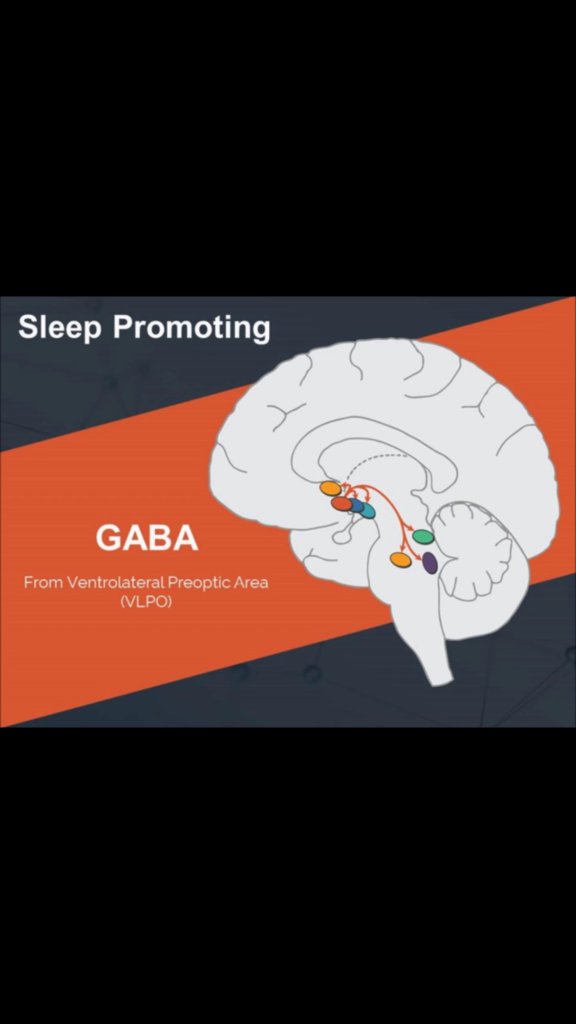
They Hypersomnia Foundation is working with Amanda Freeman, PhD at Emory University to create the second part of a 2 part series - Understanding GABA as it relates to primary hypersomnia. Upon completion Parts I and II will be content added and available to the public through the Hypesomnia Foundation's website.
By Amanda Freeman, Ph.D. | The mechanism underlying GABA and hypersomnia
Project reports on GlobalGiving are posted directly to globalgiving.org by Project Leaders as they are completed, generally every 3-4 months. To protect the integrity of these documents, GlobalGiving does not alter them; therefore you may find some language or formatting issues.
If you donate to this project or have donated to this project, you can receive an email when this project posts a report. You can also subscribe for reports without donating.



Support this important cause by creating a personalized fundraising page.
Start a Fundraiser