By Yaqoob Sadiq | Project Leader
1. Introduction
Access to safe water, sanitation and hygiene facilities is essential for the health, education, dignity and protection of girls.
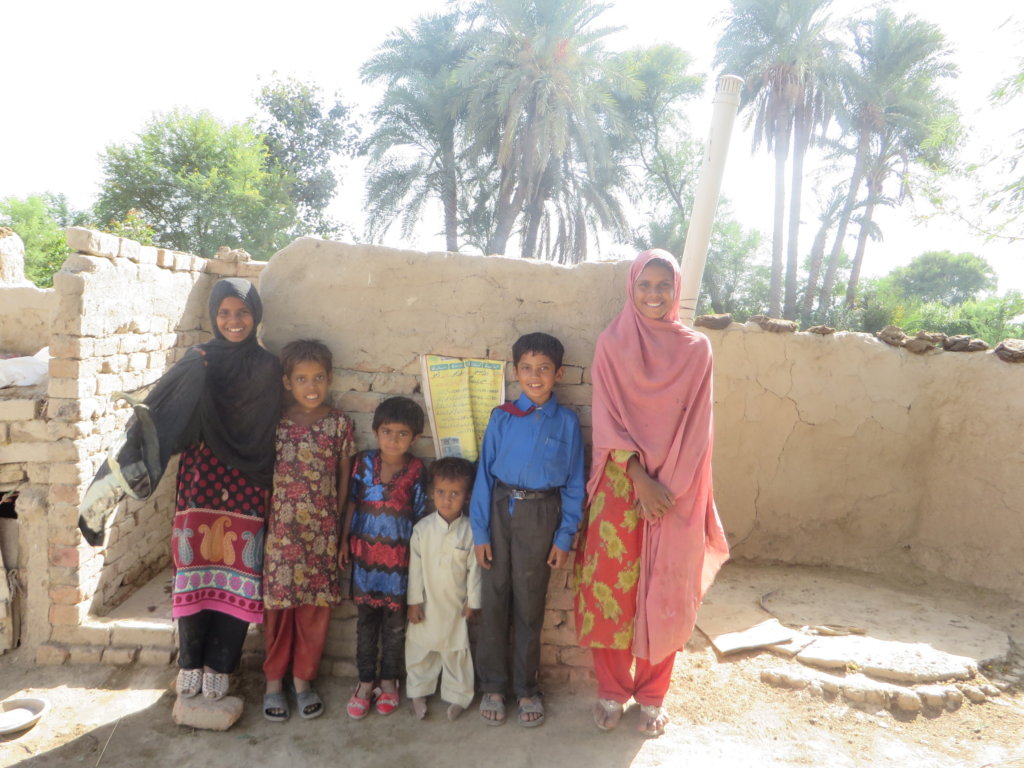
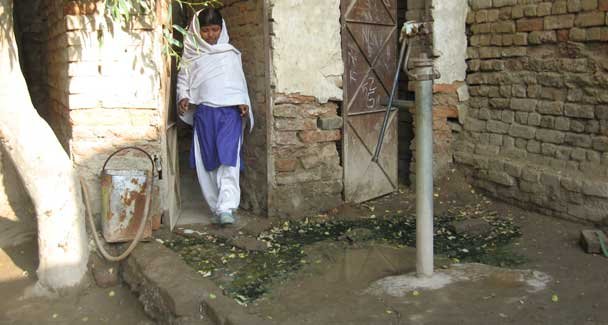
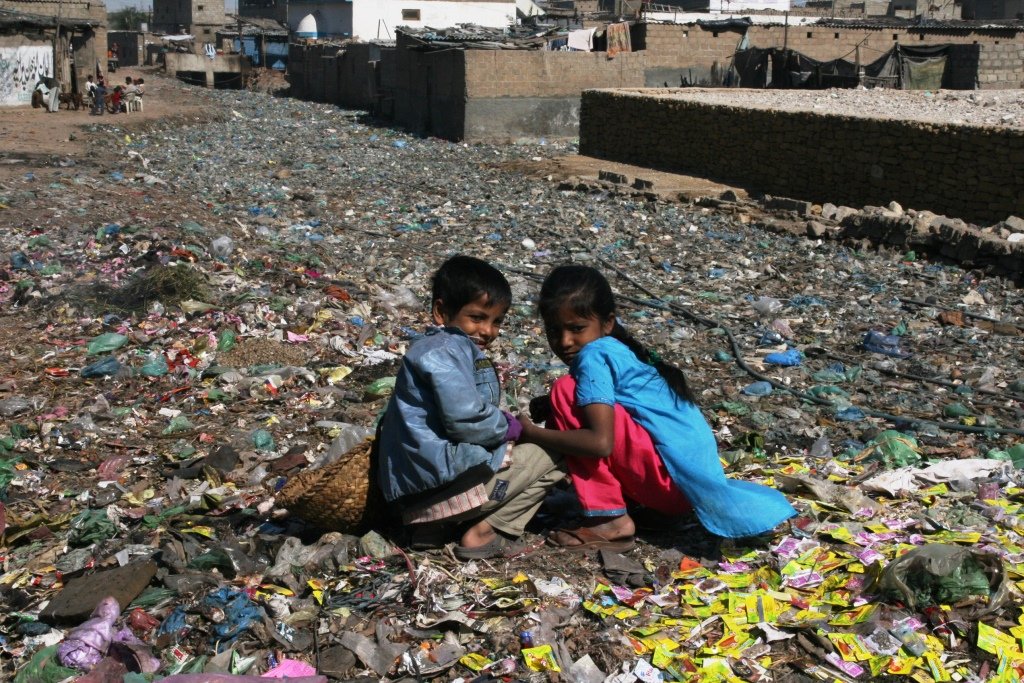
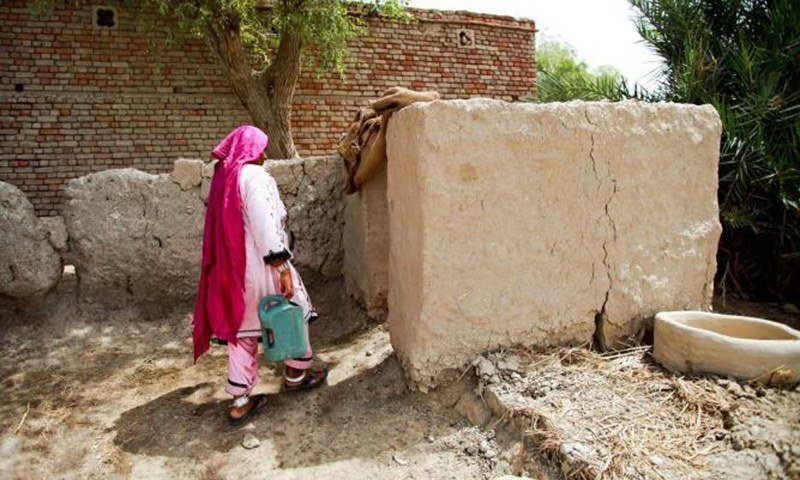
In many poor and rural communities in Pakistan, girls face difficulties because of inadequate toilets, lack of privacy, insufficient water, poor sanitation and limited access to hygiene materials. These problems become particularly serious for adolescent girls during menstruation.
A lack of safe and private toilets can make girls feel unsafe, uncomfortable and embarrassed. It may also discourage them from attending school or participating fully in community activities.
Joy Foundation Pakistan proposes the Hygiene Kits & Construction of Toilets for Girls initiative to improve sanitation, menstrual hygiene and personal hygiene among vulnerable girls and their families.
The project will combine practical hygiene support, hygiene education and the construction or rehabilitation of safe, private and girl-friendly toilets.
2. Background
Water, sanitation and hygiene are important components of public health and human dignity.
The Sustainable Development Goals recognize universal access to safe water, sanitation and hygiene as an essential development objective. SDG 6 specifically calls for access to adequate and equitable sanitation and hygiene for all, paying particular attention to the needs of women and girls.
Girls have specific sanitation and privacy needs, particularly during menstruation. A toilet that is technically functional may still be unsuitable for girls if it lacks privacy, water, lighting, safe access or appropriate disposal arrangements.
Joy Foundation therefore believes that WASH interventions should consider the specific needs of girls and adolescent women.
3. Problem Statement
Girls in vulnerable communities may experience several hygiene and sanitation challenges, including:
These challenges can affect girls' health, dignity, confidence, education and participation in community life.
4. Program Goal
To improve the health, dignity, safety and educational participation of vulnerable girls by providing hygiene kits, sanitation facilities and menstrual hygiene support.
5. Specific Objectives
The project aims to:
6. Target Beneficiaries
The project will prioritize girls from vulnerable and low-income families.
Proposed direct beneficiaries:
500 girls in 10 villages
Priority will be given to:
Indirect beneficiaries will include family members, teachers, community members and other residents who benefit from improved sanitation and hygiene practices.
7. Component One: Hygiene Kits
Joy Foundation will provide hygiene kits to vulnerable girls.
A typical kit may include:
The exact contents will be adjusted according to the needs of the girls and available resources.
The purpose is not simply to distribute materials but also to ensure that girls understand how to use and safely dispose of hygiene products.
8. Component Two: Menstrual Hygiene Support
Menstrual hygiene will be an important part of the project.
Girls will receive age-appropriate information about:
Girls will be encouraged to ask questions in a safe and respectful environment.
The project will work to reduce embarrassment and misinformation surrounding menstruation.
9. Component Three: Construction of Girls' Toilets
Joy Foundation proposes to construct new toilets or rehabilitate existing facilities in selected schools and community locations where there is a demonstrated need.
The toilets will be designed with girls' safety, privacy and dignity in mind.
Where feasible, facilities will include:
The exact design will depend on the location, available land, existing infrastructure, local construction standards and project budget.
10. Girl-Friendly Toilet Design
The project will promote girl-friendly sanitation facilities rather than simply constructing basic toilets.
Important design considerations will include:
Privacy
Girls should be able to use the toilet without being exposed to other people.
Safety
Facilities should be located in safe and accessible areas.
Water
Water should be available for handwashing and personal hygiene.
Menstrual Hygiene
Girls should have a private place to manage menstruation and appropriate arrangements for disposal.
Lighting
Where feasible, adequate lighting should be provided, especially around entrances and access routes.
Accessibility
Where possible, facilities should consider the needs of girls with disabilities.
11. Handwashing Facilities
Each toilet facility should ideally be accompanied by an appropriate handwashing point.
The project will promote:
“Use the toilet – Wash your hands – Stay healthy.”
Girls will be taught to wash their hands at key times, particularly:
Soap and water availability will be promoted as essential components of hygiene.
12. Hygiene Education Sessions
Joy Foundation will organize hygiene education sessions for girls and communities.
Topics may include:
Personal Hygiene
Sanitation
Menstrual Hygiene
Environmental Hygiene
13. Parent and Community Awareness
Sustainable sanitation requires community involvement.
Joy Foundation will conduct awareness meetings with parents and community members about:
Parents will be encouraged to support girls in maintaining good hygiene practices and using safe sanitation facilities.
14. School-Based Activities
Where project activities are implemented in schools or community education centers, Joy Foundation will work with teachers to promote a clean and supportive learning environment.
Activities may include:
Teachers will be encouraged to provide respectful and confidential support to girls who experience menstrual or hygiene-related difficulties.
15. Construction Process
Joy Foundation will follow a transparent process for construction and rehabilitation activities.
Step 1 – Community Assessment
The Foundation will assess:
Step 2 – Site Selection
Potential sites will be assessed for:
Step 3 – Design and Costing
A suitable design and budget will be developed according to local conditions and project requirements.
Step 4 – Construction/Rehabilitation
Construction will be carried out using appropriate materials and qualified local workers.
Step 5 – Quality Inspection
Joy Foundation will inspect the facility before handover.
Step 6 – Community Handover
The responsible school or community group will receive responsibility for regular cleaning and maintenance.
16. Community Ownership and Maintenance
Construction alone does not guarantee sustainable sanitation.
Joy Foundation will encourage communities to establish clear responsibilities for:
Where appropriate, a small sanitation committee or designated responsible persons may be identified.
17. Safeguarding and Protection
Because the project involves girls and potentially children, safeguarding will be integrated into all activities.
Joy Foundation will:
Girls will not be required to publicly disclose personal health or menstrual information.
18. Inclusion of Girls with Disabilities
Where feasible, toilet facilities will consider the needs of girls with disabilities.
Depending on the location and budget, accessibility measures may include:
The specific design will be based on the needs of the users and the physical characteristics of each site.
Project reports on GlobalGiving are posted directly to globalgiving.org by Project Leaders as they are completed, generally every 3-4 months. To protect the integrity of these documents, GlobalGiving does not alter them; therefore you may find some language or formatting issues.
If you donate to this project or have donated to this project, you can receive an email when this project posts a report. You can also subscribe for reports without donating.



Support this important cause by creating a personalized fundraising page.
Start a Fundraiser