By Yaqoob Sadiq | Project leader
1. Executive Summary
Joy Foundation, based in Toba Tek Singh, Pakistan, successfully implemented a hygiene and sanitation project aimed at supporting adolescent girls in underserved communities. This project included the distribution of hygiene kits and the construction of gender-sensitive toilet facilities in selected schools. The initiative addresses critical issues around menstrual hygiene, sanitation infrastructure, and girls’ access to education. This report outlines the activities conducted, outcomes achieved, challenges faced, and recommendations for future improvement.
2. Background and Rationale
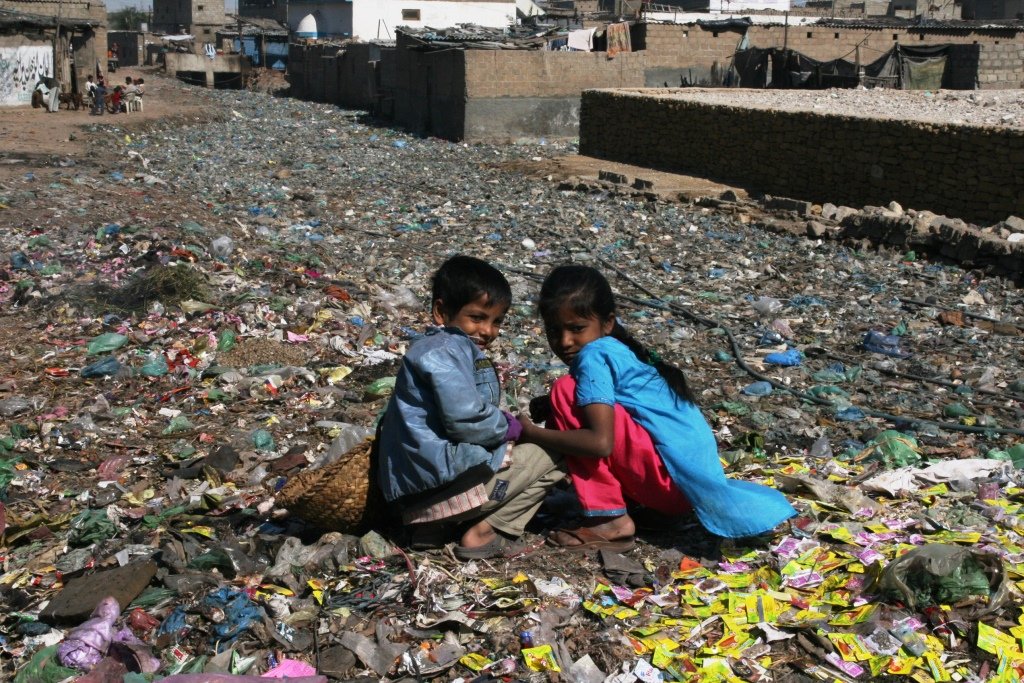
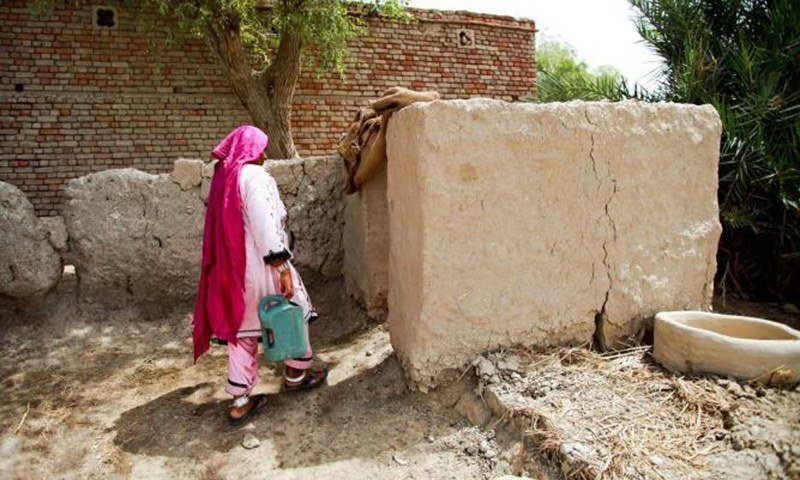
In Pakistan, many girls face significant challenges during menstruation due to lack of access to hygiene products, clean sanitation facilities, and awareness. These barriers often result in school absenteeism, low self-esteem, and in some cases, permanent dropout. In rural areas like Toba Tek Singh, the issue is further compounded by poverty, social stigma, and poor infrastructure.
Joy Foundation recognized this urgent need and launched a targeted intervention to:
Promote menstrual hygiene and awareness
Equip girls with essential hygiene products
Provide safe, private, and girl-friendly sanitation infrastructure
Encourage continued education and improved health outcomes
3. Objectives
4. Project Activities
4.1 Distribution of Hygiene Kits
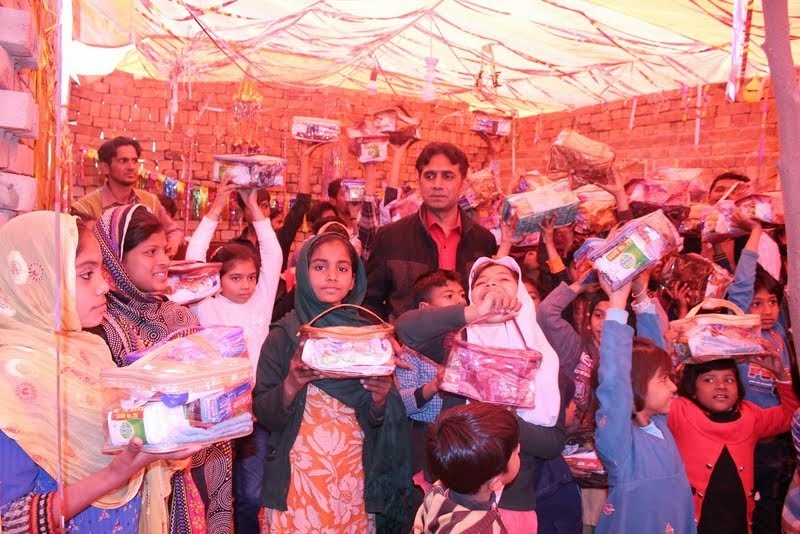
Joy Foundation distributed hygiene kits to over 500 adolescent girls across 6 public schools and community centers. Each kit contained:
Sanitary pads (reusable or disposable based on preference)
Antibacterial soap
Hand sanitizer
Undergarments
Menstrual health education pamphlet in Urdu
Interactive awareness sessions were conducted alongside distribution, covering topics such as menstrual hygiene, bodily changes during puberty, and dispelling common myths and stigmas.
4.2 Construction of Toilets for Girls
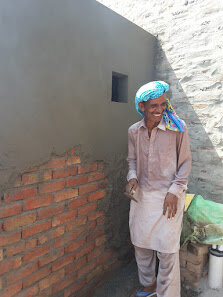
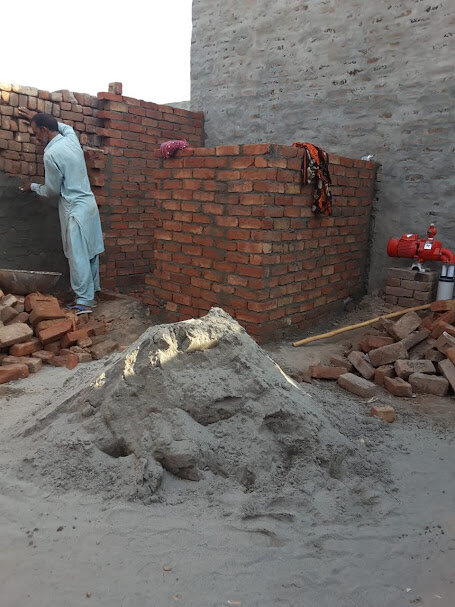
To support the hygiene needs of girls in schools, Joy Foundation constructed 4 fully equipped toilet blocks in the following government schools:
Govt. Girls Elementary School – Chak 285 GB
Govt. Girls High School – Pir Mahal
Govt. Girls Primary School – Rajana
Govt. Girls High School – Kamalia
Each toilet unit included:
Clean, private cubicles with lockable doors
Handwashing stations with running water
Sanitary pad disposal bins
Adequate lighting and ventilation
Accessibility features for girls with disabilities (where feasible)
School management committees were involved in planning and trained on maintenance.
5. Impact and Achievements
Impact Area
Description
Girls Reached
500+ girls benefited from hygiene kits and education
Infrastructure Built
4 girl-friendly toilet blocks constructed
Increased Attendance
Schools reported a 35–40% drop in menstruation-related absenteeism
Community Engagement
6 awareness sessions held with parents, teachers, and students
Improved Awareness
Post-program surveys showed a 70% increase in menstrual health knowledge among participants
6. Challenges
Cultural Barriers: Menstrual taboos initially created reluctance in both girls and parents.
Logistical Delays: Procurement and construction activities were delayed due to weather and transportation issues.
Sustainability: Continuous maintenance of the toilets remains a challenge due to limited school resources.
7. Recommendations
Expand Coverage: Extend the program to more schools in rural Toba Tek Singh.
Government Partnerships: Collaborate with the education and health departments for broader impact and sustainability.
Training for Boys: Include boys in awareness programs to normalize conversations around menstruation and foster empathy.
Monitoring & Evaluation: Implement a structured follow-up mechanism to monitor hygiene practices and infrastructure use.
School-Based Health Clubs: Establish student-led health and hygiene clubs to continue peer education efforts.
8. Conclusion
Joy Foundation’s initiative has proven to be a transformative step in improving the hygiene, dignity, and educational opportunities for girls in Toba Tek Singh. By addressing menstrual health and sanitation together, the program has not only empowered individual girls but also contributed to broader community awareness and behavioral change. Continued support and scaling of this program will ensure that no girl is left behind due to lack of basic hygiene resources and infrastructure.
Project reports on GlobalGiving are posted directly to globalgiving.org by Project Leaders as they are completed, generally every 3-4 months. To protect the integrity of these documents, GlobalGiving does not alter them; therefore you may find some language or formatting issues.
If you donate to this project or have donated to this project, you can receive an email when this project posts a report. You can also subscribe for reports without donating.



Support this important cause by creating a personalized fundraising page.
Start a Fundraiser