By Kristina Walter | Volunteer with Friends of the World Food Program
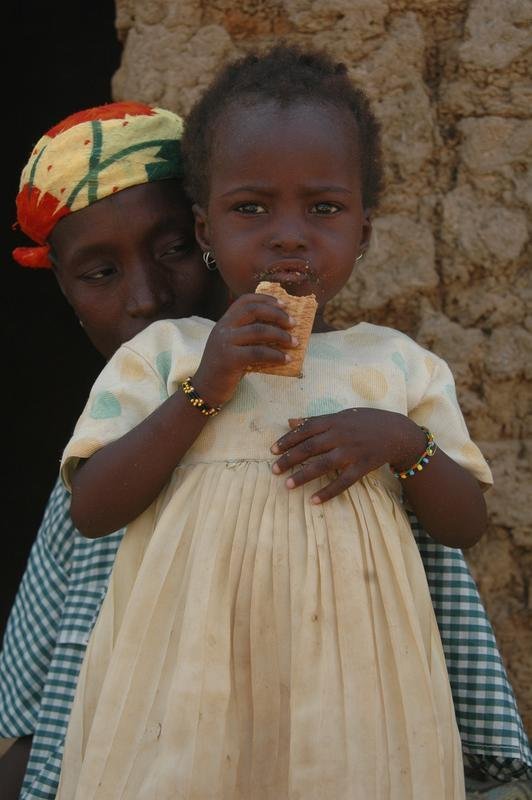
The eyes of the students at the Danga Zaouni School shine each day when they receive their meal in school. Since April 2007 the school, located in the Ouallam district 140 km away from Niger’s capital Niamey, has benefitted from the World Food Program’s school meals program.
The program is especially important in this region, as poor soil and degraded land have pushed families into a daily struggle for food security. Some 59.5 percent of the population lives below the poverty line, forcing men to look for work in other regions while their wives stay home to care for the family. Children are often obliged to work or care for siblings instead of going to school.
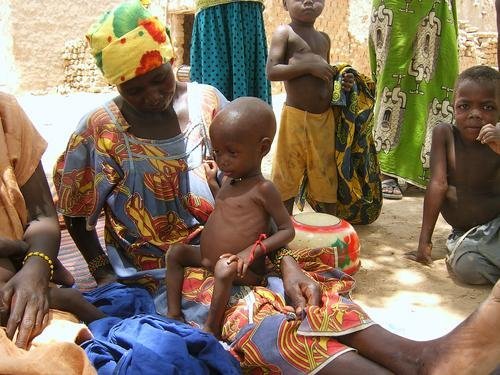
This constant struggle for food security pushes families deeper into the vicious cycle of poverty by keeping children from obtaining an education and, thus leaving them with little opportunity for the future. Ten percent of children under five suffer from acute malnutrition and 44 percent of children suffer from chronic malnutrition.
Poor school attendance, especially among girls, contributes to Niger’s 71 percent illiteracy rate. Before the introduction of the school meals program, only a few students came to school during the harvest, and in the afternoons the school was almost empty. The children did not have the energy to come back with an empty stomach after having little or no lunch, particularly those walking long distances from neighboring villages.
Yet, important changes have occurred since WFP’s school meals program began in the region: school enrollment has gone up from 172 to 211 students, and attendance rates of students already enrolled have improved.
The benefits of the program are also reflected in the students’ marks; the year before the introduction of the school meals program, none of the students passed the final exam necessary to be admitted to middle school. Mahamadou Saidou, the director of the school, says that tests given to the students since the inception of the program already show improvements in performance.
Nationwide, the school meals program supported by WFP in Niger has proven to have a very positive influence on increasing education rates for girls, particularly in rural areas. The proportion of girls enrolled in school rose from 36 percent in 2000 to 43 percent in 2006. In schools assisted by WFP, the percentage of girls is 5 percent higher than in schools without a school meals program.
Education also has positive long-term effects: students’ health is improved; educated girls get married later and have fewer children; and educated parents are more likely to send their children to school.
Continuing this successful program that enables children to attend school and receive the nutrition they need to survive requires additional financial support. Generous individuals like you enable children to attend school and break the cycle of poverty with WFP’s assistance. Thank you for your support!
Project reports on GlobalGiving are posted directly to globalgiving.org by Project Leaders as they are completed, generally every 3-4 months. To protect the integrity of these documents, GlobalGiving does not alter them; therefore you may find some language or formatting issues.
If you donate to this project or have donated to this project, you can receive an email when this project posts a report. You can also subscribe for reports without donating.