By Leslie Tuomi | Development Director
Like many classical music organizations, Chamber Music Northwest is concerned about the graying of our audience—87.5% of our concert audiences are age 55 or older. In audience surveys, the common theme from respondents, no matter what the age, is: “Why can’t we get more young people to the concerts?”
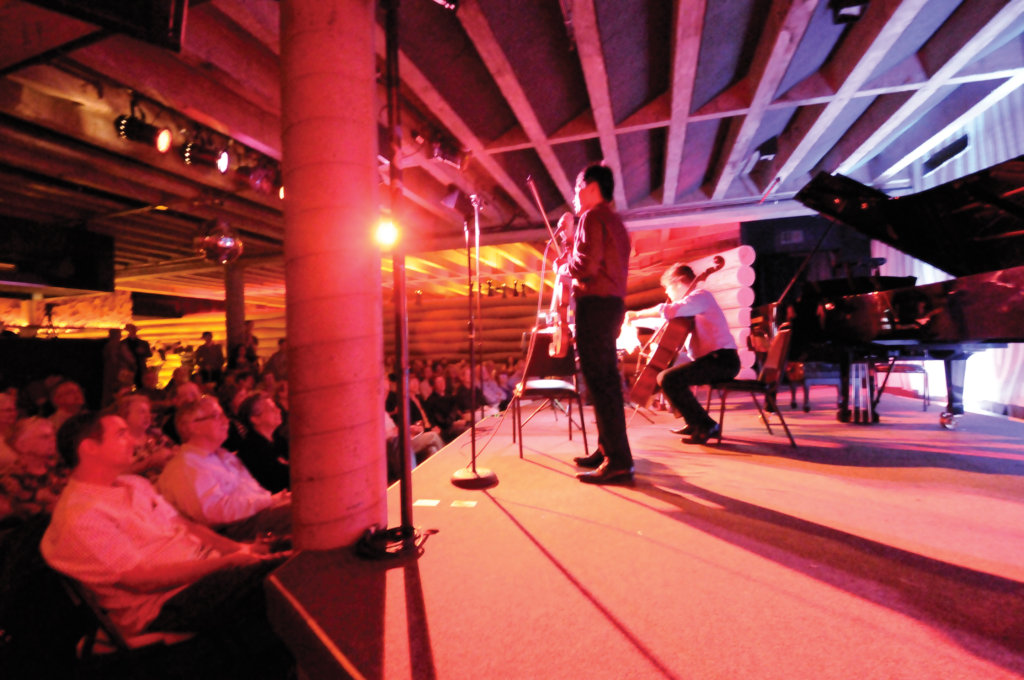
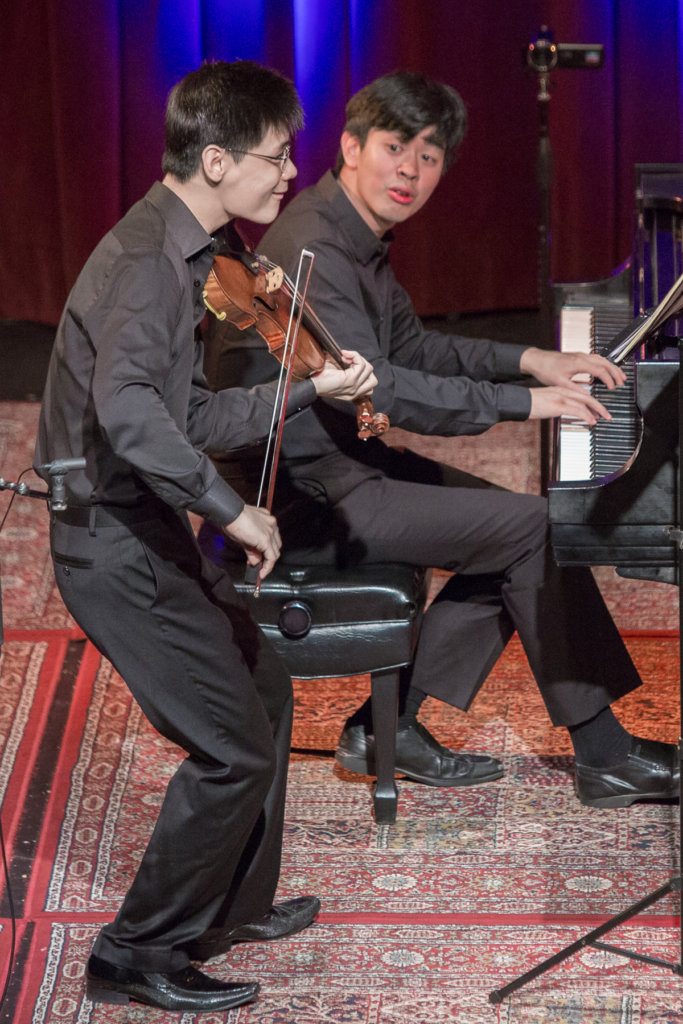
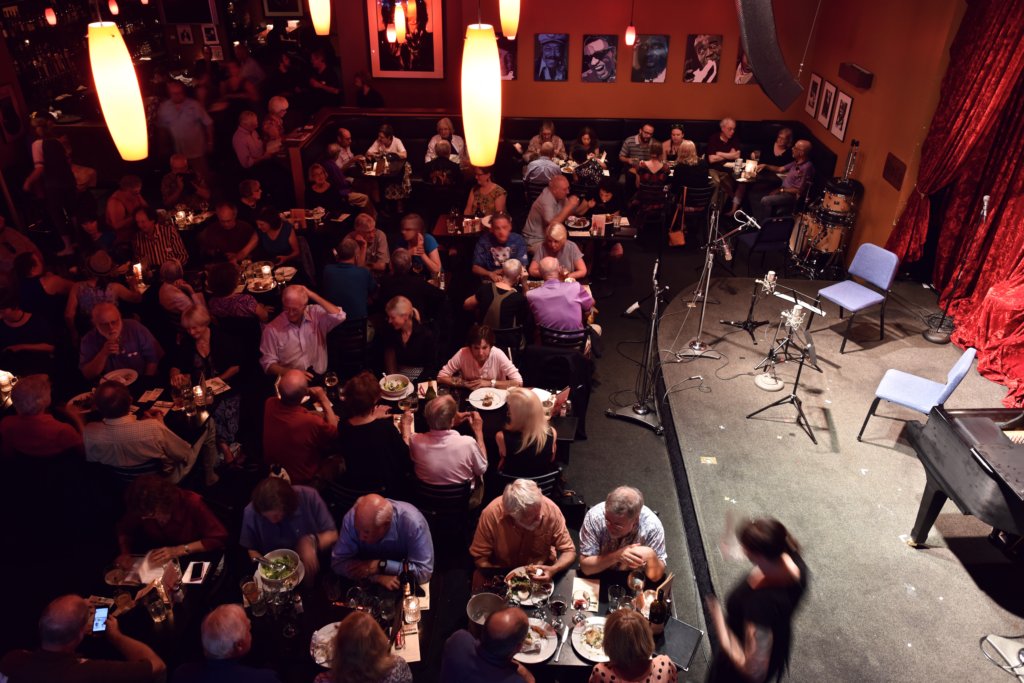
Our BIG IDEA was to take the music out of the concert hall and into spots frequented by the under 35 set. We scheduled young artists (we have a very successful Protégé Project that helps launch the careers of young professional chamber musicians) to perform programs that we thought would appeal to younger audiences, and hold these “Club Concerts” on Wednesday nights in a series of non-traditional venues: nightclubs, alternative halls used more for popular music. The main goal was to create a different and new chamber music experience, as different as possible from the mainstage series, which one skeptic described as “conservative, staid, non-participatory, contains a clear set of rules and you almost always know what to expect.” Our hope with the Club Concerts was to get people thinking, “I wonder what it’s going to be like tonight?”—a less formal experience of chamber music, with fewer rules and room for participation and spontaneity. Tickets were reasonably priced at $15 in advance/$20 at the door.
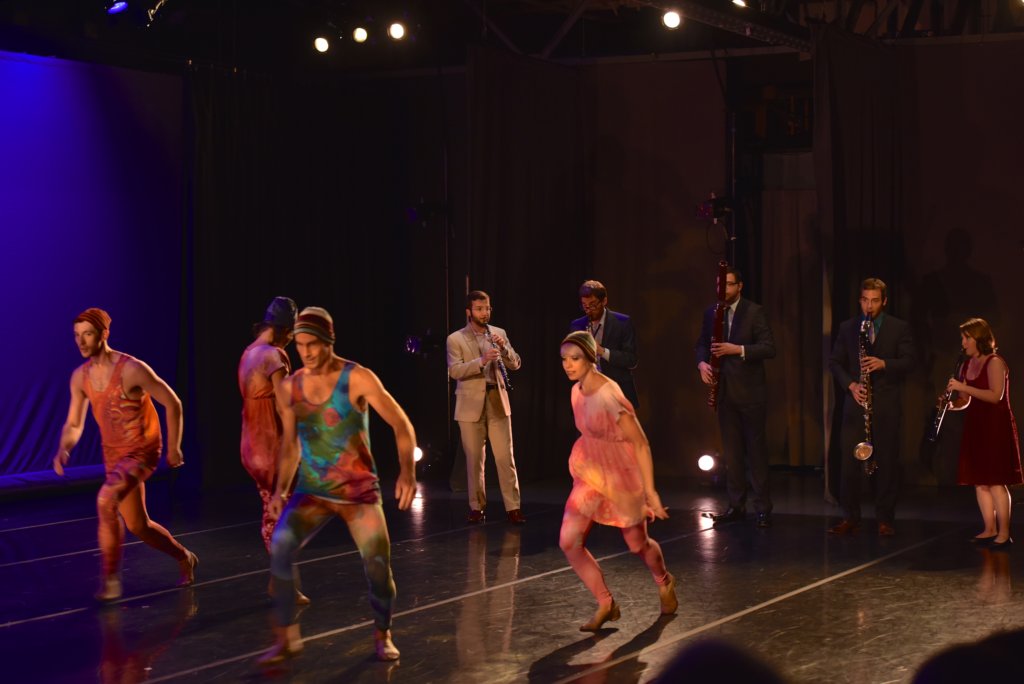
SO: we had fantastic young musicians (most in their mid-20’s), performing diverse, non-conventional repertoire (lot of crossover—much of it not posted in advance so people would come expecting to be surprised) in hip venues that allowed food/drinks during the concert, at a price that was much lower than our regular concerts (about ¼ of the price of the high-end tickets for mainstage concerts). We marketed these concerts through social media, radio, ads in publications targeted at millennials as well as including these Club Concerts as part of our traditional summer festival marketing.
WHAT HAPPENED?
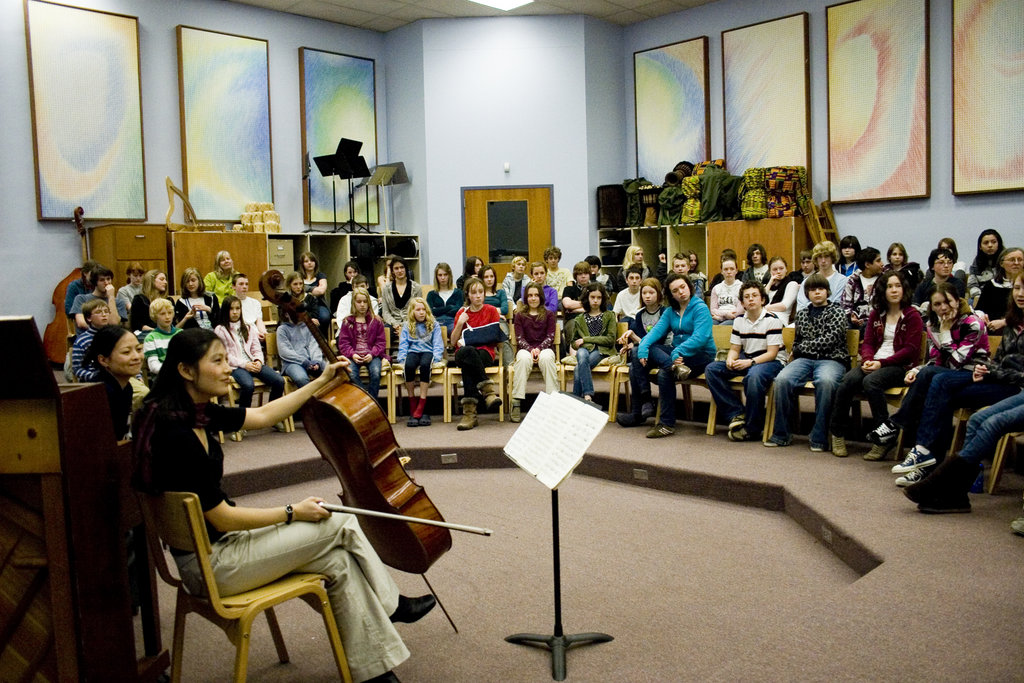
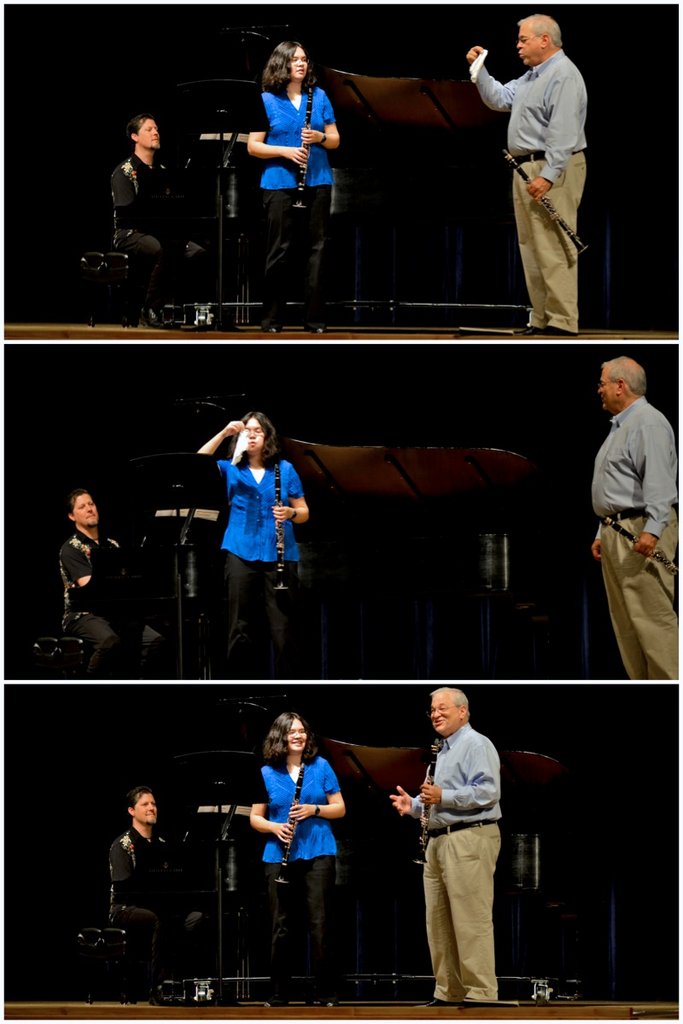
Concerts were great—lots of energy, innovative programs, well-attended, enthusiastically received. Venues were mixed—not the greatest acoustics, but definitely not mainstage concert formal. Audiences were, well…mostly older people. In fact, they were our regular, loyal concert-goers, turning out in these unfamiliar venues to hear new presentations of chamber music.
Did we increase the number of younger audience members? Not really. Perhaps our marketing never reached them; perhaps they didn’t have any interest in learning about chamber music; perhaps they were turned off by the large number of older people at the concerts.
BUT…this experiment had a wonderful, unforeseen result: our traditional audiences became “younger” at heart. Longtime audience members ventured out of their comfort zone to venues they had never entered before. They bought their beers to sip during the concert and listened with open minds to young artists giving new interpretations to the genre of “chamber music”. Much of the music they heard was contemporary—composed in the 21st century (the box office “kiss of death” for traditional audiences). And you know what? Instead of running for the doors, they listened—they asked questions of the composers and performers…they actually developed a taste for new music!
Our audiences for what are now known simply as “Wednesday” concerts (most held at the Alberta Rose Theatre, a funky space in Northeast Portland) have definitely grown, from 398 in 2013 to 1,006 in 2016. What was previously a low tolerance for contemporary work has morphed into a positive craving for new music—so that Chamber Music Northwest has created a Commissioning Fund to support 4-6 newly commissioned works each year (and whenever possible, we bring the composers to Portland to meet the audiences). A related series, our “New@Noon” concerts on Fridays, which focuses entirely on new music, often with the composers present, experienced record sales in 2016.
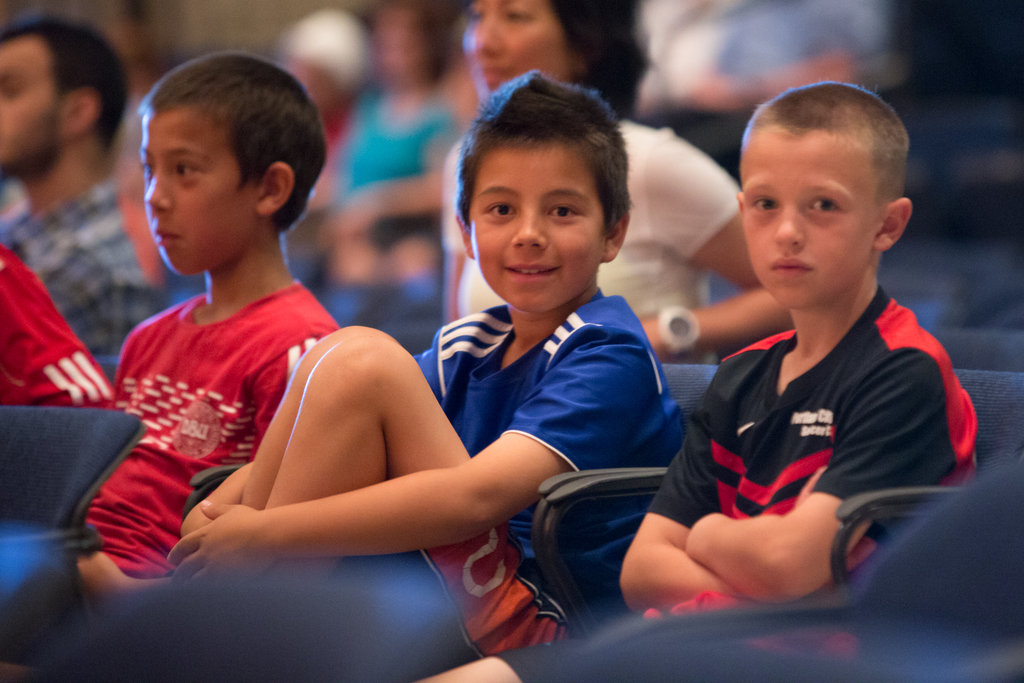
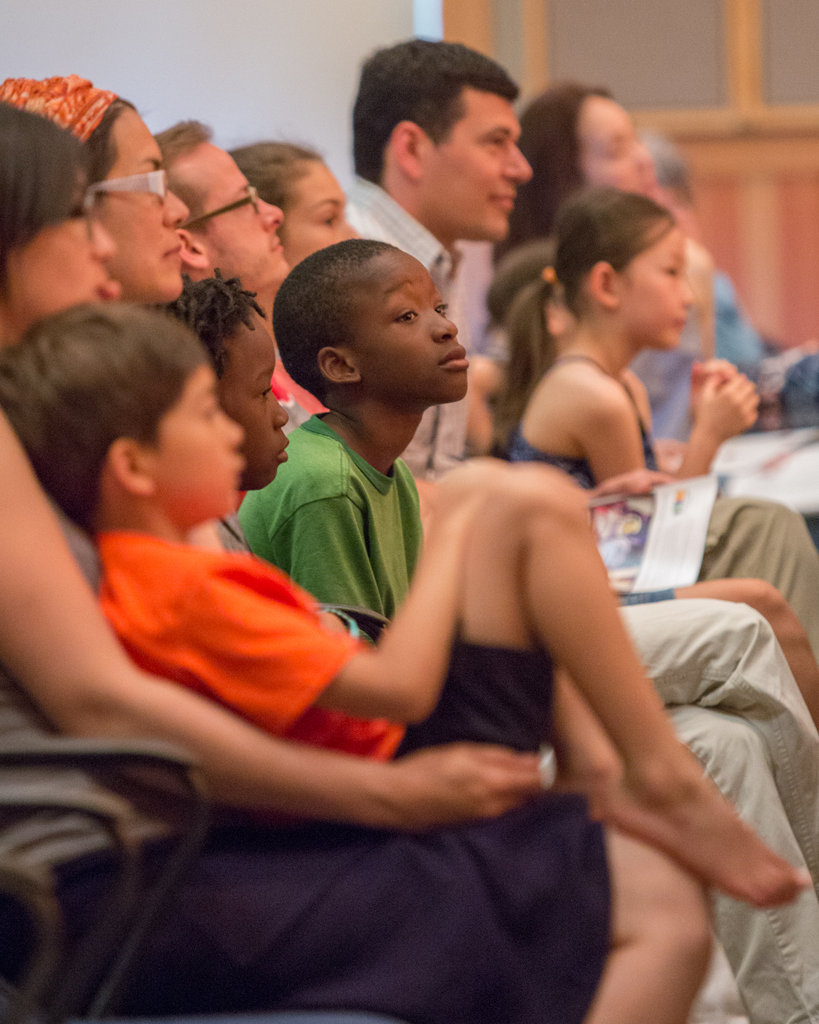
We haven’t stopped trying to attract younger audience members. But our “Fail Forward” is that our loyal audience members are listening with new ears, open to new ideas, enjoying contemporary music…AND they’re bringing young people to the concerts WITH them to introduce a new generation to the beauty and diverse faces of chamber music.
THAT’s a WIN-WIN.
Links:
Project reports on GlobalGiving are posted directly to globalgiving.org by Project Leaders as they are completed, generally every 3-4 months. To protect the integrity of these documents, GlobalGiving does not alter them; therefore you may find some language or formatting issues.
If you donate to this project or have donated to this project, you can receive an email when this project posts a report. You can also subscribe for reports without donating.