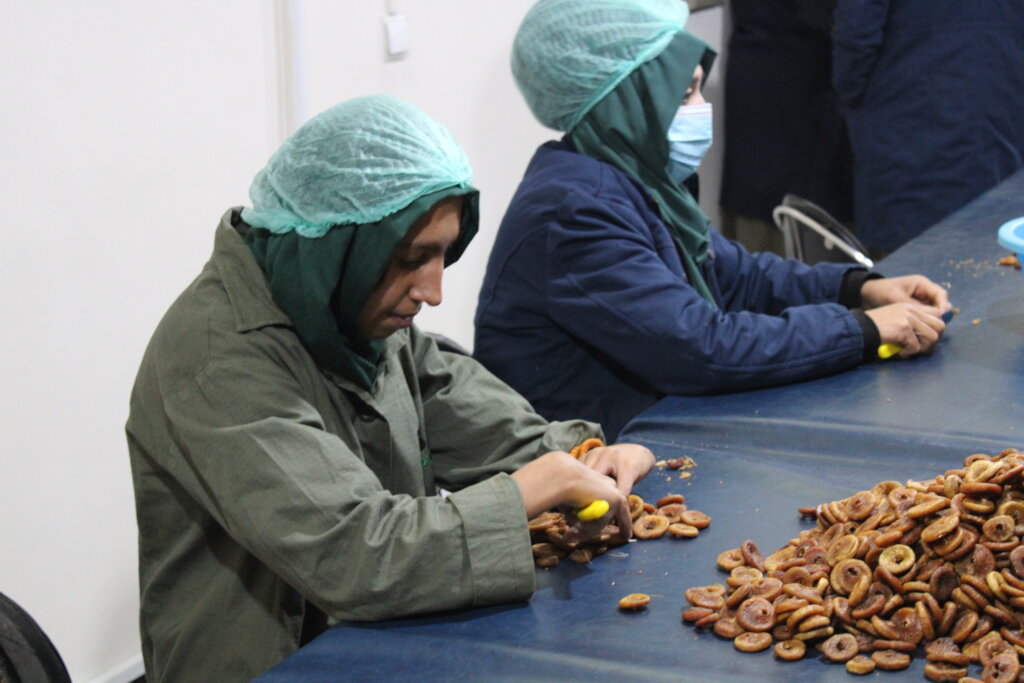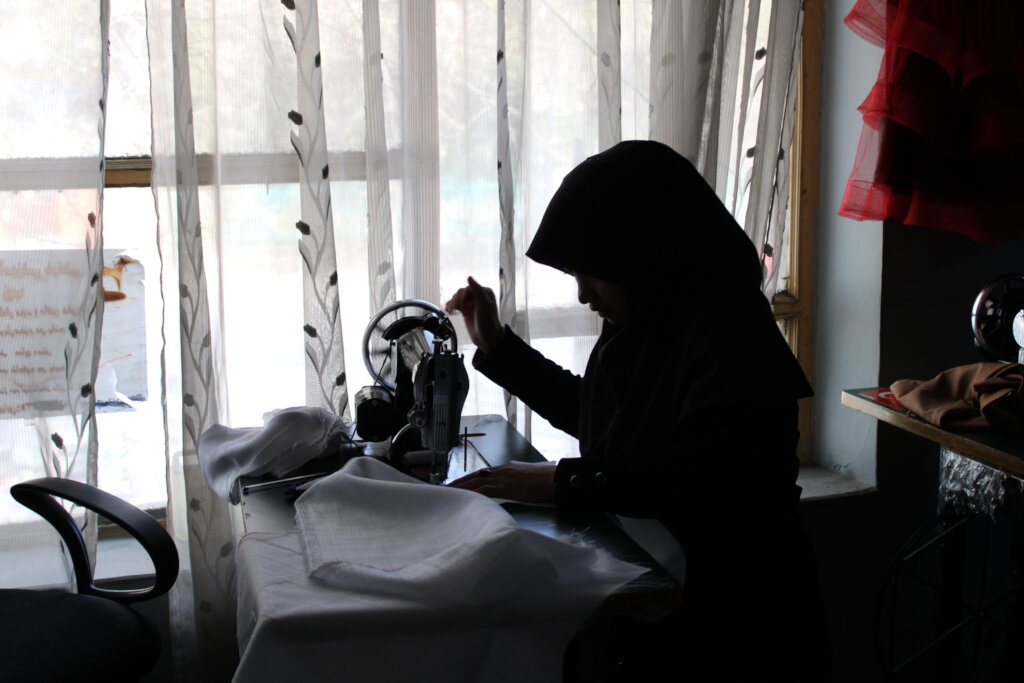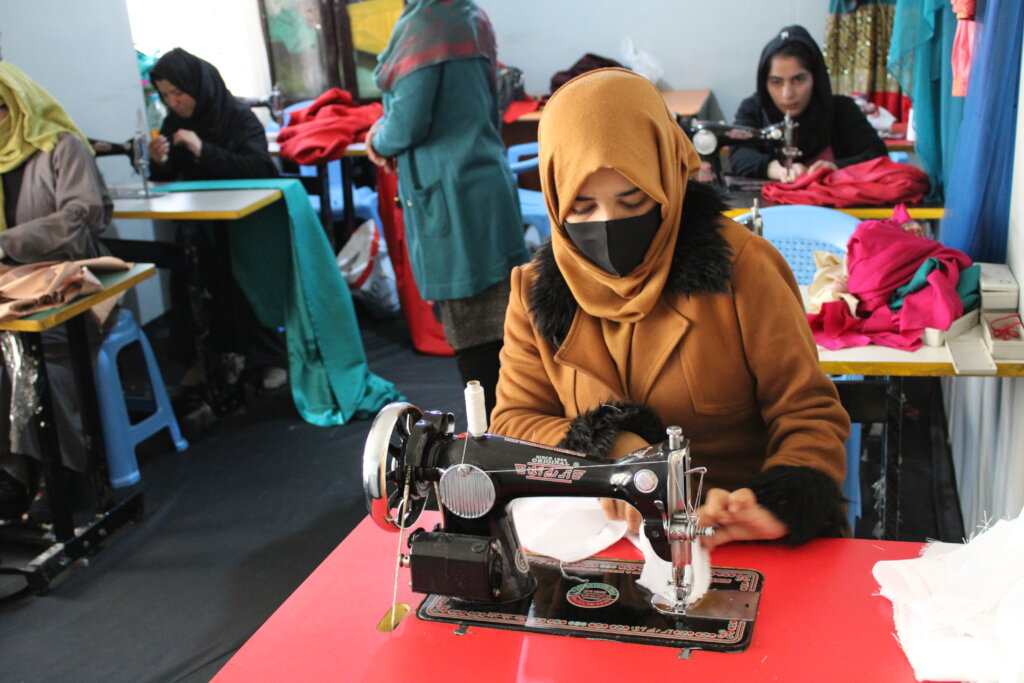
Our Social Integration Program (SIP) has provided 45 females with disabilities vocational training since 2020. We have a successful model of personalized classroom-based training, supported work placements, and provision of healthcare to trainees. Family counseling ensures a supportive home environment. In a post-2021 world of suffocating restrictions for women and workplace disability discrimination, our trainees are finding a path towards social and financial independence.
Young women in Afghanistan face bans on access to secondary and tertiary education and limited career options. Movement restrictions leave young women heavily reliant on male guardians, with limited options for independence and at risk of gender-based violence. Disability stigma can also contribute to denial of access to education and training. Pathways to employment exist for young women with disabilities but an external catalyst to connect young women to opportunities is required.
SIP first engages with families and provides counseling on young women's options. Trainees receive personalized classroom-based training to prepare for work placements and support access to accessible transport, physical therapy, and psychosocial counseling. ECI staff vet employers and foster inclusive workplaces, matching placements to each trainees' skills and interests. Awareness raising in the home and community creates a supportive environment and reduces disability stigma.
In the most recent cohort of 20 young women, 100% of trainees reported the program had significant impact on their job readiness and employment opportunities. 55% had gone on to secure permanent employment, an outstanding achievement for young women in a stigmatized group and oppressive environment with high unemployment rates. Some past young women graduates have gone on to become the main breadwinners for their family. This program changes families and provides dignity, hope and independence.