Project Report
| Oct 8, 2021
UPDATE: Home Gardening Project Report 4 - Oct 2021
By Manahari Singarachchi | Project Leader
A huge thank you to all our donors through GlobalGiving!
With the support of funds received through GlobalGiving, we have been able to complete 2 phases of the project and support 10 and 20 families successively. With the continuing support of donors through GlobalGiving, World Vision looks forward to supporting 70 more families.
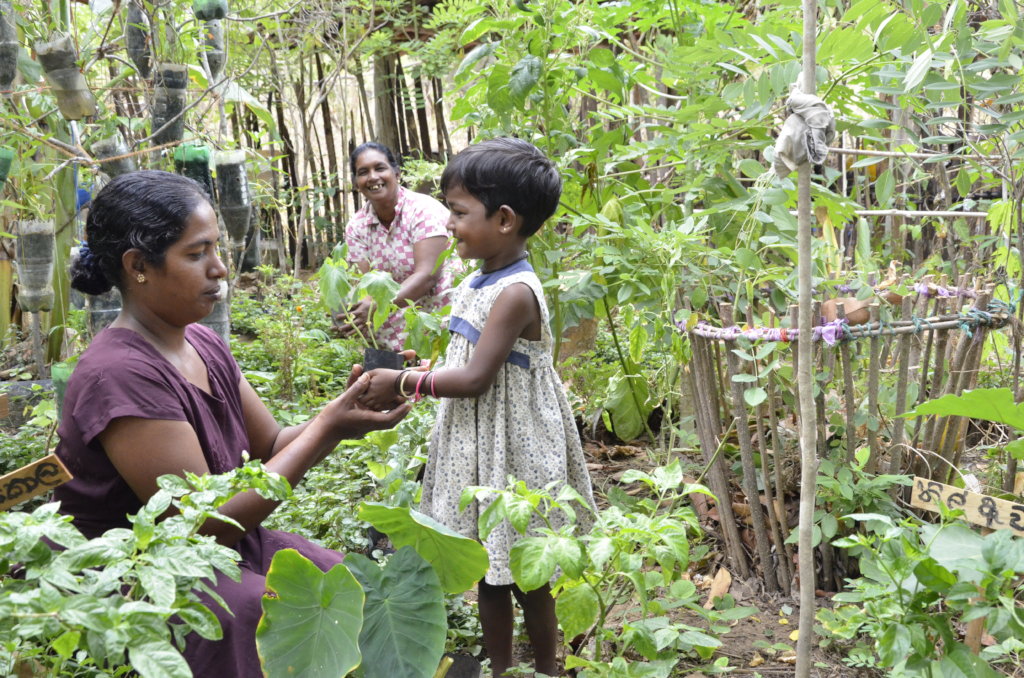
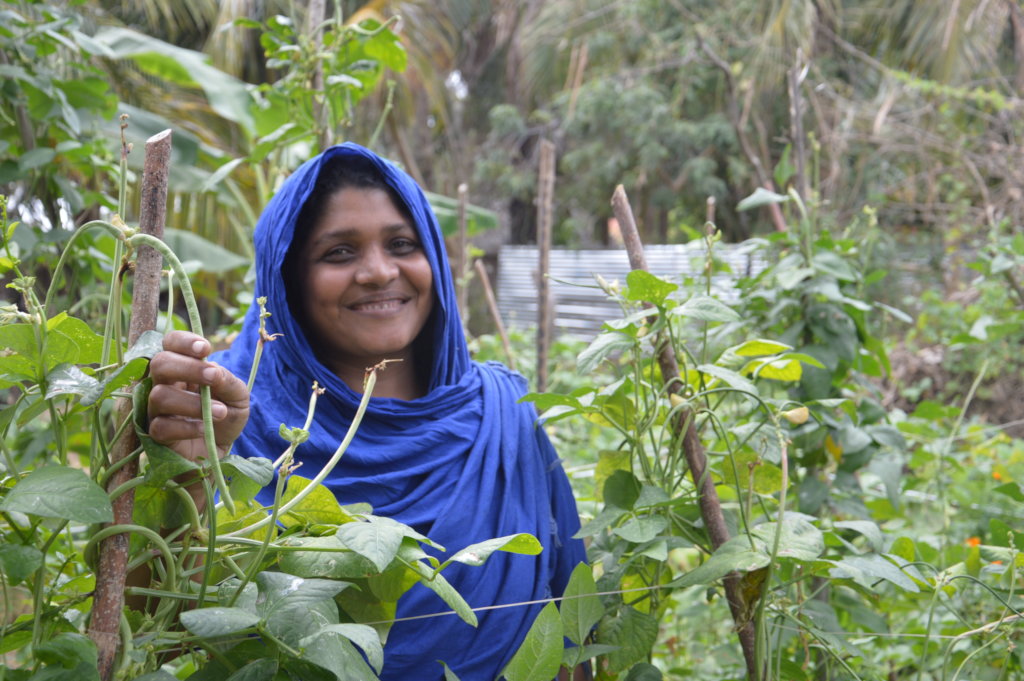
Home gardening is such a pivotal project for communities in Sri Lanka, especially at this time, as it supports the most vulnerable families to have their own homegrown vegetables, and provides household food security and tackles hunger during the pandemic.
The project also offers a sustainable solution to food security even after the pandemic, and further enables families to generate an income as a means of livelihood. This contributes to the greater financial stability of households.
Please see our last report for further details.
![Share on Twitter]()
![Share on Facebook]()
Oct 1, 2021
Home Gardening Project Report 4 - Oct 2021
By Anushka Samaraweera | Project Leader
The COVID-19 pandemic started affecting the populace of Sri Lanka in January 2020. With the country going into multiple lockdowns in the ensuing months, the economy took significant hits causing an unprecedented downturn.
The poverty levels in the country have risen significantly since the onset, due to widespread job and earning losses. With the virus spreading across the island, the living conditions of rural communities started worsening. The most vulnerable are communities that are largely comprised of daily-waged workers, as they are affected severely by travel restrictions.
While working closely with the government in responding to the emergency of COVID-19 we continued our community development work to support the most vulnerable to rebuild their lives while battling the situation.
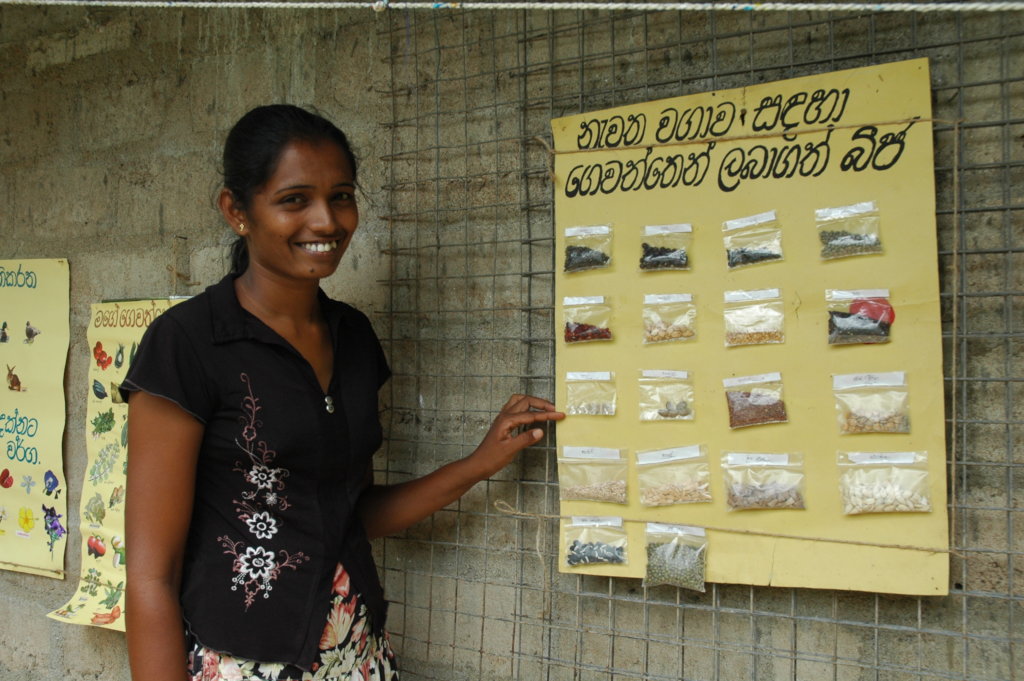
With the lockdowns, many communities in rural parts of the country were prevented from getting their daily provisions and were unable to provide for their families. In response to the crisis, WVL took many initiatives to support families through food security and livelihood. Home gardening is such an initiative where we try to support the most vulnerable families to have their own homegrown vegetables in order to provide household food security and tackle hunger during the pandemic and beyond.
With the support of funding received through GlobalGiving, we were able to complete the 2nd phase of the project and support 20 families. With the continuing support of donors through GlobalGiving, World Vision looks forward to supporting 80 more families.
Attachments:
![Share on Twitter]()
![Share on Facebook]()
Jun 3, 2021
Home Gardening Project Report 3
By Anushka Samaraweera | Project Leader
The COVID-19 pandemic impacted Sri Lanka profoundly. As a result, the country was hit with an unprecedented economic downturn. The poverty in the country has risen since the onset of the pandemic due to widespread job and earning losses. With the pandemic spreading across the island the living conditions of the rural communities of the country has started getting worse. The most vulnerable are communities that are dominated by daily waged workers that are affected severely with travel restrictions.
While working closely with the government in responding to the emergency of COVID-19 we continue our community development work to support the communities to rebuild their lives while battling the prevailing situation.
With the pandemic forcing the country in to a lockdown, many communities in the rural parts of the country were prevented in getting their daily provisions and was unable to provide for their families. In response to the crisis, WVL took many initiatives to support families through food security and livelihood. Home gardening is such initiative where we try to support most vulnerable families to have their own homegrown vegetables in order to secure household food security and tackle hunger during the pandemic and beyond.
With the support of funding received through GlobalGiving we were able to launch the 2nd phase of the project in April.
Attachments:
![Share on Twitter]()
![Share on Facebook]()