By Sydney Usselmann | Programms & Office Intern
In the first half of 2026, Project Miatrika worked through an exceptionally severe lean season in the Anosy region. Low rainfall and a poor harvest left many households with little food in the months before the next harvest. During this period, SEED tested whether its Positive Deviance (PD) approach could still help children recover from malnutrition in the most food-insecure communities.
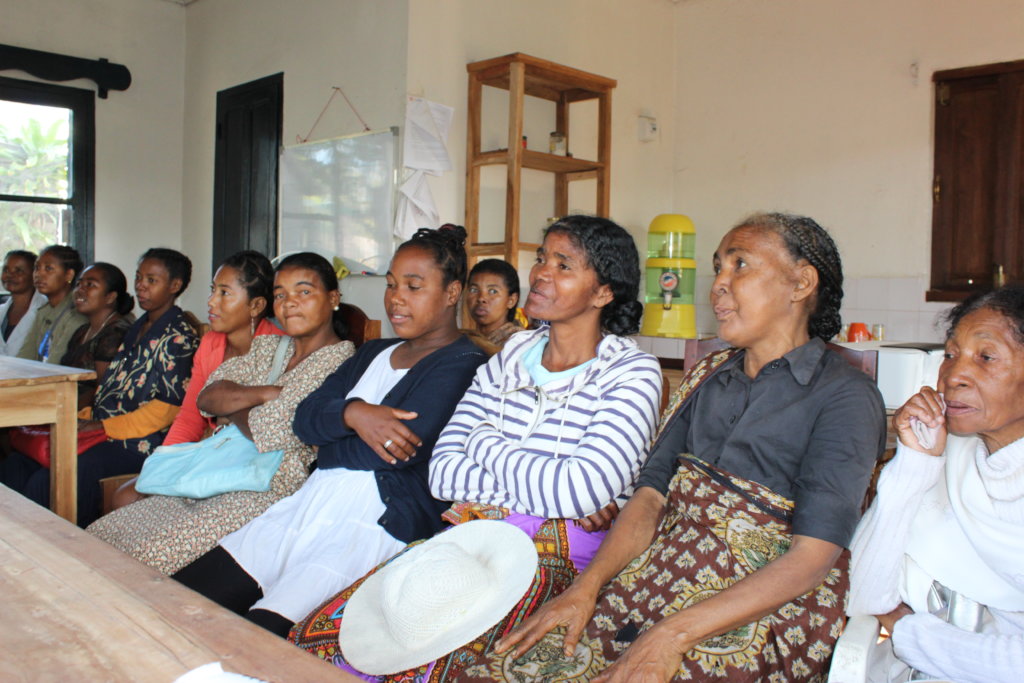
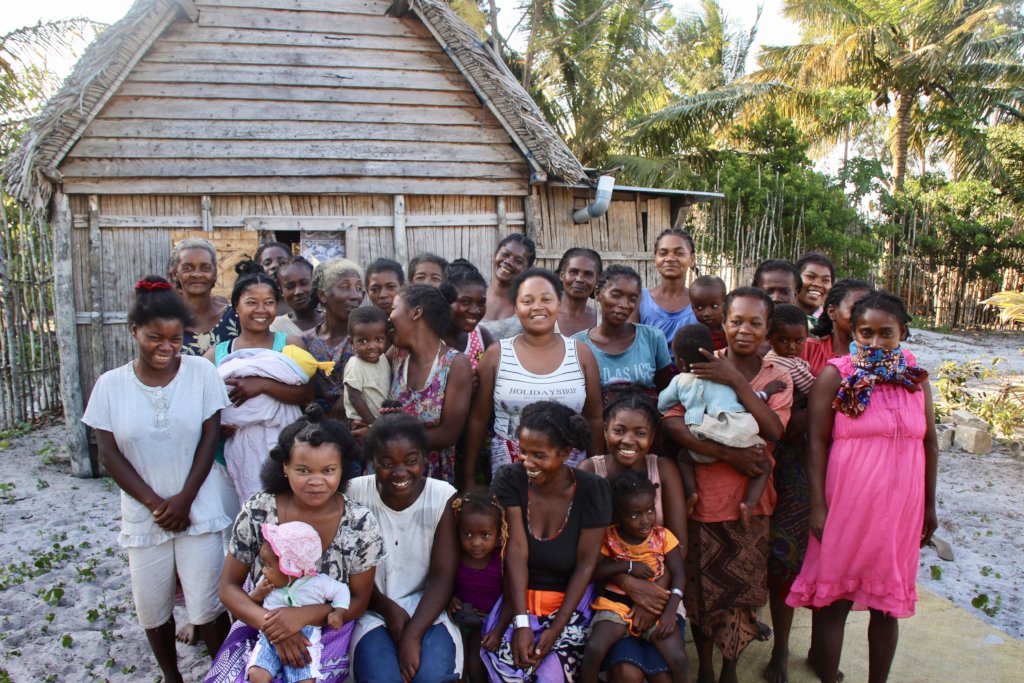
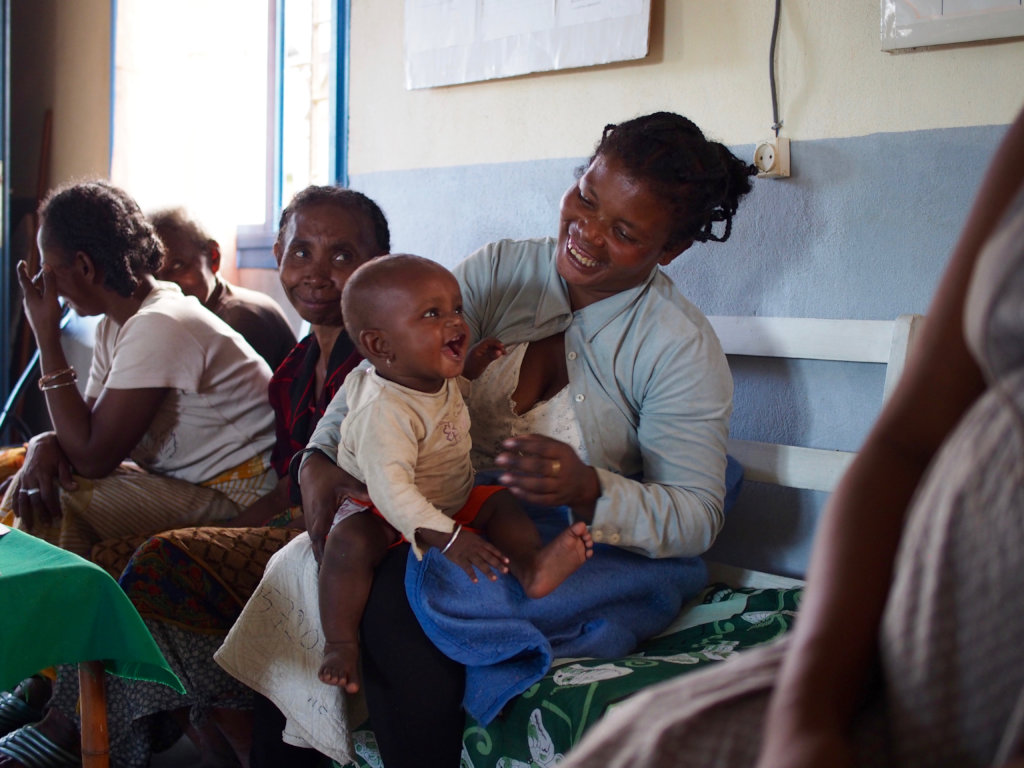
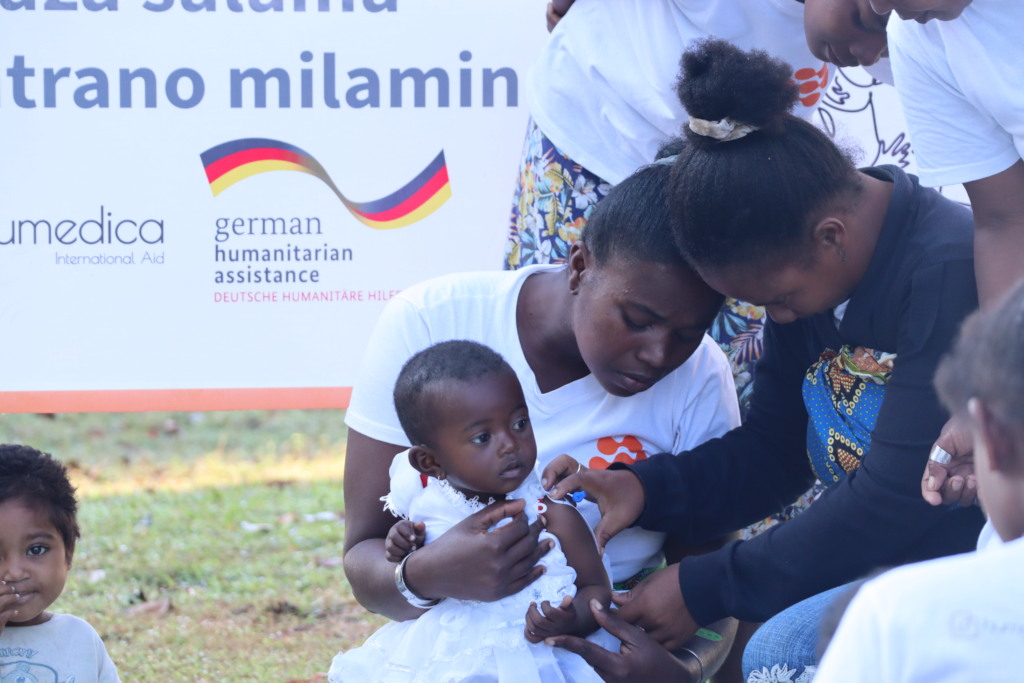
PD is a community-based approach that supports children with Moderate Acute Malnutrition (MAM). It works by identifying mothers whose children are well-nourished despite facing the same challenges and limited resources as their neighbours. Using surveys of mothers of healthy children, SEED selected 12 Model Mothers across 4 villages. With support from SEED and community health workers (ACs), the Model Mothers led 12-day care groups with mothers of children affected by MAM, where they shared practical advice and demonstrated how to prepare nutritious meals.
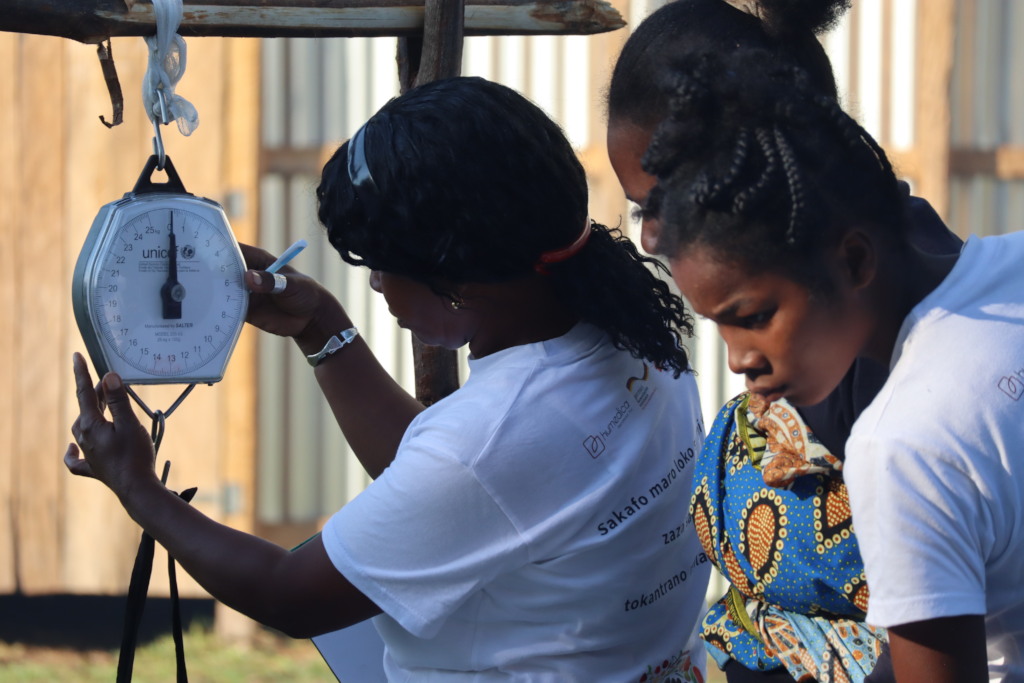
In 2026, SEED expanded PD to food-insecure communities in the south. In March, at the end of the lean season, SEED ran PD care groups for the first time during this period of higher food insecurity. Of the 44 children who completed the 12-day cycle, 36 (81.8%) recovered. Children who had not yet recovered received Ready-to-Use Supplementary Food (RUSF). The recovery rate was slightly lower than in earlier rounds, which SEED attributes to the lean season, prolonged drought and the move into highly food-insecure communities. Surveys before and after the care groups showed that mothers had improved their knowledge of nutrition and health and were more likely to treat their drinking water. Three months of follow-up household visits helped reinforce these practices.
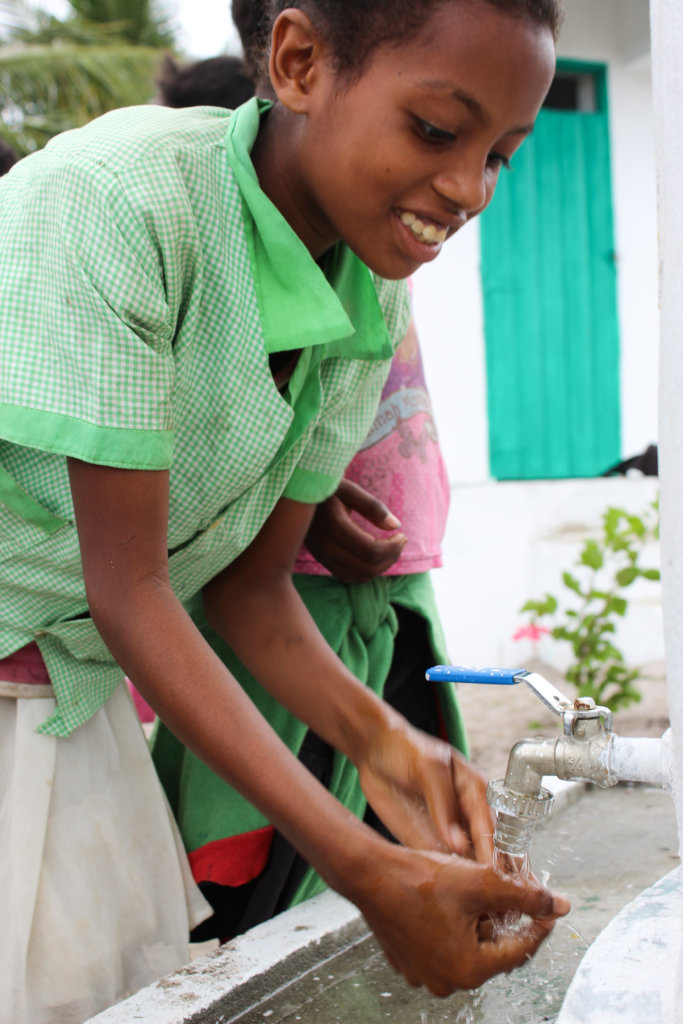
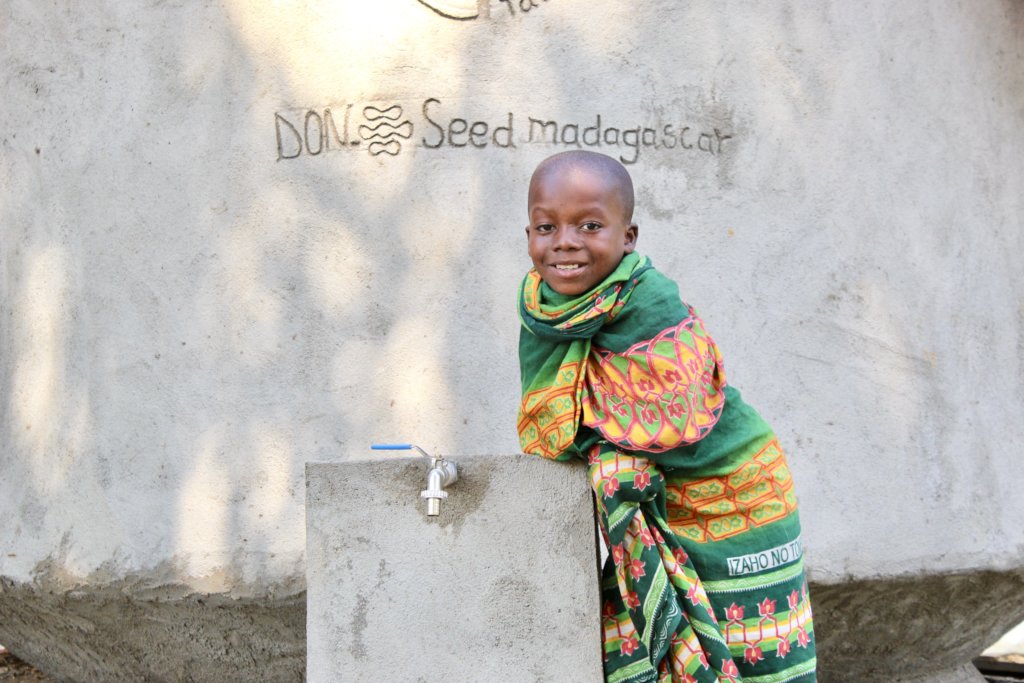
Working in these conditions meant adapting the approach. Where families had very limited access to food, SEED helped provide ingredients for the care groups. In some sites, SEED also supplied water so that handwashing and food hygiene could still be demonstrated. This extra support has continued into the current PD cycle. SEED also shares the children's recovery rates at community feedback sessions, which builds confidence in the approach and in locally led recovery.
Alongside PD, SEED distributed 45-day supplies of lipid-based nutrient supplements to 8,497 healthy children aged 6-24 months in March and April 2026. These supplements help protect young children from malnutrition during the hardest months.
In July 2026, SEED began a new PD cycle in six communities that had not taken part before, including two more food-insecure villages in the south. After this cycle ends, SEED will conduct household visits, focus group discussions, and community feedback sessions to assess how well the approach is working.
Thank you for being a part of this work.
Project reports on GlobalGiving are posted directly to globalgiving.org by Project Leaders as they are completed, generally every 3-4 months. To protect the integrity of these documents, GlobalGiving does not alter them; therefore you may find some language or formatting issues.
If you donate to this project or have donated to this project, you can receive an email when this project posts a report. You can also subscribe for reports without donating.



Support this important cause by creating a personalized fundraising page.
Start a Fundraiser