By Urmila Adhikari/Rudra Neupane | Program Manager
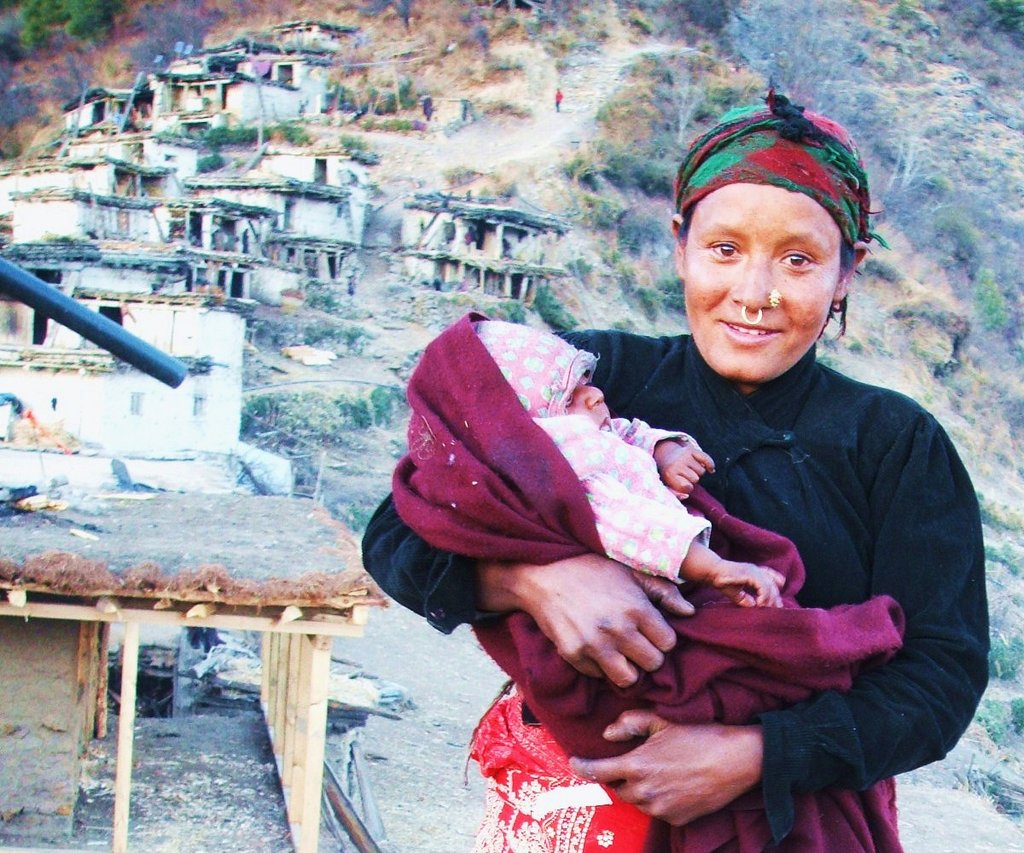
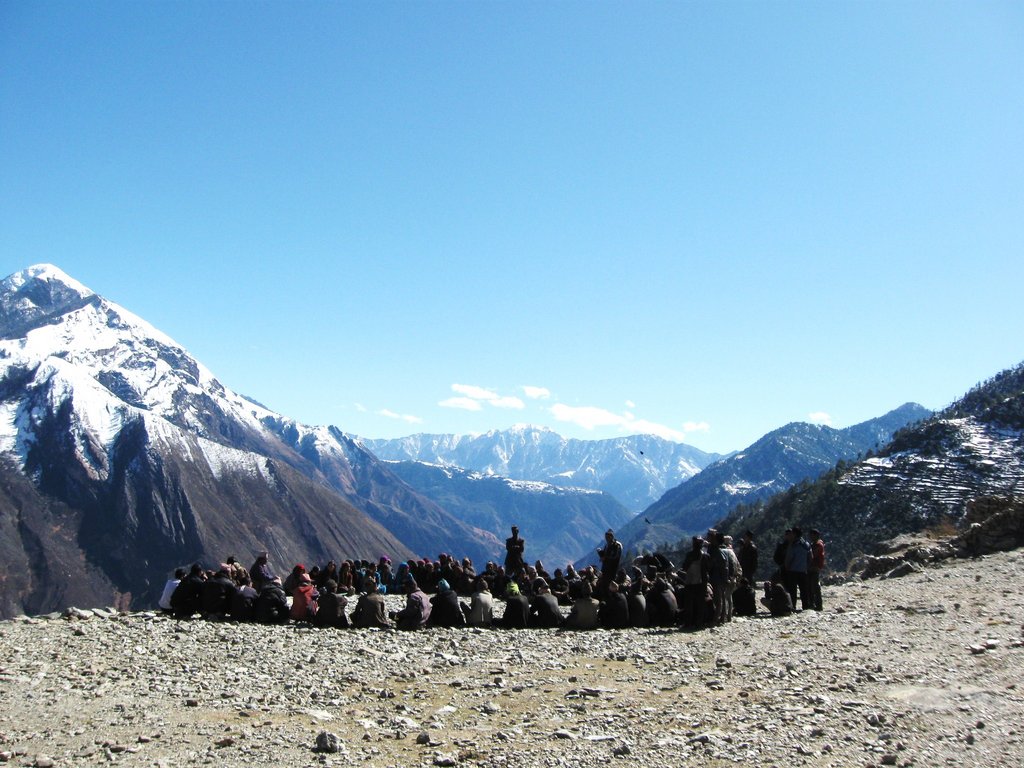
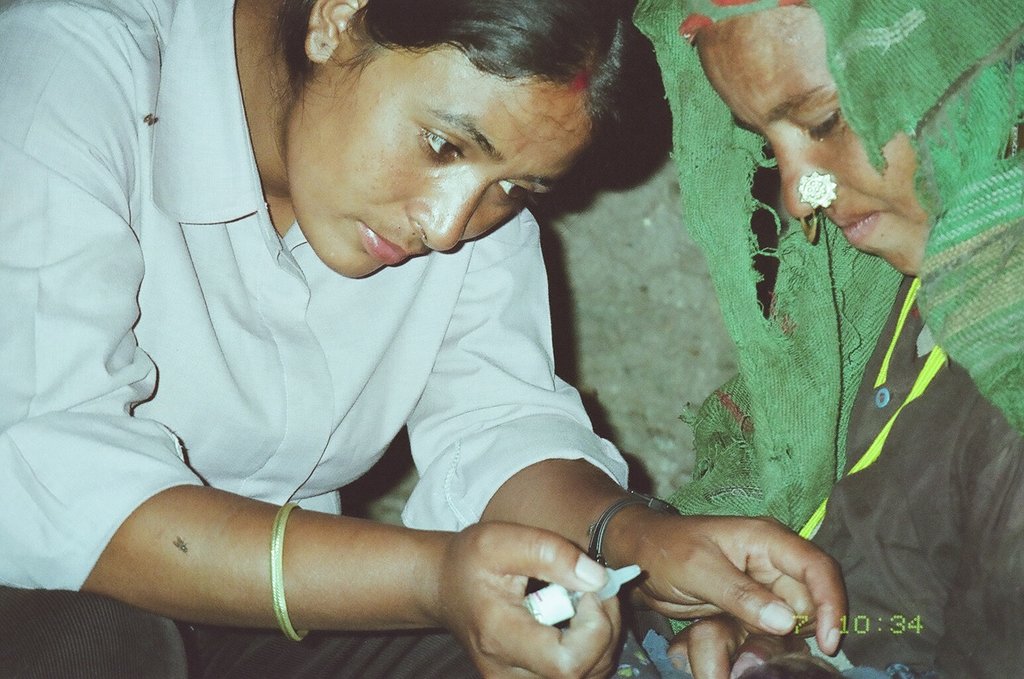
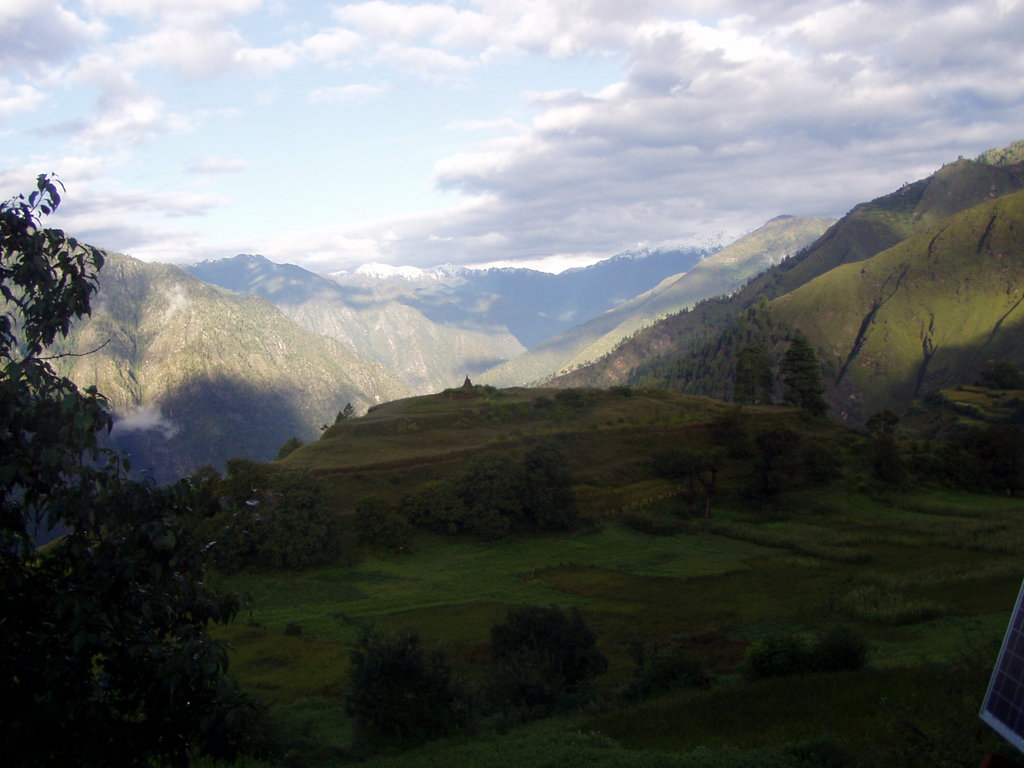
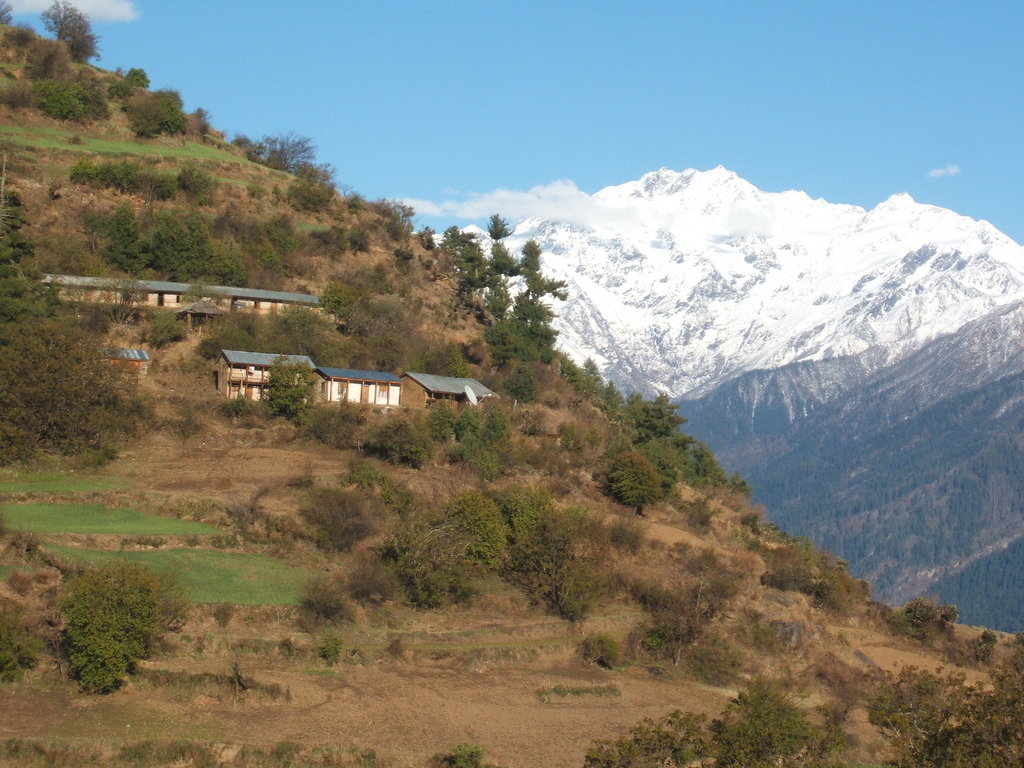
We are sharing you a story of Durga (pseudonym), a 23-year-old woman from a rural village, in Gorkha district, Gandaki province in Nepal, her newborn baby and herself are now in a good health after skilled delivery service, proper primary care provided by PHASE staff and timely referral to higher center. Durga lives with her family of seven members, whose main source of income is subsistence farming. Being far from district and province headquarter and bigger towns, access to basic cervices inlcuding health care services is limited. With the support of PHASE worldwide, UK and generous support from various partners and individuals, PHASE Nepal, has been supporting the local government in improving primary health care services in this village for more than 10 years.
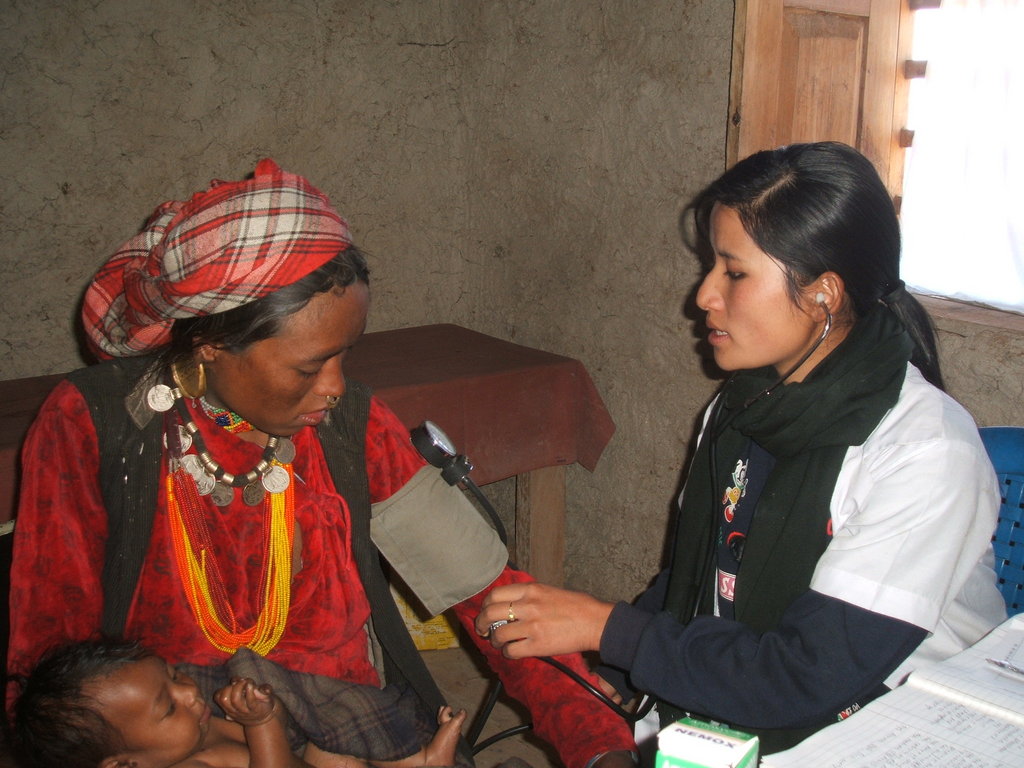
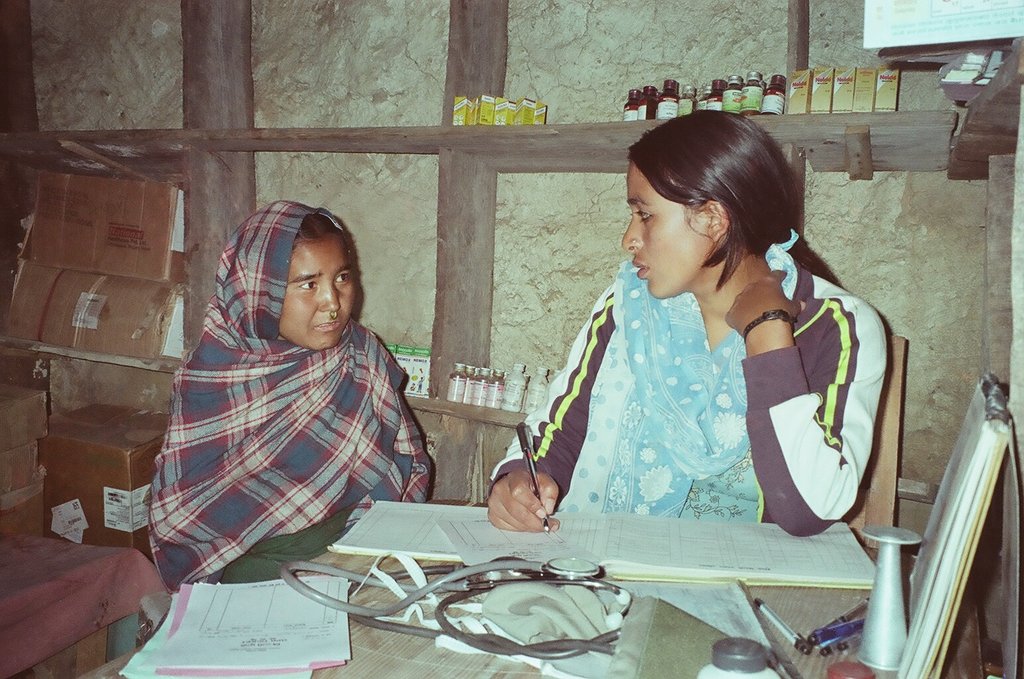
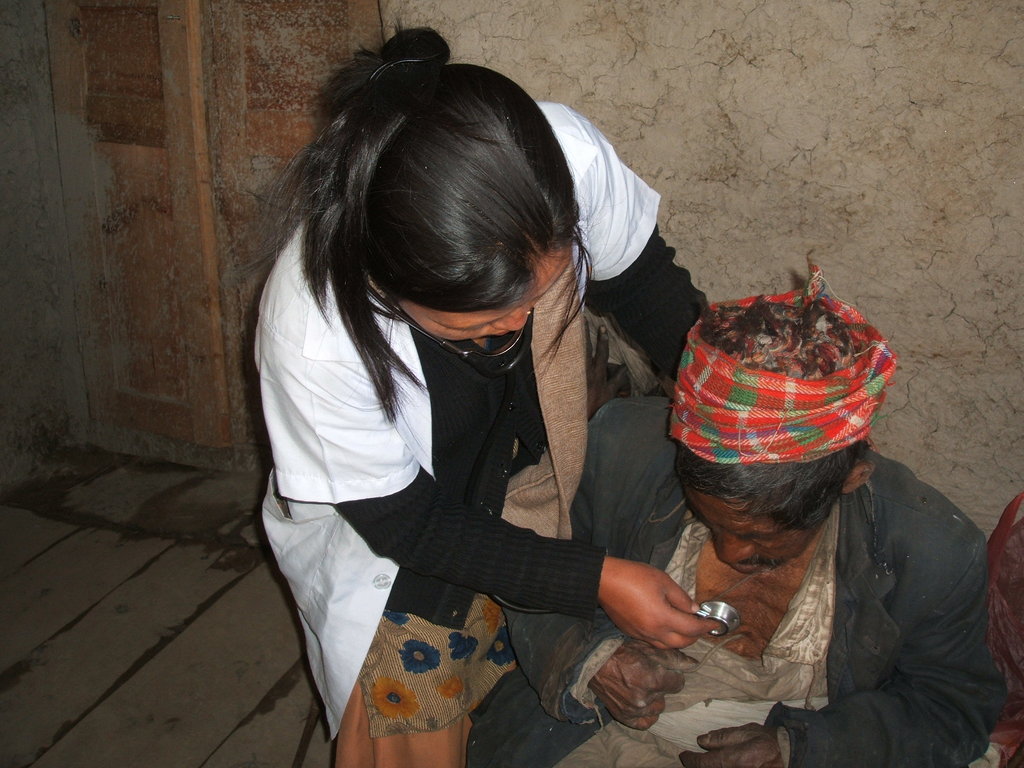
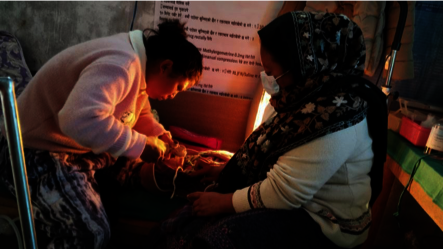
On January 6, 2026, at around 2:00 AM, Durga arrived at the PHASE Clinic with labor pain. PHASE staff promptly assessed her condition by taking a detailed history, conducting a physical examination, and monitoring vital signs, which were all within normal range (BP: 100/70 mmHg, Temperature: 36°C, Pulse: 90/min, Respiration: 21/min). A per vaginal (PV) examination revealed 6 cm cervical dilation. The team closely monitored her labor progression and fetal condition every two hours, with fetal heart rate remaining stable at around 140 beats per minute. Alongside clinical monitoring, the staff also provided continuous emotional and psychological support to the mother.
At 6:00 AM, a repeat examination showed cervical dilation of 9 cm, and the fetal heart rate remained stable. However, abnormal uterine contractions were observed. The PHASE staff provided counselling to the mother and her family and advised supportive measures, including warm fluids and glucose water, while continuing close monitoring.
By 10:00 AM, Durga was fully dilated, but meconium-stained liquor and further abnormal contractions were noted, indicating fetal distress. An intravenous (IV) line was established, and IV fluids (5% Dextrose and Ringer’s Lactate) were administered. The family and health post in-charge were informed, and the team maintained intensive monitoring while preparing for potential complications.
As labor was prolonged, the fetal heart rate dropped to 100 beats per minute, indicating distress. The baby was delivered, but was not breathing at birth. PHASE health team immediately initiated neonatal resuscitation. After 15 minutes of continuous effort, heartbeat was restored, and by 20 minutes the newborn showed gradual improvement with oxygen support.
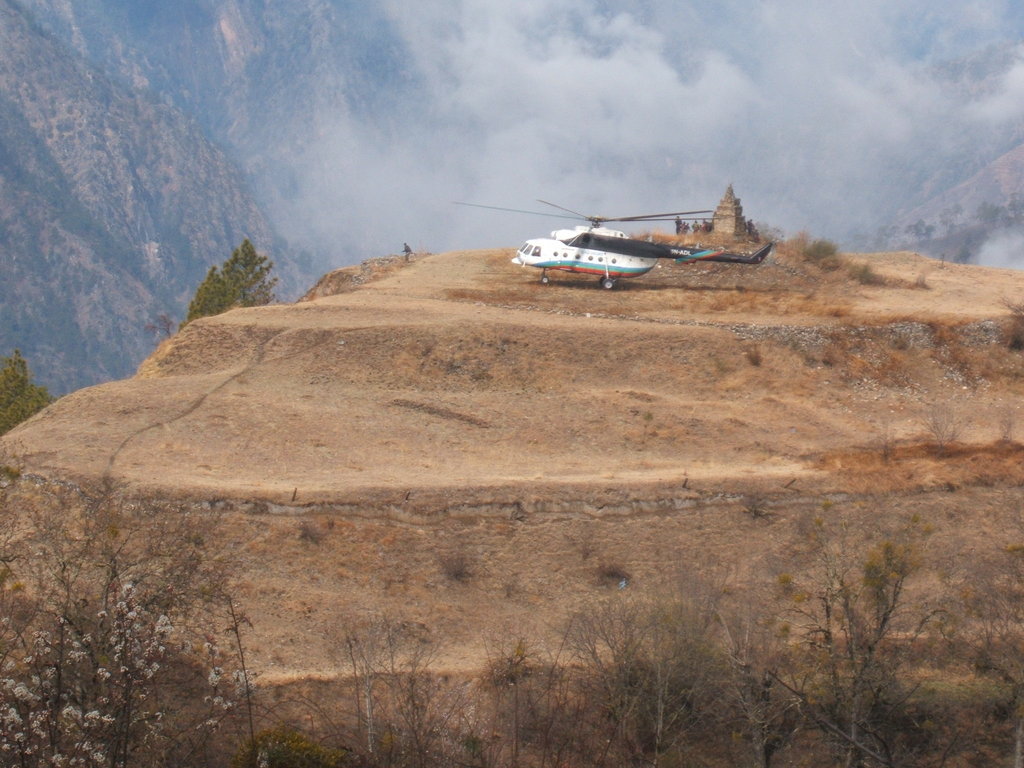
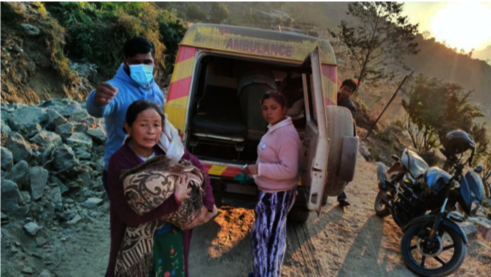
The newborn and mother were closely monitored, gradual progress was observed however, PHASE health tem decided higher care of the newborn was essential. They arranged transport and referred to a nearby high care center after providing essential medicine. The referred hospital at Arughat after examination referred the newborn to Gorkha District Hospital, but this hospital also did not have capacity to treat the newborn. Finally they transferred to Kanti Children’s Hospital in Kathmandu for specialized pediatric care due to the severity of the condition.
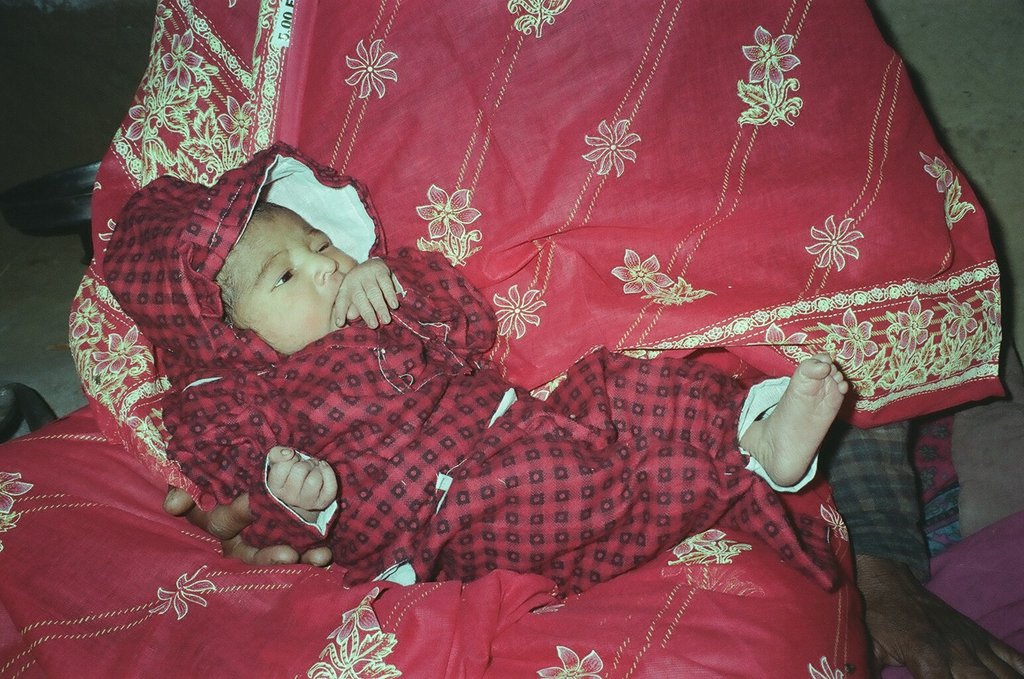
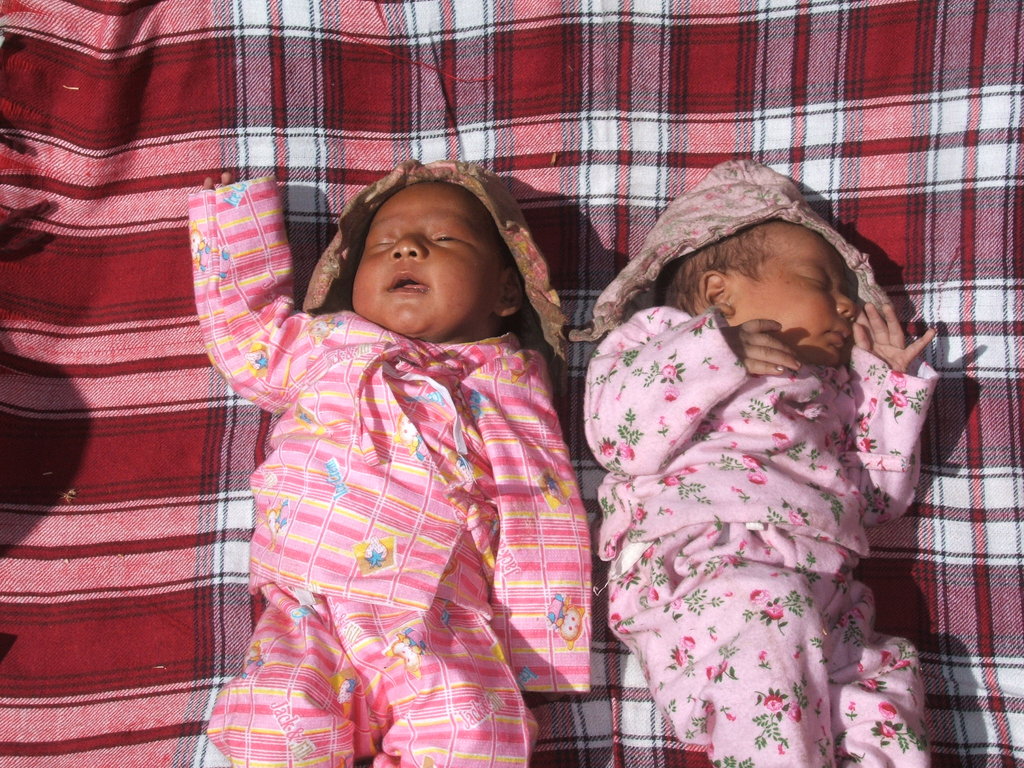
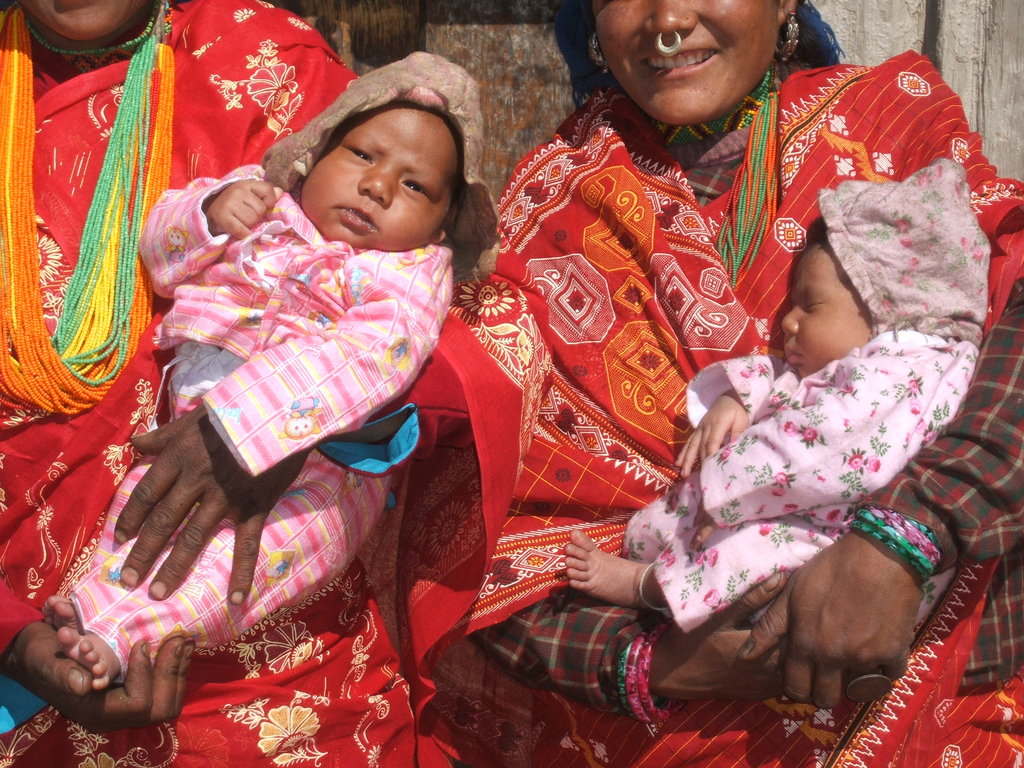
After receiving appropriate treatment at higher centers, both mother and the baby recovered well in two weeks time and returned home in good health. We are glad to share you that both mother and child are in good health now, our health team are in regular contact with the family.
The dedicated health workers' proper primary care, birth attandance and timely referral and care of the mother and newborn at specialized care centre saved life.
As ususal, PHASE health staff regularly assessed Durga's pregnancy throughout her antenatal period. She completed all the eight, Nepal Government recommended Antenatal Care (ANC) visits before her expected date of delivery (EDD) on January 6, 2026. During pregnancy, she adhered well to medical advice, regularly taking iron supplements, receiving the Tetanus-Diphtheria (Td) vaccine, and attending routine ultrasound (USG) check-ups as per Government of Nepal guidelines. Her pregnancy remained stable, with no major complications identified during ANC visits.
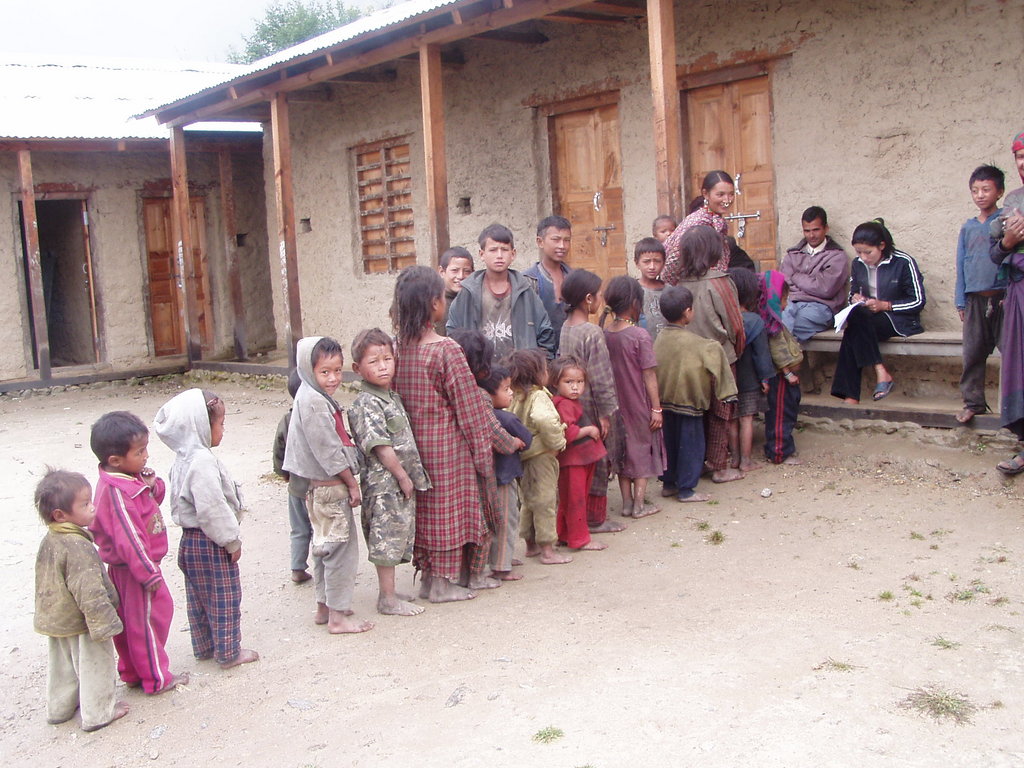
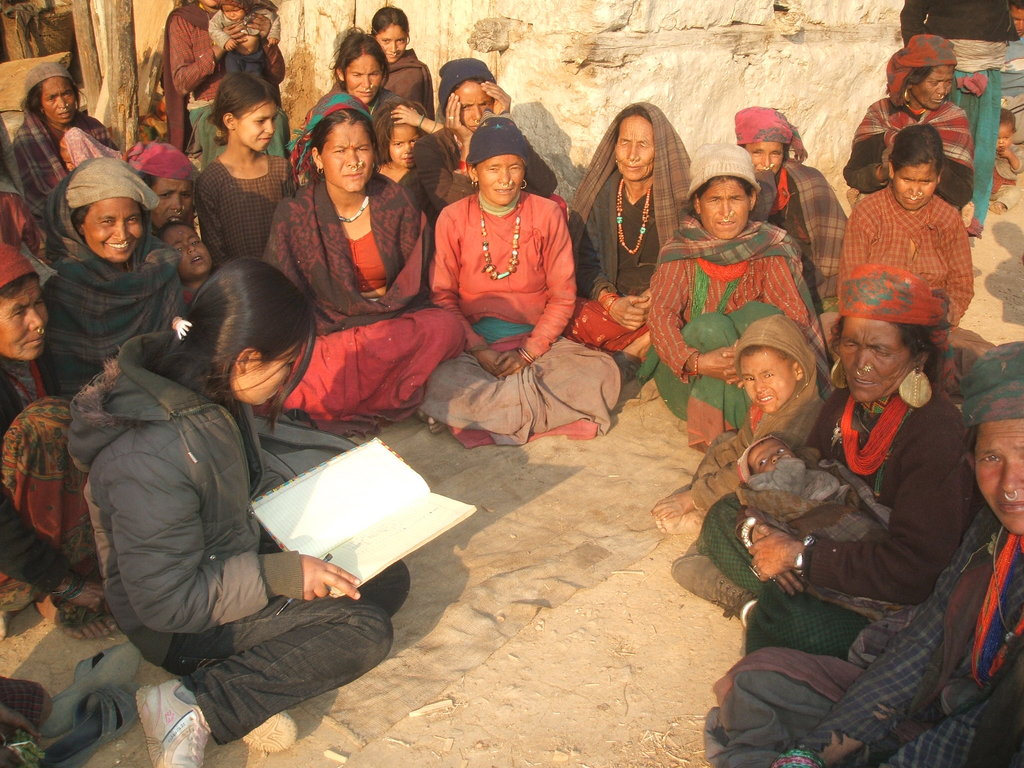
This is one story out of many in 11 PHASE supported clinics from different remote villages of Nepal where, PHASE health staff privide primary health care services, many of them life saming and critical through dedicated staff with updated skill in birth attandance, primacy health care and management of cases with timely referral in case of complications requiring treatment at higher center.
Thank you veruy much for reading this report and your support to PHASE Nepal. Evey support/donation has significant value in providing health care services in remote commununities in Nepal. Thank you once again.
Project reports on GlobalGiving are posted directly to globalgiving.org by Project Leaders as they are completed, generally every 3-4 months. To protect the integrity of these documents, GlobalGiving does not alter them; therefore you may find some language or formatting issues.
If you donate to this project or have donated to this project, you can receive an email when this project posts a report. You can also subscribe for reports without donating.



Support this important cause by creating a personalized fundraising page.
Start a Fundraiser