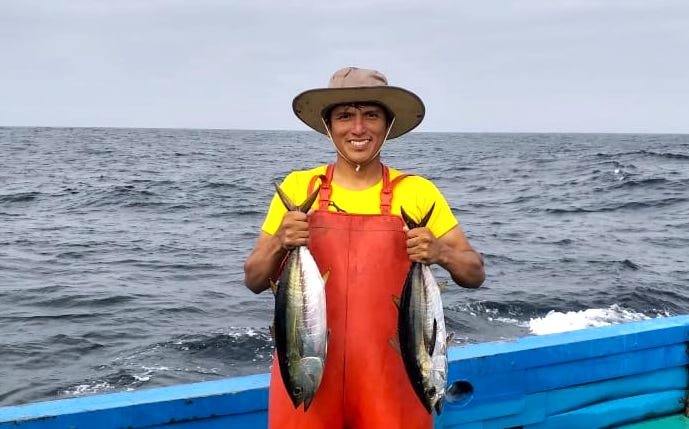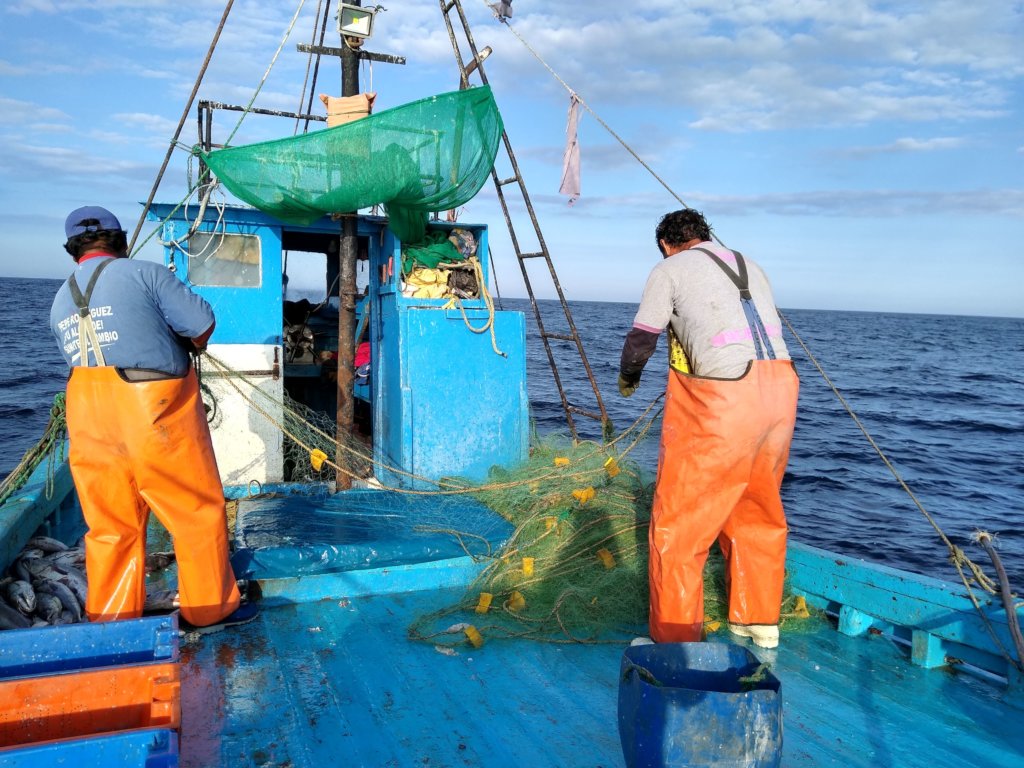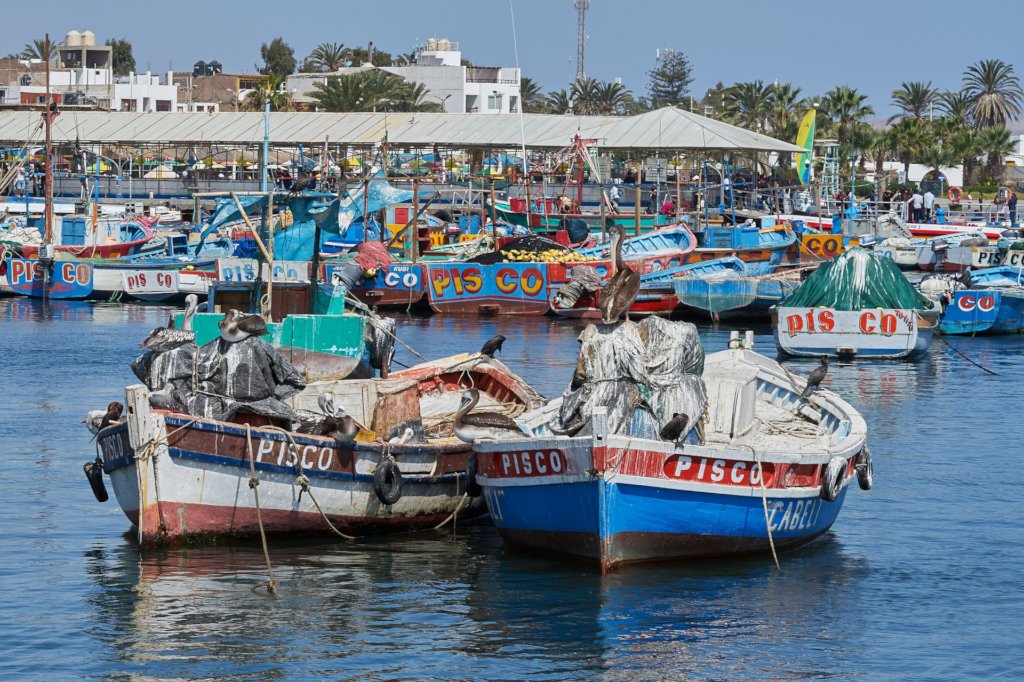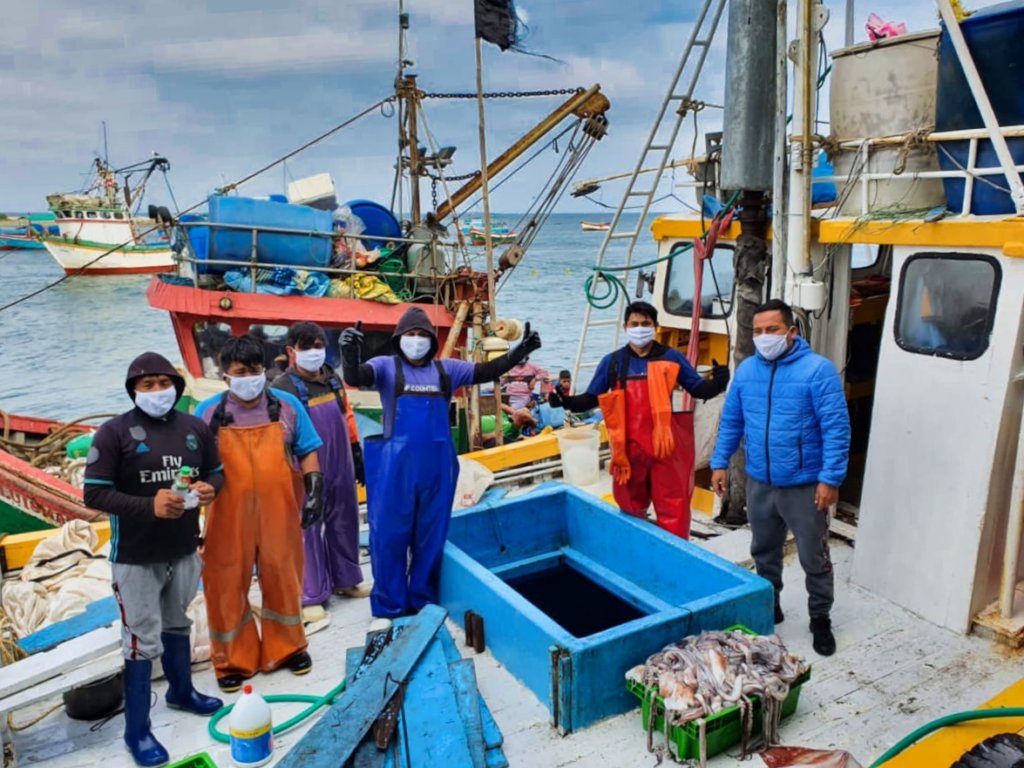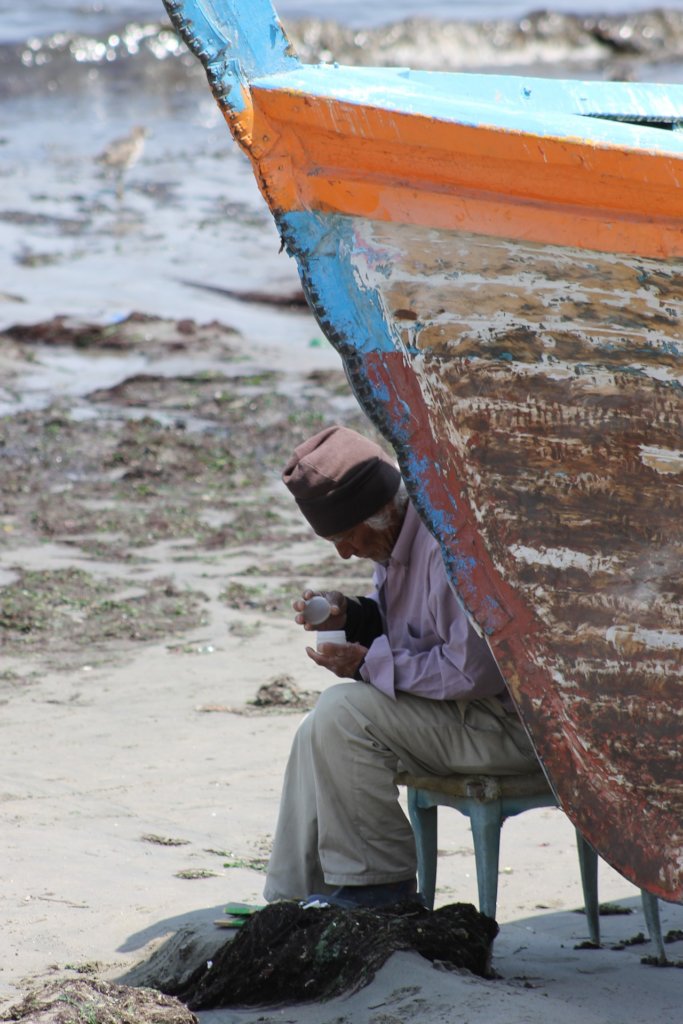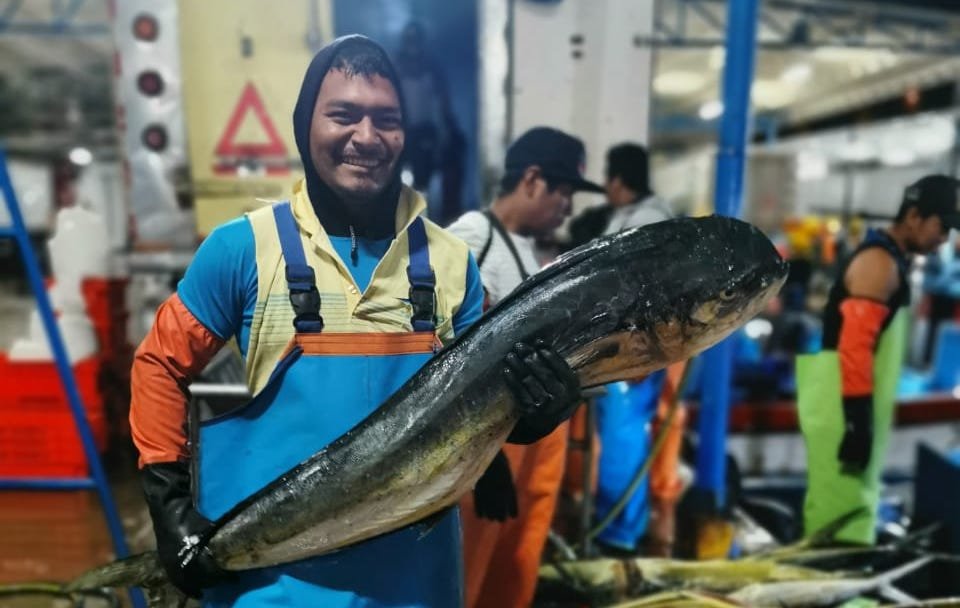
Small scale fishers in Peru have to travel over double the distance than in the past to find their catch, disrupting communities, livelihoods, and threatening food security. The question is: how is this change expected to continue in the future? Future of Fish is working with communities to identify solutions that support sustainable fishing and understanding climate change impacts is key to designing solutions that will build resiliency and help the communities to adapt for years to come.
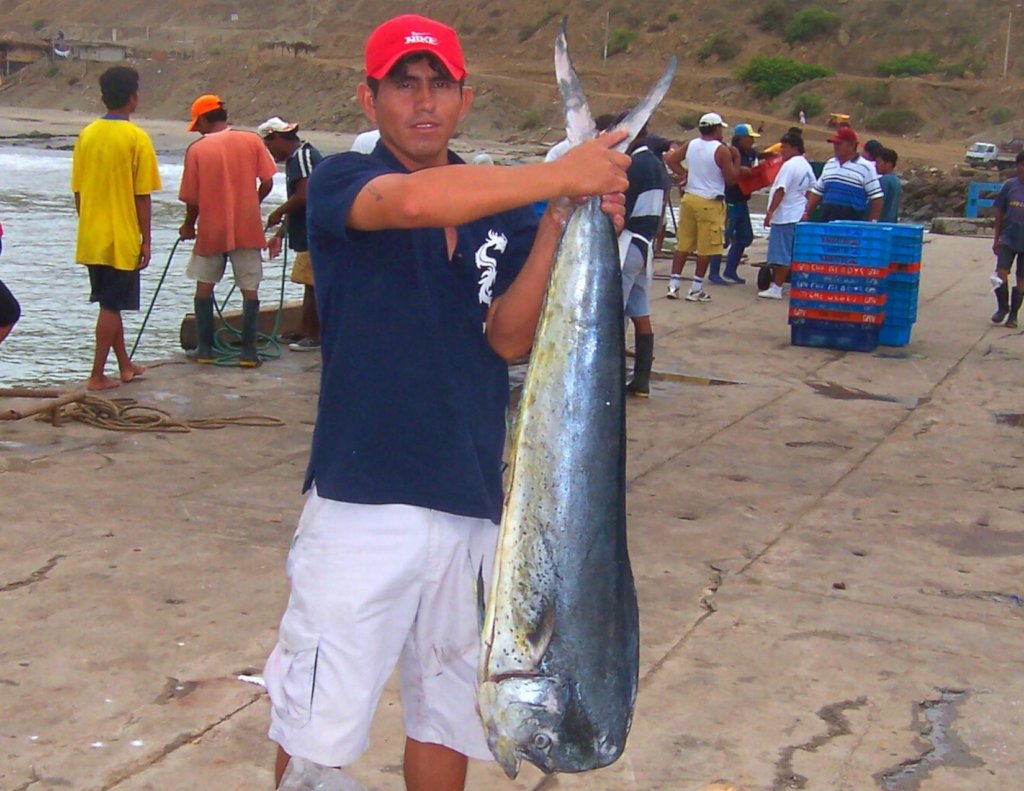
Traditional fishing communities along Peru's coast depend on the mahi mahi fishery for their livelihood; and the world depends on Peru to supply 50% of this healthy fish to global markets. Understanding how climate change is impacting this stock, and what these impacts mean for community welfare and food security is critical. Unfortunately, to date, there is no research specifically looking at the biological and socio-economic impacts of climate change on this important fishery.
Future of Fish will partner with researchers to develop models that can assess changes in mahi-mahi distribution over time and associated socio-economic impacts to the communities based on different climate change scenarios. Using this information, we will then be able to design and implement best-fit innovations to support long-term adaptation of the fleet, securing livelihoods and fish for the future.
The research will provide critical information to inform the design and implementation of solutions that have potential to impact over 4000 mahi mahi fishers that rely on this fishery for their livelihoods. In addition, the models produced can also be adapted to study other critical fisheries in the region, including jumbo flying squid. Livelihoods and food security for thousands of individuals will directly benefit from this program.