By Ruth Soledad Bustamante Mamani | Help us to care of 11 millon trees in Cusco
Dear Donors,
Thank you for your continued generosity and commitment to rural communities in the Peruvian Andes. Your support is helping farming families restore degraded lands, strengthen their livelihoods, and build resilience to climate change.
We firmly believe that the future of our planet depends on the stewardship of smallholder farmers. Through their dedication, knowledge, and hard work, degraded landscapes can be transformed into productive ecosystems that benefit both people and nature.
Your Impact at a Glance
Thanks to your support, the project has achieved the following results:
These achievements are helping restore degraded soils, reduce erosion, improve water retention, increase biodiversity, and create new economic opportunities for rural families.
Progress During the 2025–2026 Forestry Campaign
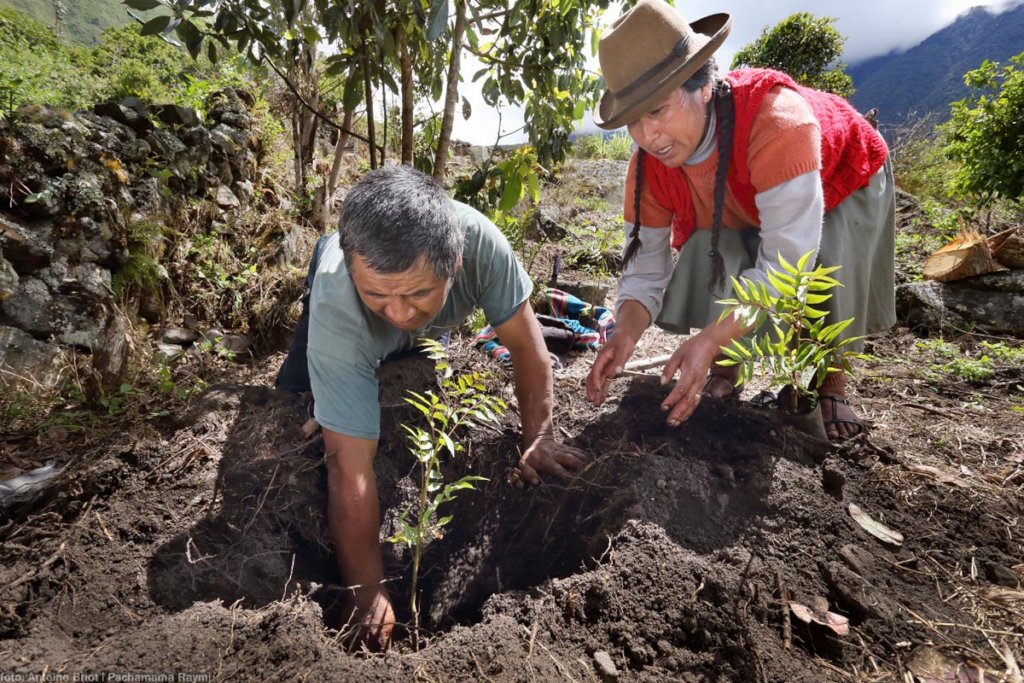
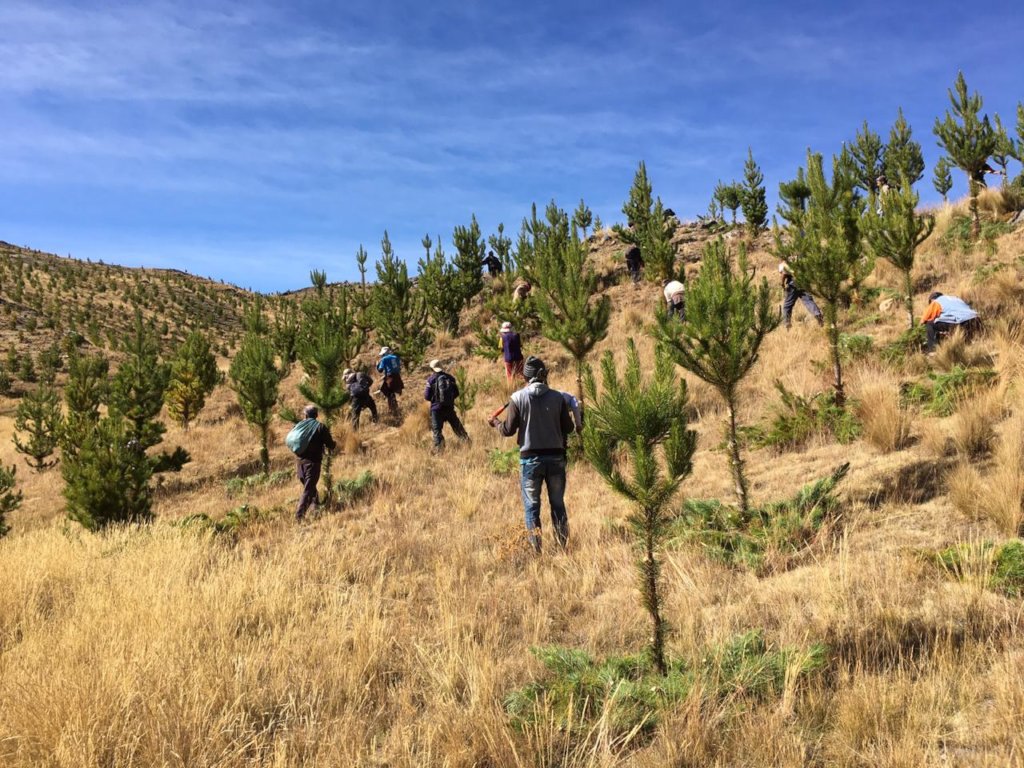
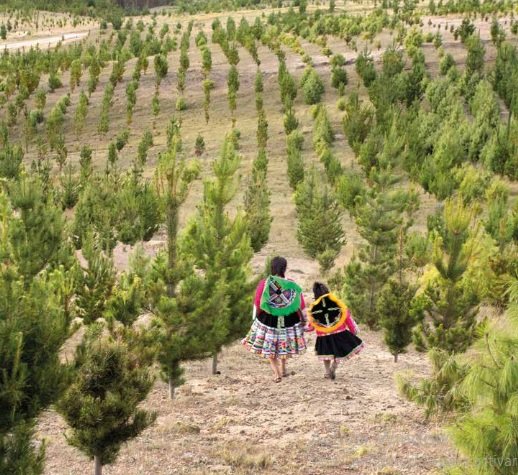
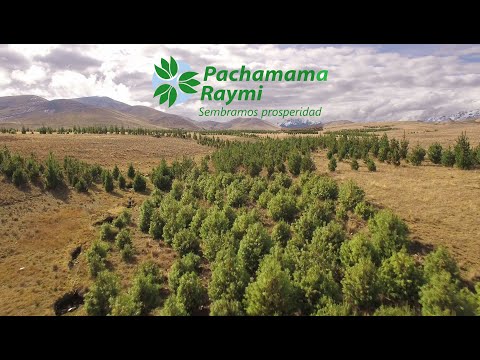
The third forestry campaign was successfully completed in March 2026. During this planting season, participating families planted approximately 1.1 million trees across highland restoration areas in the districts of Accha, Ccapi, Ccapacmarca, Huanoquite, Omacha, and Paccaritambo in the Cusco region of Peru.
Following the planting season, georeferencing activities entered their final stage. These activities will allow us to accurately determine restoration areas, strengthen monitoring systems, support future certification processes, and facilitate the formal registration of forest plantations.
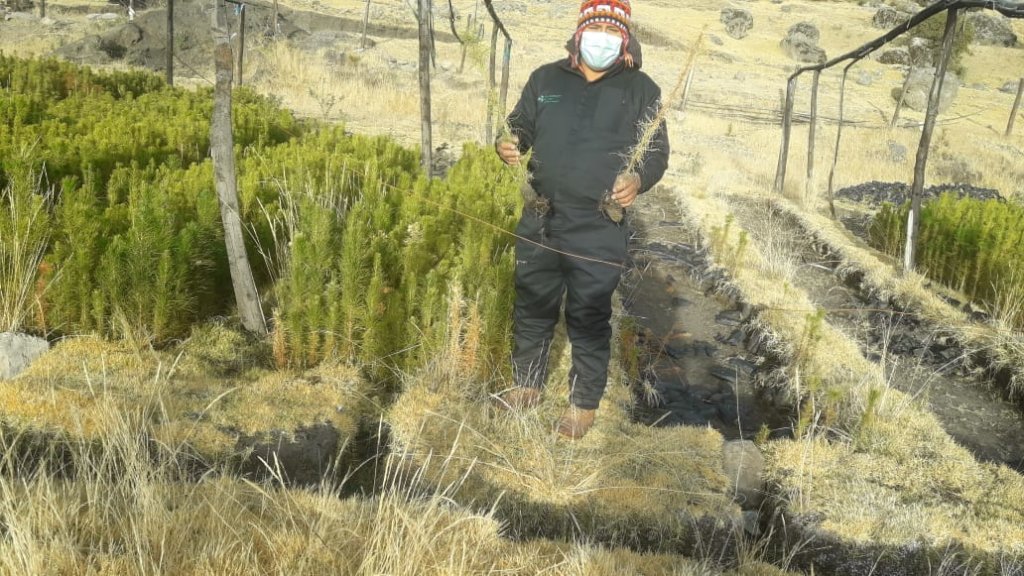
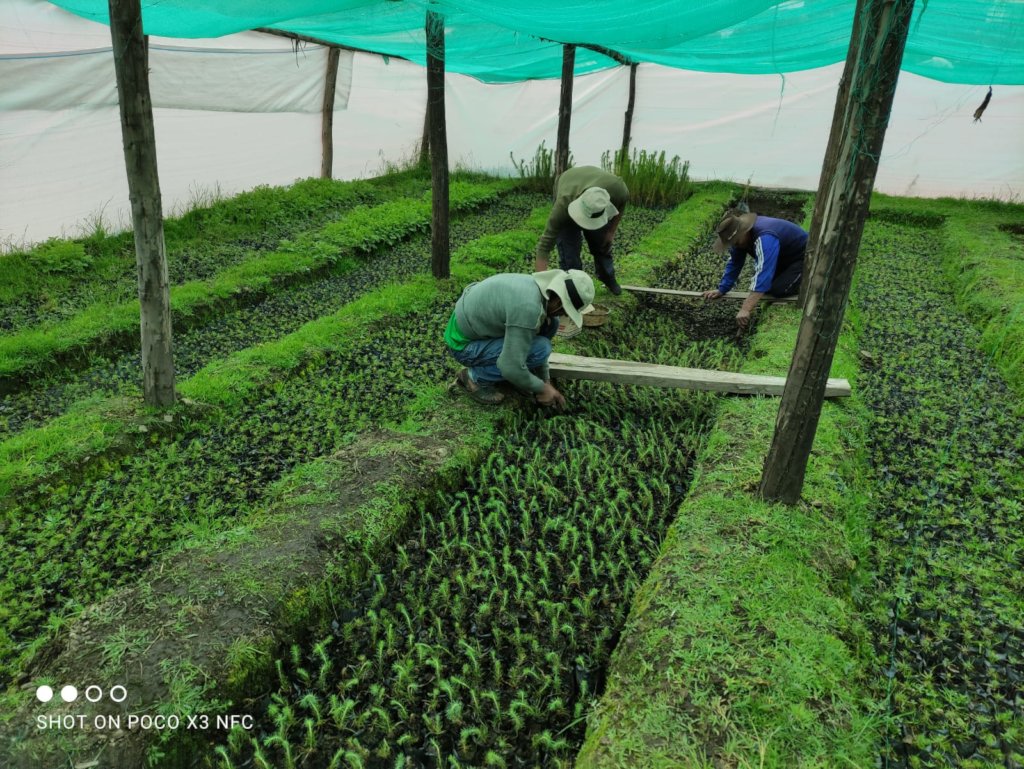
At the same time, preparations for the next forestry campaign are already underway through seedling production and nursery management activities carried out together with local communities.
Communities at the Center of Restoration
The success of this initiative is made possible by the active participation of local families and communities.
Throughout the year, we continued delivering technical training sessions, capacity-building activities, and coordination meetings to strengthen local leadership and ensure the long-term sustainability of restoration efforts.
Community participation remains one of the project's greatest strengths. Local knowledge, collective action, and a strong sense of ownership are essential to maintaining and protecting restored areas for future generations.
Restoration Creating Economic Opportunities
One of the most encouraging developments has been the growing use of forest by-products, particularly pine mushrooms.
Participating families have become increasingly interested in harvesting and marketing pine mushrooms, which provide an additional source of income while encouraging the sustainable management of restored forests.
In the district of Ccapi, communities generated approximately PEN 30,000 (around USD 8,700) from pine mushroom harvesting and sales during the most recent season. To support this activity, model drying units were installed and training was provided on proper harvesting and post-harvest practices.
These results demonstrate that ecosystem restoration can simultaneously generate environmental and economic benefits for rural families.
Challenges and Lessons Learned
As restoration activities expand, we continue learning and improving our practices.
Field assessments and georeferencing activities highlighted the importance of reinforcing compliance with the project's technical planting standards, particularly maintaining the recommended spacing of 4.5 x 4.5 meters between trees and protecting restored areas from livestock grazing.
In addition, the mountainous terrain and steep slopes reduce the effective restoration area available for planting.
Due to the high-altitude conditions in the project area, average tree mortality remains relatively low at approximately 5% per hectare. Among the species planted, Pinus radiata continues to demonstrate the strongest adaptation and growth performance.
To address potential risks, we continue implementing preventive measures against droughts, forest fires, livestock damage, and other threats that could affect plantation survival.
Understanding and Restoring Degraded Ecosystems
Restoring degraded ecosystems requires both scientific understanding and community action.
Our restoration planning process continues to include:
This approach helps ensure that restoration activities respond to local environmental conditions while meeting community needs and priorities.
Looking Ahead
While significant progress has been achieved, much work remains ahead.
Our next priorities include:
A Shared Vision for the Future
The ultimate goal of this project is to reduce rural poverty through environmental restoration, improved well-being, and stronger community resilience.
Restoring degraded lands is not only an environmental necessity—it is an investment in people, livelihoods, and future generations. Every tree planted contributes to healthier ecosystems, stronger communities, and greater opportunities for families living in vulnerable rural areas.
Thank you for making this work possible. Together, we are restoring landscapes, creating opportunities, and building a more sustainable future for the communities of Cusco.
With gratitude,
The Pachamama Raymi Team
Links:
Project reports on GlobalGiving are posted directly to globalgiving.org by Project Leaders as they are completed, generally every 3-4 months. To protect the integrity of these documents, GlobalGiving does not alter them; therefore you may find some language or formatting issues.
If you donate to this project or have donated to this project, you can receive an email when this project posts a report. You can also subscribe for reports without donating.



Support this important cause by creating a personalized fundraising page.
Start a Fundraiser