Project Report
| Jul 10, 2026
Protecting individual's adolescent Sexual Reproductive Health Rights in Rural Uganda
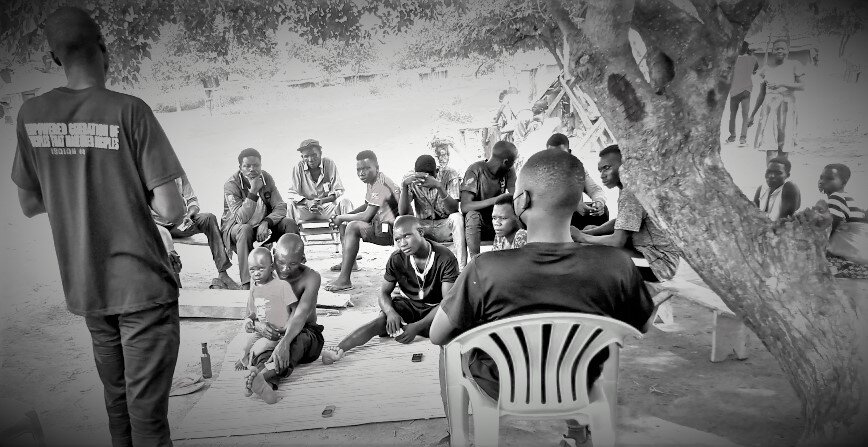
![Young women and men only community dialogue]()
Young women and men only community dialogue
HOPE VINEYARD FOUNDATION UGANDA.
REPORT TITLE: Protecting individual's adolescent Sexual Reproductive Health Rights in Rural Uganda
ZOMBO DISTRICT.
WESTNILE REGION.
QUARTERLY REPORT (13 March 2026-10 July 2026)
Executive Summary.
Top-tier Hope Vineyard Foundation Uganda comprehensive quarterly report on Sexual and Reproductive Health and Rights (SRHR) in Zombo district, West Nile, focusing on adolescent health. The report combines quantitative data on service utilization with qualitative community feedback, highlighting key areas such as contraceptive access, reduction in teenage pregnancies, increased access to safe abortion services, and commodity stock-outs. Notably, the report indicates that
360 adolescents were reached in the current quarter, representing a 45% increase in contraceptive uptake(14-24 years of age) in Abanga, Jangokoro, and Athuma sub-counties, areas previously identified as teenage pregnancy hotspots in Zombo district compared to the 200 adolescents reached in the last quarter(Dec.2026-March.2027), reflected only 25% increase in contraceptive uptake in Jangokoro and Abanga Subcounties. However, the report identifies significant challenges, including frequent stock-outs,policy gaps.inadquate adolescent-friendly services and persistent sociocultural barriers.
Target vs. Actual Achieved.
- Indicator 1: 25% reduction in adolescent pregnancies in hotspot area (Target: 30% reduction).
- Indicator 2: Number of youths (10-24) , accessing modern contraceptives (Target.250 Young Women and Adolescent Girls ,110 Adolescent boys).
- Indicator 3: 30% of facilities with zero stock-outs of essential SRH commodities such as , iron tablets,Emmergency pills, condoms, modern contraceptives).
- Indicator 4: Numbers of adolescent safe spaces created in remote community facilities(Target.5,achieved 2)
- Indicator 5:Number of Village Health Team trained on self-care intervention for health and wellbeing(Target.130,achieved 45).
- Indicator 6:Number of Multisectoral grassroot dialogue meetings held on protecting individuals adolescent sRHR in the remote communities(Target 6.achieved 3)
3. Key Achievements & Highlights
- Service Delivery: Gazetted 3 more adolescent-friendly spaces for the establishment of adolescent-friendly corners at 03 more remote community health centers, trained 45 village health teams (VHTs) on SRHR in 3 subcounties of Athuma,Abanga and Jangokoro.
- Community Engagement: Held 3 dialogue meetings with cultural/religious leaders on reducing child marriage in the [Jangokoro,Athuma and Abanga Subcounty].
- Policy/Advocacy: Participated in Ministry of Health (MOH) and Centre For Health,Human Rights and Development(CEHURD),Sexual Reproductive Health Alliance (SRHA) meetings,including digital sessions to increase learning and advocate for updated National guidelines on selfcare intervention for health and wellbeing,which e impliment remotely in our community.
4. Challenges & Mitigation Strategies
- Supply Chain Fragility: Erratic supply chains trigger frequent stockouts of vital commodities, including condoms, emergency contraception, and menstrual hygiene items.
- Action Taken: Leveraged private sector collaborative partnerships to bridge gaps in emergency contraception, increased VHT advocacy for prompt reordering.
- Challenge: Low male involvement in ANC/FP decisions.
- Action Taken: Launched male-targeted "safe male" campaigns during community dialogues.
- Parental Consent Requirements: Many frameworks legally mandate parental or spousal consent for minors attempting to access basic birth control or counseling.
- Action taken.Codifying Evolving Capacity: Advocated for the adjustment in age-of-consent legal statutes to recognize an adolescent’s growing autonomy to make private medical decisions.
- Restrictive Abortion Laws: Severely limited access to safe, legal abortions pushes adolescents toward dangerous, underground, and unsafe procedures.
- Action Taken.Policy Reform - Advocated for Secure individuals legal rights to abortion and post abortion care & removal of consent barriers to bodily autonomy.
- Deficits in Privacy: The majority of public clinics lack discrete, confidential physical spaces dedicated exclusively to youth consultations and counselling.
- Action taken.Dedicated Adolescent Corners: gazzeted 2 more Youth-Friendly Corners in rural public clinics to Guarantees safe, confidential and youth friendly expert care.
- Social Taboos: Open communication regarding sex, puberty, and contraception is frequently viewed as a cultural or religious taboo.
- Action taken.Sensitizing Key Gatekeepers: Engaged cultural leaders, parents, and religious figures directly to reshape restrictive social norms.
5. Lessons Learned & Recommendations
- Lessons: Peer-led, school-based education is more effective at reaching in-school adolescents than facility-based, static messaging.
- Targeted community engagement can dismantle long-standing myths and transform rigid social norms,turning men who are gatekeepers of "dark myths" from control to positive masculinity.
- Initiatives own by local community, announced by local leaders and held within the community gains a high level of legitimacy that external interventions often lack.
- Recommendations:
- Increase funding for youth-friendly services in rural, hard-to-reach areas.
- Acknowledgement and Integration of masculinity in Adolescent Sexual Reproductive Health and Rights advocacy as a strategy to fight sociocultural norms and barriers.
- Decentralized Dispensing: Partner with local pharmacies and anonymous peer-led health clubs to supply contraception directly where youth gather.
- Harm Reduction Medical Care: Prioritize medical emergency triage and safe post-abortion care in community health centres, regardless of the legal status of the initial pregnancy termination.
6. Way Forward for Next Quarter
- Focus on strengthening and advocating for the supply chain of contraceptives.
- Scale up on youth-friendly corners in 5 new community centers and train more 50 Village Health Team(VHT) for a coordinated and consolidated SRHR service delivery.
- Youth-Led Accountability: Integrate youth representatives onto local health facility management boards to grade care quality using community scorecards.
- Harm Reduction Medical Care: Prioritize medical emergency triage and safe post-abortion care regardless of the legal status of the initial pregnancy termination.
Key Topics Covered in Current Quarterly Reporting:
- Teenage Pregnancy & Reproductive Health: Focus on supporting the girl child to avoid teenage pregnancies and addressing SRHR for adolescent girls.
- Family Planning Access: Tracking the uptake of contraception and reducing stock-outs of supplies, particularly in rural and low-resource settings.
- Advocacy & Legal Frameworks: Monitoring progress in implementing sexuality education frameworks and addressing legal gaps surrounding sexual rights.
- Youth-Centered Approaches: Baseline surveys into social norms and barriers facing 15-24-year-olds regarding SRH services
Success Story of Bithum.
At the age of 15, I navigated the uncharted waters of an unexpected pregnancy, and, driven by fear of parental disappointment and societal judgment, I made the choice to undergo an illegal abortion. Unfortunately, lacking the right knowledge, I resorted to herbal remedies and excessive tea consumption based on a peer's advice, which nearly turned my world upside down with severe health issues, including a month-long battle with hemorrhage and sepsis.
The weight of societal stigma surrounding premarital pregnancy significantly limited my access to the medical care I desperately needed. Yet, it was participating in a community discussion on adolescent sexual reproductive health that became my beacon of hope.
The accurate information and support I received empowered me to seek medical attention at a designated community health center, where I received life-saving treatment. Thanks to the unwavering support from Hope Vineyard Foundation Uganda, I did not only overcome sepsis but also rediscovered my health and well-being and dignity as a young adolescent girl.
![Share on Twitter]()
![Share on Facebook]()