By ATABA JUDE FONSAH | Project Leader
FORWARD
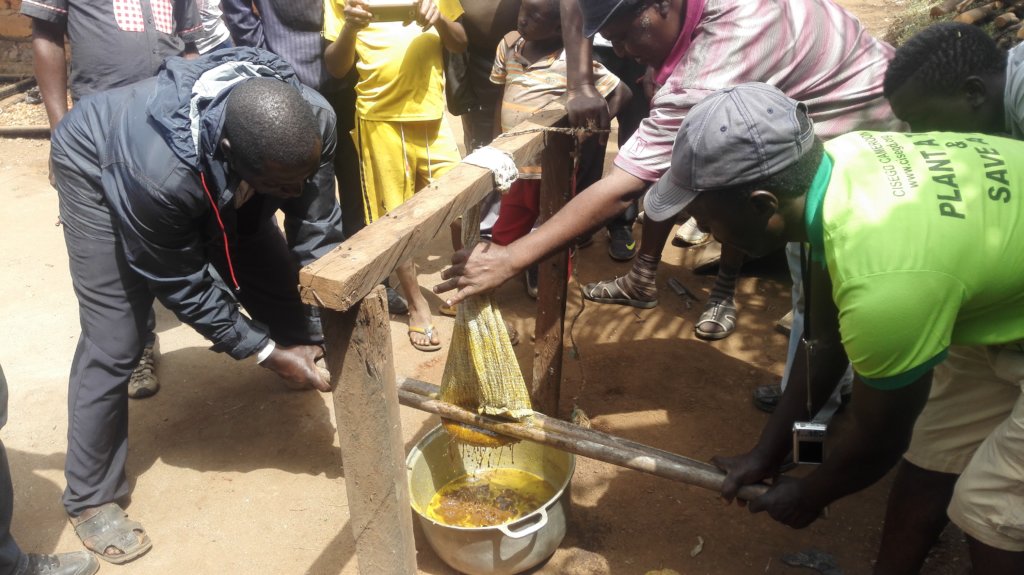
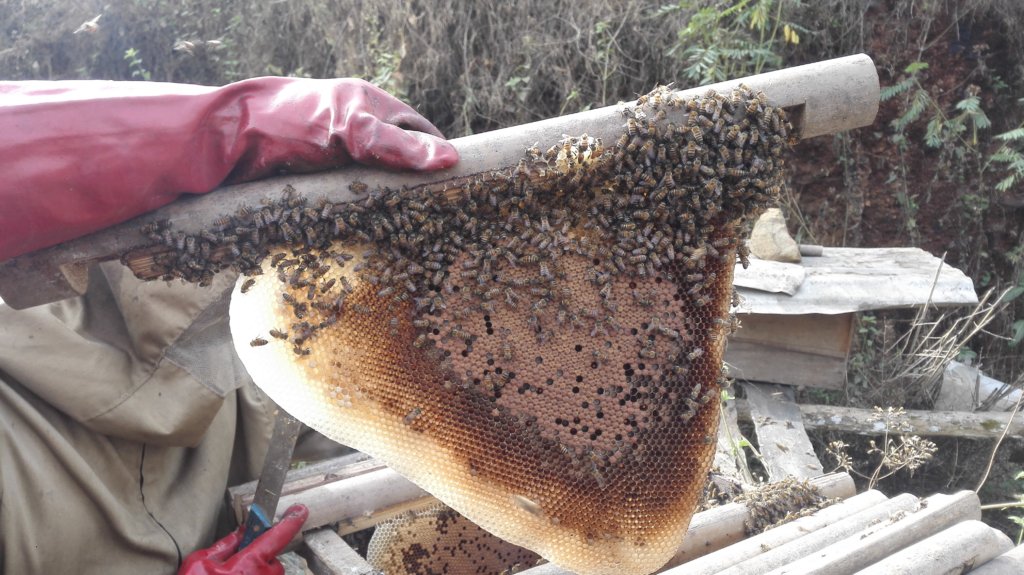
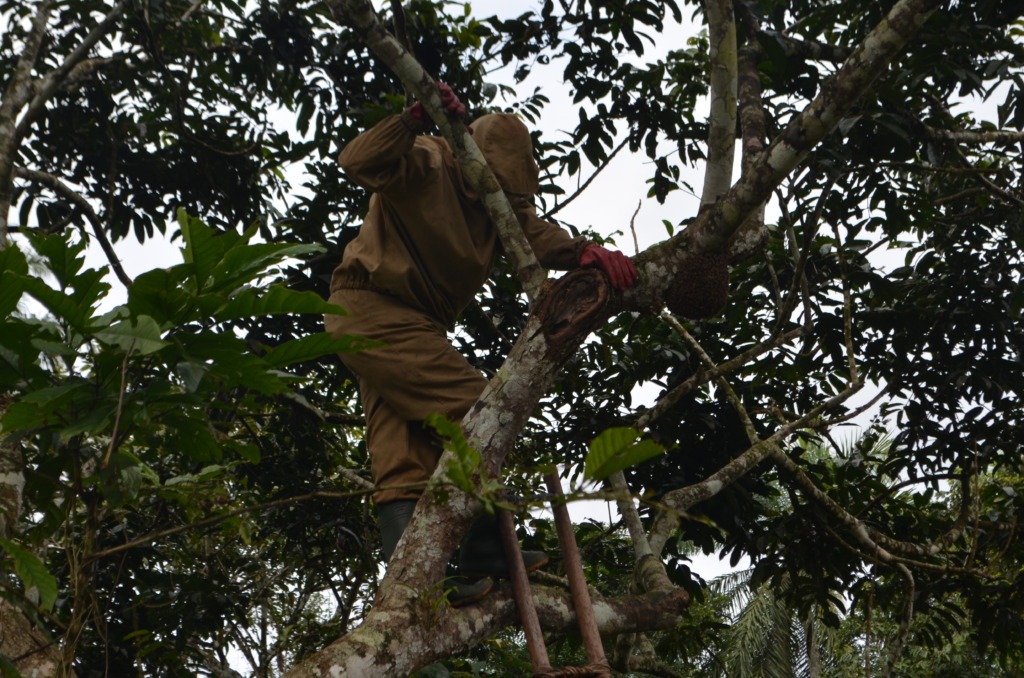
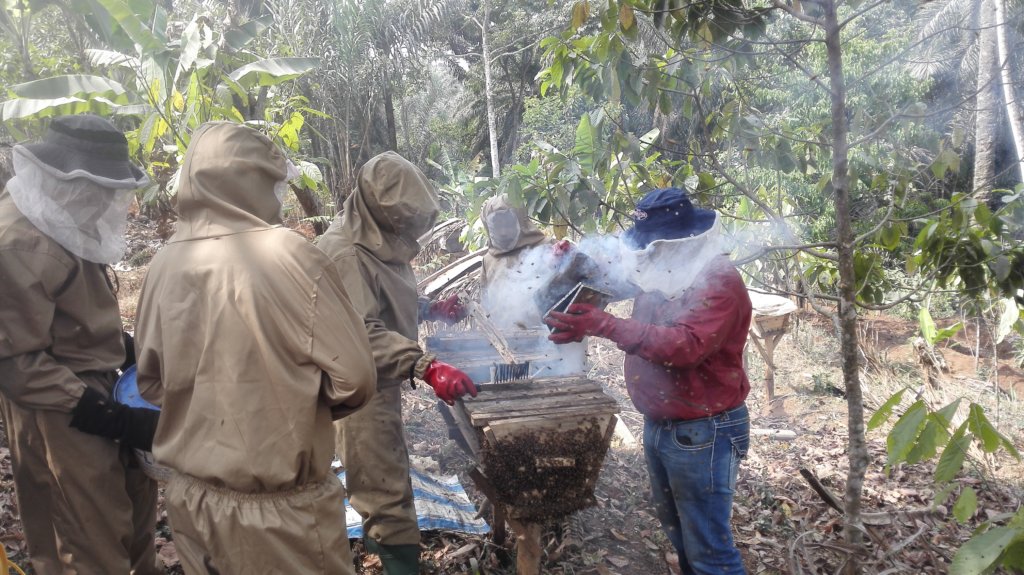
Honeybees are an integral part of the human food chain as pollinators of crops. As pollinators they also have an essential role in maintaining biodiversity and the mountain environment. Beekeeping has contributed to rural development through the centuries by supporting agricultural production and providing honey, wax, and other products for home use and sale. Beekeeping has a special significance for farmers in Batibo Sub Division , Momo Division of the North west region Of Cameroon. It offers a way for those with few resources – especially poor and landless farmers and women – to obtain income, as it requires only a small start-up investment, can be carried out in a small space close to the home, and generally yields profits within a year of operation. Farmers have kept bees in local hives for centuries for personal use, but beekeeping is now becoming more popular as an income generating activity. To take full advantage of bees, farmers need to take a modern approach to bee management using frame hives and focusing on production of quality colonies and quality honey. For this they need up-to-date training. The three days training workshop covers the full range of basic topics related to beekeeping development, including the importance of beekeeping in modern agriculture and the use of bees for crop pollination; production of honey, wax and other hive products; honey quality standards; and using value chain and market management to increase the benefits to beekeepers. The focus was on participatory hands-on training, with issues explained in simple/local language and many illustrations. We are confident that this training will be a source of support to the Moghamo Bee Farmers Cooperative (MBFC), and will help poor farmers,youths, women and men, to develop a sustainable livelihood from bees and beekeeping, while contributing to the protection of this valuable social insert and maintenance of a healthy environment.
SITUATION REPORT
Sustainable bee farming is completely a new concept in Batibo Sub Division , Momo Division of the North West Region of Cameroon. Consequently, no training programme exists and therefore the training of bee farmers and field technicians has been piece meal.
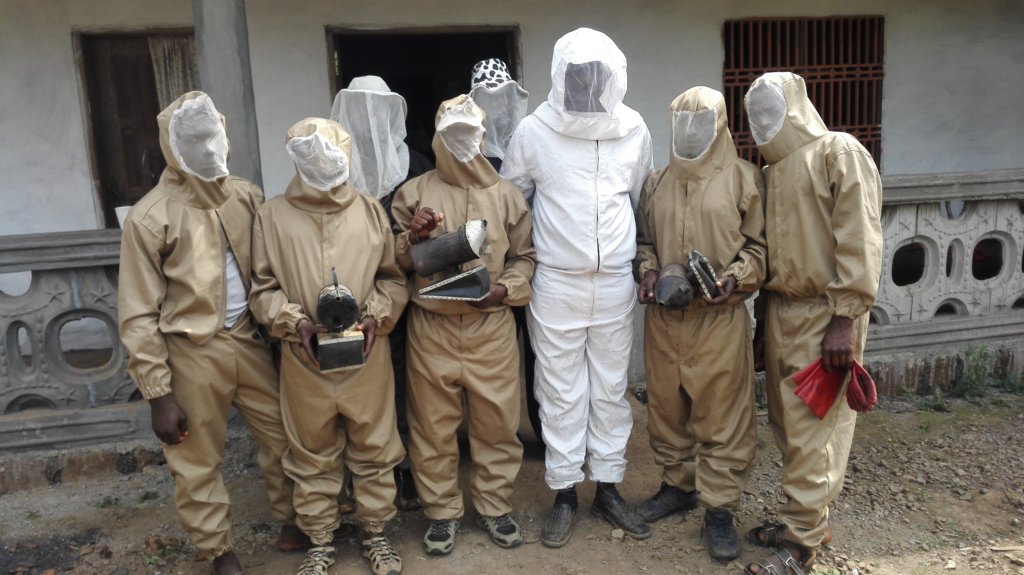
It is for this reason that CISEGD Cameroon organized a training workshop with donations through the Globalgiven platform to train members of the newly created Moghamo Bee Farmers Cooperative as trainers who will intern train other members of the community on sustainable beekeeping.
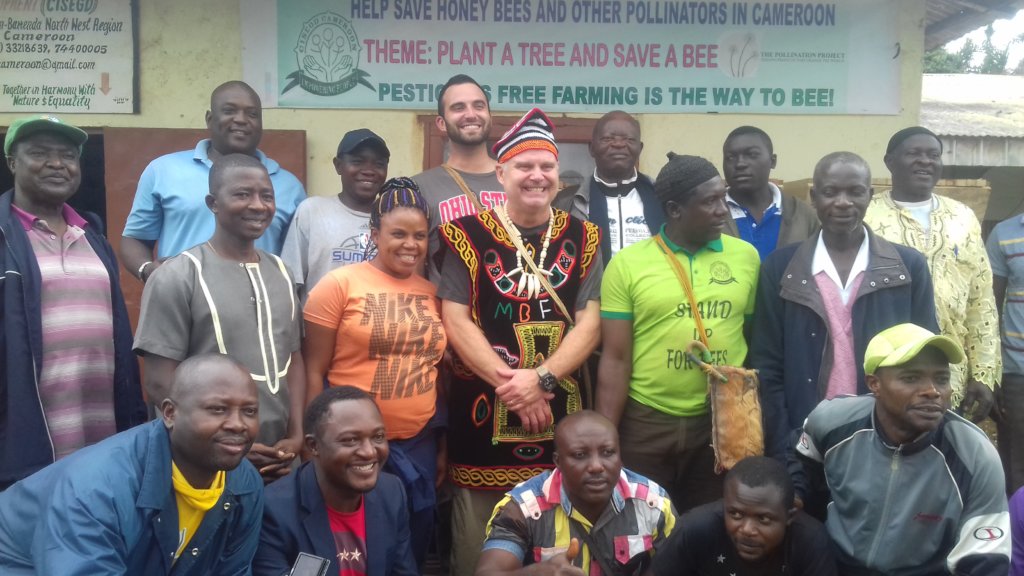
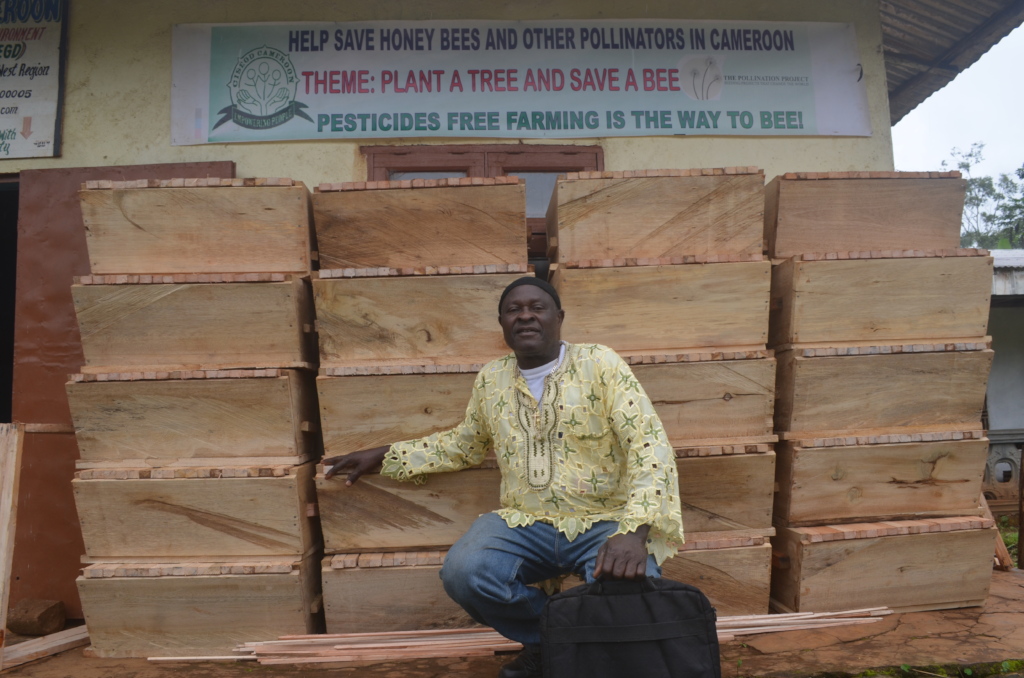
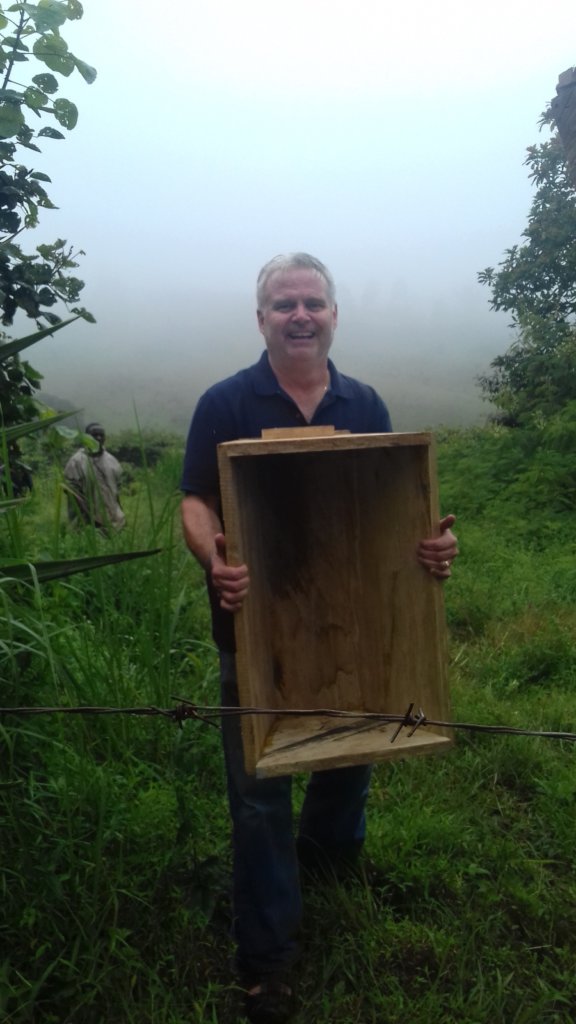
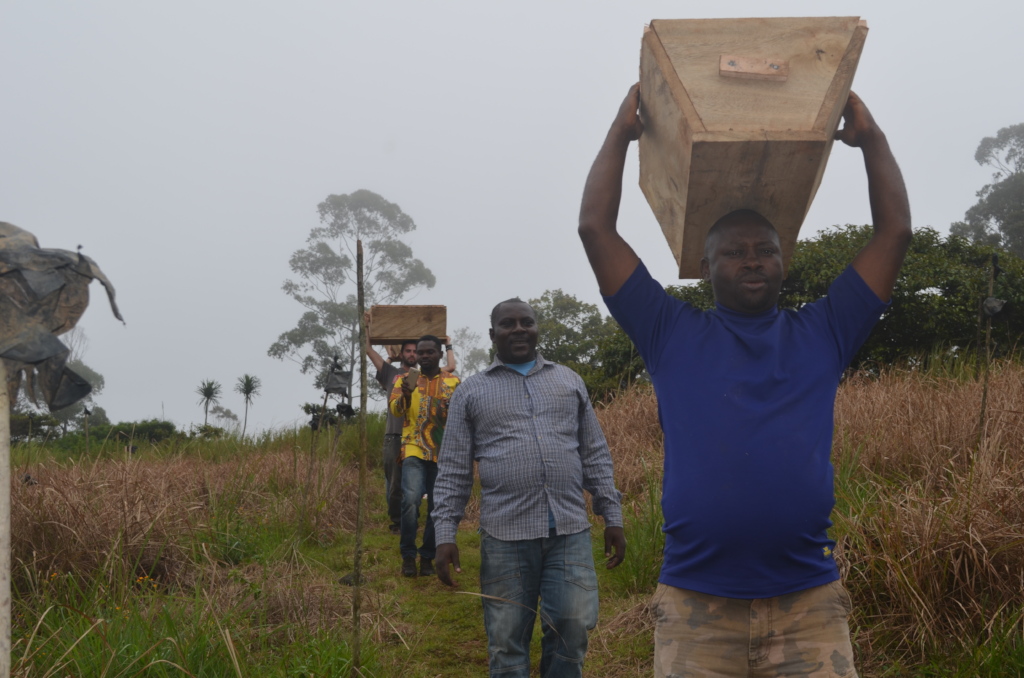
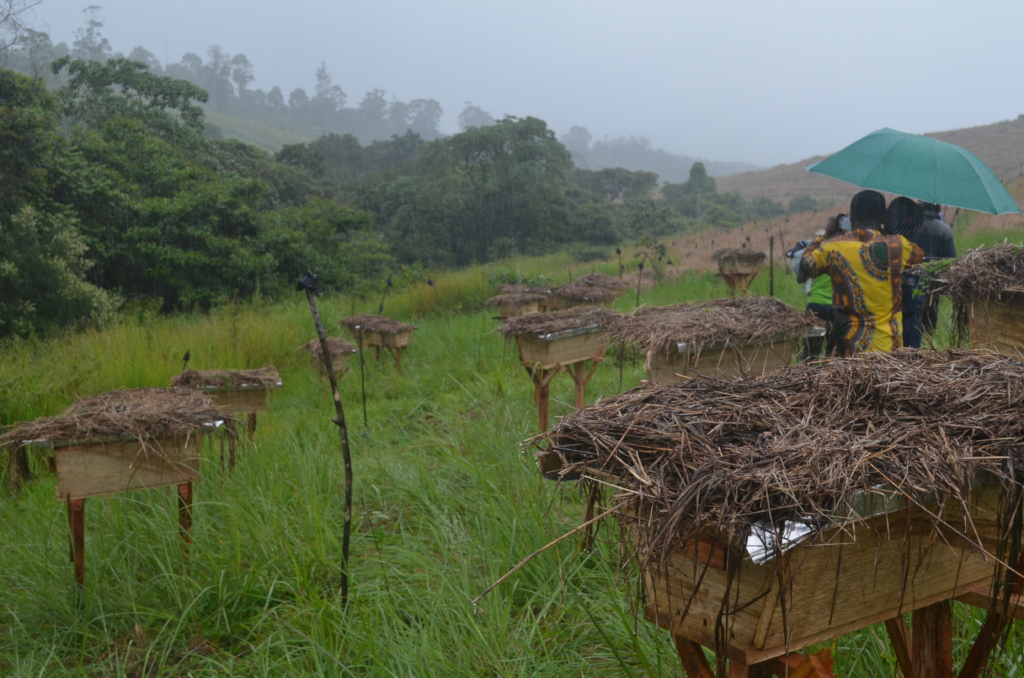
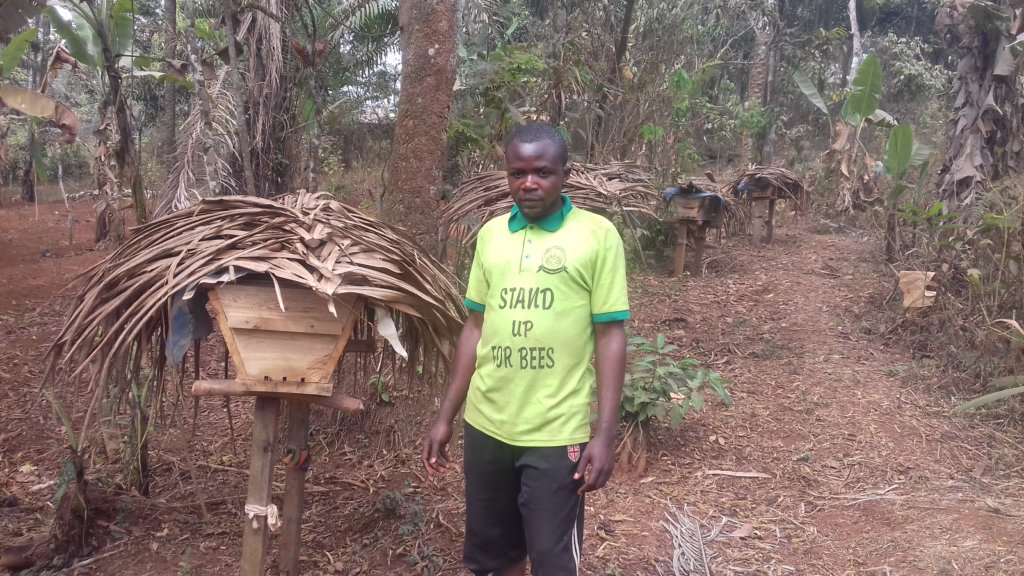
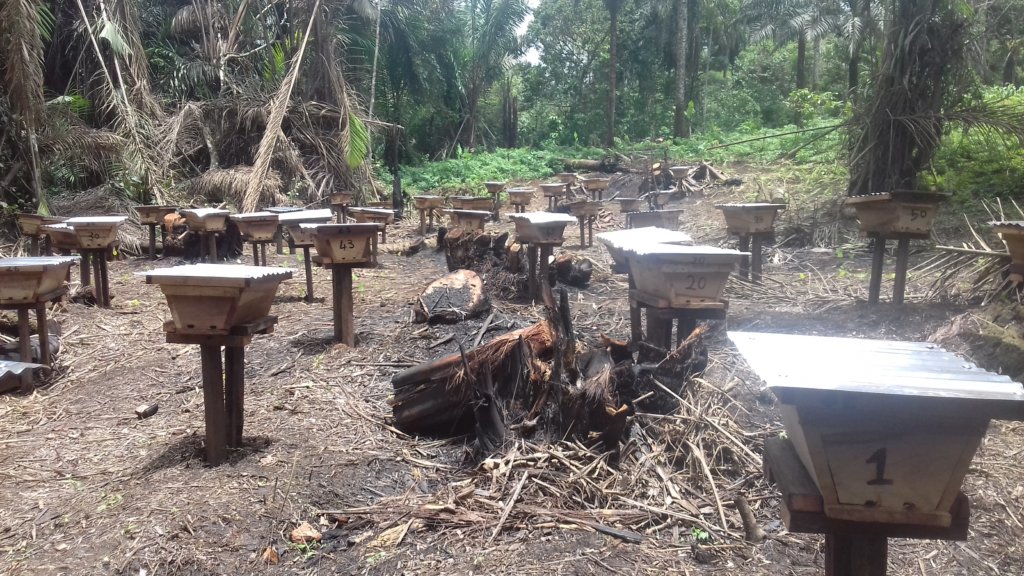
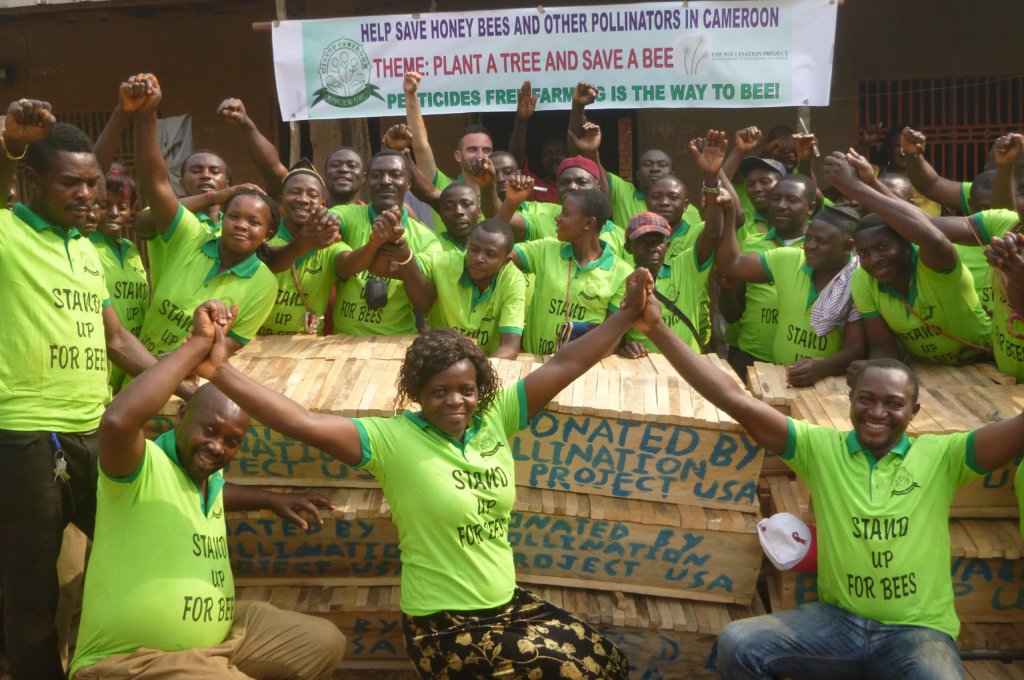
30 participants were trained for 3 days and a guide provided to them that contains material for trainees who will become field trainers. 20 bee hives were constructed and installed at the Guzang watershed. 500 trees of prunus African and callaindra tree species planted to protect the watershed for biodiversity conservation and livelihood improvement. Certificates of participation were also handed to the participants at the end of the training. We were previllaged and honored to have one of our Globalgiving donor from USA (MR JEFF POTTS) who was in Cameroon for a brief visit but created chance to visit the project and participated in the training for 2 days, His presence,participation and words of encouragement inspired members of the Cooperative and the community.
We are happy that the training was completed successful thanks to all donors who made individual donations to the project through the Globalgiving platform. We very thankful to Mr Sean potts ( American Peace Corps Volunteer) for Guzang Village who has been verey intrumental to this project from day one; We would not have achieve this much without you. We are also grateful to technicians from ANCO and CISEGD who co-facilitated in the training workshop and produced a document that will be used by trainers in the field.It is our hope that the training will assist members of the Moghamo Beee Farmers Cooperative to accomplish their mission much more efficiently.
CONCLUSSION AND OUTPUT
Overall, the workshop was very well received by all participants. This became clear through observations of the group dynamic during the training as well as in several individual conversations with the beekeepers. Also, the evaluation at the end of the workshop showed it to have been especially motivating for the youths to build up their honey production and invest more time into the well-being of their bees and to re-invest into equipment.
The men of adult age were inspired to also explore other potential sources of income that they did not know about before, such as the potential of beeswax marketing. Furthermore, the consumption of honey with health benefits that the community had not been aware of - presents an excellent nutrition substitution for children and elders and can contribute to the resilience and prevention of sicknesses and malnutrition of the villagers.
Almost all participants stated that most information given and hands-on practice in the field was new to them and provided them with a technical basis desperately needed to maintain and expand their bee colonies in order to make a profitable business out of them in the future. This beekeeping training marks an important step towards the development of environmentally friendly livelihoods which empower youths and adult men to contribute to a sustainable future for their community and the protection of honey bees in Batibo Cameroon. It was noted that the Guzang community watershed is a hotspot for bees as 18 out of the 20 hives installed got colonize in just a week. It is a sign that bees are desperate for homes and the hive is one of such home that will protect them.The Moghamo Bee Cooperative have developed an apiary in this watershed and planted 500 trees to contribute in the protection of the watershed while safeguarding this endangered unique bee species ,maintain biodiversity and improve livelihood.
Recommendations for future steps include further workshops to build up further beekeeping and marketing/business skills, especially in the area of hygienic packaging and re-investing into beekeeping.
Links:
By ATABA JUDE FONSAH | Project Leader
By Atahba Jude Fonsah | Project Leader
Project reports on GlobalGiving are posted directly to globalgiving.org by Project Leaders as they are completed, generally every 3-4 months. To protect the integrity of these documents, GlobalGiving does not alter them; therefore you may find some language or formatting issues.
If you donate to this project or have donated to this project, you can receive an email when this project posts a report. You can also subscribe for reports without donating.