By Constance Cluset | Responsible of Kalaweit France
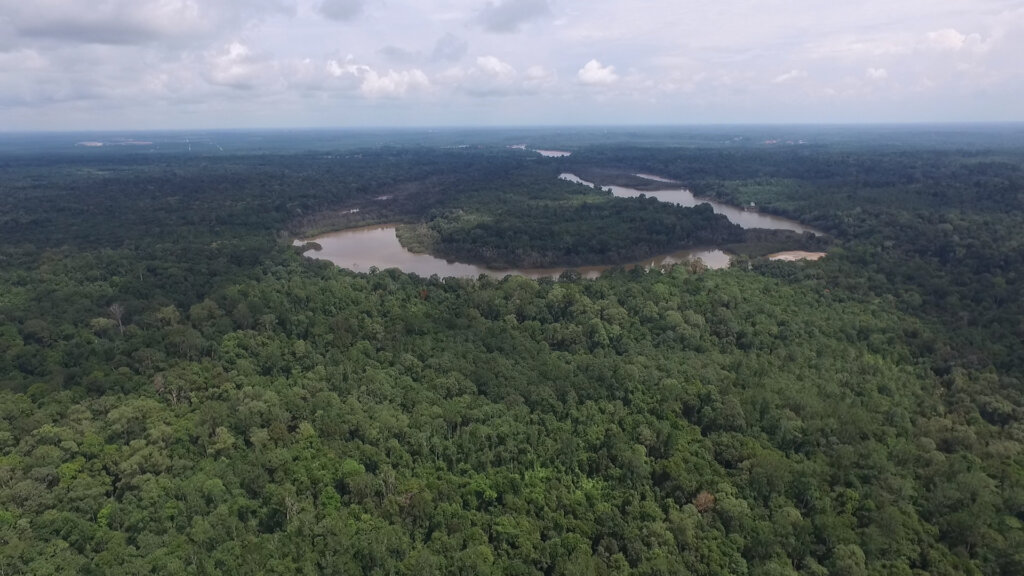
The project was to expand the area of the Dulan Reserve, located in Borneo, Indonesia, in collaboration with the local populations living around it. There is a lake at the center of the reserve and the villagers also live from fishing in this lake.
The massive production of palm oil causes deforestation that threatens the habitat of wildlife and deteriorates the living conditions of local populations. If the forest is degraded or destroyed, the living conditions of the local population will be severely deteriorated.
This forest pocket is covered in the north and south by mining (coal) farms and in the east and west by palm oil farms. Together with many partners we have secured more than 3 000 hectares (managed by our Indonesian reserve association: ANUA).
Following a meeting with the southern village (Buntok Baru), we have had the opportunity to expand the reserve by at least 700 hectares because the villagers chose to work with Kalaweit rather than converting the forest into palm plantation through a cooperative. However, in order for this to happen, we needed to act quickly and raise funds to initiate transactions. It should be noted that a crude palm oil production plant was under construction in the area, which could encourage villagers to convert their plots.
To the north it is an area coveted by a coal company and if we have managed to get it back so far, to definitively close the possibility of a mine in this area, we needed to secure the land as soon as possible. The good news is that we have made it.
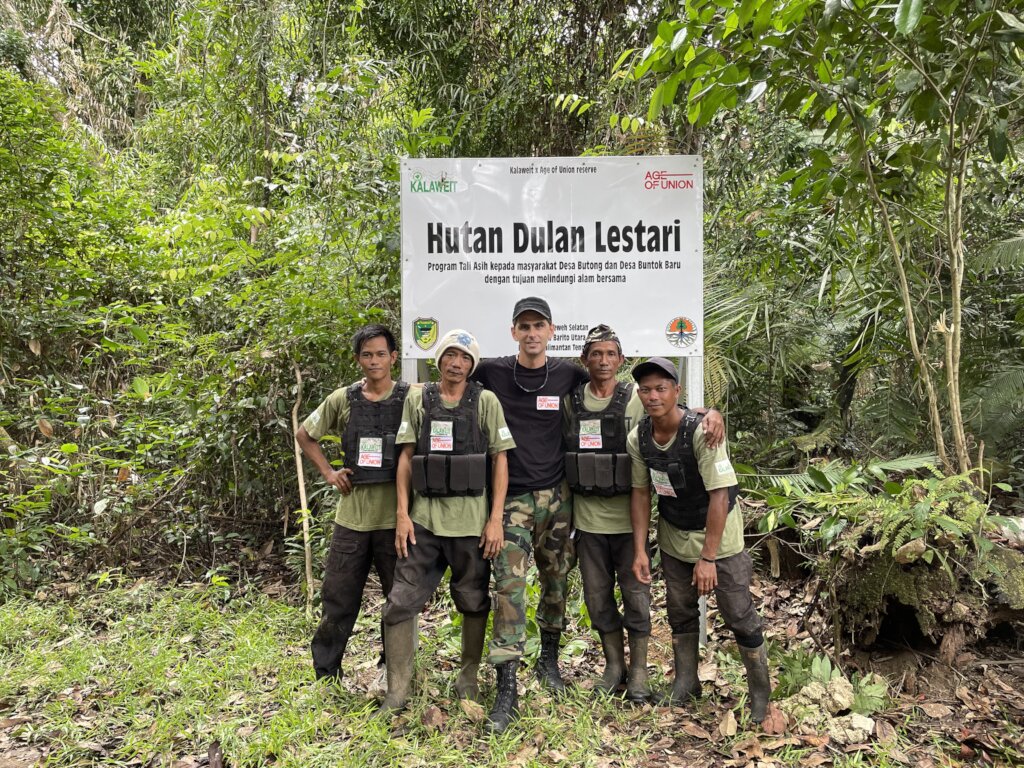
Kalaweit provides jobs by hiring forest guards locally. It also contributes to the local economy by supplying food and equipment for the team, or equipment for building guards, etc.
But the pressure on palm oil producers is heavy, and some families sell their land to palm-oil companies. They can no longer profit from the forest and lose all rights to their land. By selling their land in Kalaweit, they continue to profit from the land (gathering of fruit, hevea saw, fruits, bamboo shoots...).
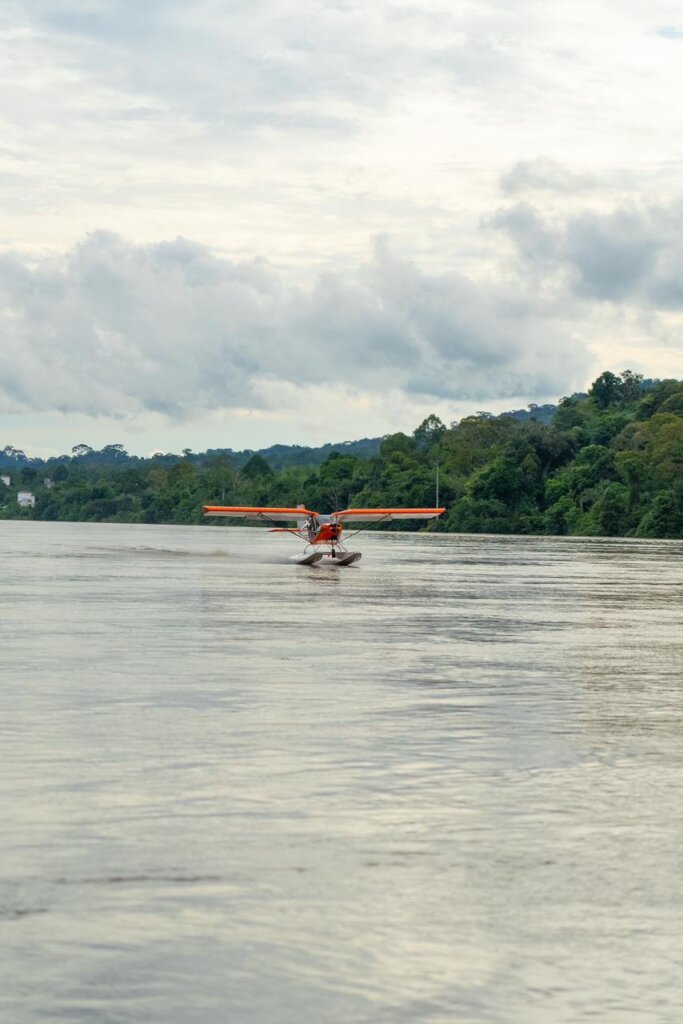
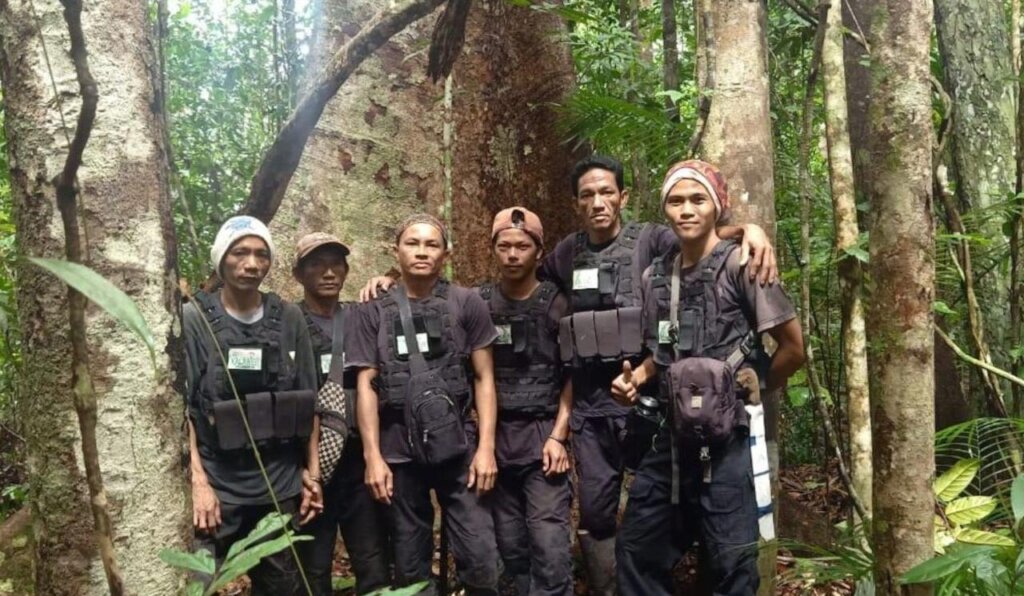
Our patrol team consists of people for ground patrols and for air patrols (seaplane). Fire-fighting infrastructures have been built to anticipate long dry seasons and fires in the forest's only hazardous area. The reserve enjoys strong support from local communities, and the lands purchased by Kalaweit have been returned to the villagers as communal forests. Kalaweit continues to manage and protect them.
These hectares will be protected from deforestation and protected by Kalaweit teams, including guards hired from the surrounding villages.
The lake located in the middle of the Dulan reserve in Borneo, will see any risk of pollution eliminated and villagers will be able, for example, to continue to practice their fishing activities, to collect rottan, hevea, to harvest fruits. In the case of deforestation to plant palm trees, soil and rivers are so polluted that some families are forced to live elsewhere. Preserving this forest is essential for the quality of soil and river and for wildlife.
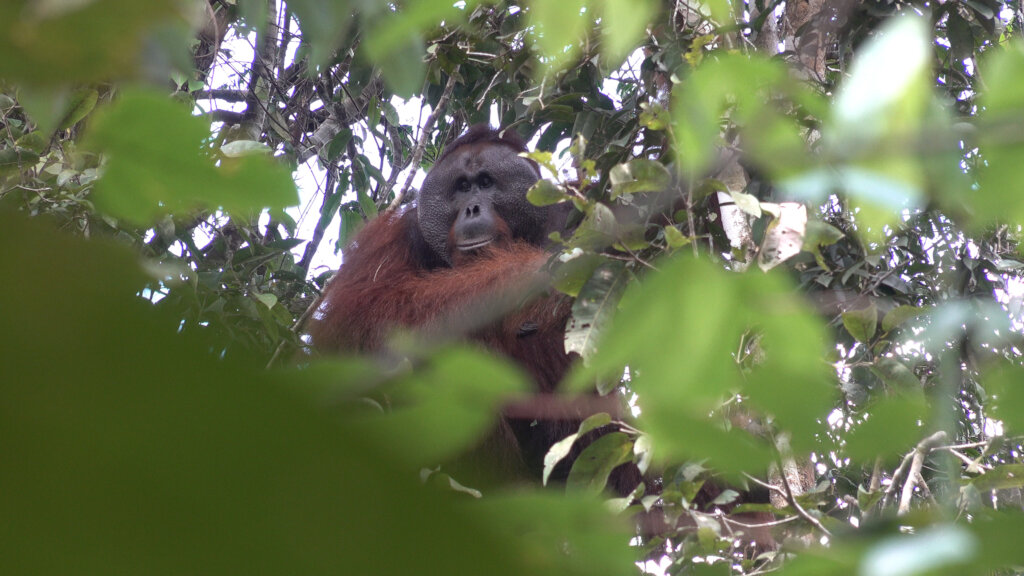
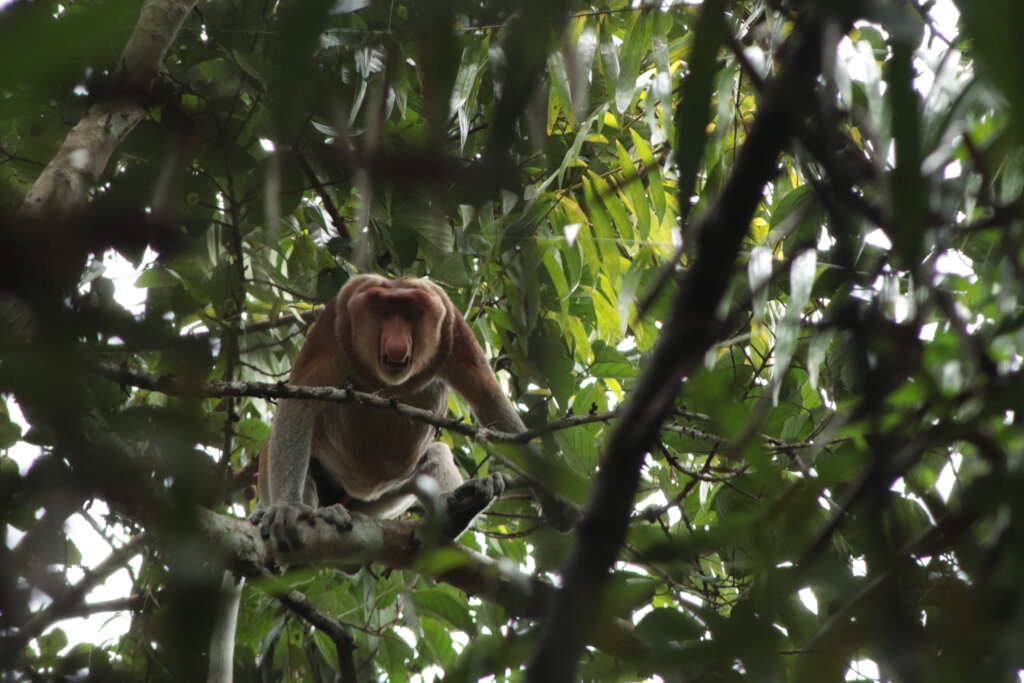
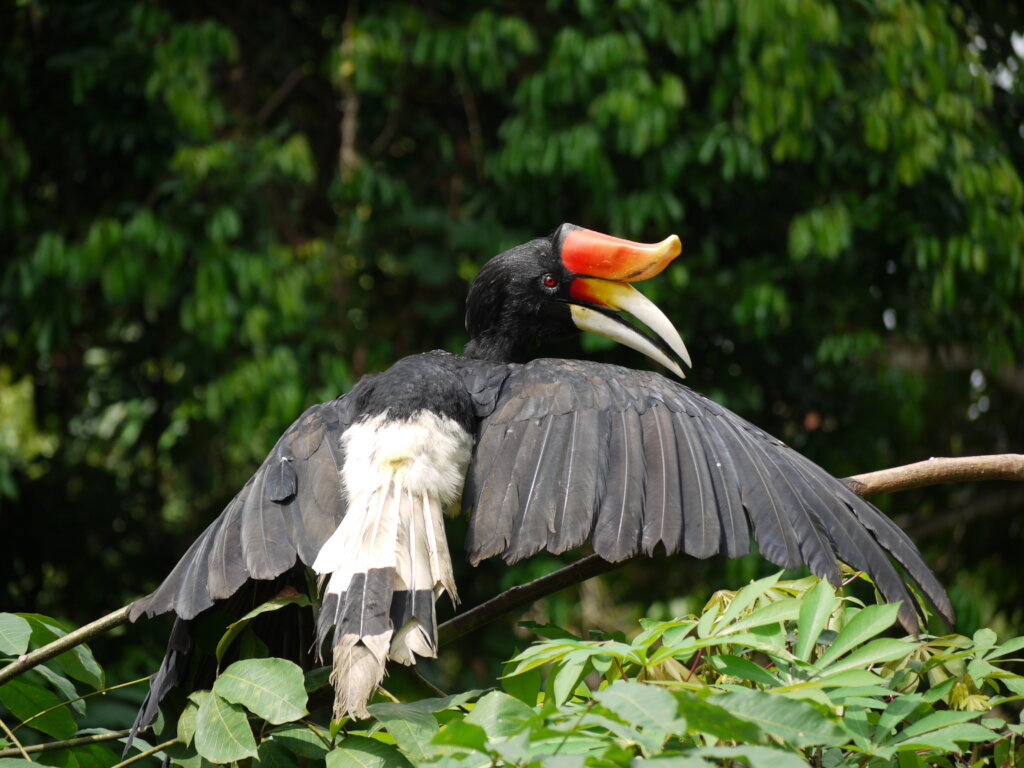
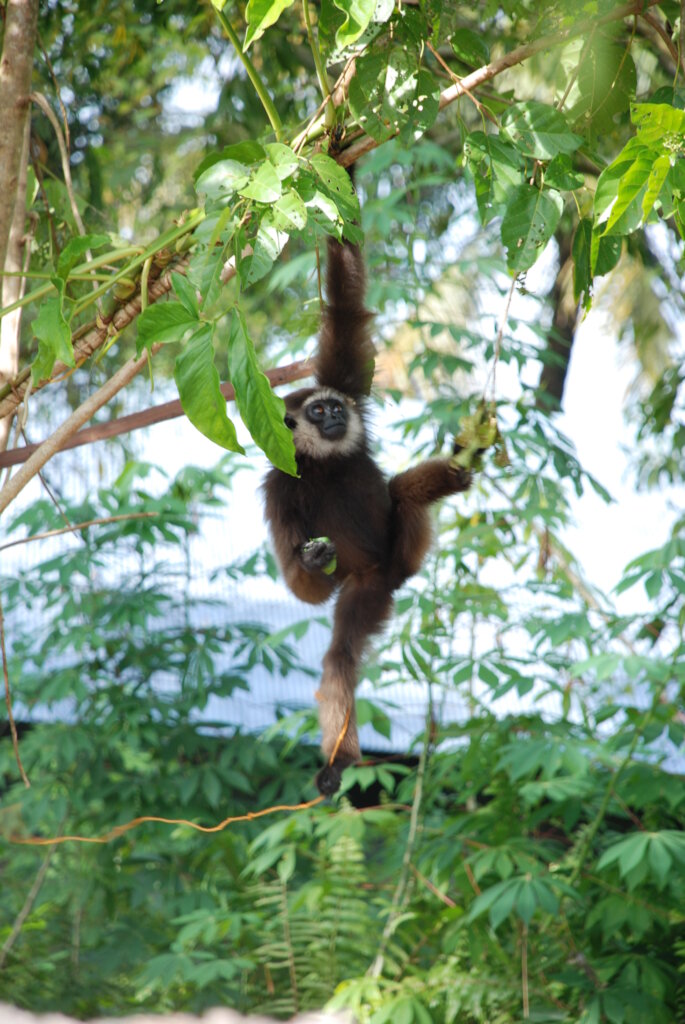
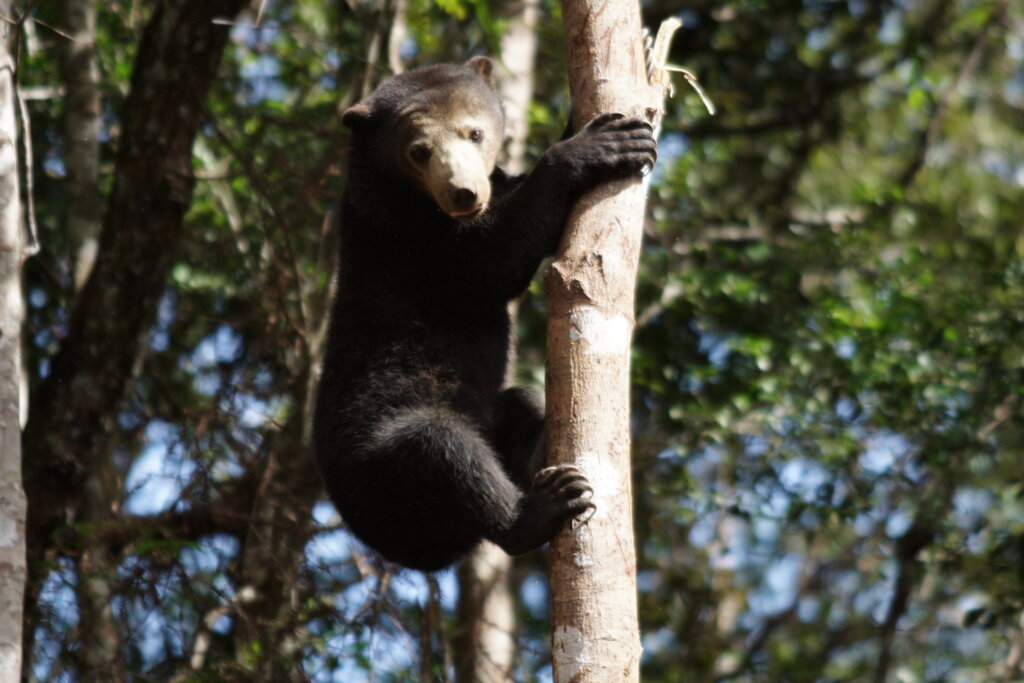
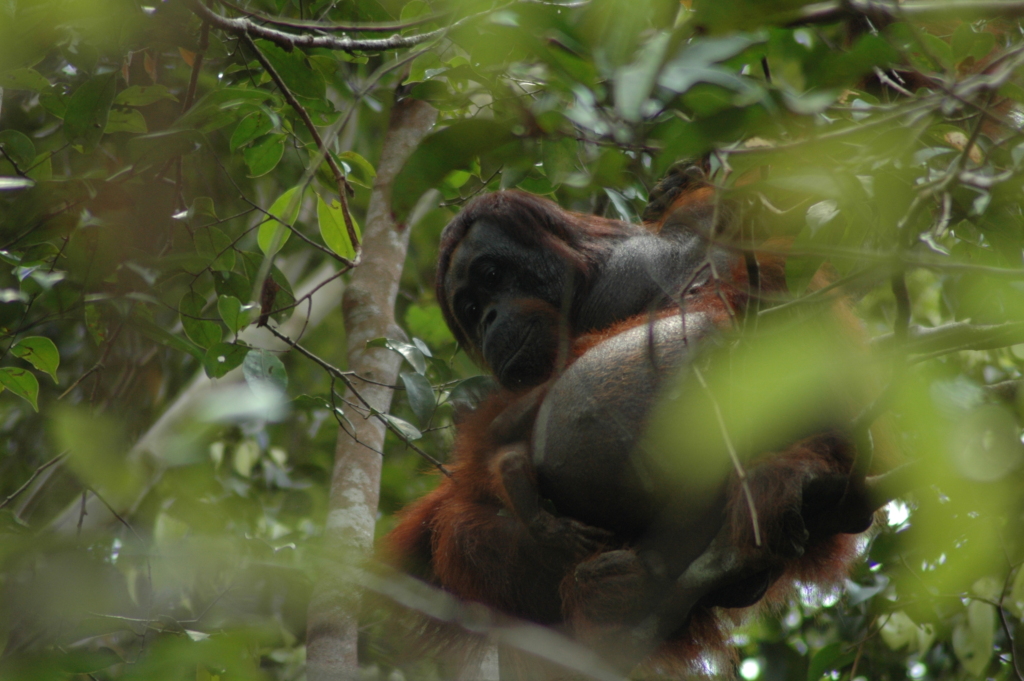
The many animal species present in these reserves, including the orangutans and the proboscis monkeys, a monkey endemic to the island of Borneo, of which there are only 1,000 to 2,000 remaining individuals, will be protected.
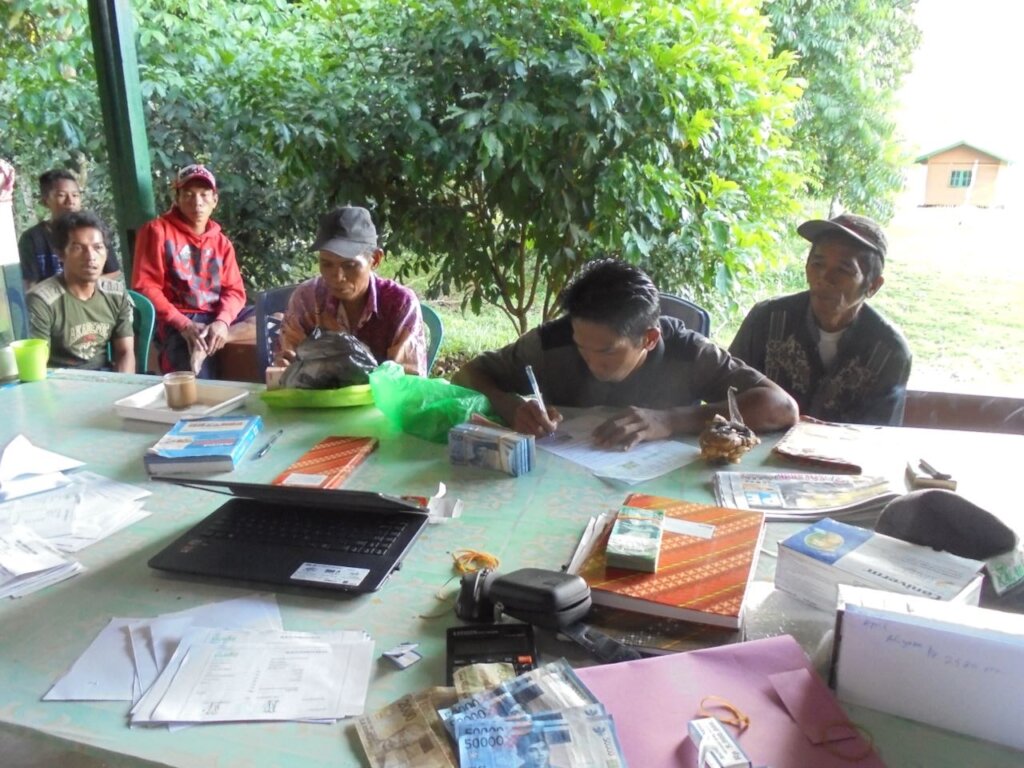
The method is as follows: after meetings with families interested in selling their hectares, tracks are made to accurately measure the plots and determine their price. On the day of the purchases they provide us with certificates of ownership, proof that they own the plots. Once the transactions are completed, the signs are placed at the new boundaries of the reserves, informing that the area is protected by Kalaweit. The patrol begins as soon as the parcels are acquired.
As far as human resources are concerned, we already have an administrative team and a team of 15 forest guards.
With regard to material resources, here were our needs : the construction of guard posts and rainwater recovery tanks, the purchase of equipment for patrols (uniforms, horse food, gasoline for the paramotors and the seaplane).
It is a viable, necessary and indispensable alternative, because the protection of forests in Indonesia is generally done by making areas a national park or a nature reserve, with, at best, the establishment of patrols. Unfortunately, law enforcement in Indonesia in terms of the conservation of protected areas is regularly bypassed and some of these areas are deforested.
Land acquisition is the only effective way to protect forests in strategic areas for biodiversity. This is done through the creation of micro-reserves, and in the very long term.
With the donations collected through GlobalGiving we have been able to purchase more than 1 hectare of forest.
Project reports on GlobalGiving are posted directly to globalgiving.org by Project Leaders as they are completed, generally every 3-4 months. To protect the integrity of these documents, GlobalGiving does not alter them; therefore you may find some language or formatting issues.
If you donate to this project or have donated to this project, you can receive an email when this project posts a report. You can also subscribe for reports without donating.