Project Report
| Sep 1, 2009
Expectant mothers less fearful with misoprostol
By Emma Nesper | Communications Specialist
We have encouraging news about our project distributing misoprostol tablets to pregnant women at antenatal care (ANC) visits in Tanzania. Since the project began in January 2009, nearly 4,000 expectant mothers have received misoprostol tablets to prevent excessive bleeding after childbirth, or postpartum hemorrhage (PPH).
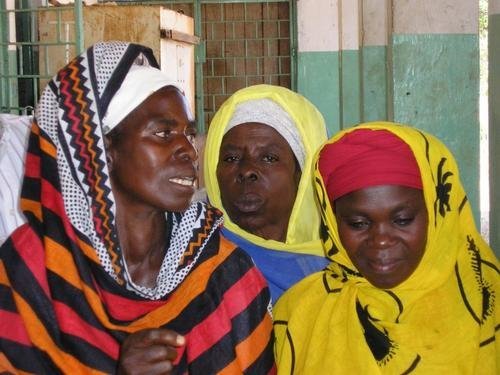
One woman who received misoprostol said she felt comfort and security knowing she had the life-saving tablets so she could protect herself no matter where she delivered. This woman works in a field five kilometers from the health center, and when she went into labor she began walking toward the health center, bringing her misoprostol tablets and telling her escorts she needed to take them after delivery. She gave birth on the side of the road and took the tablets there to prevent PPH.
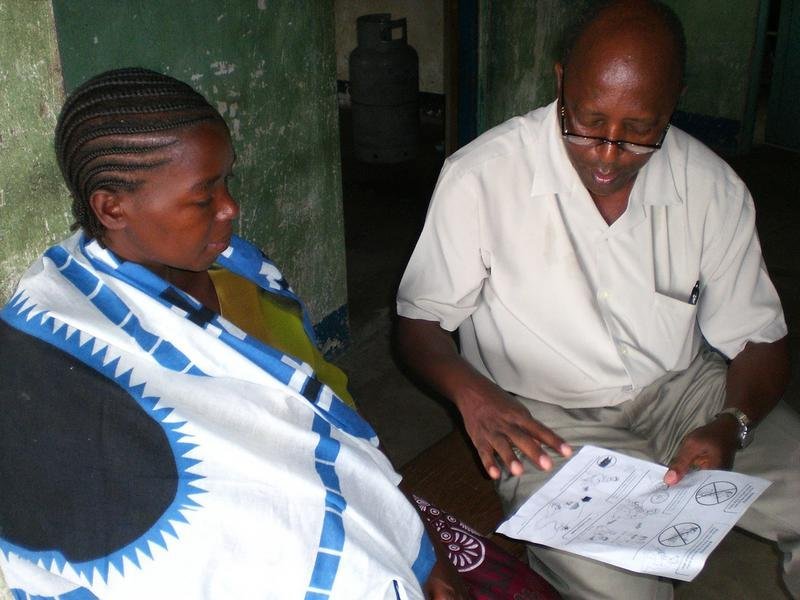
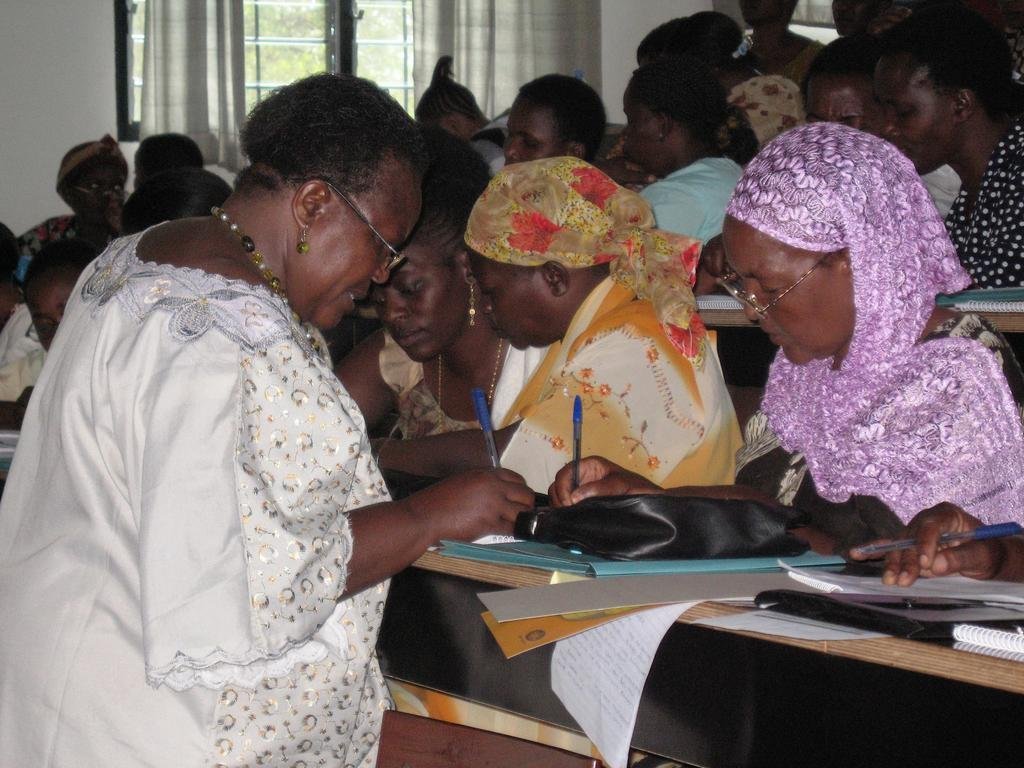
Educating expectant mothers on how to prepare for safe childbirth and distributing misoprostol tablets during ANC arms them with a means of protecting themselves against PPH. A traditional midwife educated through our project said that misoprostol gives women a sense of security and makes it easier for them to enjoy their delivery experience – a moment often overshadowed by fear of dying.
This project is just one of our ongoing efforts to make misoprostol for PPH management available to women through health centers and markets in Tanzania. We are grateful to generous donors who share our commitment to reducing unnecessary maternal deaths.
![Share on Twitter]()
![Share on Facebook]()
May 25, 2009
Expectant mothers prepare for safe delivery
By Amy Grossman | Communications Manager
We have promising developments to report about our innovative project distributing misoprostol tablets to women during antenatal care (ANC) visits. Since the project launch in January 2009, we have worked quickly with partners at the local Ifakara Research Institute to train 282 health care providers and more than 350 program staff in the use of misoprostol for postpartum hemorrhage (PPH) prevention in the four project sites of Kigoma, Kilombera, Ulanga and Rufiji. Expectant mothers received messages about misoprostol at ANC visits and in the first three months of the project, over 2,000 women took the misoprostol tablets home. The goal of this project is to save mothers’ lives by preventing PPH at home births with misoprostol tablets in women who are unable to reach a facility to deliver.
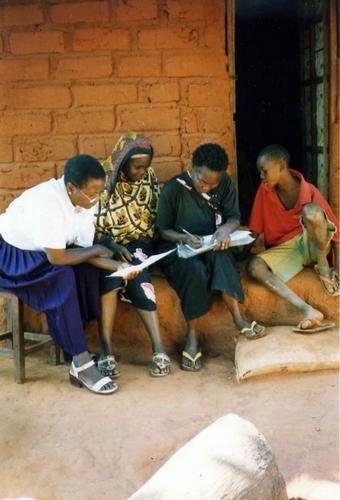
A community awareness campaign is currently underway and messages on birth preparedness and PPH prevention with misoprostol are being shared across the four districts via radio and interpersonal communication by community outreach workers.
Recall that in Tanzania most pregnant women go to at least one ANC visit (96%), yet the majority of births still take place at home. Antenatal care visits are a key contact point for reaching vulnerable women with messages about safe birthing and the importance of misoprostol. This strategic distribution model is expected to reach a large number of women with the life-saving tablets while also increasing the number of women who deliver in health facilities.
![Share on Twitter]()
![Share on Facebook]()
Jan 8, 2009
Innovative misoprostol delivery model initiated this month
By Amy Grossman | Communications Manager
This month, we launched our project to distribute misoprostol tablets during antenatal care. The goal of this project is to save mothers’ lives by preventing postpartum hemorrhage (PPH) at home births with misoprostol tablets for women who are unable to reach a facility to deliver. We will be providing misoprostol at approximately 2,500 births over a 12 month timeframe. The project is complimented by a large community awareness campaign on birth preparedness and PPH prevention with misoprostol, including both radio and direct communication via community outreach workers. With partners at the local Ifakara Research and Development Center,training of healthcare providers and program staff in the four project sites of Kigoma Urban, Kilombera, Ulanga and Rufiji began in November and will be completed in January when the project will formally launch. In Tanzania there is near universal attendance for at least one antenatal care visit (96%), yet the majority of births still take place at home. Antenatal care visits may prove to be a key contact point to reach vulnerable women with safe birthing messages and misoprostol for prevention. This innovative model is expected to reach a large number of women with the life-saving tablets and increase facility-births.
![Share on Twitter]()
![Share on Facebook]()