Project Report
| Sep 15, 2010
Misoprostol success recognized by First Lady of Zanzibar
By Colleen O'Connor | Development Specialist
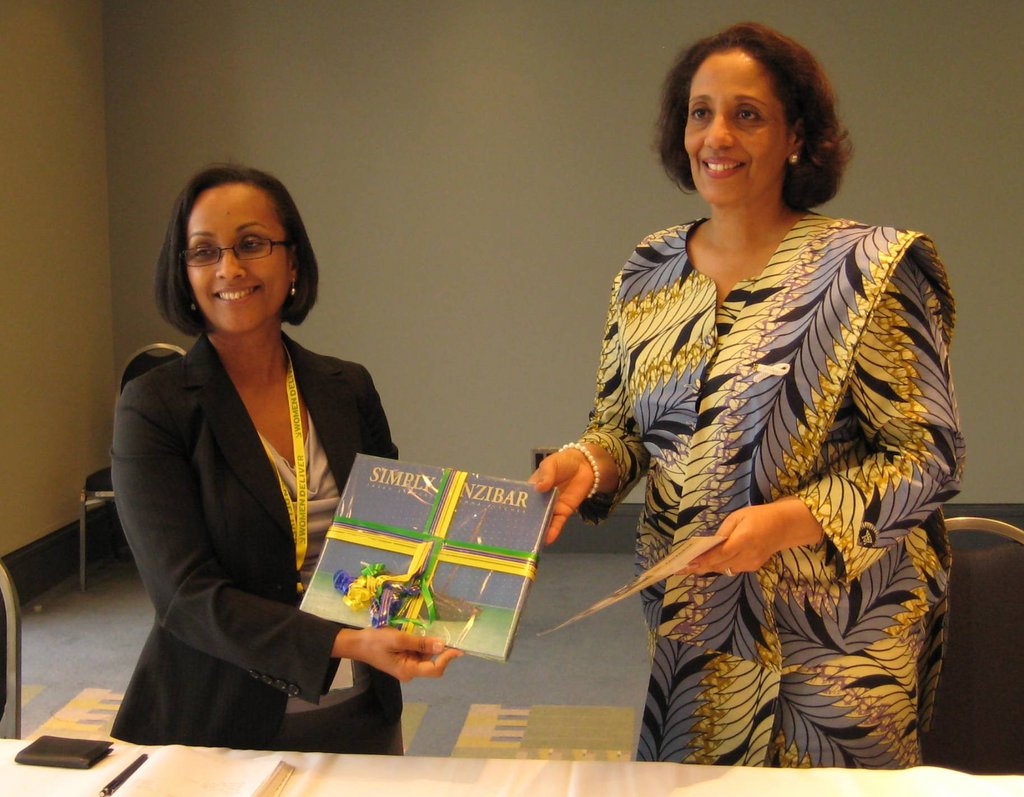
![First Lady Karume and VSI's Dr. Ndola Prata]()
First Lady Karume and VSI's Dr. Ndola Prata
This summer at the 2010 Women Deliver Conference held in Washington, DC, VSI was honored to receive recognition from the First Lady of Zanzibar for our safe motherhood program on the islands of Zanzibar that form part of Tanzania.
During the three-day conference which united over 3,000 policymakers, women’s advocates and health care professionals from over 115 countries, new technologies to save and improve mothers’ lives were highlighted including misoprostol tablets as an effective method to prevent bleeding after childbirth. At a special meeting, VSI’s Medical and Programs Director, Dr. Ndola Prata, accepted a gift from First Lady of Zanzibar, Mrs. Amani Abeid Karume, as recognition for VSI’s role in improving maternal health through the introduction of misoprostol to manage postpartum bleeding in Zanzibar. In this intimate gathering where women were highlighted as the social and economic heart of villages, both VSI and First Lady Karume pledged their support and commitment in broadening awareness and availability of this life-saving technology so more mothers’ lives will be saved. To date VSI has trained 497 midwives and other primary health care providers on misoprostol for women’s health on the islands of Zanzibar.
We share this recognition and gift with our generous contributors who not only share our commitment to preventing mothers from dying in childbirth but help make this work possible
Links:
![Share on Twitter]()
![Share on Facebook]()
Jun 11, 2010
Innovative distribution model on track for success
By Emma Nesper | Communications Specialist
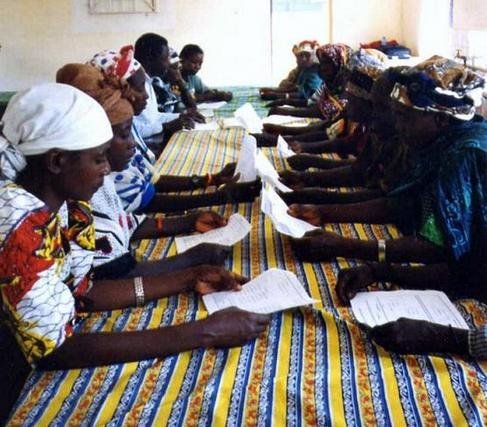
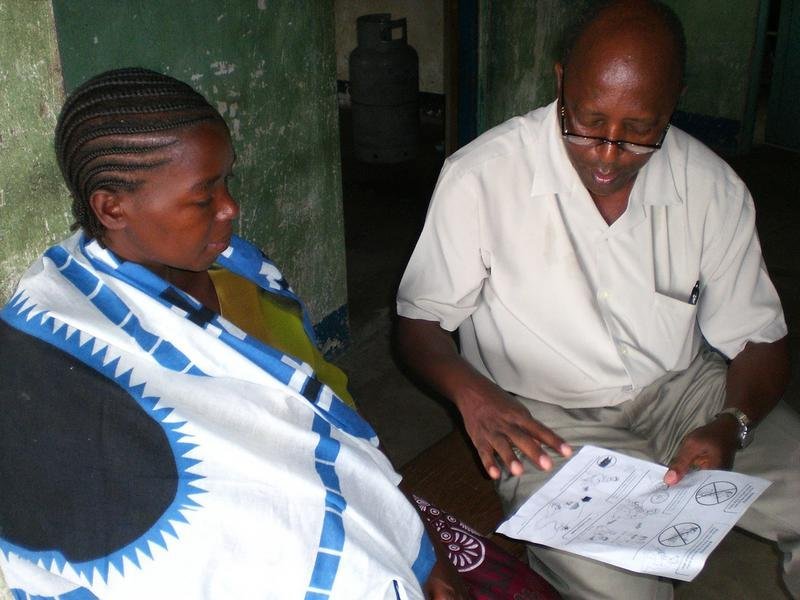
We are pleased to report encouraging preliminary results from our collaborative and innovative program introducing distribution of misoprostol tablets to women when they come for prenatal care in Tanzania. The project is designed to equip expectant mothers with the tablets to safeguard against bleeding in case they cannot return when it comes time to deliver.
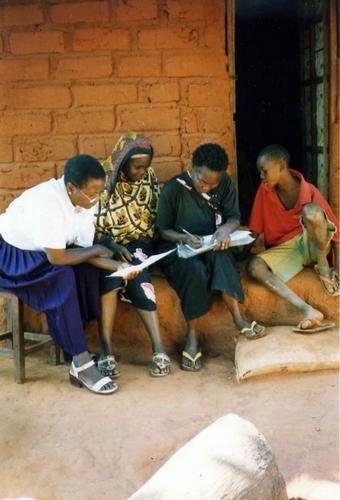
The project's focus on community education through conversations with trained health providers and radio and poster messages has contributed to proper use of the tablets by all of the expectant mothers who took them at home for prevention of bleeding after childbirth. This strategy for reaching mothers who might not otherwise be protected from the life-threatening bleeding is proving effective; the percentage of women interviewed who were protected against this condition increased to 90% with the introduction of misoprostol tablets.
Not only is the project showing that misoprostol is a safe and feasible means to increase protection against bleeding, the mothers who have taken the tablets are pleased with the experience. Almost all of the mothers who have taken the preventative tablets said they would take misoprostol in a subsequent pregnancy and would recommend the tablets to a pregnant friend. Many would also purchase the tablets themselves to ensure they were prepared for delivery, particularly in case they could not make it to a health facility to deliver.
We look forward to updating supportive contributors and policymakers in Tanzania when the final results of this project become available later this year so we can continue to make these life-saving tablets available to Tanzanian mothers.
Links:
![Share on Twitter]()
![Share on Facebook]()
Dec 14, 2009
Equipping nurse-midwives with misoprostol to reach underserved women in Tanzania
By Emma Nesper | Communications Specialist
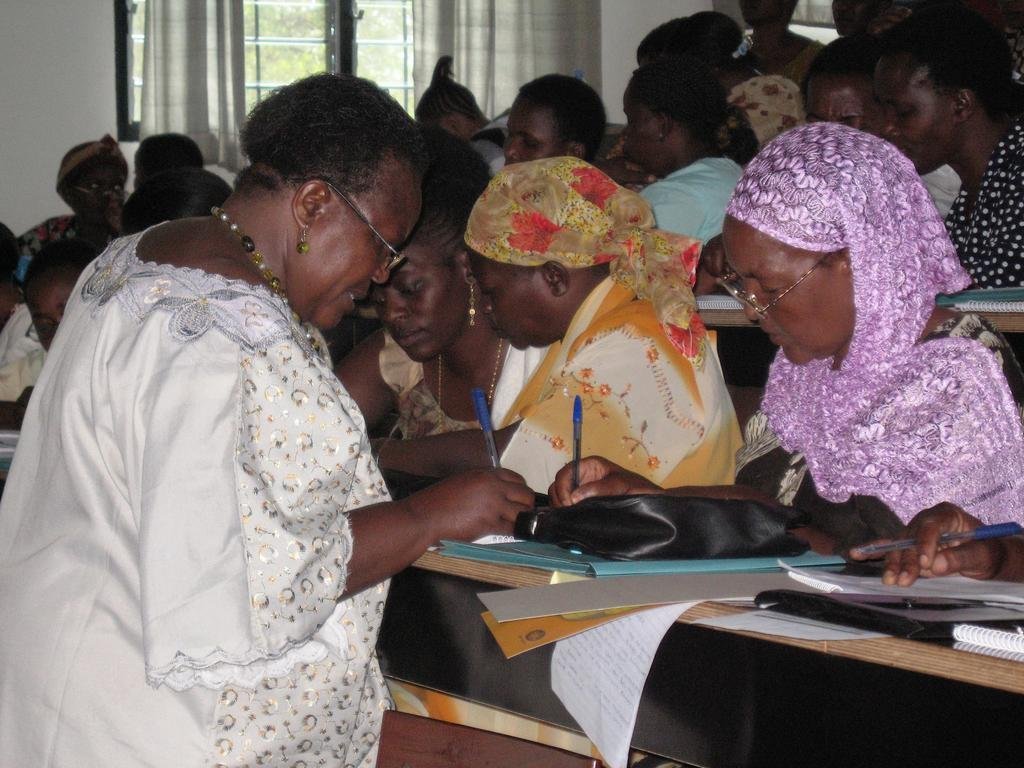
To help make safe delivery a reality for the women of Tanzania, with our local partners we continue to educate health care providers on how to use misoprostol tablets to manage excessive bleeding after childbirth, or postpartum hemorrhage. By training those who attend deliveries, we are helping to ensure that mothers have the chance to survive childbirth, an often frightening experience for lack of medical care and technology.
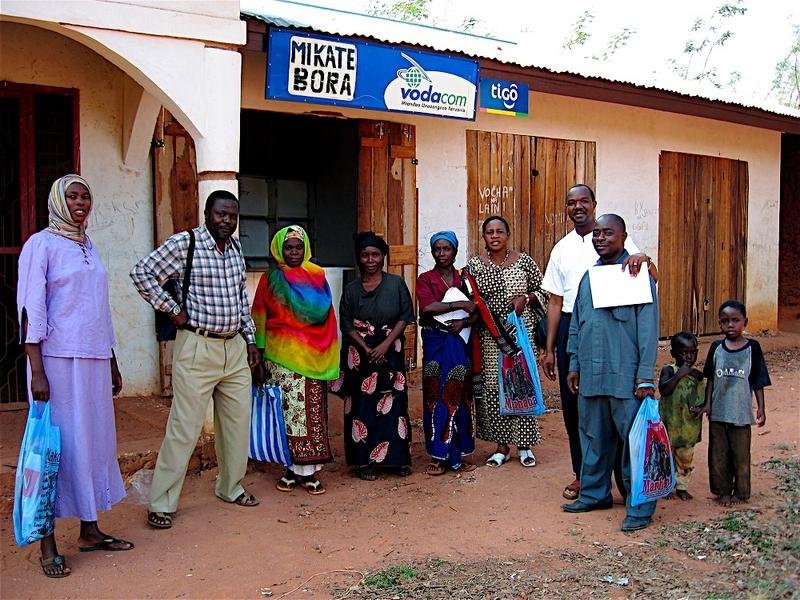
For instance, we recently provided misoprostol tablets to a local association of nurse-midwives. This particular group is comprised of nurse-midwives who have retired from government service, returned to their home villages, and opened small private practices where public services are often unavailable. They are filling a critical need for skilled attendance at birth in the most remote areas of Tanzania. These nurse-midwives are eager to use misoprostol to protect the mothers they serve in their clinics.
The nurse-midwife who heads the association exclaimed, “You can never know how people shouted with happiness when they heard the news. Surely believe that you have made access easy to [our] clinics, but most of all you are going to save many lives that are helpless and needy.”
We are grateful for the support of donors who share our commitment to preventing mothers from dying in childbirth.
![Share on Twitter]()
![Share on Facebook]()