By Anjala Bajracharya | Project Associate
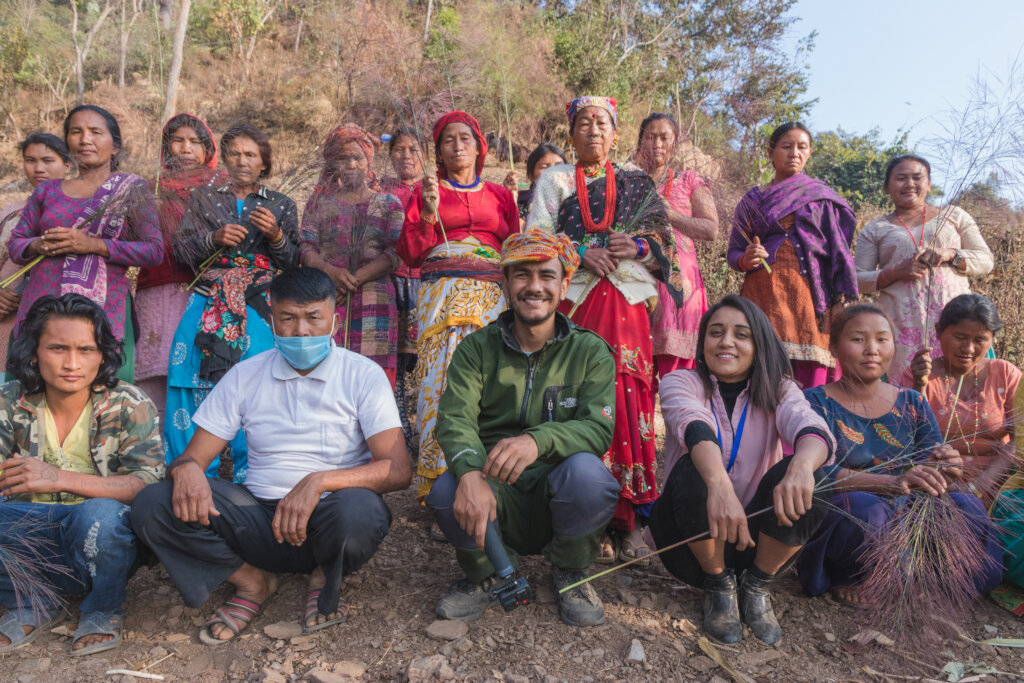
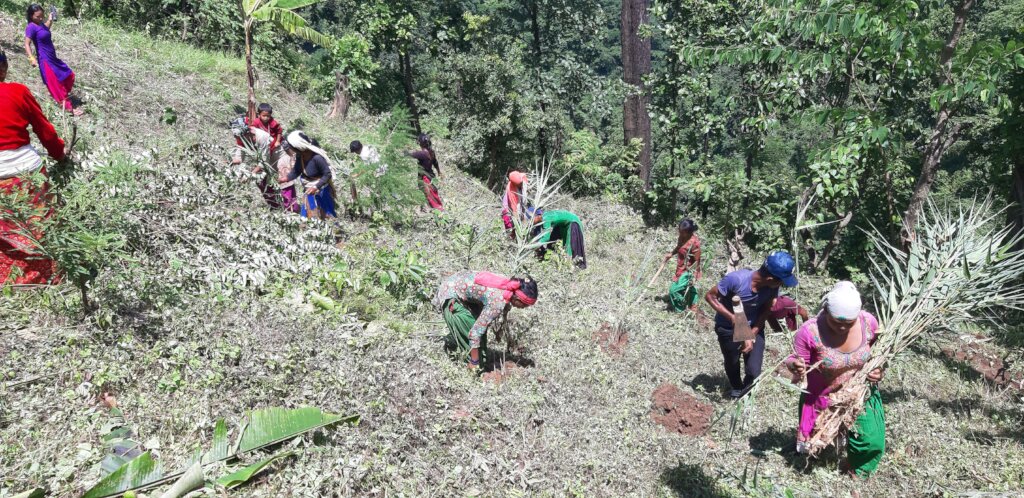
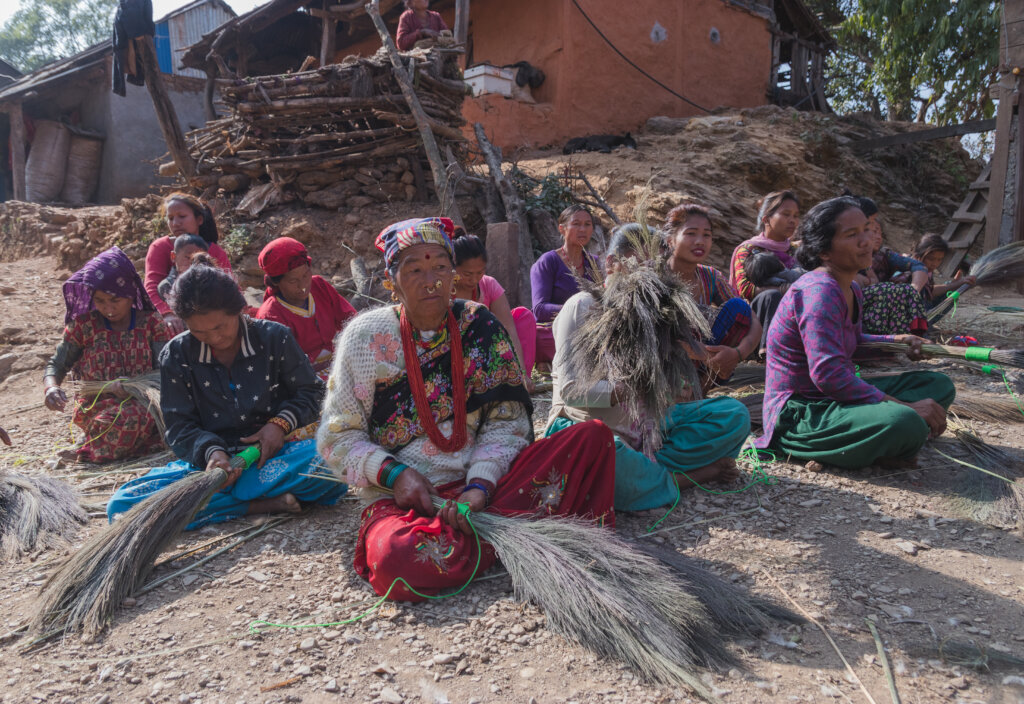
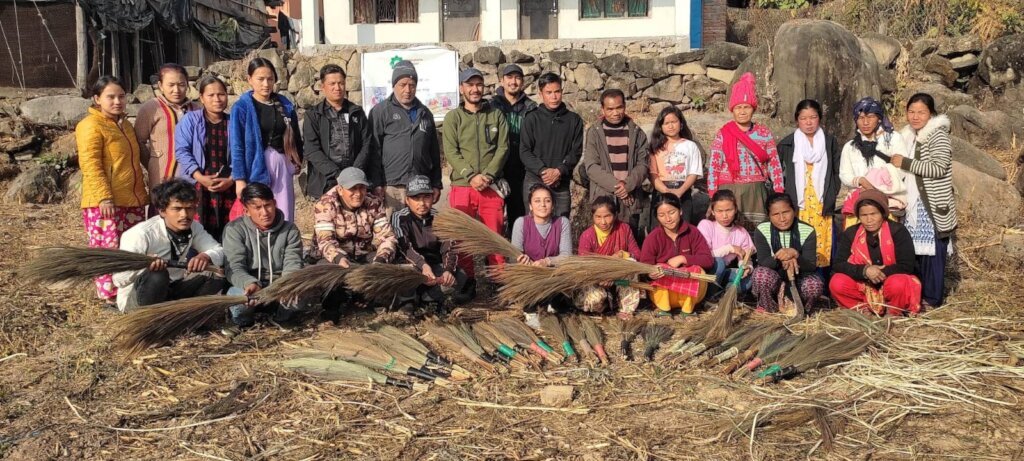
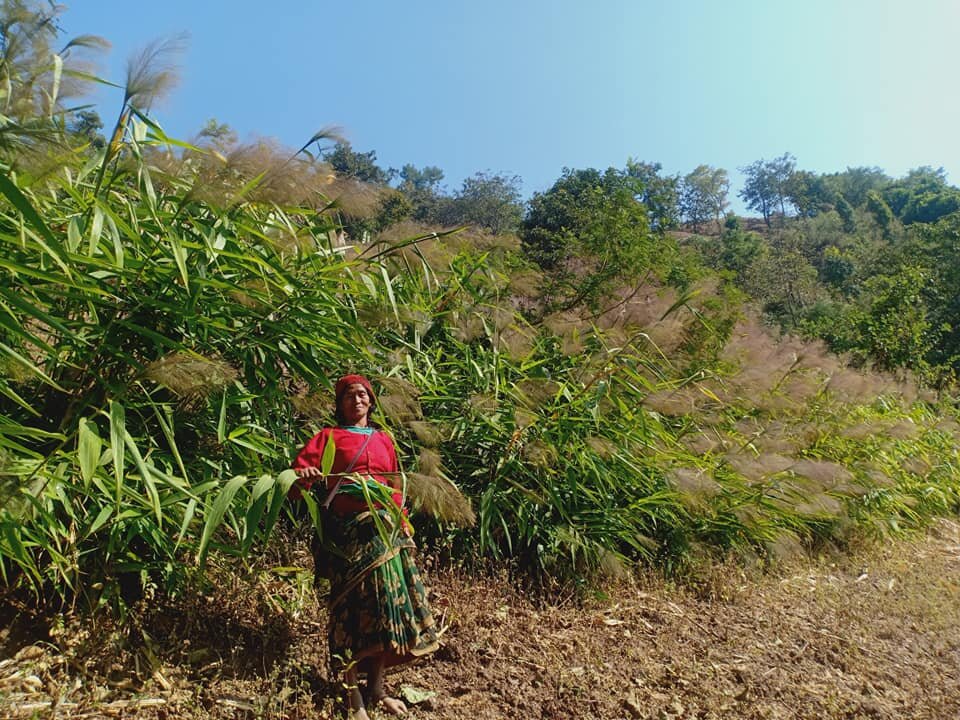
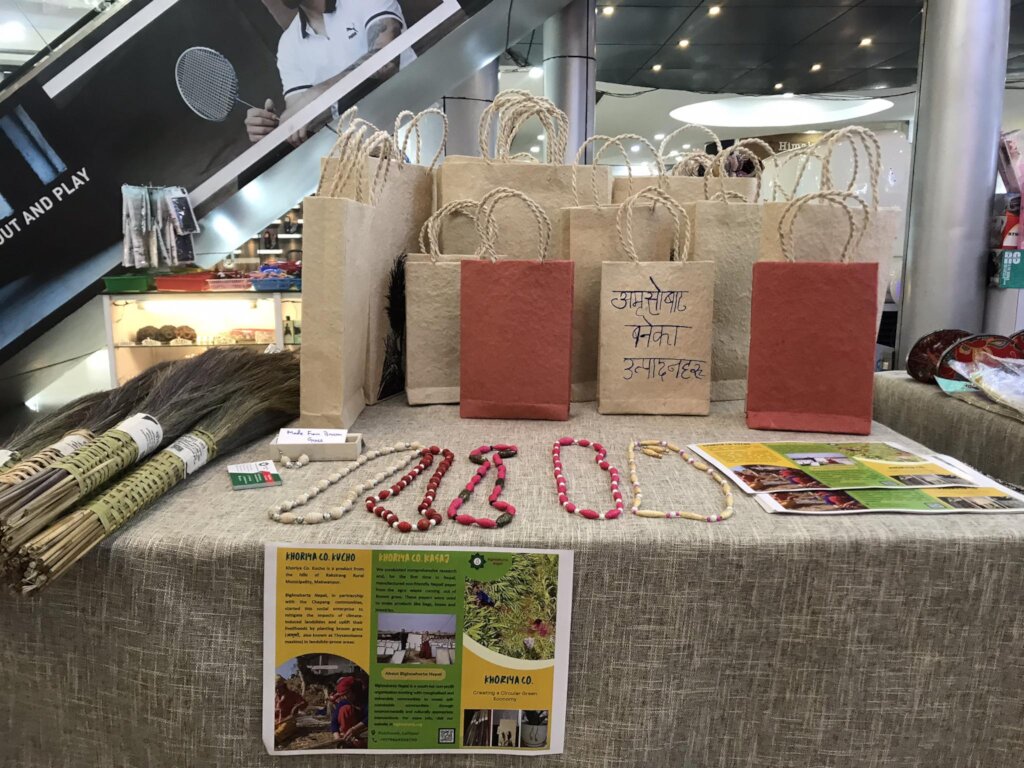
The bioengineering project which began with a simple idea in Raksirang Rural Municipality, Makwanpur district engaging more than 1600 households to plant broom grass saplings proved to be a successful model to address the disaster risk of lanslides and uplift the livelihoods of the marginalized Chepang community with a transformative journey. Women youths and elderly of the community not only found disaster resilience but also a way to economic empowerment. Moreover, the plantation of the saplings helped in sequestration of 29,520 tonnes of carbon.
The success of the project inspired to further expand to other similar areas vulnerable to disaster risks. And now, we are excited to announce that the project is expanding to Rapti Municipality of Chitwan district, Dhangadhimai municipality of Siraha district and Mahakulung Rural Municipality of Solukhumbu district, all three regions with its diverse yet unique geographical features. We will be replicating the model of planting the broom grass saplings with new concept of integrating intercropping. This will help enhance the economic opportunities and promote food security in those regions.
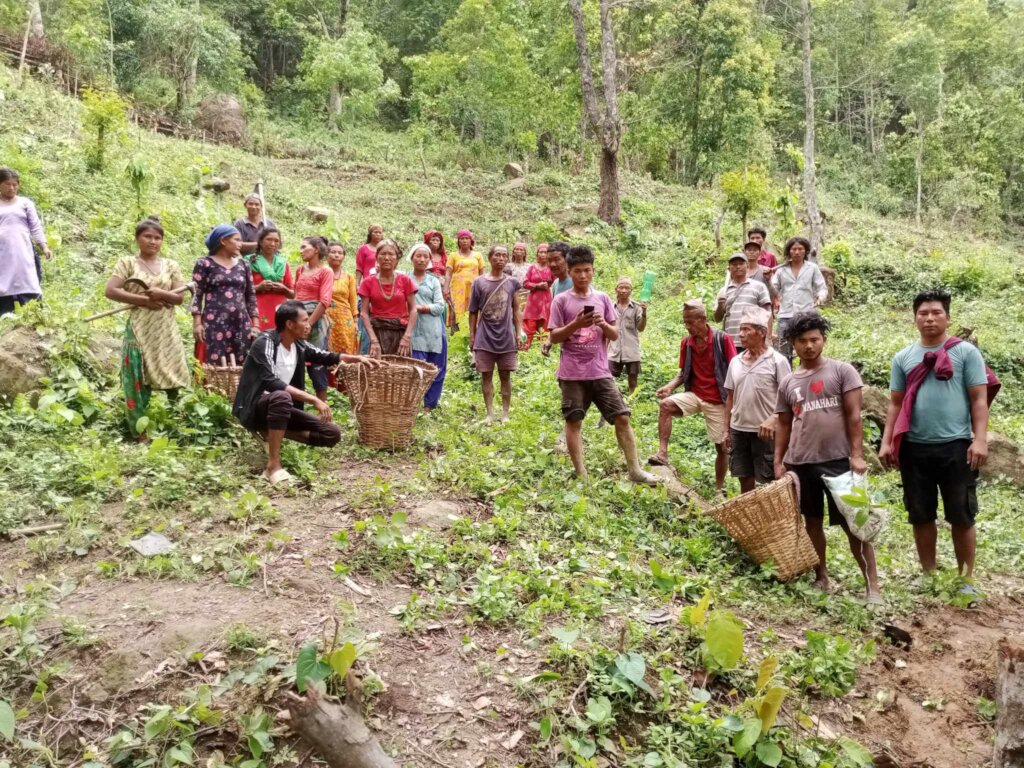
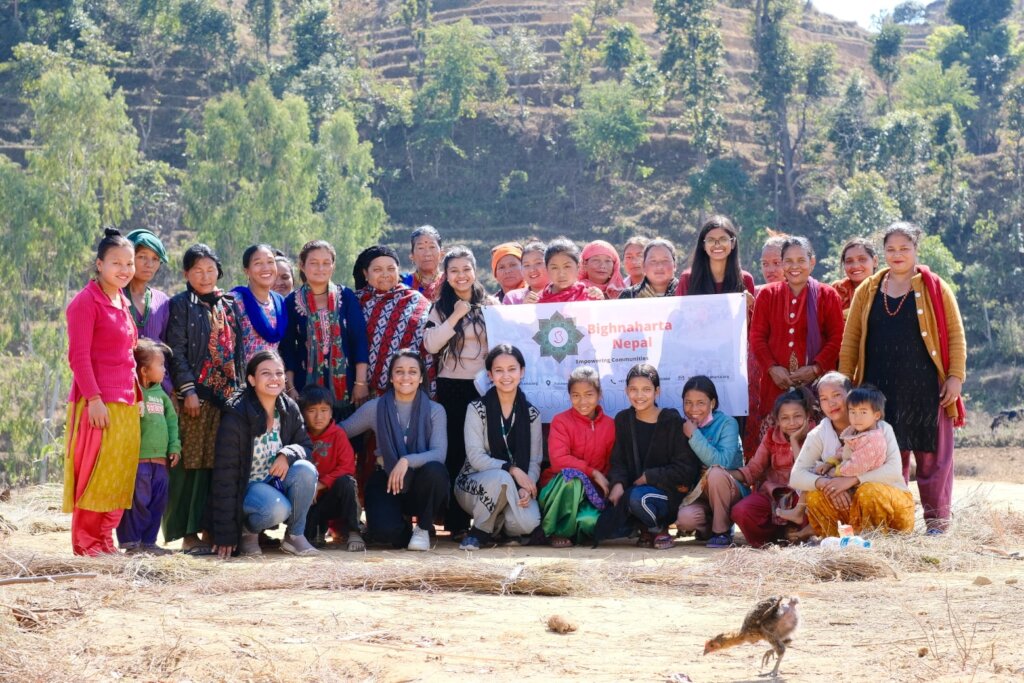
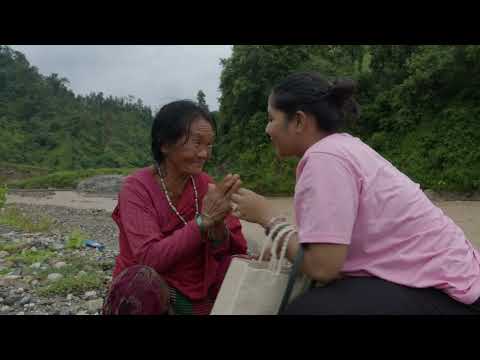
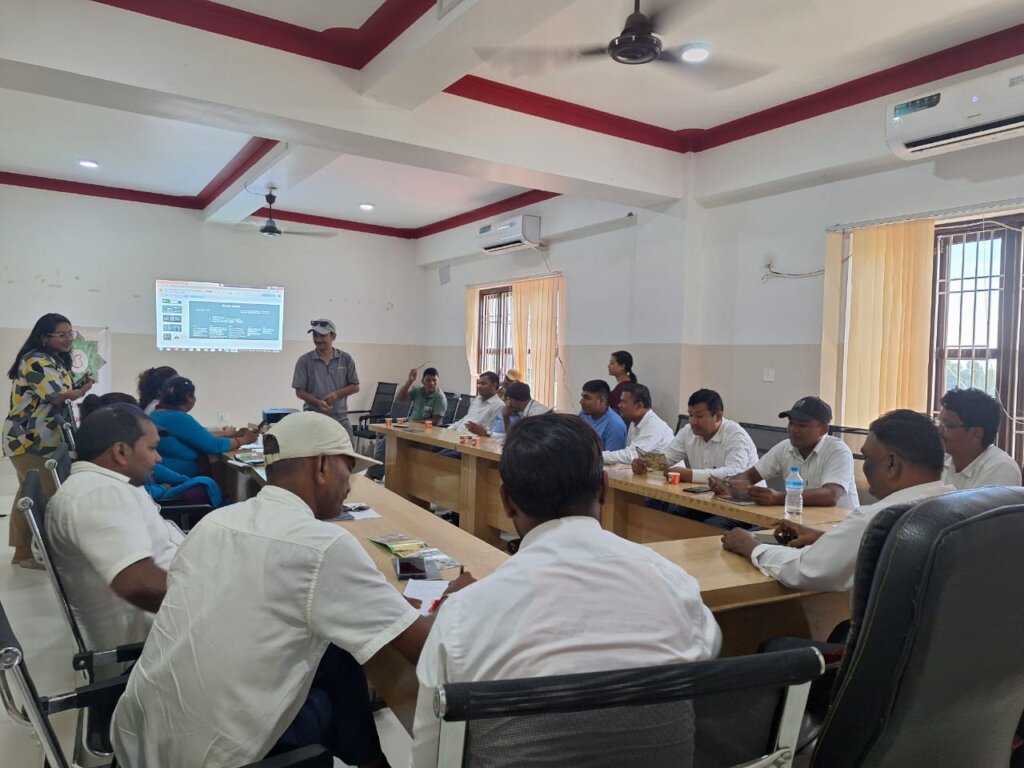
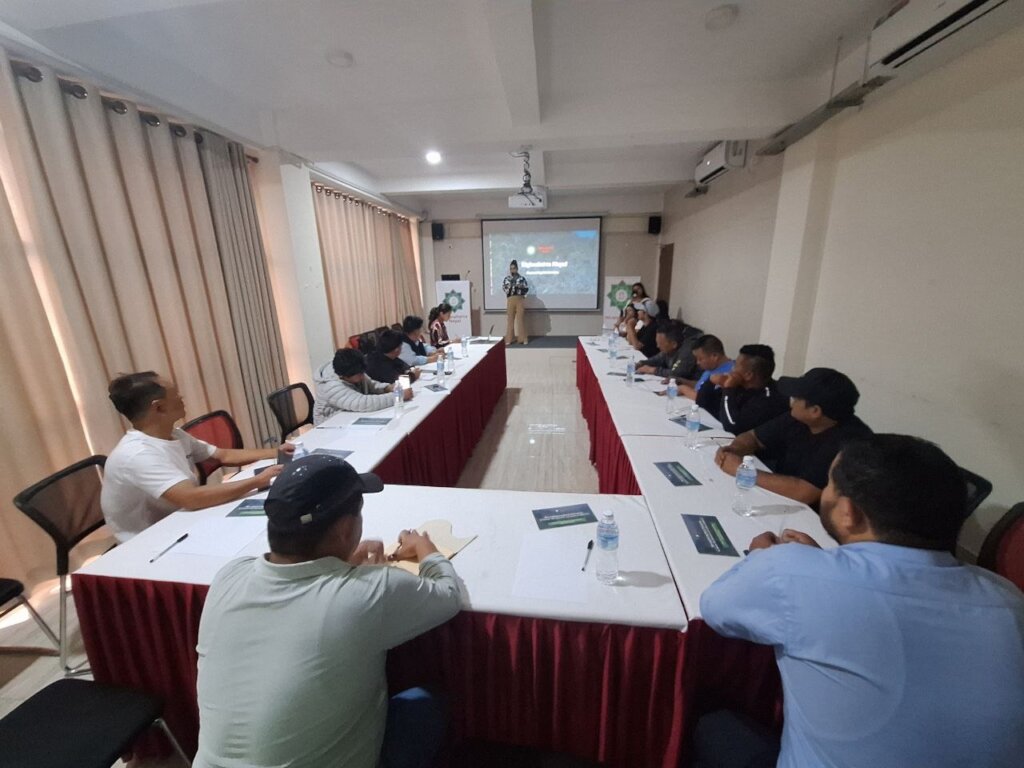
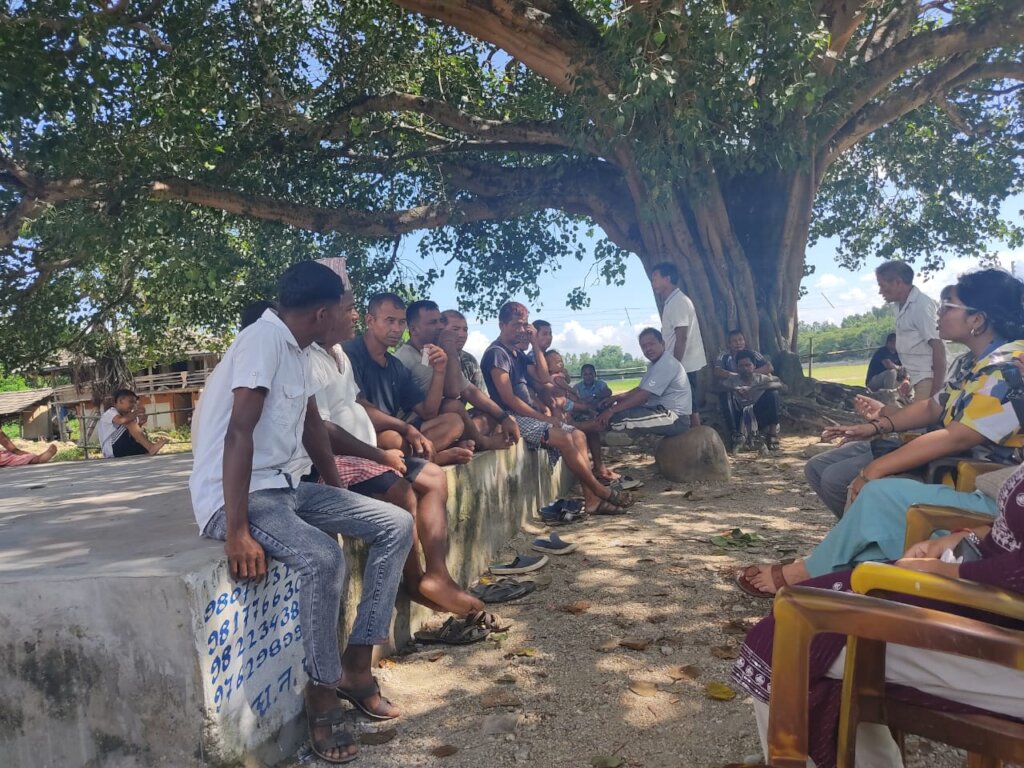
Since the expansion of our project few months ago, our project team has made some progress where we have completed our preliminary field visit to the project sites. We successfully completed the consultation meeting with the stakeholders of all three regions sensitizing the motive of the project. On the way, we engaged in meaningful conversations with Indigenous communities and local user groups. These interactions provided us with few insights on the specific disaster-related challenges faced by marginalized communities such as the Musahar in the Terai, the Chepang in the hills, and the Tamang and Kulung in the mountainous regions.
The detailed research work is planned to be held in the month of November. For this purpose, a dedicated research team has been prepared with all the complete documentation required for the surveys, key informant interviews ( KII), Focus Group Discussions (FGD) that the team will conduct during the research work. This research primarily focuses on gathering informations regarding the disaster prone areas, suitable crops that go along in intercropping, and market accesibility. We are excited to make a lasting impact in these communities, building a more resilient and sustainable future.
Links:
By Gomesh Singh Upreti | Co-founder and President of Bighnaharta Nepal
Project reports on GlobalGiving are posted directly to globalgiving.org by Project Leaders as they are completed, generally every 3-4 months. To protect the integrity of these documents, GlobalGiving does not alter them; therefore you may find some language or formatting issues.
If you donate to this project or have donated to this project, you can receive an email when this project posts a report. You can also subscribe for reports without donating.