By NFCR Staff | NFCR Communications
The National Foundation for Cancer Research (NFCR) convened its 2024 Global Summit at the National Press Club on October 18, bringing together the world's foremost cancer researchers, entrepreneurs, and advocates for a comprehensive showcase of cutting-edge developments in oncology research and treatment.
The morning sessions, featuring prominent researchers and clinicians, highlighted significant advances across multiple fronts in cancer treatment. Dr. Drew Pardoll of Johns Hopkins University delivered a keynote address on the evolution of checkpoint inhibitors in cancer immunotherapy, emphasizing the pressing need to develop better biomarkers for patient response prediction, as currently less than half of patients respond to these treatments.
In a session moderated by Dr. Lisa Coussens of Oregon Health & Science University, Dr. Aditya Bardia presented breakthrough developments in Antibody-Drug Conjugates (ADCs), particularly their impact on HER2-positive breast cancer. Dr. Jonathan Chernoff introduced the promising field of molecular glues, offering new hope for previously "undruggable" RAS-mutant cancers. Dr. Paul Mischel's presentation on extra chromosomal DNA (ecDNA) revealed new understanding of how tumors evolve and resist treatment, while Dr. Scott Lippman discussed innovative approaches to cancer interception through RNA-based vaccines.
A major highlight of the summit was the Early Detection and Cancer Prevention panel, moderated by Dr. Carlos Doti of AstraZeneca. Dr. Ajay Goel from City of Hope presented advances in liquid biopsies for early cancer detection, while Dr. Samir Hanash of MD Anderson Cancer Center discussed the integration of genomic, proteomic, and metabolic data in biomarker development. Drs. Steven Lipkin and Sapna Syngal emphasized the importance of genetic counseling and surveillance programs for high-risk populations.
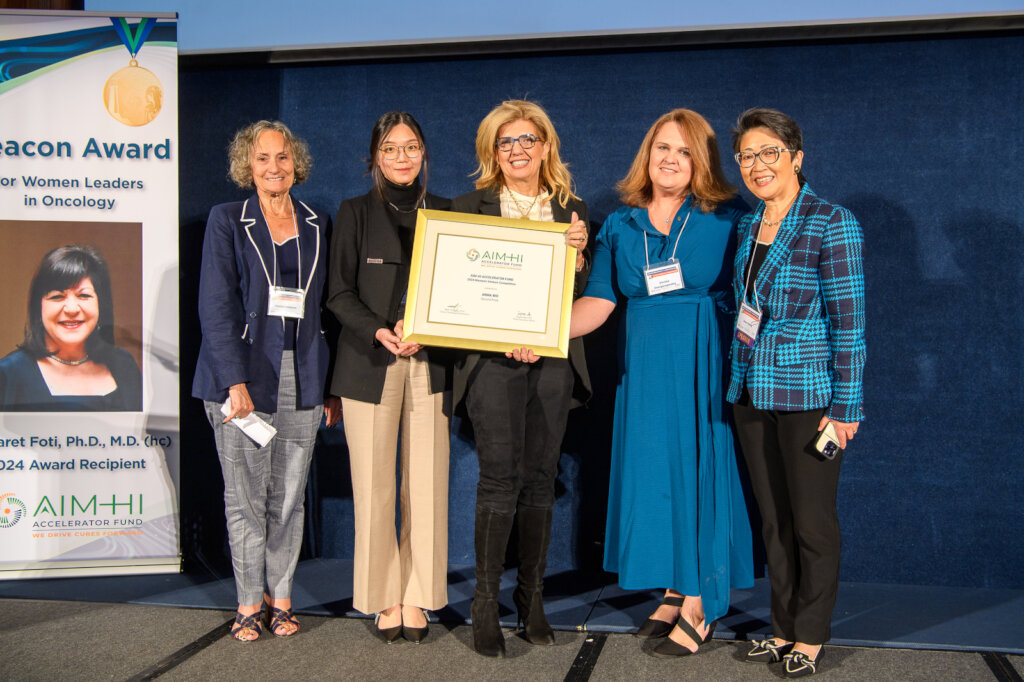
The afternoon's Oncology Company Showcase, moderated by Dr. Matt Tremblay, featured innovative startups at the forefront of cancer treatment. Adventris Pharmaceuticals presented its work on small molecule therapies for triple-negative breast cancer, while Georgiamune showcased novel combination immunotherapy approaches. CLASP Therapeutics discussed upcoming trials for treatments targeting p53 mutations, and Degron Therapeutics presented breakthrough protein degradation therapies for drug-resistant cancers.
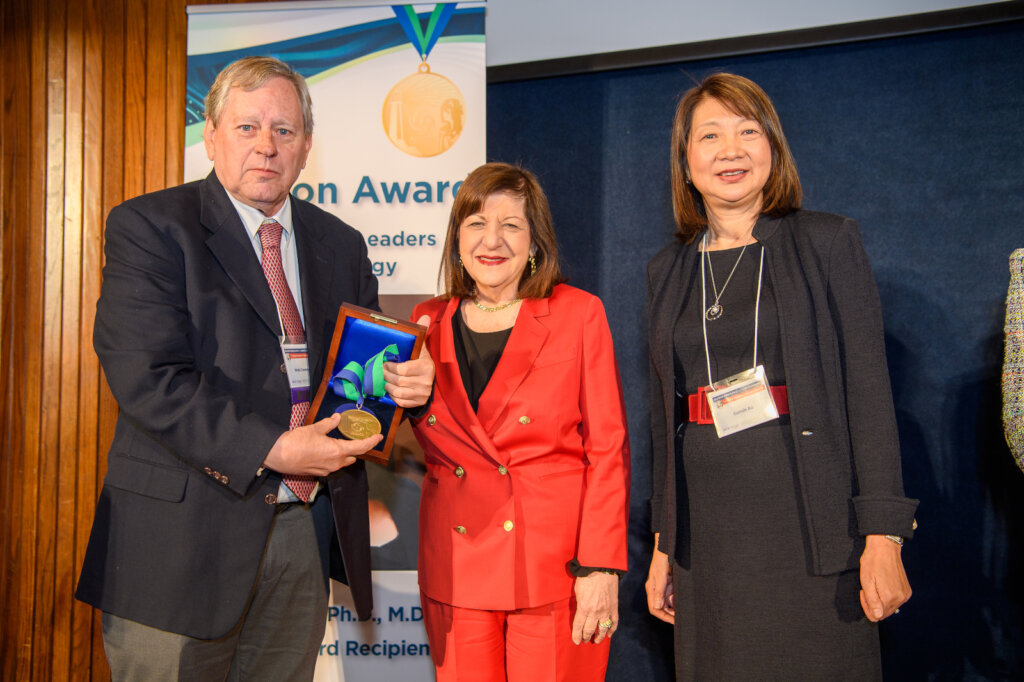
Dr. Margaret Foti, CEO of the American Association for Cancer Research, received the AIM-HI Beacon Award for her transformative leadership. In her acceptance speech, she highlighted the growth of AACR to over 58,000 members across 142 countries and emphasized the organization's commitment to addressing cancer health disparities and supporting underrepresented researchers.
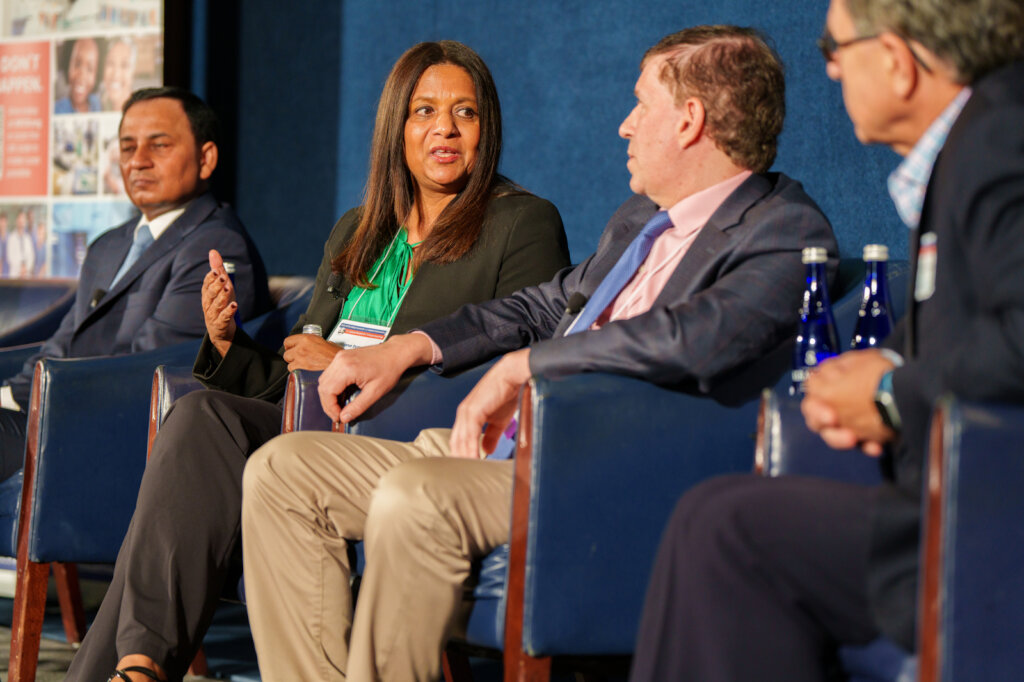
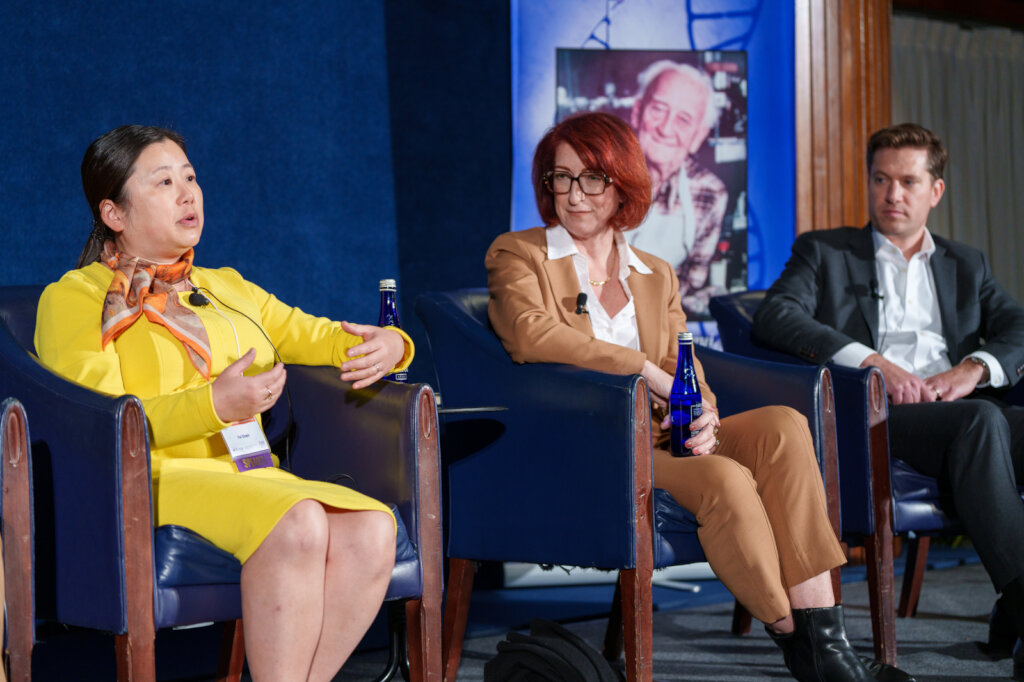
The Investor Perspectives on Innovative Oncology Companies session, moderated by Matt Tremblay, Ph.D., featured a panel of top investors who discussed the critical role of venture capital in advancing cancer research. Panelists, including Dave Greenwald, Ph.D. (Deerfield), Beverly Lu, Ph.D. (Yosemite), Marie-Claire Peakman, Ph.D. (Pfizer Ventures), and Fei Shen, Ph.D. (BI Venture Fund), emphasized the high-risk, high-reward nature of oncology startups. They highlighted the importance of collaboration between investors, academic institutions, and biotech companies in translating early scientific discoveries into viable treatments.
Key takeaways included the need for strategic long-term investments, with a focus on innovative science and personalized medicine. The panel stressed that investors not only provide financial support but also help startups navigate regulatory hurdles, prioritize resources, and connect with broader networks. Despite the risks, they agreed that continued investment in oncology is essential for developing groundbreaking therapies that can significantly improve patient outcomes.
The evening culminated with the presentation of the 2024 Szent-Györgyi Prize to Dr. Dennis Slamon, Director of Clinical and Translational Research at UCLA's Jonsson Comprehensive Cancer Center, honoring his pioneering work in developing HER2-targeted therapies, particularly trastuzumab (Herceptin). Dr. Siddhartha Mukherjee delivered a compelling keynote on the future of cancer treatment, emphasizing the convergence of immunotherapy and genetic engineering in developing next-generation cancer therapies.
A distinguished panel representing various facets of the cancer community—including Dennis Slamon, M.D., Ph.D., Margaret Foti, Ph.D., M.D., Siddhartha Mukherjee, M.D., Olufunmilayo Olopade, M.D., Mohit Manrao, MBA, and Shereen & Isabella Pavlides—discussed the future directions of cancer research. They highlighted three critical areas: advancing early detection technologies, addressing drug resistance, and fostering public-private collaboration to accelerate the delivery of treatments.
The summit underscored several key themes: the critical importance of cross-sector collaboration, the urgent need to address treatment resistance, the growing focus on early detection and prevention, and the essential role of entrepreneurship in bridging the gap between laboratory discoveries and patient care. While celebrating significant progress, participants emphasized the continuing challenges in developing more effective treatments and ensuring equitable access to cancer care.
Links:
Project reports on GlobalGiving are posted directly to globalgiving.org by Project Leaders as they are completed, generally every 3-4 months. To protect the integrity of these documents, GlobalGiving does not alter them; therefore you may find some language or formatting issues.
If you donate to this project or have donated to this project, you can receive an email when this project posts a report. You can also subscribe for reports without donating.



Support this important cause by creating a personalized fundraising page.
Start a Fundraiser