By NFCR Staff | Staff
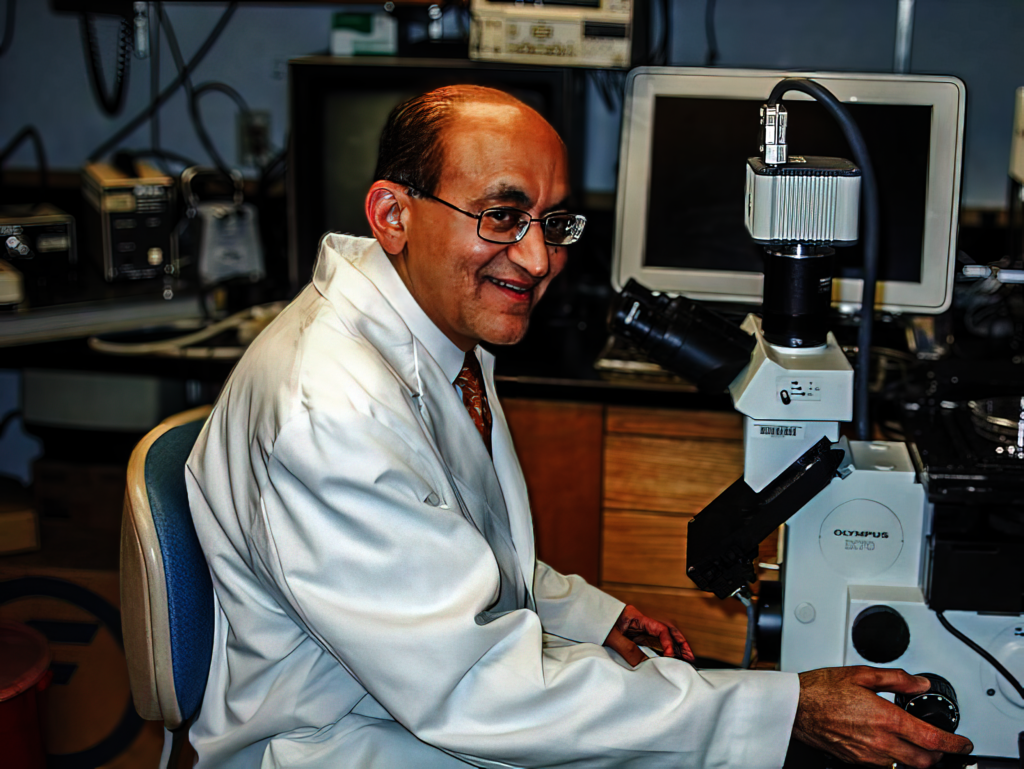
DR. MICHELE CARBONE
University of Hawaii
Cancer Center
Focus: Mesothelioma & Inherited Cancer Risk
For generations, families in regions of Turkey and the United States were devastated by mesothelioma with no explanation. Dr. Carbone uncovered the answer: inherited mutations in the gene BAP1 were driving susceptibility, traceable through family lines. This overturned the belief that environmental exposure alone determined risk and drove historic public health policy changes on two continents. Dr. Carbone will be honored with the 2026 Szent-Györgyi Prize at the NFCR Global Summit on October 9, 2026, in Washington, D.C.
“Dr. Carbone’s work is a remarkable story of scientific courage and human compassion.” — Dr. Tony Hunter, 2026 Prize Committee Chair
DR. RAKESH K. JAIN
Massachusetts General Hospital / Harvard
Medical School
Focus: Brain Cancer & Tumor Microenvironment
For more than 25 years, NFCR has supported Dr. Jain’s work on the tumor microenvironment: the ecosystem of cells and signals that can either help or hinder treatment. His research is now advancing two strategies for glioblastoma (GBM): repurposing losartan, an inexpensive blood pressure drug, to improve CAR-T therapy effectiveness, and blocking Wnt signaling to prevent the evasion of the immune system. In preclinical studies, both approaches significantly slowed tumor growth. Because losartan is already FDA-approved, clinical trials could follow quickly.
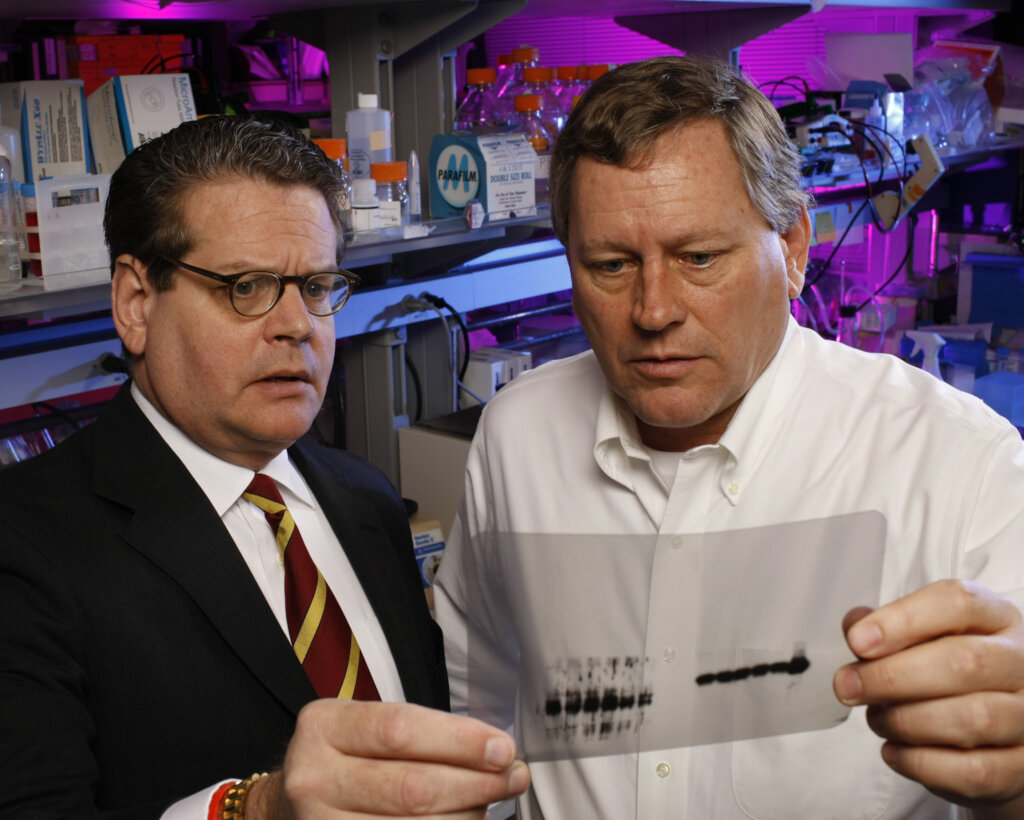
DRS. AARON HATA AND
JESSICA LIN
Massachusetts General Hospital / Harvard Medical School
Focus: Lung Cancer Treatment Resistance
One of the most frustrating realities in lung cancer treatment is that even when targeted therapies work, tumors often find a way around them. Drs. Aaron Hata and Jess Lin are working to change that. Their collaborative research is uncovering how lung tumors develop resistance to targeted therapies, and investigating new strategies to stop that resistance before it leads to relapse.
For patients with EGFR-mutant and other driver-mutation lung cancers, this work may determine whether a targeted therapy holds, or resistance ultimately wins. It represents the next frontier of precision medicine: not just finding the right drug, but keeping it working longer.
By NFCR Staff | NFCR Communications
By NFCR | We Make Cures Possible
Project reports on GlobalGiving are posted directly to globalgiving.org by Project Leaders as they are completed, generally every 3-4 months. To protect the integrity of these documents, GlobalGiving does not alter them; therefore you may find some language or formatting issues.
If you donate to this project or have donated to this project, you can receive an email when this project posts a report. You can also subscribe for reports without donating.



Support this important cause by creating a personalized fundraising page.
Start a Fundraiser