By Debora Annino | Project Leader
For children growing up in rural San Miguel Viejo, educational lag is about more than falling behind in a single subject. Limited access to technology, enrichment opportunities, academic support, and learning resources can compound over time, making it increasingly difficult for children to remain engaged and progress successfully through school.
Our goal at Ojalá Niños is to help interrupt that cycle. During April–June 2026, our programs combined tutoring and foundational academics with English, computing, robotics, geography, art, and hands-on learning—giving children multiple ways to strengthen skills, discover their abilities, and experience success.
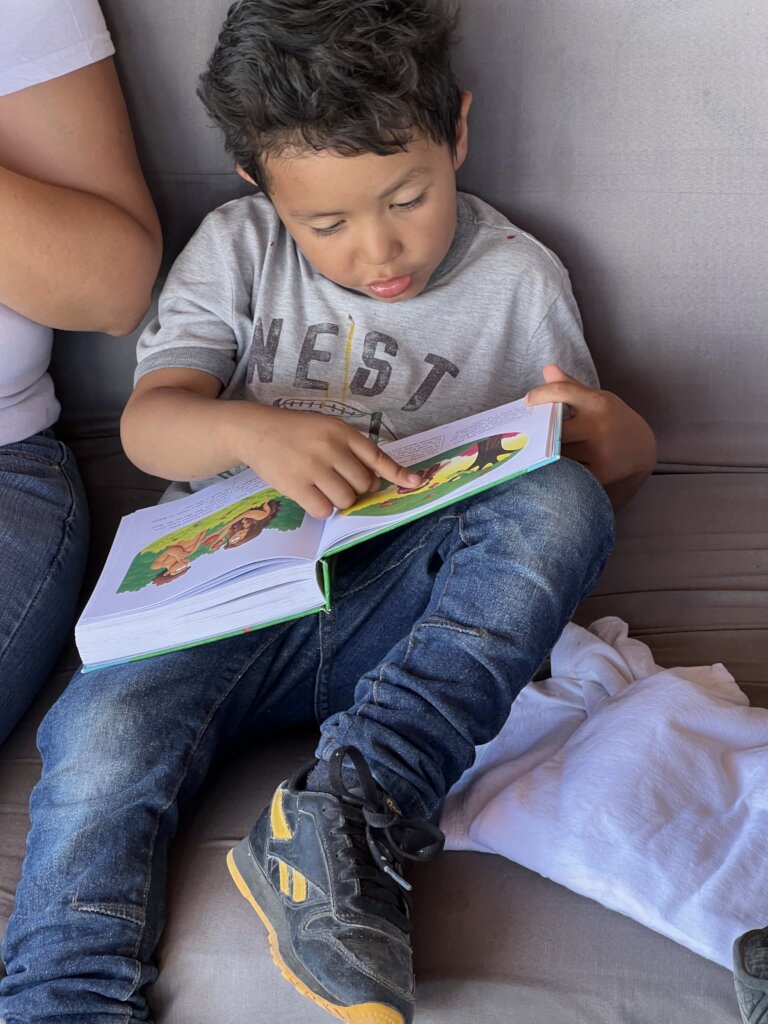
Tutoring began with diagnostic assessments to identify individual areas of need, particularly in mathematics and other school subjects. Students strengthened oral and written expression while exploring history and geography, including countries, continents, oceans, maps, geographic orientation, Mexico, and North America.
Participation also grew during the quarter. Preschool tutoring increased from a weekly average of 3 children in April to 10 in June, while tutoring for first- and second-grade students increased from 6 to 11. These numbers are especially encouraging because reaching children early gives us an opportunity to address learning gaps before they become more difficult to overcome.
Expanding What Learning Can Look Like
English provides children with skills they may have limited opportunities to develop in their regular school environment. Students practiced speaking and interpersonal communication through introductions, songs, greetings, and group activities while learning about countries, cultures, traditions, languages, and wildlife. Average weekly English participation grew to 17 students in June.
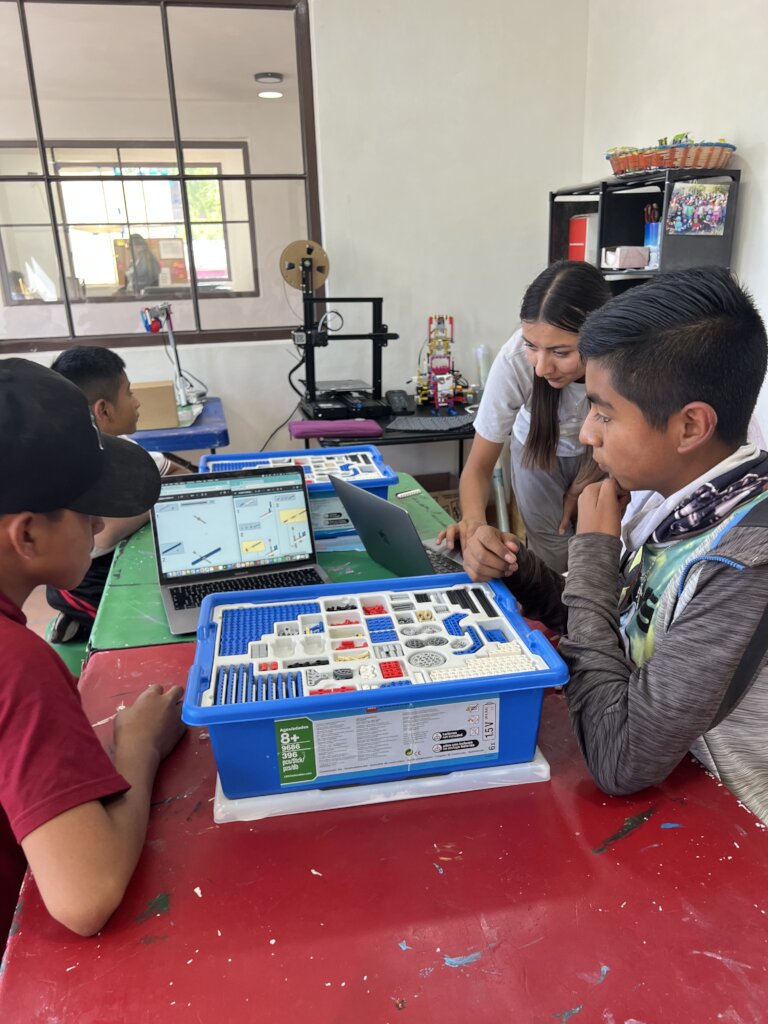
Technology and STEM learning are another important part of reducing the opportunity gap. Computing classes averaged 7 students weekly in April, 9 in May, and 5 in June. Robotics maintained an average of 4 students per week throughout the quarter. Students progressed to working with motors, gears, mechanisms, rotations, and speed while completing practical assessments. Importantly, instructors observed significant progress in students' ability to apply previously learned concepts to construction and functional problem-solving challenges.
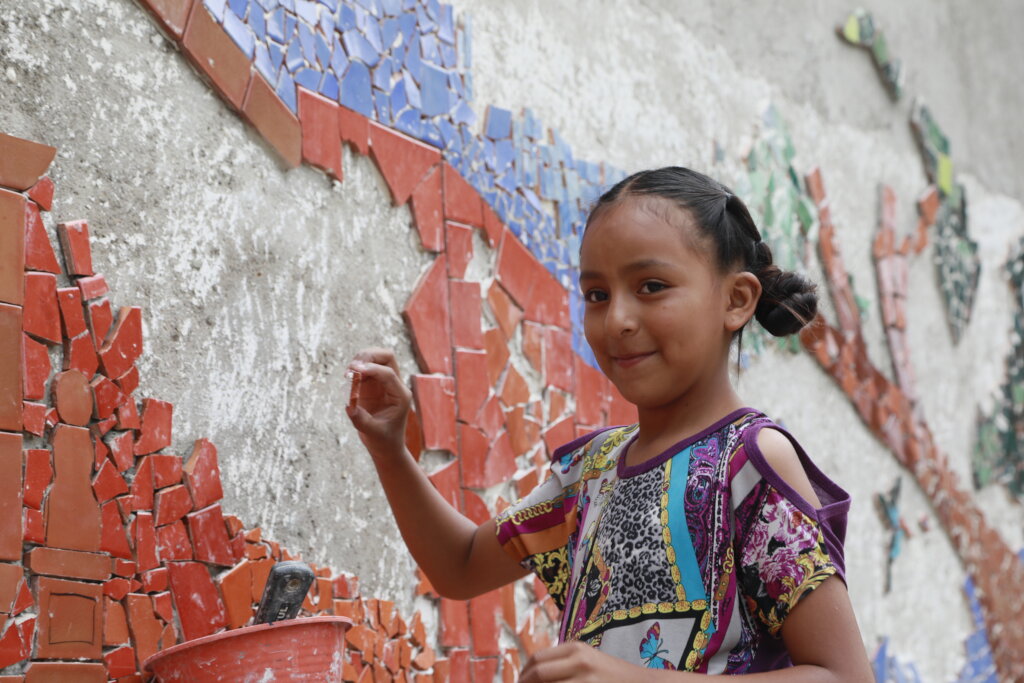
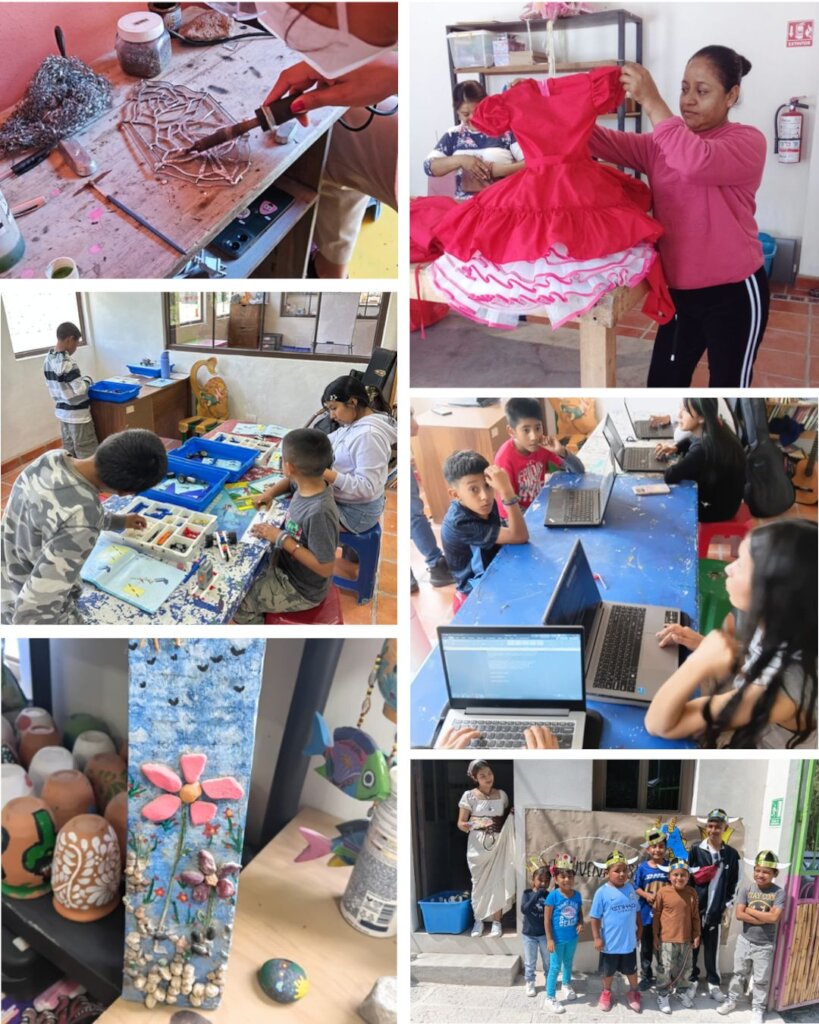
Creative programs reinforce many of these same learning skills. Arts and crafts participation increased from a weekly average of 9 children in April to 14 in June. Activities strengthened fine motor skills, creativity, teamwork, and artistic expression. Stained-glass students learned the complete process of designing, tracing, cutting, and soldering their own pieces—developing patience, coordination, precision, decision-making, and confidence.
The miniature workshop, averaging 8–9 participants weekly, introduced another form of project-based learning. Children practiced planning, following sequential instructions, precision, and collaboration while creating miniature rooms, shops, and an ongoing miniature city.
Learning Extends Beyond the Classroom
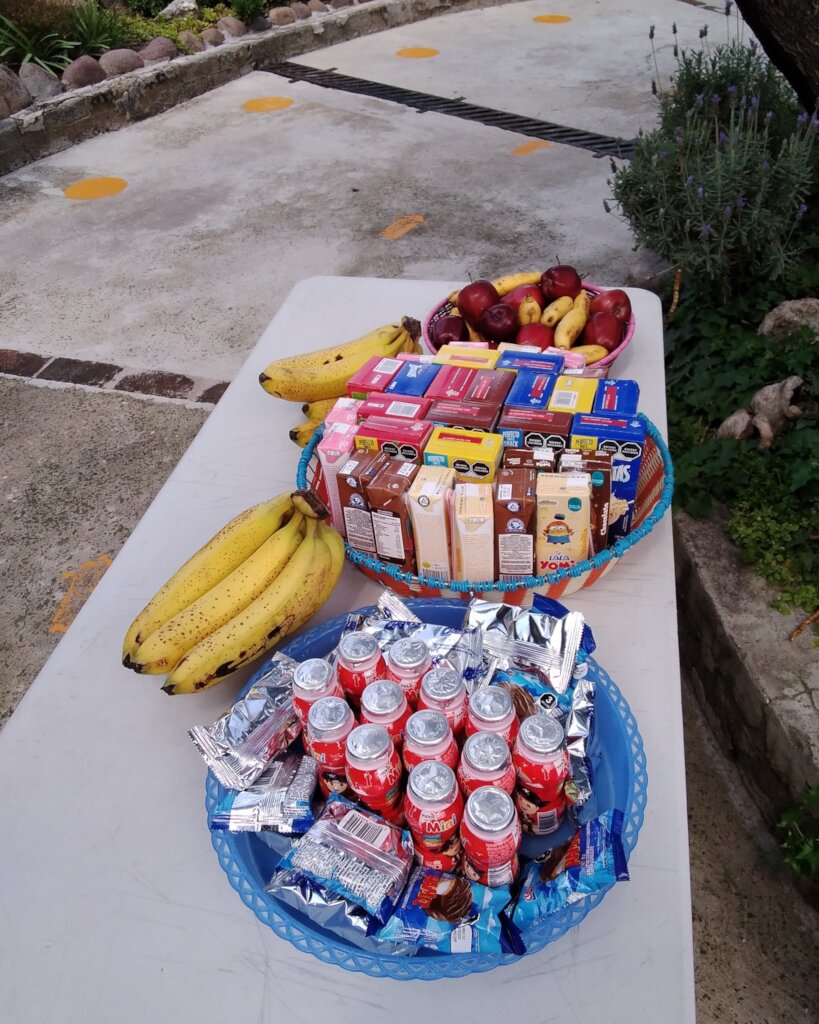
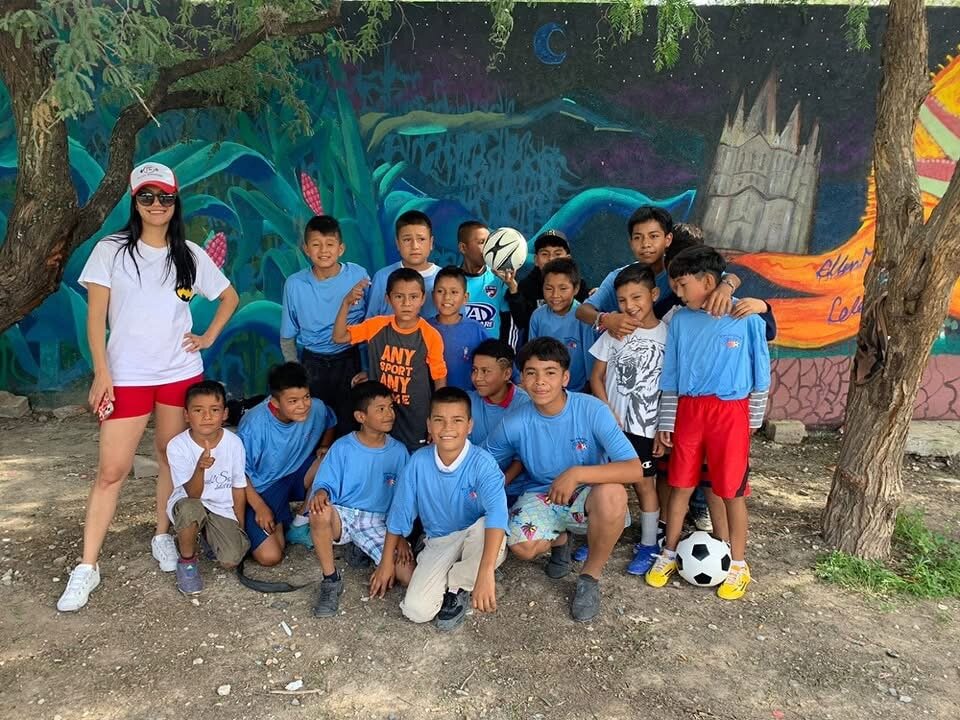
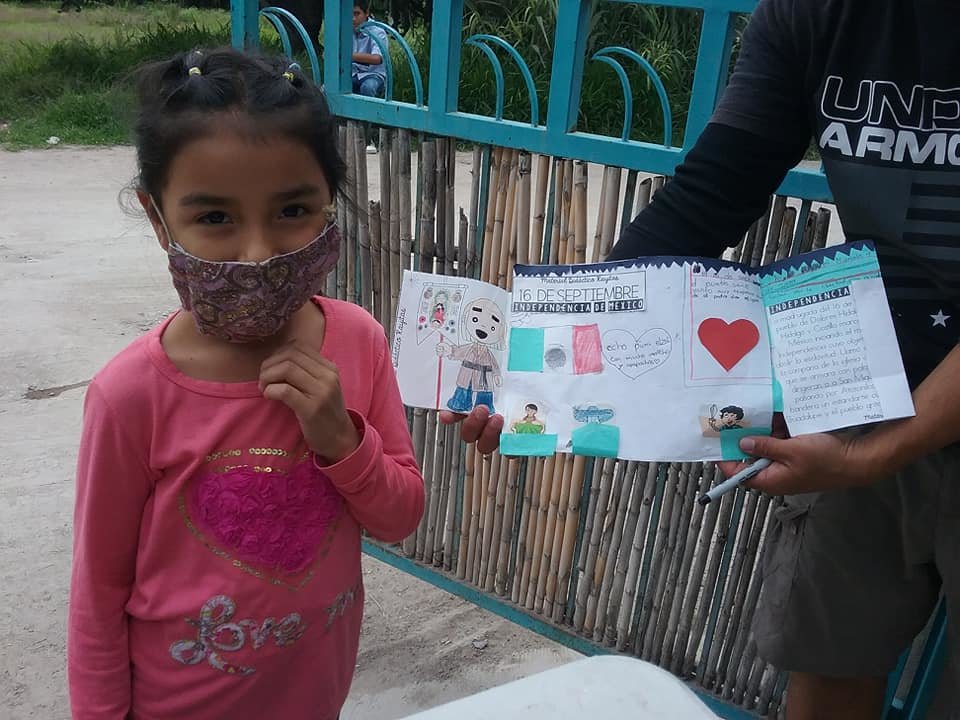
Education also happens through experiences. Our study of countries became immersive as children explored cultures through clothing, traditions, crafts, games, and food—building curiosity about the wider world and respect for cultural differences. Children's Day transformed the month's Middle Ages curriculum into games and a learning rally, while Family Day brought children, parents, and staff together around shared activities, food, communication, and community.
For us, overcoming educational lag does not simply mean helping a child catch up. It means giving that child more opportunities to learn, explore, create, use technology, solve problems, and discover what they are capable of achieving.
Thank you to our GlobalGiving donors for helping us make those opportunities possible for children in rural Mexico.
Project reports on GlobalGiving are posted directly to globalgiving.org by Project Leaders as they are completed, generally every 3-4 months. To protect the integrity of these documents, GlobalGiving does not alter them; therefore you may find some language or formatting issues.
If you donate to this project or have donated to this project, you can receive an email when this project posts a report. You can also subscribe for reports without donating.



Support this important cause by creating a personalized fundraising page.
Start a Fundraiser