By Pich Somaly | Project Manager
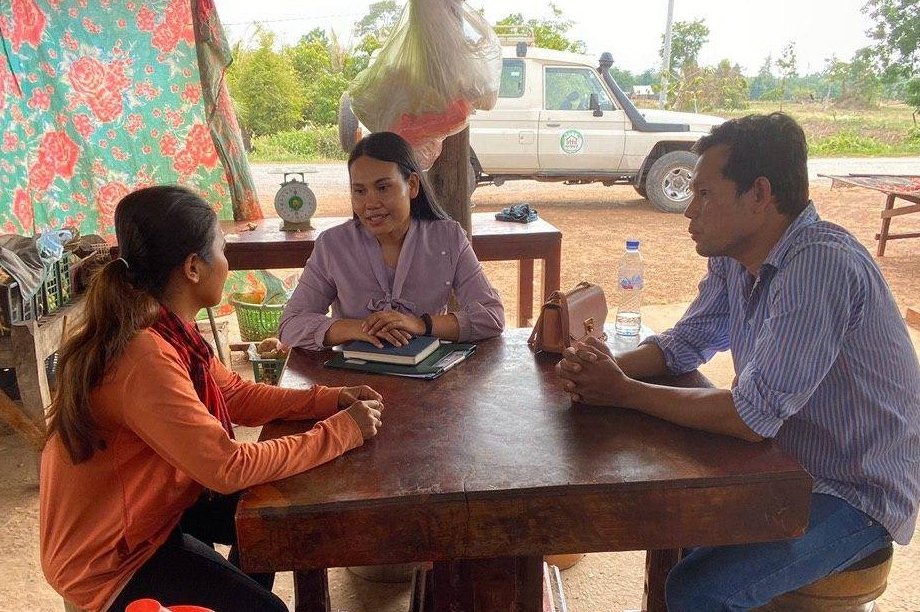
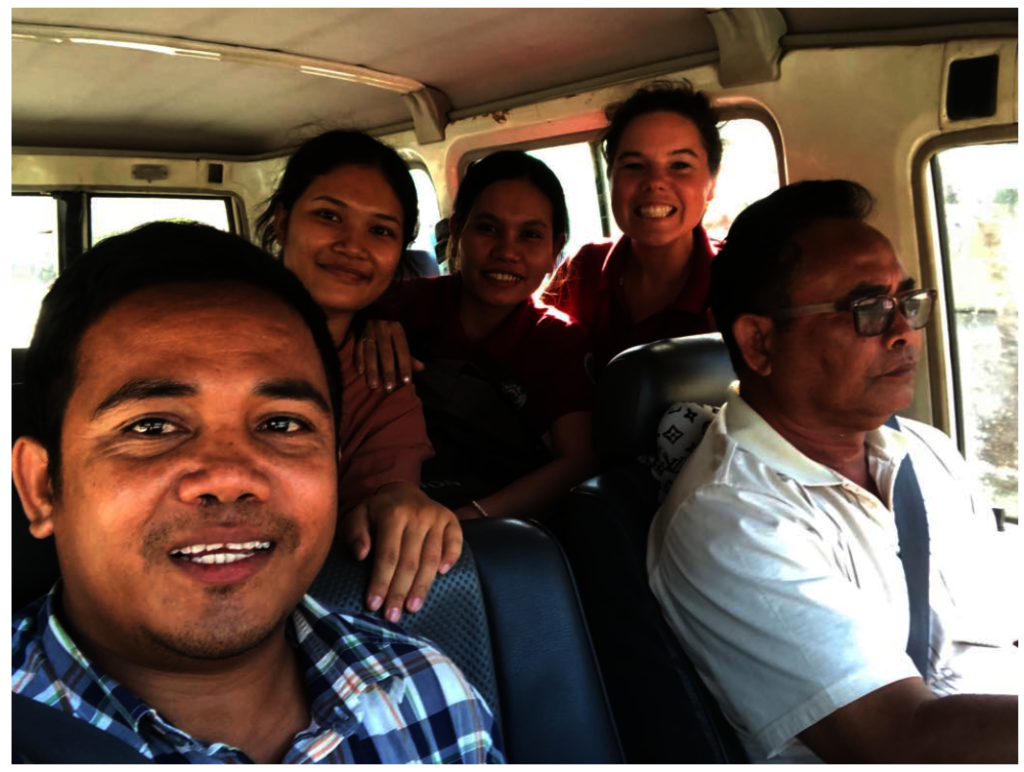
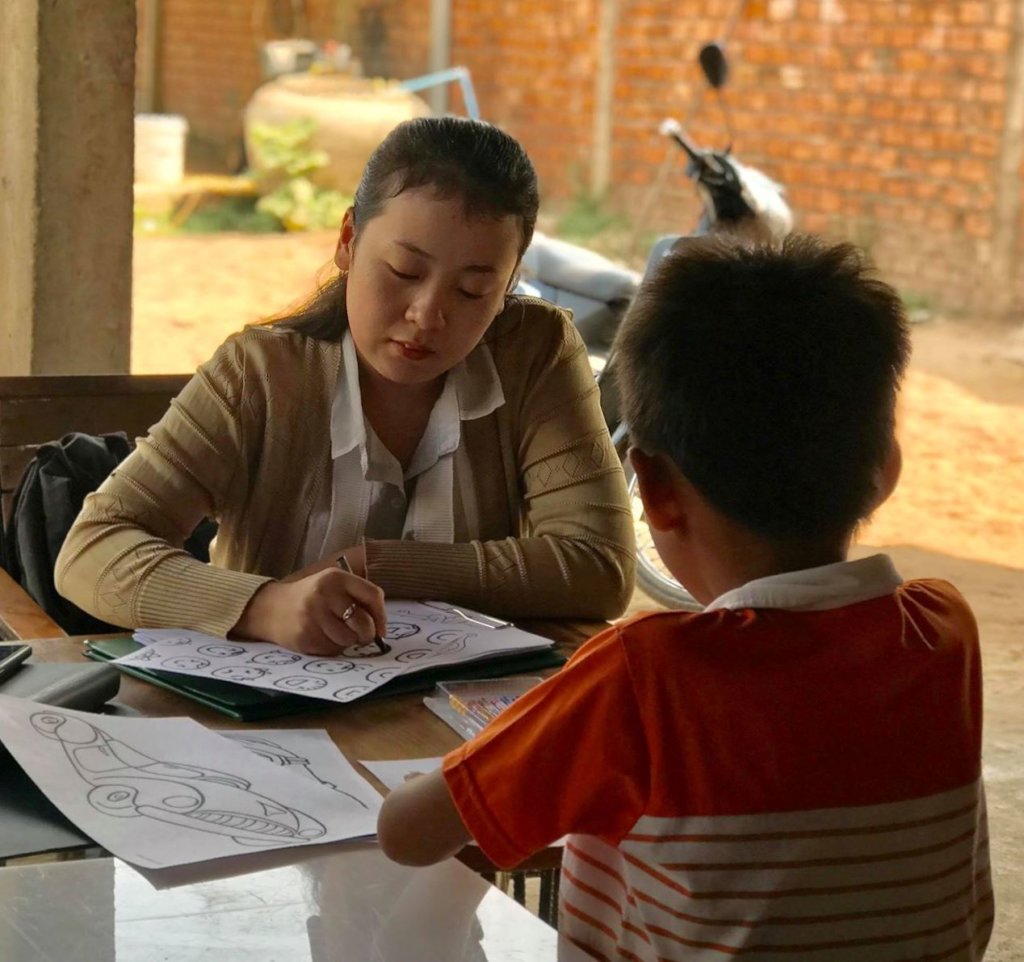
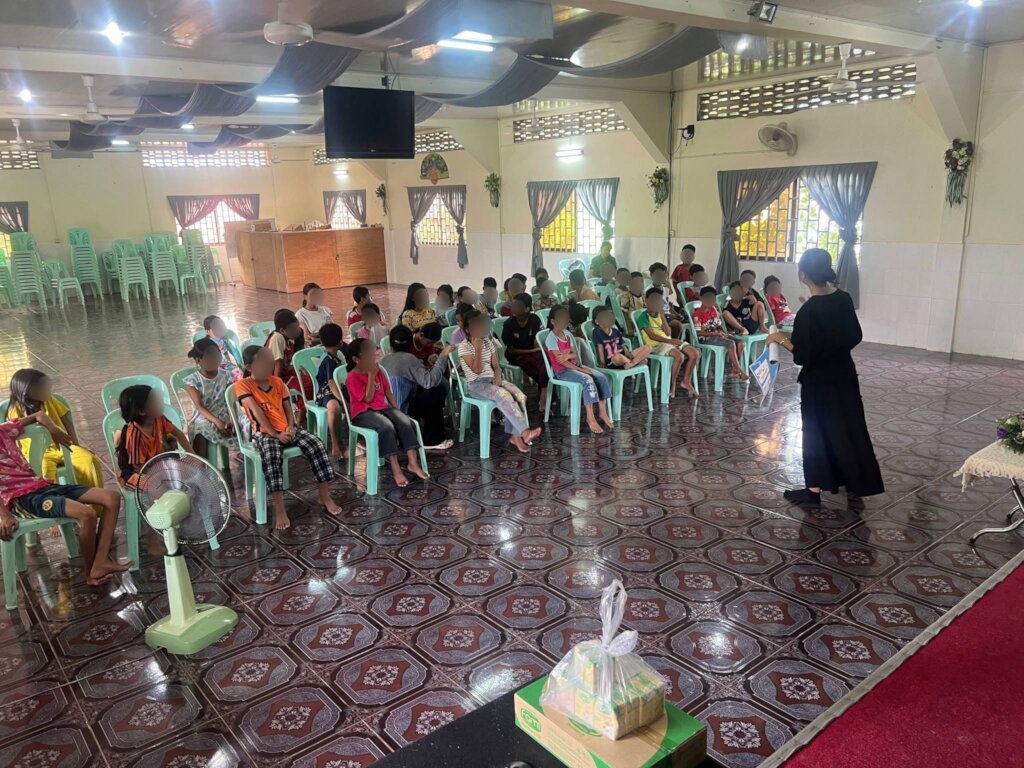
Why Are Life Skills Important for Children and Youth Living in Residential Care Institutions (RCIs)? M’lup Russey is working to empower children and young people through 18 youth clubs operating in Residential Care Institutions (RCIs) across Battambang, Siem Reap, Pursat, Kandal, and Phnom Penh. Through a peer-to-peer support model, young adult Careleavers provide guidance, encouragement, and practical support to children currently living in alternative care. This support helps them develop important life skills, strengthen their confidence, and prepare for safe and independent living.
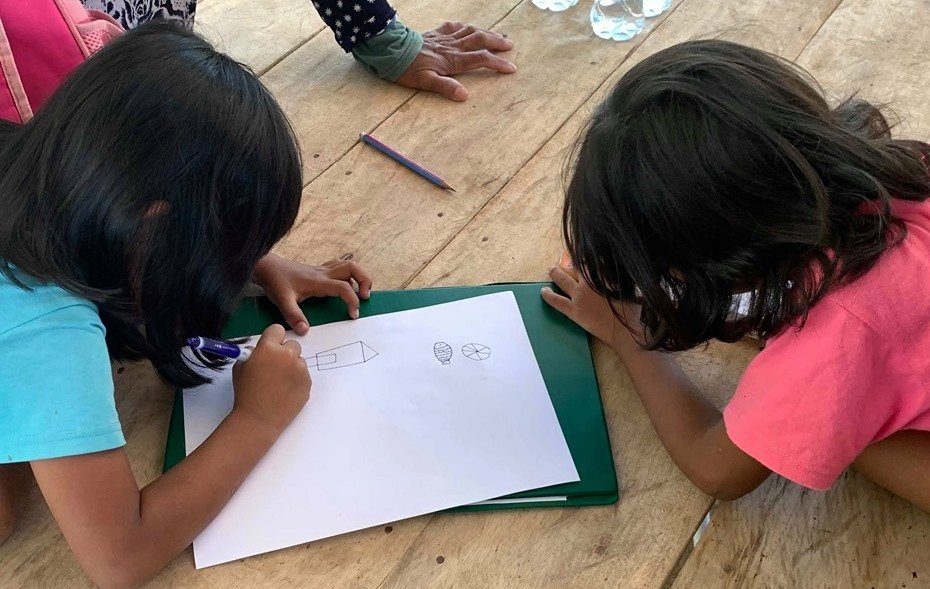
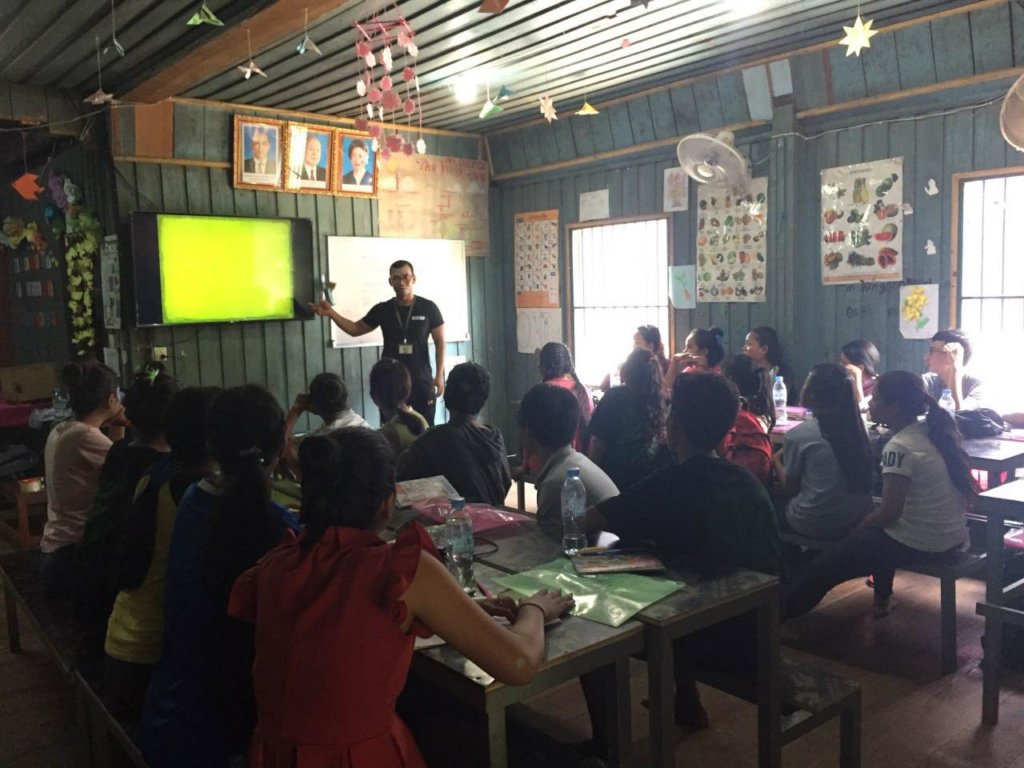
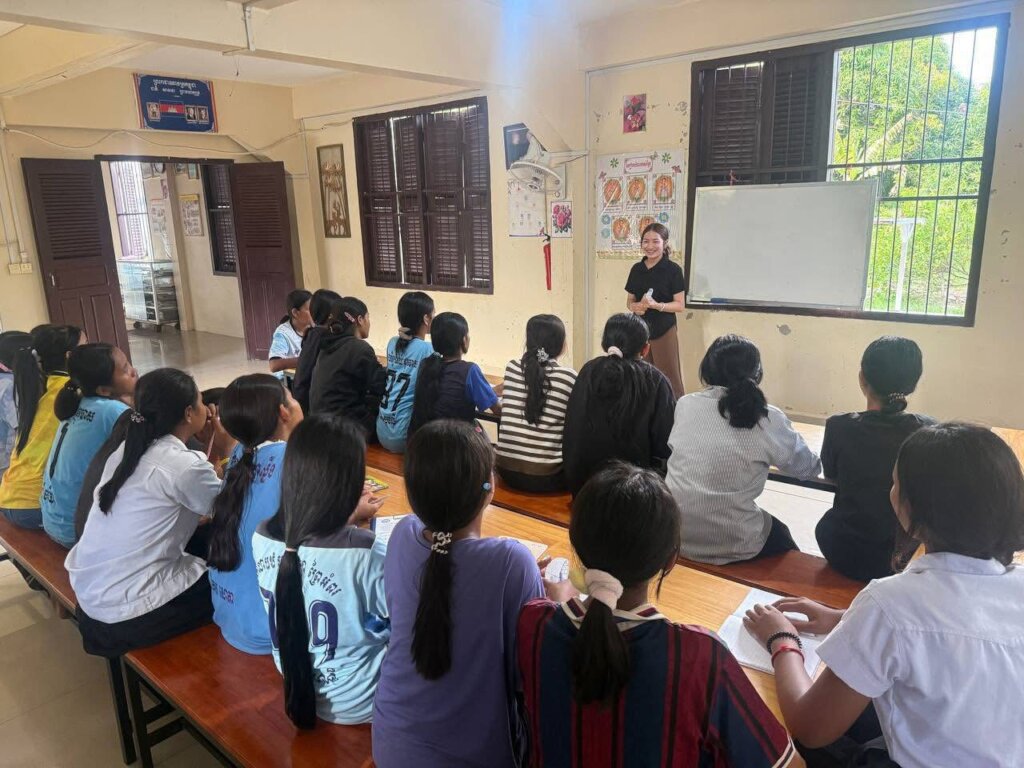
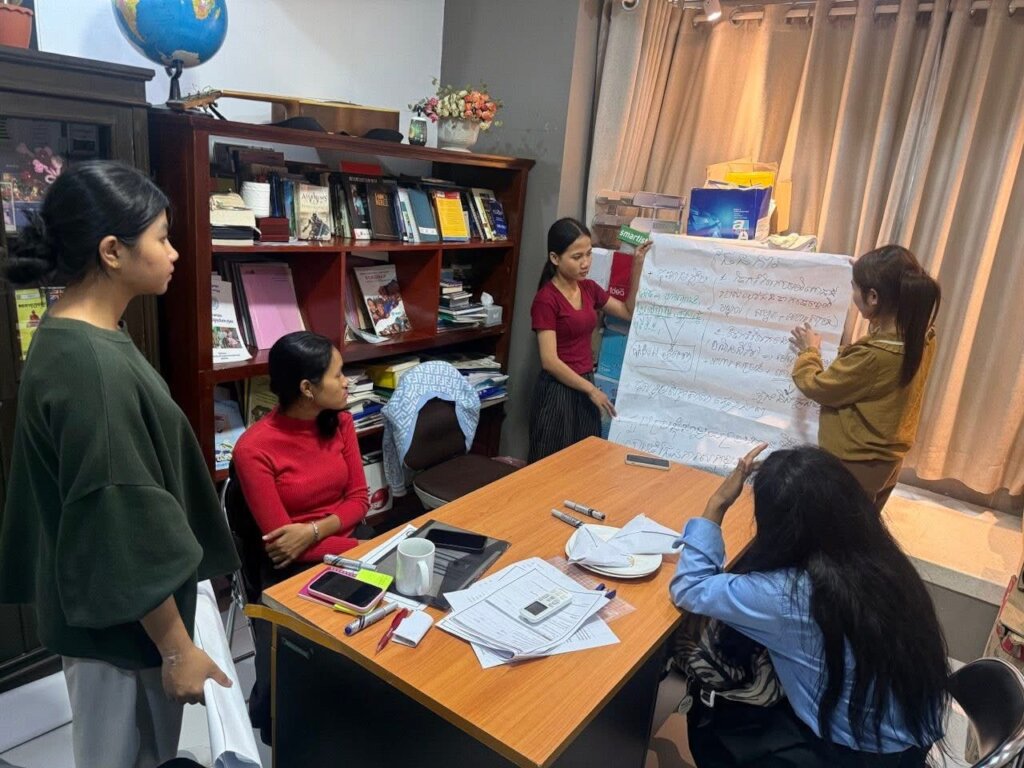
Over a three-month period, 220 children, including 148 girls, received peer-to-peer support from three young women Careleavers (young people who have transitioned out of residential care). The support focused on key life skills topics, including personal hygiene, safety, preparation for reintegration, reporting mechanisms and child safeguarding systems, risk identification and response, effective communication, money management, child protection, participation in national and sub-national processes, sexual and reproductive health and rights (SRHR), and menstrual health.
These sessions provided children and young people with practical knowledge and skills to help them navigate daily life, protect themselves from risks, and make informed decisions. The peer-to-peer approach was particularly effective because the Careleavers were able to share their own experiences and serve as positive role models for children currently living in Residential Care Institutions (RCIs).
These life skills are essential for children and youth living in alternative care settings. They help build both soft and practical skills, strengthen self-confidence and self-esteem, and promote healthy behaviors and personal development. Most importantly, they equip children and young people with the knowledge and abilities needed for a safe and successful transition to independent living and reintegration into their families and communities after leaving residential care.
Impact of Life Skills Training and Peer-to-Peer Support
One youth club member faced behavioral challenges and often struggled to communicate positively with other girls in the center, as well as with caregivers and the center director. She often did not listen to caregivers and rarely interacted with or built relationships with her peers or the adults supporting her. After receiving peer-to-peer support from Careleavers and participating in life skills sessions, she demonstrated significant positive changes. She became more proactive, communicated more openly with other youth club members, and actively participated in group activities. Her communication skills improved greatly, and she began building positive relationships with her peers. This transformation helped her become more confident, cooperative, and engaged within the youth club and with her family.
A young woman from the Khmer for Khmer Youth Club in Siem Reap was often worried and shy when discussing menstrual health. She had limited knowledge about menstruation and did not know how to properly care for herself during her monthly period. After participating in a life skills and menstrual health awareness workshop, she gained valuable knowledge and confidence in managing her health. She learned how to maintain good hygiene, practice self-care during menstruation, and understand which foods and healthy habits could help reduce discomfort. Before attending the workshop, she frequently experienced stomach pain and discomfort during her period. Since applying the knowledge she gained, she has improved her self-care practices and is now better able to manage her menstrual health and reduce some of the challenges she previously faced. The impact of this learning has extended beyond her own life. She has shared her knowledge and experiences with friends at her center and school who face similar challenges. By doing so, she has helped raise awareness and encouraged other young women to take better care of their health and well-being during menstruation.
In Conclusion, through life skills training and peer-to-peer support activities, youth club members have experienced significant personal growth and transformation. They have developed stronger self-confidence, leadership abilities, and practical skills, both soft and technical, that prepare them for independent living and active participation in their communities. Some have become child advocates, contributing to safer and more caring environments while inspiring others through peer support. This journey demonstrates how targeted life skills training can empower children and young people to become resilient, responsible, and engaged agents of change.
Quote
"The life skills sessions and support from Careleavers helped me become more confident and communicate better with others. I learned how to solve problems, build positive relationships, and participate actively in group activities. Now, I feel more prepared for my future and confident in myself."
— Youth Club Member
Links:
Project reports on GlobalGiving are posted directly to globalgiving.org by Project Leaders as they are completed, generally every 3-4 months. To protect the integrity of these documents, GlobalGiving does not alter them; therefore you may find some language or formatting issues.
If you donate to this project or have donated to this project, you can receive an email when this project posts a report. You can also subscribe for reports without donating.



Support this important cause by creating a personalized fundraising page.
Start a Fundraiser