By Becky Metcalf | Project Leader
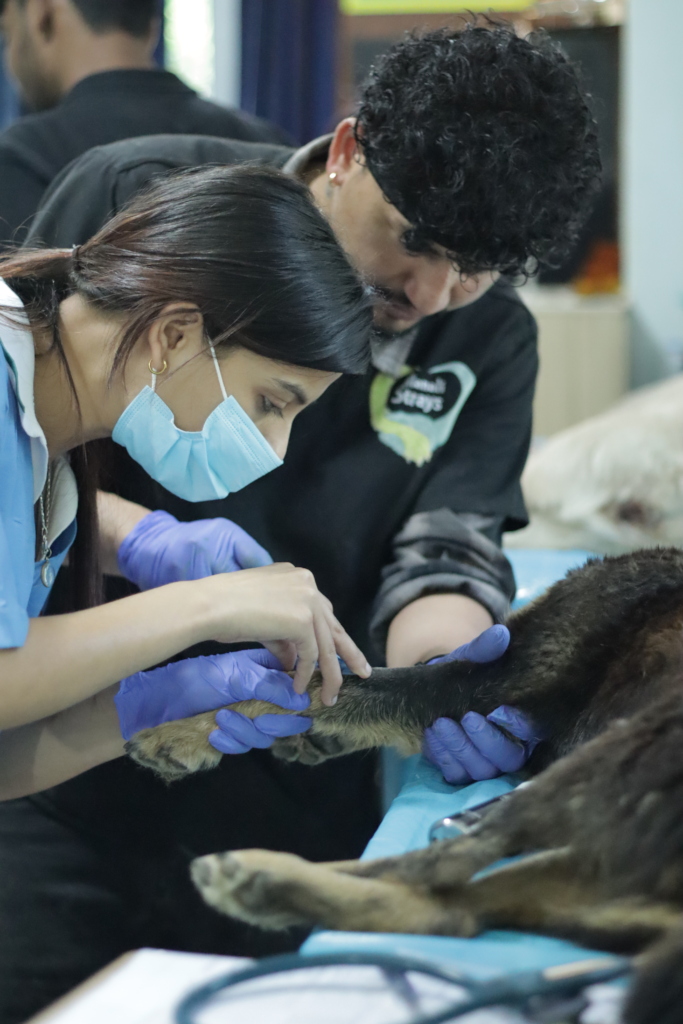
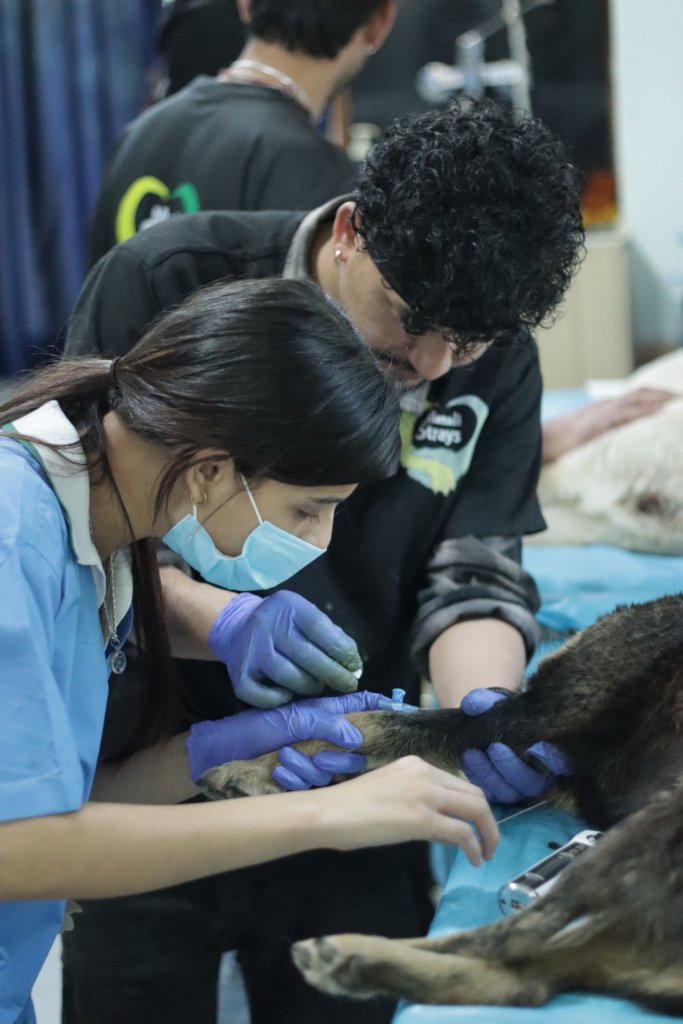
The months from 1 February to 30 May 2026 were an extremely busy and important period for our team. As the winter slowly gave way to spring in the mountains, our rescue, treatment, vaccination and sterilisation work continued across Kullu district and surrounding areas. The change in season brought some relief from the harshest winter conditions, but mountain rescue work remains physically and logistically demanding throughout the year. Many of the animals we see are injured or unwell because of the difficult environment they live in. Dogs and cats in the mountains face steep roads, fast traffic, extreme temperatures, poor access to veterinary care, and a constant struggle to find food and shelter. Road traffic accidents remain one of the most common and serious reasons for rescue. We regularly respond to animals with fractures, spinal injuries, deep wounds, head trauma and severe soft tissue injuries after being hit by vehicles. Skin disease is also very common, particularly mange, chronic wounds, fungal infections, flea infestations and secondary bacterial infections. Many animals arrive weak, anaemic, dehydrated or suffering from preventable infectious diseases. Despite these challenges, our team continued to respond every day, providing rescue, treatment, surgery, vaccination, sterilisation and follow-up care wherever it was needed.
During this period, we carried out the following:
These numbers represent a very significant amount of direct animal welfare work. Each sterilisation helps prevent future unwanted litters and reduces the long-term suffering caused by overpopulation. Each vaccination helps protect both animals and people from serious disease, especially rabies, which remains a major public health and animal welfare concern in India. Each rescue represents an animal that may otherwise have been left to suffer without treatment. We were also able to strengthen the veterinary capacity in the region. We hosted a Worldwide Veterinary Service surgical training skills programme, helping to train 8 veterinarians from India in key surgical skills for sterilisation. This was the second time we have hosted this programme, and it is an important part of our long-term strategy. By improving surgical confidence, technique and safety among veterinarians, the impact extends far beyond the animals treated at our own centre. Better-trained vets mean more humane, efficient and safe sterilisation programmes in other parts of the country as well. We also continued our collaboration with the International Veterinary Students’ Association of India, through which we trained 36 veterinary students in hands-on practical skills. These students received exposure to real clinical and surgical work in a field setting, helping bridge the gap between classroom learning and the realities of animal welfare practice. Training young vets and veterinary students is one of the most valuable ways we can contribute to the future of animal welfare in India.
Another major development during this period was the installation of an ultrasound machine at our veterinary hospital. This is the first veterinary ultrasound machine in Kullu district, and it represents a major improvement in diagnostic capacity for animals in the region. Until now, many conditions were difficult or impossible to assess properly without referring animals far away, which is often not practical for injured, sick or stray animals. Ultrasound will allow us to diagnose pregnancy, abdominal trauma, internal bleeding, bladder problems, uterine infections, organ disease and many other conditions more quickly and accurately. This will make a direct difference to the quality of care we can provide.
Our hospital continued to manage a wide range of cases throughout this period. Alongside road traffic injuries and skin disease, we treated animals with infected wounds, gastrointestinal illness, respiratory infections, reproductive emergencies, bite wounds, eye injuries, malnutrition and chronic disease. Many rescued animals required days or weeks of care, including wound cleaning, pain relief, antibiotics, fluid therapy, surgery, physiotherapy and nutritional support. Follow-up treatment is a major part of our work, as many animals need repeated care before they can recover fully. The pet treatment figures also reflect the continued need for accessible veterinary care in the region. Many families in mountain communities have limited access to veterinary services, especially for more advanced treatment. By treating pets as well as stray animals, we are able to improve animal welfare more broadly, support responsible animal care, and build stronger relationships with local communities. Vaccination remained a major focus. Rabies vaccination is one of the most important interventions we can carry out, protecting dogs, other animals and people.
In addition to 988 rabies vaccinations, we administered 565 vaccines against other infectious diseases. Preventive healthcare is especially important in areas where animals move freely between villages, roads, markets and forests, and where outbreaks can spread quickly. Sterilisation work also continued at a strong pace, with 397 dogs and 6 cats sterilised during the reporting period. Humane population control is essential in reducing suffering over the long term. Fewer unwanted litters means fewer puppies and kittens born into hunger, disease, abandonment and injury. It also reduces pressure on communities and helps create a healthier, more stable animal population.
Mountain animal rescue is never straightforward. Reaching injured animals can involve long drives on narrow roads, difficult terrain, unpredictable weather and limited access to equipment or support. Some rescues happen late at night or in remote areas where animals are frightened, hiding or unable to move. Once rescued, many animals require intensive care before they are stable enough for surgery or recovery. This work is physically and emotionally demanding, but it is also deeply necessary. The progress made during these months shows not only the scale of the need, but also the growing strength of our veterinary and rescue programme. We have continued to treat large numbers of animals, expanded vaccination coverage, carried out lifesaving surgeries, trained veterinarians and students, and improved our hospital’s diagnostic capacity with the installation of ultrasound. As always, we are immensely grateful to our supporters and donors. None of this work would be possible without you. Your support helps injured animals receive rescue and treatment, helps prevent future suffering through sterilisation and vaccination, and helps build better veterinary care in a region where animals have historically had very limited access to advanced treatment.
Thank you for standing with us and making this work possible.
From the Manali Strays Team
Project reports on GlobalGiving are posted directly to globalgiving.org by Project Leaders as they are completed, generally every 3-4 months. To protect the integrity of these documents, GlobalGiving does not alter them; therefore you may find some language or formatting issues.
If you donate to this project or have donated to this project, you can receive an email when this project posts a report. You can also subscribe for reports without donating.



Support this important cause by creating a personalized fundraising page.
Start a Fundraiser