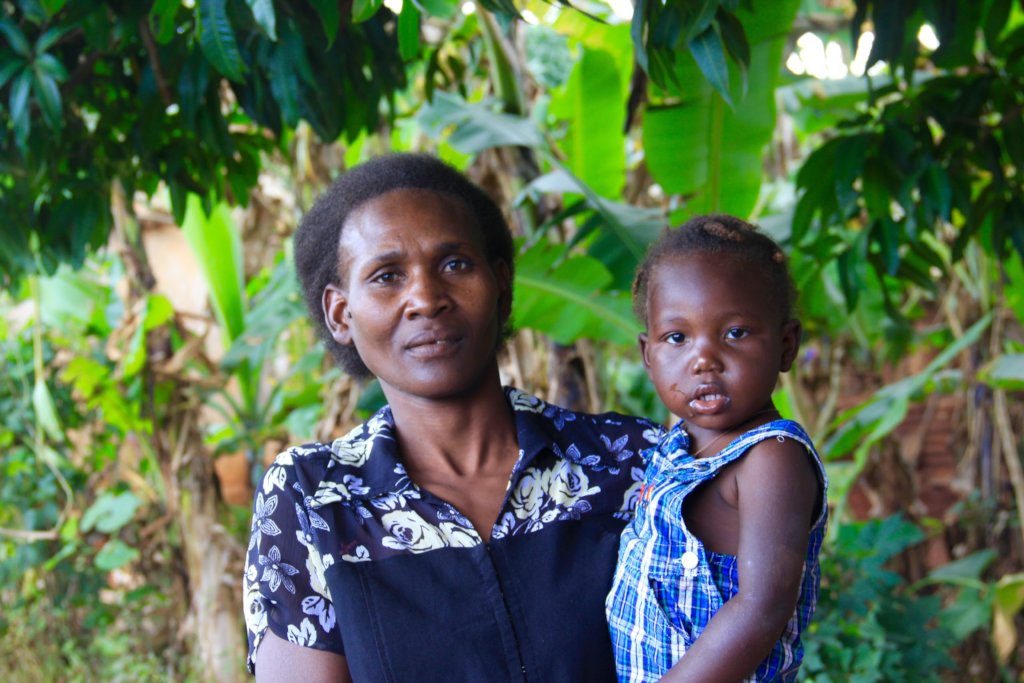
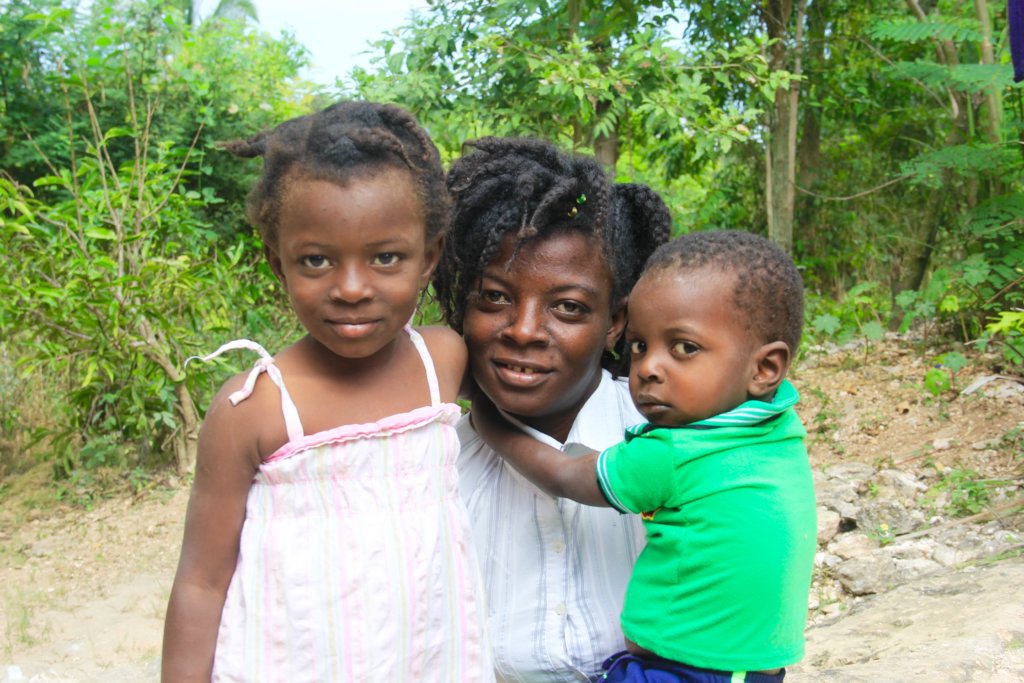
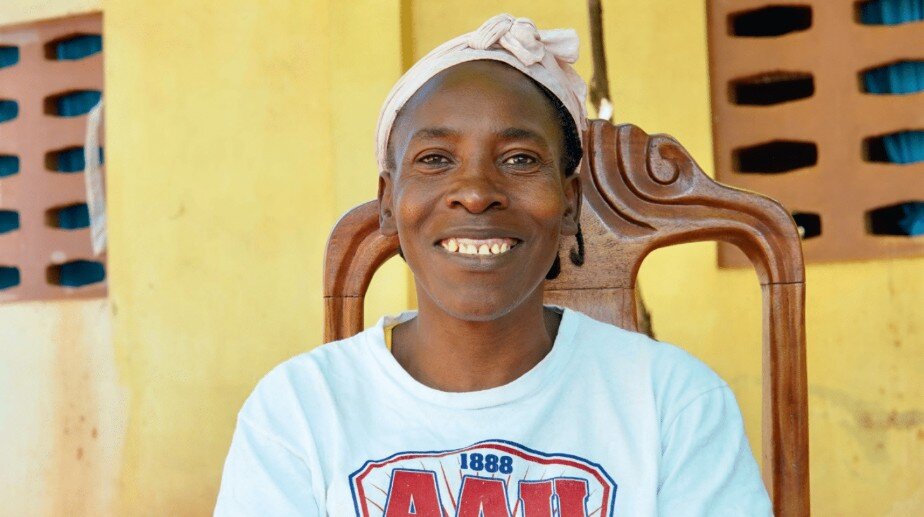
Zette is building a future for her children.
Zette has always been an entrepreneur of necessity—borrowing to buy and sell goods to care for her children, even when resources were scarce. A survivor of child domestic servitude (restavèk), her hardships began early, and she has weathered loss, severe illness, and economic instability. Medical care drained what little she had, and her home lacked basic facilities.
Then Zette’s house burned down. "We fled with our lives," Zette said. She was left without capital, housing, or a clear path forward.
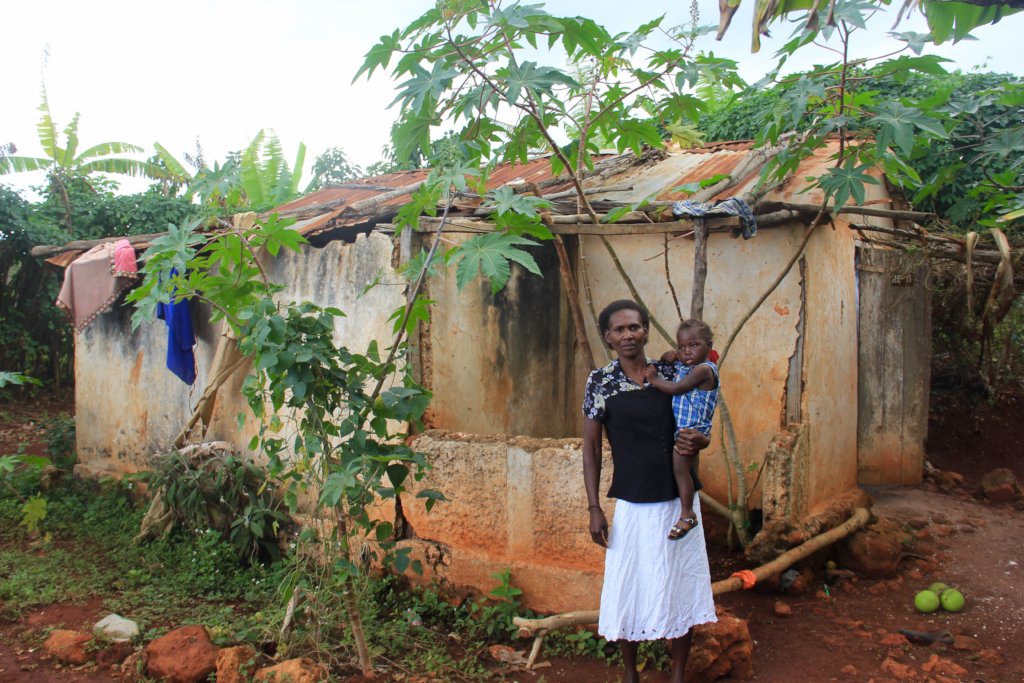
Since the fire, Zette has been sheltering in a leaky structure built of tarps and aluminum sheeting. Her children have been sleeping at a neighbor's house, where she helps them get ready each morning and walks them to school. At night, she tucks them in and returns to her shelter.
Zette uses a Haitian proverb to describe her situation: Nan kay vwayajè, se gran pike ki mèt—in a traveler’s lodgings, the big man is master. If you don’t take care of your own, others will take advantage, and when you are forced to live in someone else’s space, you are never truly at ease—something Zette knows all too well as a survivor of restavèk.
Today, Zette is rebuilding her life. Recognized by her community as a family facing severe poverty without stable shelter, reliable meals, or support, Zette was selected to participate in Beyond Borders’ Family Graduation Program, implemented in partnership with the Association of Farmer Organizers of Lagonav (AAPLAG).
Participants receive cash transfers to stabilize income, training, livelihood assets, a secure home, and weekly coaching visits. “It was like I had no one at all—like an orphan. But now I have a person who comes to see me,” Zette says. "I am not alone."
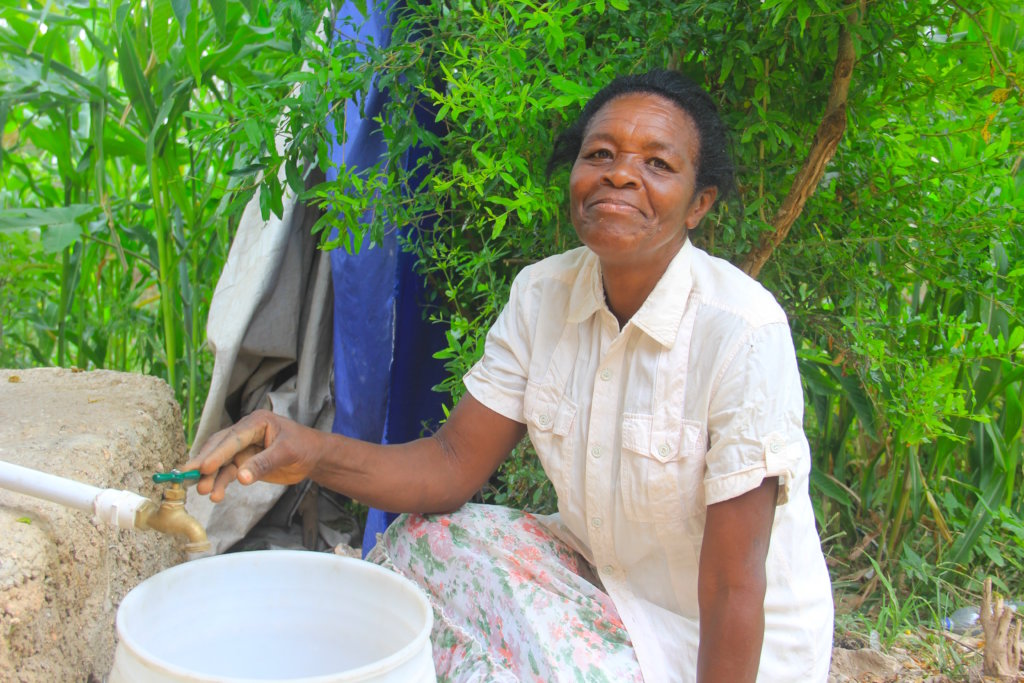
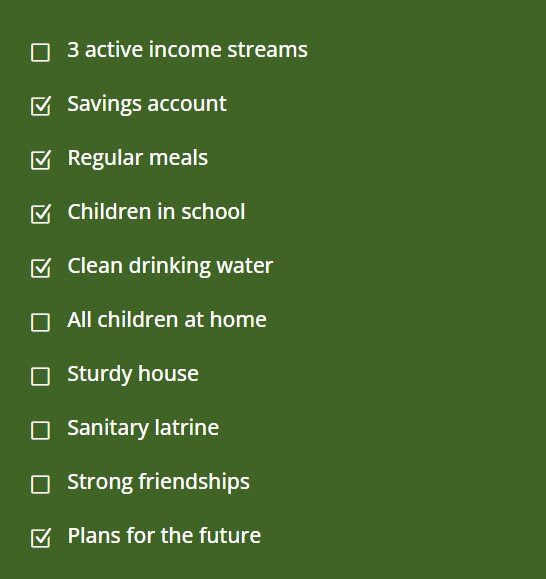
Zette learned to treat the drinking water she collects from a local borehole, a first step toward safer water until she can access a rainwater catchment system in the future. Her 2-year-old daughter receives nutritional support through the program’s health component.
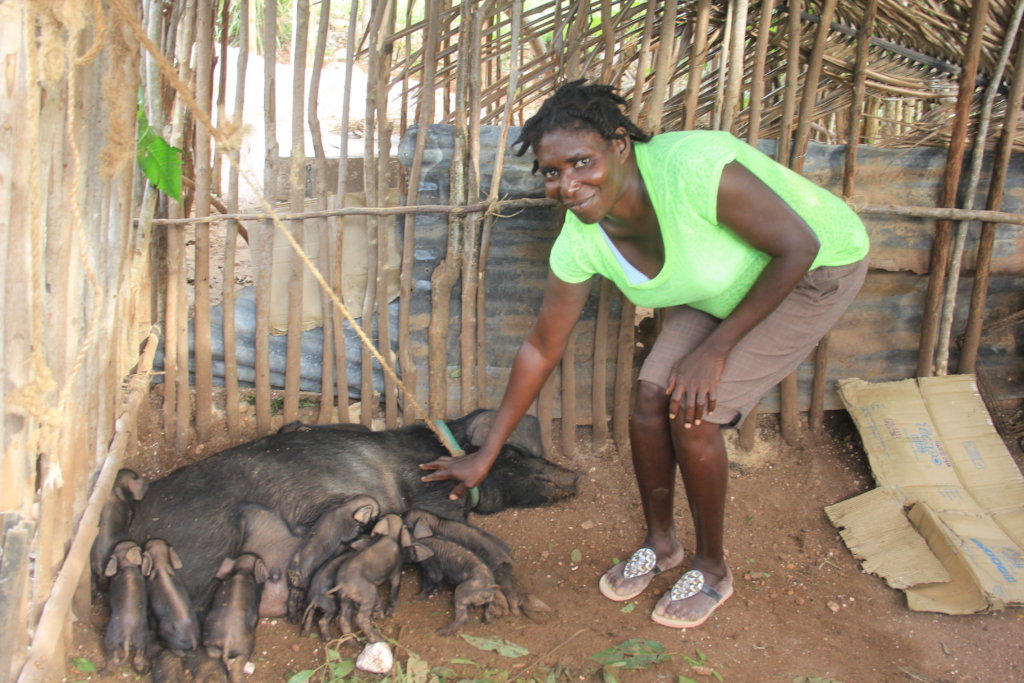
Zette received a pig and purchased additional chickens. "This pig is my hope," she says. She has begun saving for the first time—another source of hope for her future. She is constructing a stall for livestock, clearing space for a garden, and gathering wood, sand, and rocks to build a home for her children. "I didn't have the means to build a house before," Zette adds. “I couldn't even imagine it. But thanks to God, I've finished the foundation now. I have hope I’ll come out of the rain. This foundation is my greatest hope.”
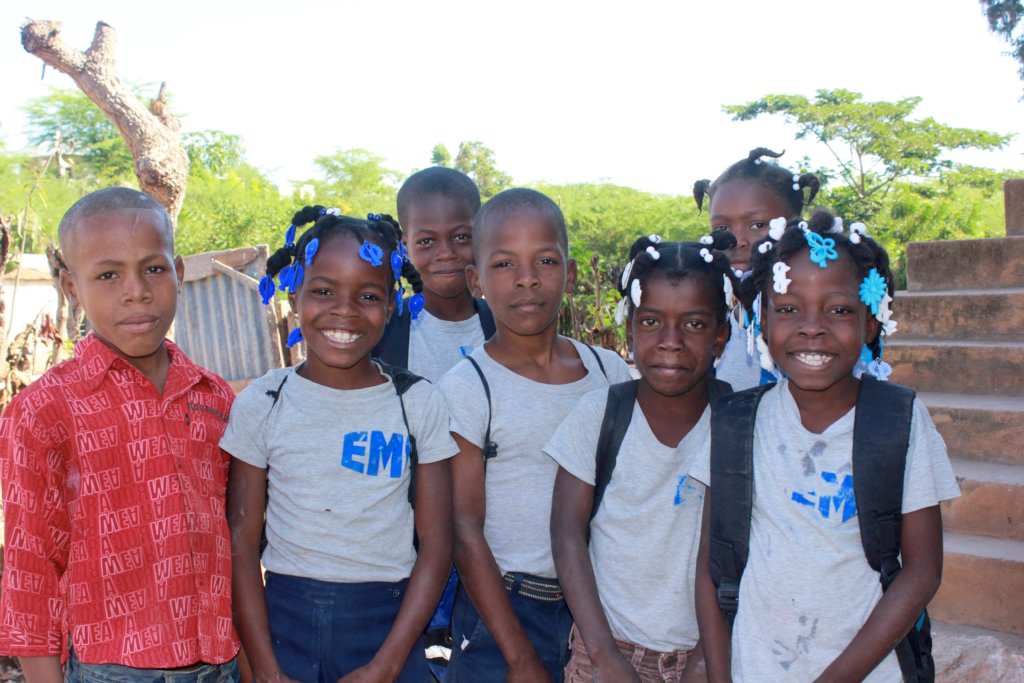
With five of her children attending school regularly, Zette is no longer focused only on today’s crisis. She is looking ahead.
She turns every small resource into a building block. She manages cash assistance with care, setting aside savings while using the rest for food and building assets. Zette anticipates earning new income from her animals, with eggs to sell and piglets and goats she can raise or sell.
Zette is preparing garden beds to plant peppers, papaya, and sorghum for food, income, and livestock fodder. She plans to start a small business and is learning to read and write—another foundation for the future.
With each step, Zette is building what once felt impossible.