By Michelle Riley | Director of External Affairs
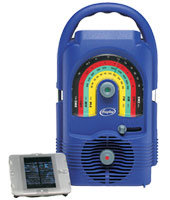
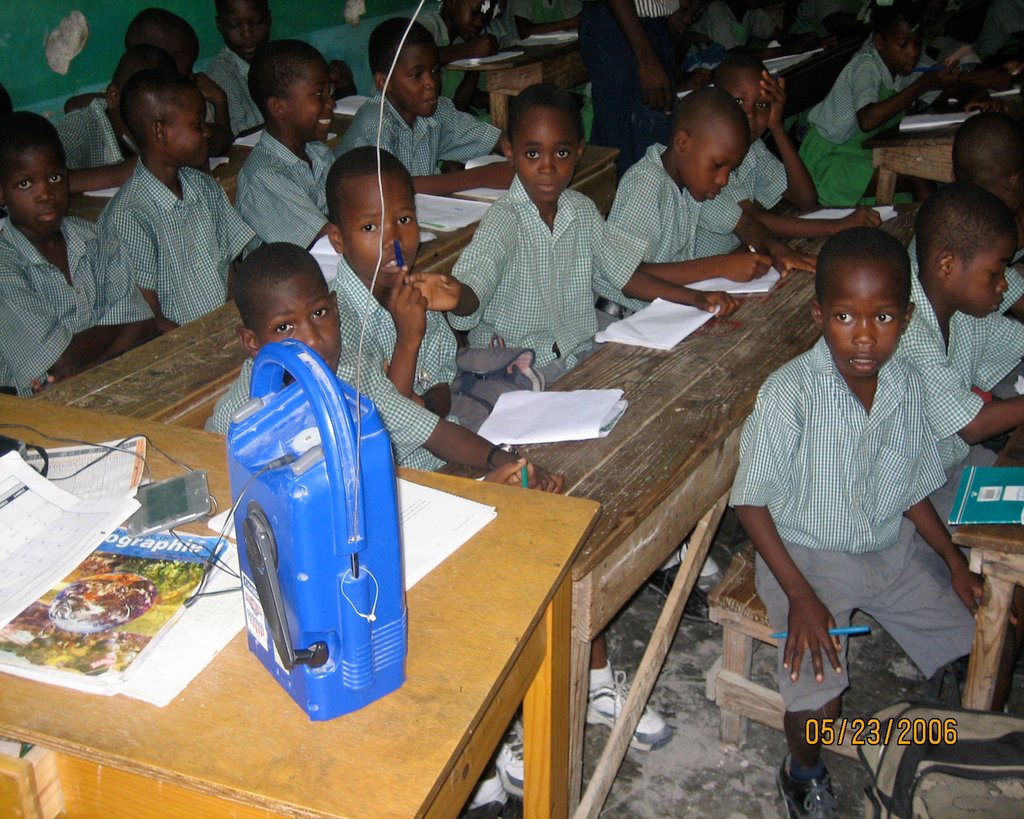
Amidst reports that recovery in Haiti has been slow and many international organizations have abandoned their commitments, Lifeline Energy is proud that 1,000 of its solar-powered and wind-up radios have been successfully distributed and implemented in Haiti’s reconstruction plans. As a year passes since a 7.0 magnitude earthquake shattered Haiti leaving 1.5 million homeless, reports indicate that only a fraction of the aid promised has actually been delivered.
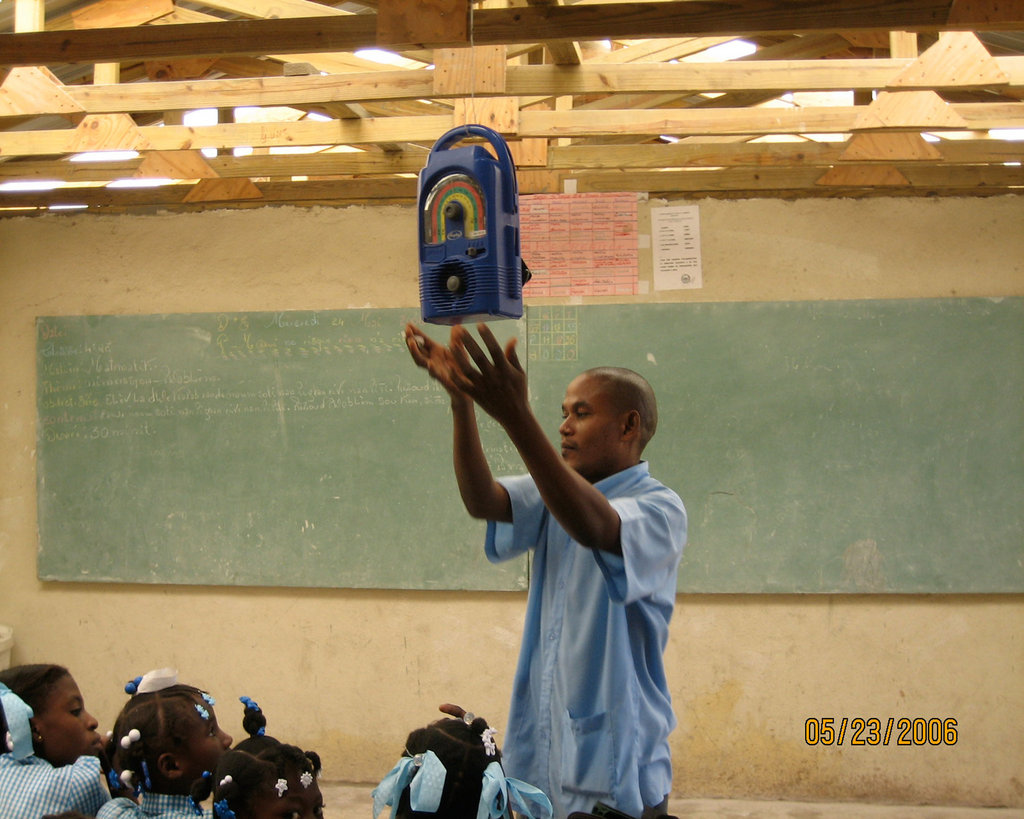
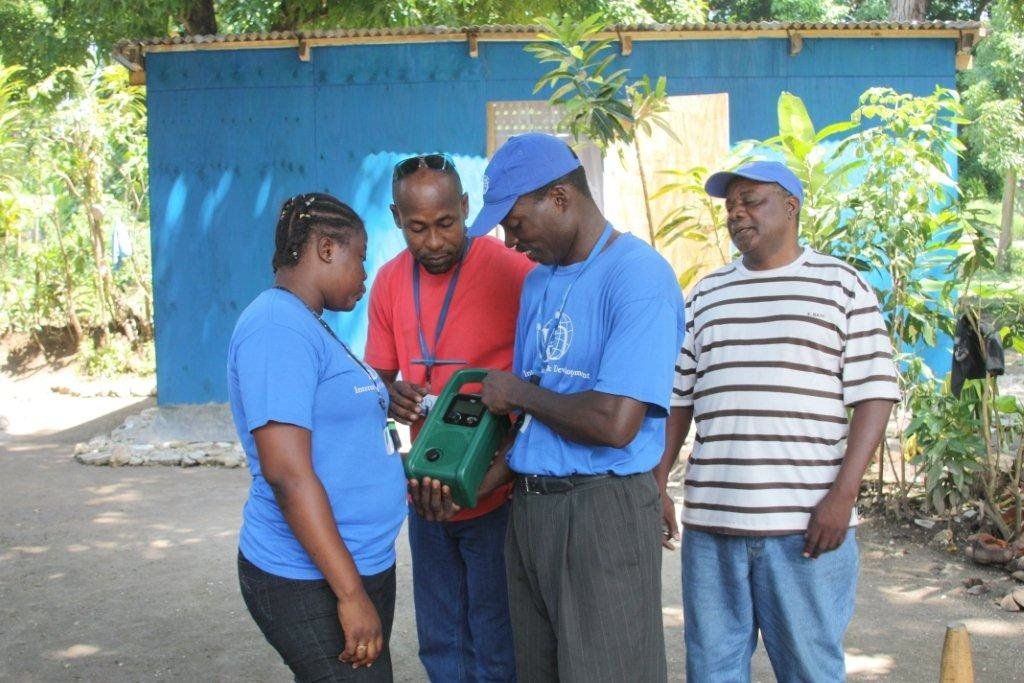
Despite initial frustrations with the delivery - Lifeline Energy’s project manager Chhavi Sharma travelled to Haiti to ensure the radios were appropriately distributed and that people were trained to use them – the radios have been a success. Since their distribution they have proved instrumental in informing people on reconstruction plans and health awareness tips. This is important information given that the UN has estimated that 650,000 Haitians will still be living in camps by the end of 2011 and Médecins Sans Frontières has warned that cholera will remain a serious problem in the country for years to come.
In addition, the radios are providing psychosocial support. One example is 52-year-old mother, Raymonde Saint Suren. She said that the radio has proved to be an “all day long coping mechanism,” and added, “I listen to music all day and dance along with it. It helps me deal with the conditions that we now live in.”
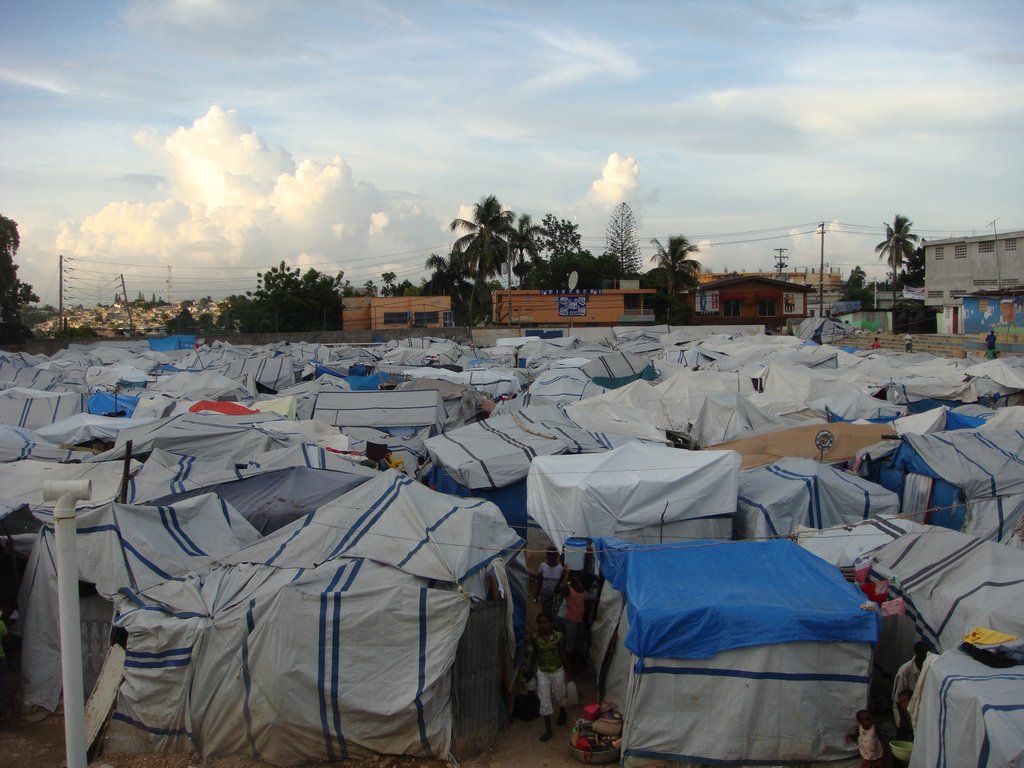
Amidst the rise of “tent cities” in Haiti, there is also optimism that recovery from the earthquake could open a new chapter in Haiti’s development and provide a fresh start for a country that has been plagued with natural disasters. Lifeline Energy’s radios can help in this new chapter.
Relief Web, which is administered by the United Nations Office for the Coordination of Humanitarian Affairs, recently acknowledged that as in past crises around the world, radio continued to be the most effective tool for serving the information needs of the local population. In a report entitled "Media, Information Systems and Communities: Lessons from Haiti," it wrote that the first media priority in Haiti was to restore radio service and that the United Nations Stabilization Mission in Haiti, the BBC, the Voice of America and Radio France International put together a “remarkable range of information and communications responses.”
“Radio is Haiti’s dominant medium. Access to radio can be shared easily and relatively cheaply among many people, and serves both literate and illiterate populations. […] These factors made radio the undisputed lifeline for the Haitian public after the earthquake, “ the report mentioned.
Although Lifeline Energy is no longer accepting public donations for this project, we will keep updating this important initiative on our website.
Project reports on GlobalGiving are posted directly to globalgiving.org by Project Leaders as they are completed, generally every 3-4 months. To protect the integrity of these documents, GlobalGiving does not alter them; therefore you may find some language or formatting issues.
If you donate to this project or have donated to this project, you can receive an email when this project posts a report. You can also subscribe for reports without donating.