By Parthibhan Amudhan | General Manager
Report on Baseline survey conducted as part of the "All Children Reading" program:
In the third and fourth weeks of June, 2013, a baseline survey was conducted in the 4 Treatment Districts (TDs) and the 2 Control Districts (CDs). The month of May was devoted to the preparation of tools, pre-pilots in other districts in Maharashatra and Gujarat, and modification and finalization of the tools. The first couple of weeks of June was devoted to training of the Master trainers in Delhi and training of the surveyors at the district level. This report provides details about all the activities conducted for the survey.
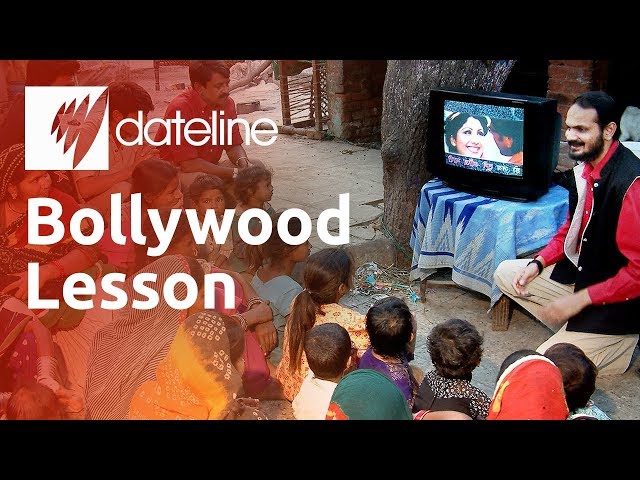
Telecast of SLS was resumed in the month of July.
Tools:
For the purpose of the survey, we supplemented ASER’s tools to fit the needs of our project. We had three tools (Appendix A):
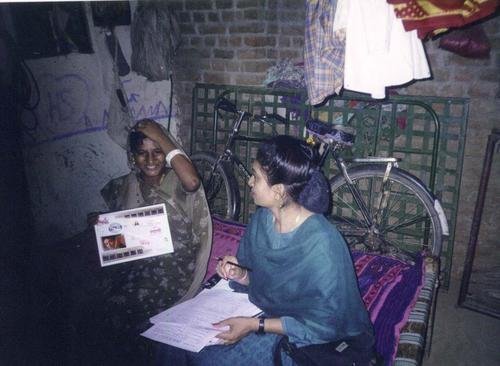
- Household survey: This consisted of most of the socio-economic indicators collected by ASER. We added a question on land, one on the occupation of the parents and a couple on their reading abilities.
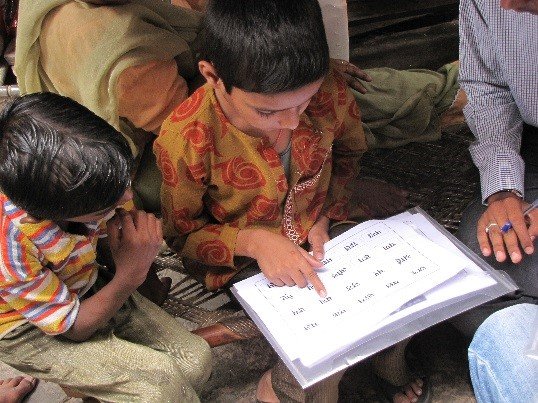
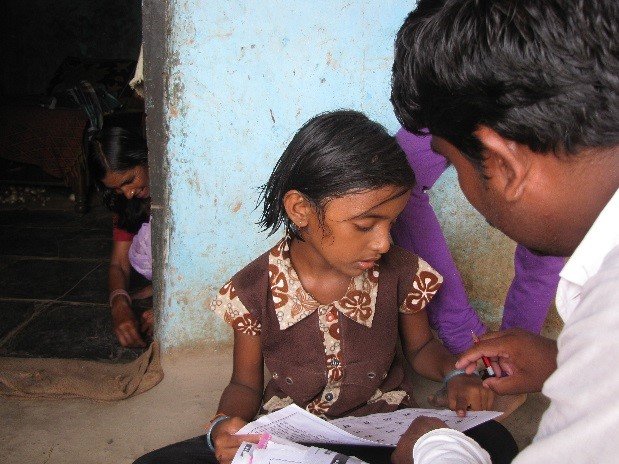
- Reading exercises: The first four exercises were designed to assess the reading ability of the child, specifically relating to character recognition. These were:
These four exercises had to be administered and coded to document whether the child could read or not. This was the mandatory section. Following that, three prose sections (with increasing levels of complexity) were to be administered based on the ability of the child to read. Only the first section was mandatory and the others were administered only if the previous one was read properly.
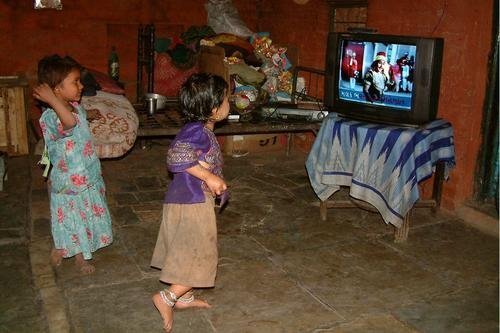
- Media questionnaire: These consisted of questions both for the adult and the child that documented their TV viewing habits of both.
Methodology:
Survey methodology used by ASER for their Annual Status of Education Report has been adapted to fit the requirements of our project for this survey. We drew a sample of at least 480 children per district from 480 households across 30 randomly selected villages (see Appendix B for the list of villages in each district). These households are TV-owning households with children of ages 6 – 14, at least one of whom goes to a government school or is out of school.
Training:
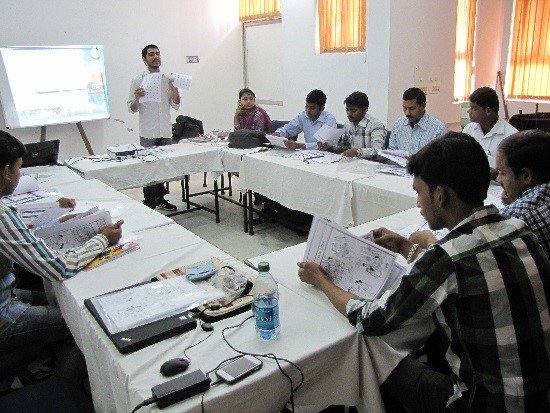
The first step was to train the Master Trainers (MT), two from each of the districts, who would then go back to their districts and train the surveyors. This training consisted of three days:
Day one: An overview of the project and purpose of the survey was outlined by Lata (representative of Planetread). Following this the method of conducting the survey was explained by Ketan (ASER trainer and project manager). Details about what to do upon entering a village, how to divide the village into parts and how to select the households to ensure randomness was discussed. The training manual (Appendix C) was strictly followed. The participants got a chance to familiarize themselves with the tools, understand how each one had to be used and how the survey forms had to be filled. Examples were demonstrated by the trainers Ketan and x from ASER. Each MT was given a chance to fill out parts of the survey and administer the tools to their peers (a bit of role-play). At the end of the day there was a quiz to test the comprehension of the MTs.
Day two: The participants were taken to a large settlement in the outskirts of Delhi in order to pilot the tools and fill out the surveys. They divided themselves into groups of two and spread themselves out into different parts of the settlement. Each group could survey about 5 – 6 households. Both Ketan and Lata joined each group at different times to monitor progress and identify any flaws that needed correction.
Day three: This day was for regrouping and identifying any issues that needed immediate attention. The participants had a chance to present their findings and Ketan had a chance to check all the surveys to ensure that they were filled out properly. Following this, details about re-checking of the surveys was presented which would consist of desk checking, phone checking and field checking. Planning was done about the no. of days required in the field and a schedule prepared for each district.
Training at the district level:
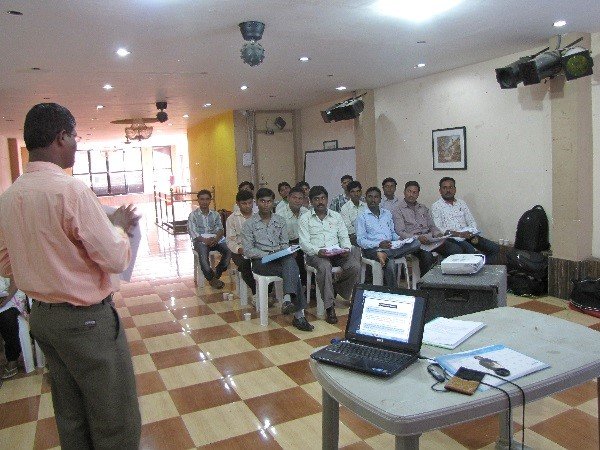
This training consisted of two days. The first day was devoted to the method and details of filling out the surveys. The first half of the second day was spent in piloting in a nearby village. The second half was spent in a collective review of the work done in the first half of the day, quizzes and other such activities designed to catch errors and refine methods.
Survey:
The survey in each district was conducted by 20 people in groups of two making it 10 groups covering 3 villages each. Each group had three days to complete the survey in one village. Thus the survey was conducted in three phases of three days each. The MTs joined a group on each day of the first phase, thereby covering 6 groups between them. This allowed them to identify problems early on and resurvey if necessary. They did a combination of field work and desk checking of the already filled-in survey forms in the second week. The third week was spent by them in doing more of the same and some field re-surveys if necessary. 3-5 days following the three phases of survey was spent by the MTs in a thorough re-check of all the survey sheets and phone and field checks.
The sheets were then sent to ASER’s data entry location in Gadchiroli, Maharashtra.
Lata participated in the training and one day of field work in Wardha district of Maharashtra.
The results of the baseline are awaited.
Links:
Project reports on GlobalGiving are posted directly to globalgiving.org by Project Leaders as they are completed, generally every 3-4 months. To protect the integrity of these documents, GlobalGiving does not alter them; therefore you may find some language or formatting issues.
If you donate to this project or have donated to this project, you can receive an email when this project posts a report. You can also subscribe for reports without donating.



Support this important cause by creating a personalized fundraising page.
Start a Fundraiser