Project Report
| Nov 11, 2025
Challenges faced by children who lack parents
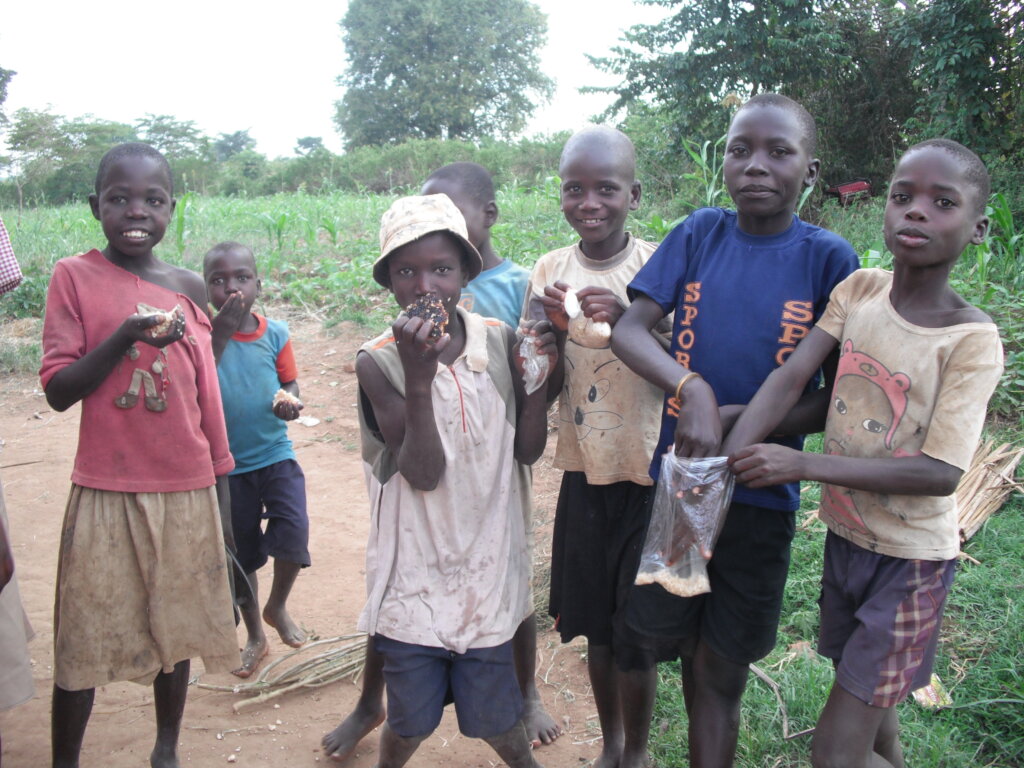
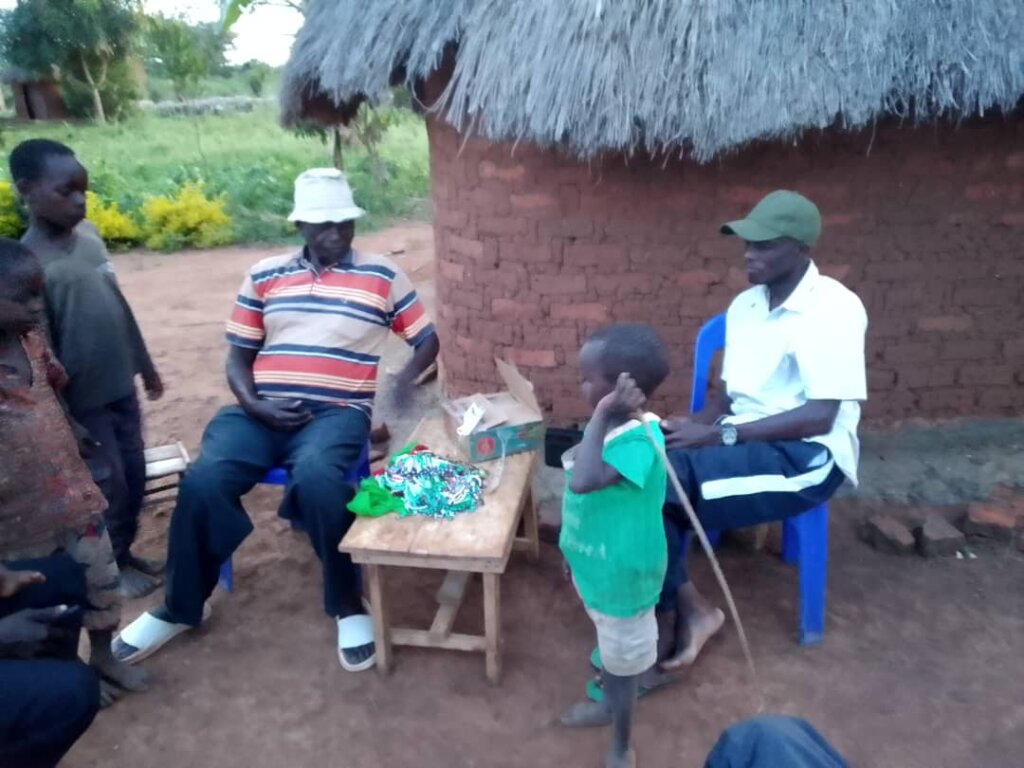
![Director and community Elder meet the kids]()
Director and community Elder meet the kids
At Aparis Community Development Program we report that Children lacking parental care face issues including increasing abandonment, often due to poverty and lack of support, which overburdens limited shelter capacity. Alternative care options are underdeveloped, leading to reliance on institutional care despite concerns about its quality and the negative impact of institutionalization. Addressing these challenges requires a multi-pronged approach including strengthening families through economic support, improving the child protection system, and promoting family-based care over institutionalization.
Challenges faced by children lacking parental care
- Increasing abandonment: Reports indicate a rise in child abandonment, with significant numbers of children being left in public spaces, often in poor conditions.
- Overcrowded shelters: Existing children's homes, many of which are private, are facing limited capacity and are often overcrowded, struggling to cope with the influx of abandoned children.
- Lack of government support: While some government-run facilities exist, they are often underfunded and unable to keep up with the high demand.
- Decline in alternative care: Formal and government-monitored alternative care options are underdeveloped, leading to a reliance on institutional care, which is not always government-approved or monitored.
- Lack of unified systems: There are gaps in the child protection system, including a lack of integrated systems for documentation and follow-up, which means children can "fall through the cracks".
Causes of child abandonment and lack of care
- Poverty: Financial hardship, lack of access to basic services, and a struggle to provide for children are major contributing factors.
- Paternity denial: Fathers denying paternity leaves young, struggling mothers without support.
- Lack of support systems: There are often limited services to support vulnerable families and children.
- Emergencies and disease: These events can also lead to the separation of children from their parents.
Recommended solutions and strategies
- Strengthening families: Implement programs that support families to improve their income and caregiving skills, such as cash transfer programs and parenting support.
- Investing in the child protection system: Strengthen the child protection system by ensuring more government oversight, creating unified systems for data and follow-up, and improving access to justice for children.
- Prioritizing family-based care: Focus on family-based care as the primary option, including reintegrating children into their biological families when possible and fostering alternative family placements.
- Providing aid to institutions: Provide more support to existing care institutions, both government-run and private, to help them improve the quality of care and meet minimum standards.
- Community engagement: Implement community-based monitoring and support systems to ensure children benefit from government programs and to create a stronger safety net.
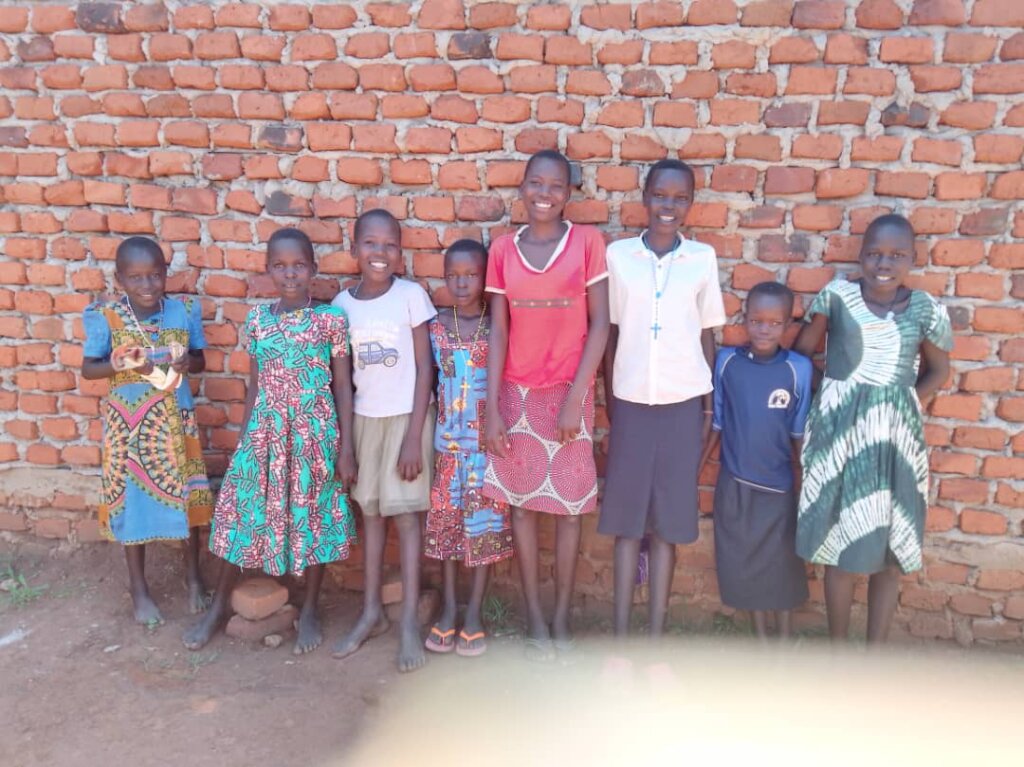
![Benefits of sponsorship, rural areas and children]()
Benefits of sponsorship, rural areas and children
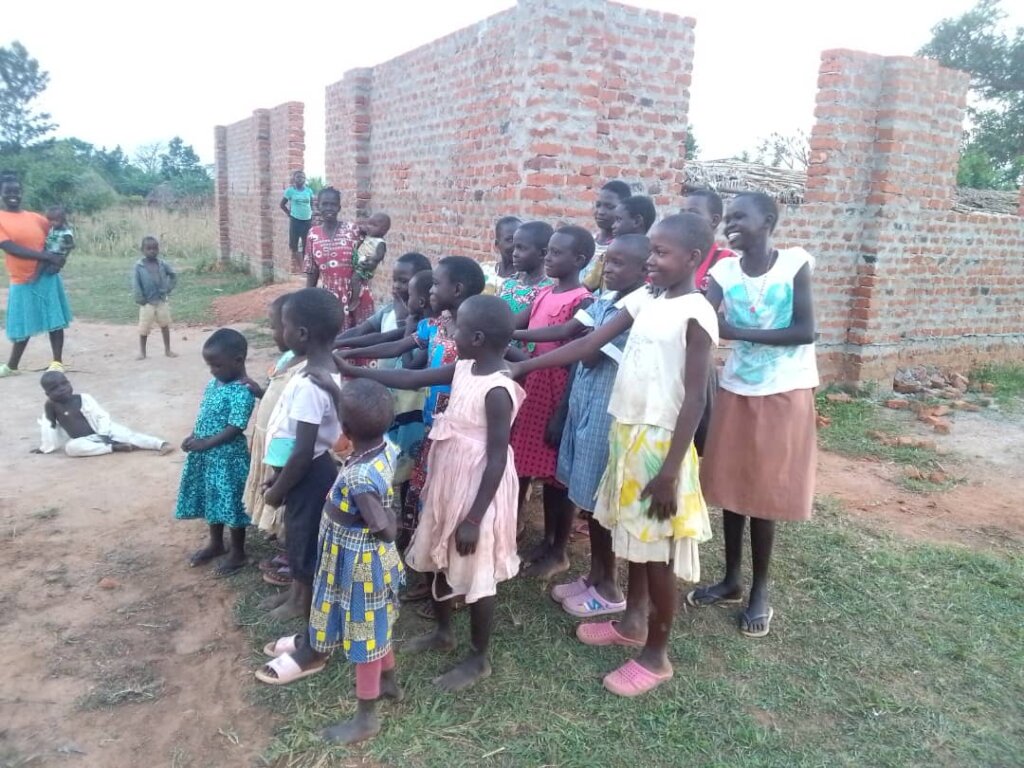
![Supporting classrooms and school construction]()
Supporting classrooms and school construction
![Share on Twitter]()
![Share on Facebook]()