By Balu Iyer | Asia Program Director, IDEX
Activities carried out
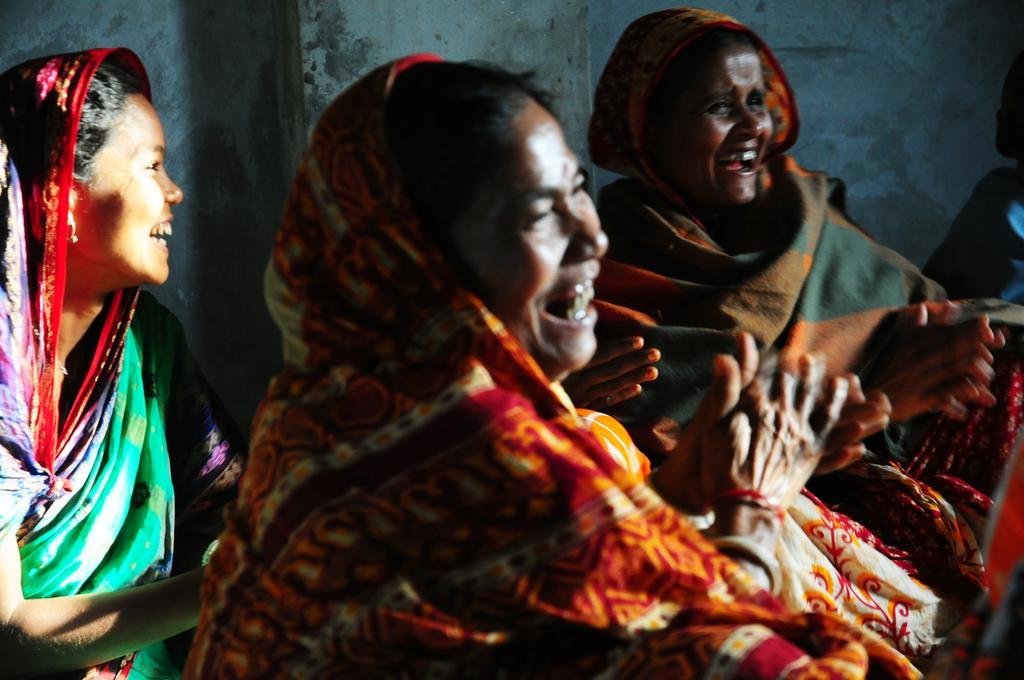
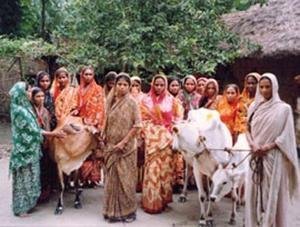
Group formation SATU formed 46 women’s groups in 20 villages, with a total of 1,040 members. The members were selected from extremely poor, small, and marginal households. SATU made regular visit to the groups and members to discuss the changes that were taking place. They found that in many instance the groups were convening their own meetings, discussing and taking action on issues affecting the members, and participating actively in the credit program. Some group leaders were taking an active part in the local government activities.
Training on capacity-building
Training and awareness building are key components of SATU’s projects. The training programs were organized to build on the skills of women and farmers and served 300 women. SATU provided training on vegetable cultivation, crop diversification, land use, integrated pest management , food preservation, and fish cultivation. After receiving training, the participants reflected on what they had learned at the group meetings.
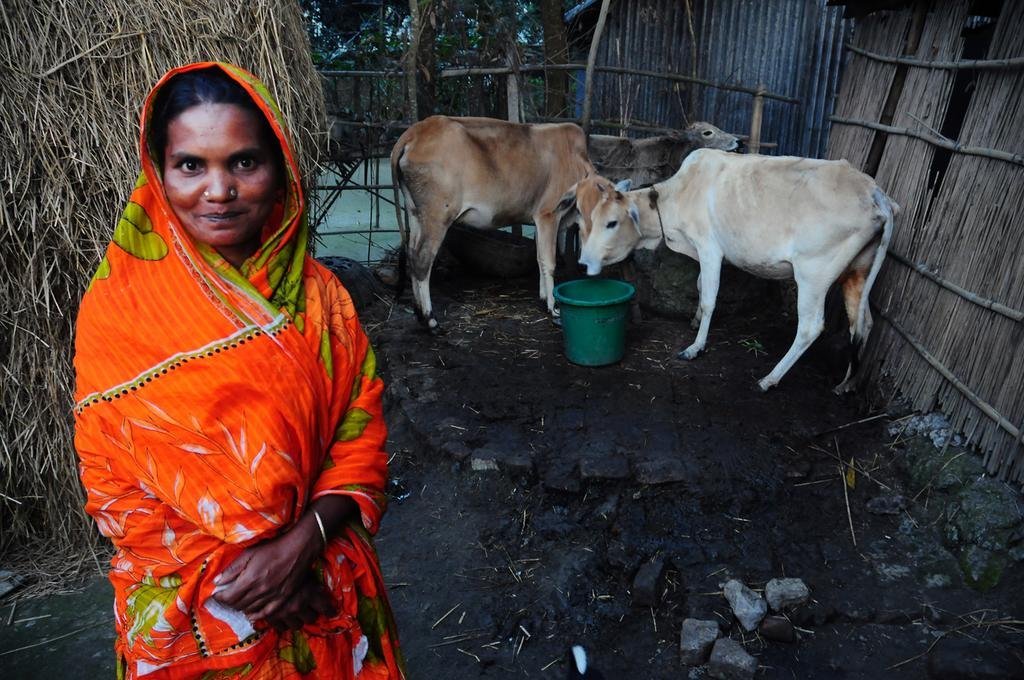
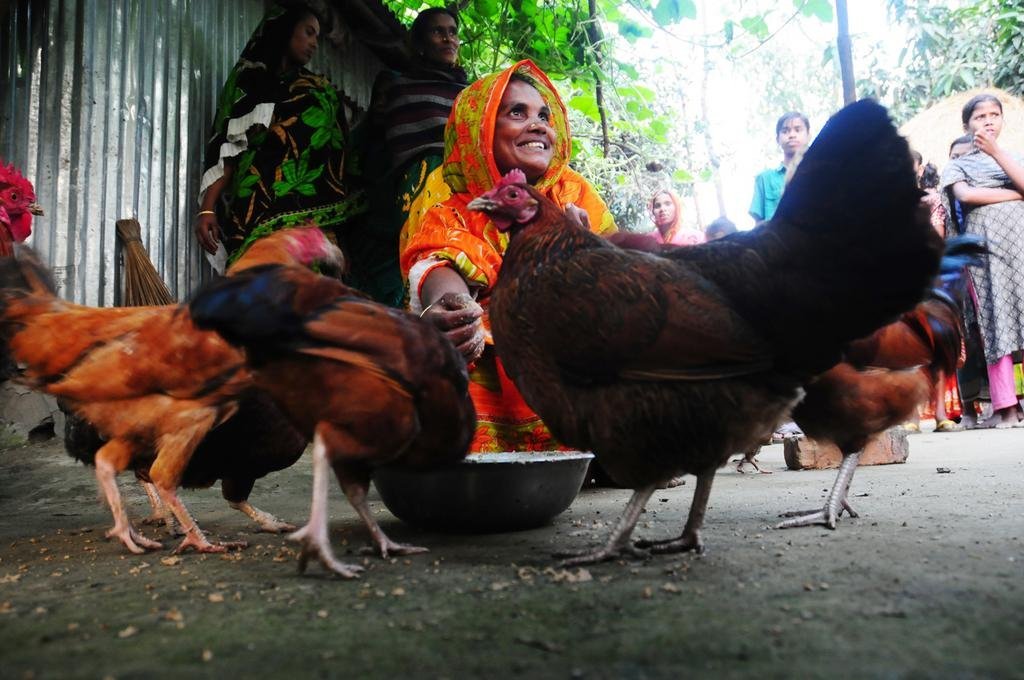
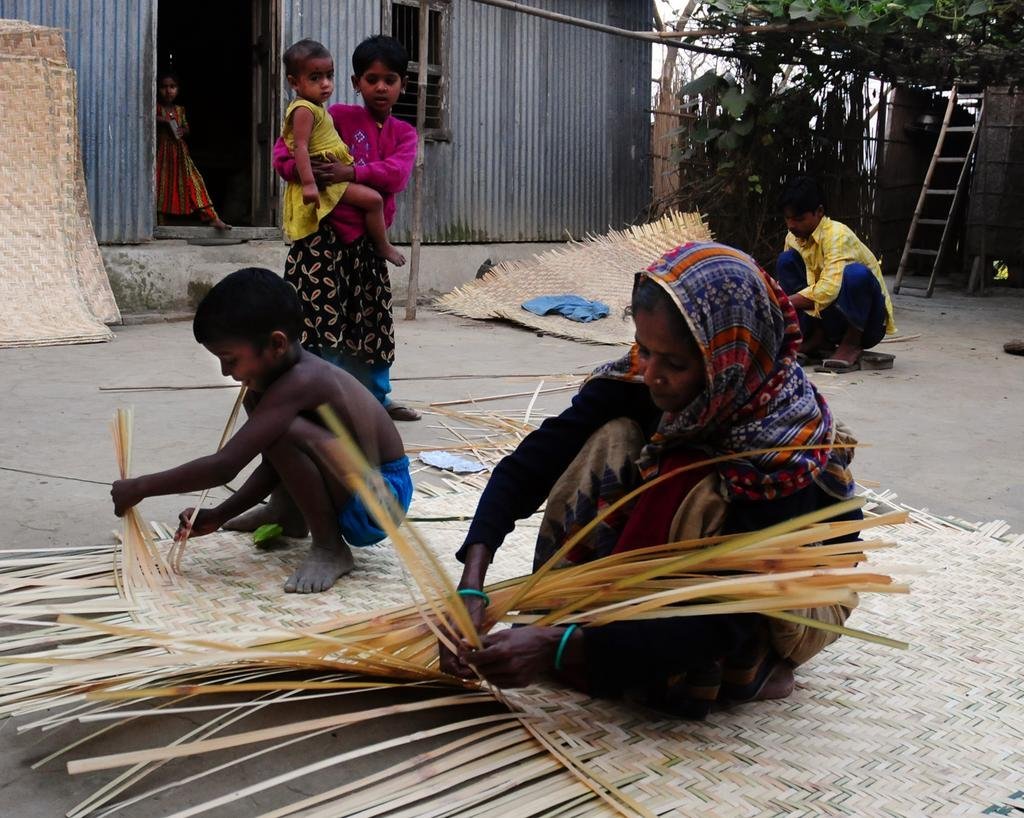
Income generating activities 90 women were provided credit to carry out income generation activities and help them take steps out of poverty. The activities included food processing and vegetable garden, small trade, and poultry rearing. The credit amount ranged from $50 to $100. The credit was available through grants made this year and from the revolving fund (principal and interest repaid from earlier loans). The repayment rate is around 98%.
Women in small trade small trade, bakery, and grocery are making profits of 50% from their small business. Tangail is a commercial town with high traffic flow, women can sell their wares quickly and on a regular basis.
Mother and child health
To date SATU’s has monitored the health status of 150 pregnant women and 150 infants. A trained nurse conducts regular health counseling and treats minor ailments. The nurse and group leaders ensure that the women and infant maintain healthy diets and adhere to their immunization schedules. The crux of this program is to educate women about food quality and balanced diet preparation.
In an informal survey, SATU found that, “Awareness about health has increased among the group members and there is less blind observance to religious beliefs and superstitious practices. The door step medical facilities and health check-up of pregnant women is helping to ensure safe motherhood and in reducing incidence of child mortality.”
The group members put into practice what they learn in the meetings. For example pregnant women are more conscious about their diet and try to include meat, milk, and vegetables. They also make sure that they get sufficient rest after completing their daily household work.
The women are careful in preparing meals. They wash the vegetables thoroughly before cutting and cooking. They do not cook vegetables for a long time so as to not lose the protein content. After cooking they preserve the food in a safe place and cover it to protect it from flies & other insects.
Project reports on GlobalGiving are posted directly to globalgiving.org by Project Leaders as they are completed, generally every 3-4 months. To protect the integrity of these documents, GlobalGiving does not alter them; therefore you may find some language or formatting issues.
If you donate to this project or have donated to this project, you can receive an email when this project posts a report. You can also subscribe for reports without donating.