Project Report
| Dec 13, 2007
December 2007 Update
By Katherine Zavala | Coordinator of Programs
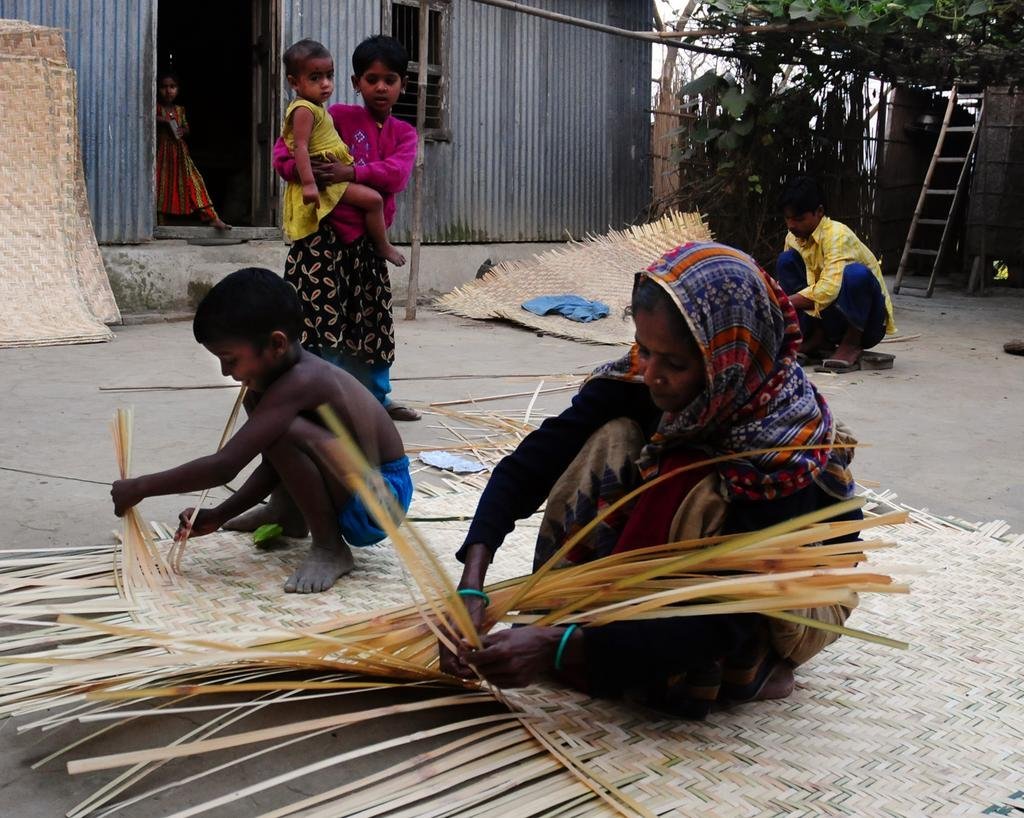
In Tangail, most of the babies are born underweight due to the poor health status of the mothers. Women in this area are mainly focused on providing food security for their families that when they become pregnant they tend to neglect their own healthcare. It is not uncommon to see pregnant mothers working from dawn to late night at domestic chores, weaving or working in agriculture.
During pregnancy, women’s immune system becomes less effective, which allows pregnant women to become more susceptible to illnesses than normal. To promote pregnancy healthcare, SATU organized a 3-day workshop on mother and child healthcare for 50 pregnant mothers. In these workshops the expectant mothers received broad information about staying healthy during pregnancy, particularly in eating appropriately to ensure baby’s health when born.
The workshops also included information on postnatal care, so that the women continue to look after their own after they have had their baby. In this way, new mothers can be better caregivers by staying healthy while taking care of their children’s health.
![Share on Twitter]()
![Share on Facebook]()
Oct 11, 2007
October 2007 Update
By Katherine Zavala | Programs Coordinator
SATU provided a three-day workshop on vegetable cultivation for 25 women in the following themes:
• Prepare seed bed
• Seed selection process
• Quality of good seeds
• Land selection
• Use of pesticides
• Preparation of compost
• Integrated pest management
• Time selection of harvesting
• Inter cultural operation
• Irrigation
To complement this, another three-day workshop was also provided on nutritional improvement.
From this training, the group members had become more aware and developed improved agricultural skills. They have gathered up to date knowledge and skills on vegetable cultivation. As a result their food production is higher and the group members are able to sell excess vegetables at market thereby increasing the nutrition level and income of their family.
Group members have specifically been able to focus on deficiencies in the diet of the pregnant women and their children by encouraging them to consume green vegetables. Again this was as a result of the training they have received which highlighted this problem and offered a valid solution, as well as methods on how to prepare food so as to preserve the nutritional qualities.
![Share on Twitter]()
![Share on Facebook]()
May 18, 2007
May 2007 Update
By Katherine Zavala | Asia Program Director, IDEX
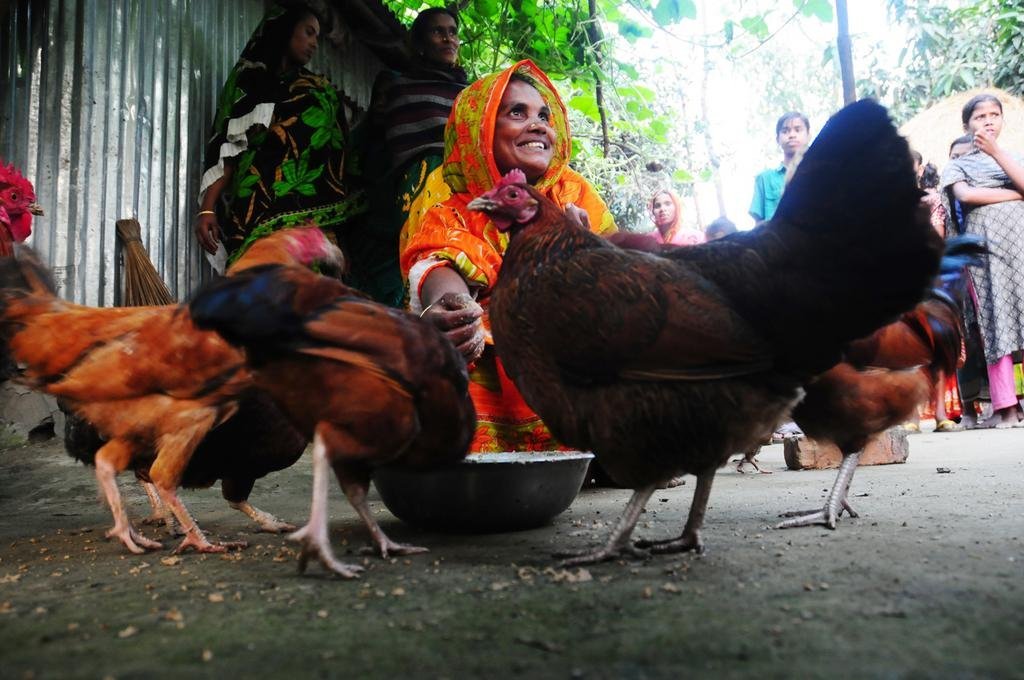
130 group members were given access to credit for income-generating activities such as vegetable cultivation, small trade, handicrafts and poultry-raising. Through these income-generating projects, the group members have succeeded to increase their income and thus, have access to high-nutritional food. Once they receive the credit, the group members are cultivating vegetables to then sell in the local market. They also cultivate for family consumption to reduce the nutritional deficiency that exists in their household.
SATU hired a Medical Assistant to provide medical support to 130 pregnant mothers and 130 children to improve their health condition. The Medical Assistant checks the health of the pregnant women and their children regularly, recording height, weight etc. to assess their nutritional status. A total of 65 mothers gave birth in the local government hospital without any complication. 9 mothers had complications but were given proper care and recovered well. The Medical Assistant has provided support to children with cases of diarrhea, dysentery, worms, malnutrition, fever, and measles.
![Share on Twitter]()
![Share on Facebook]()