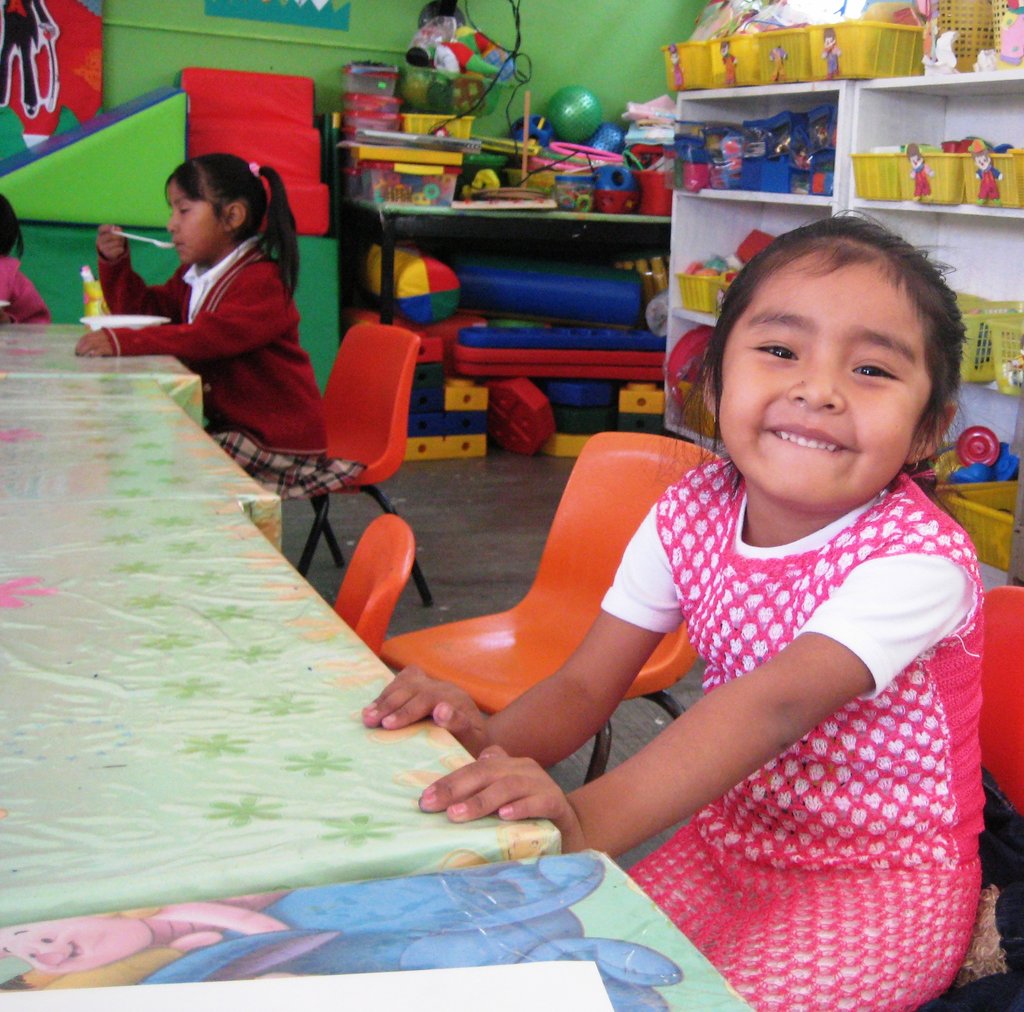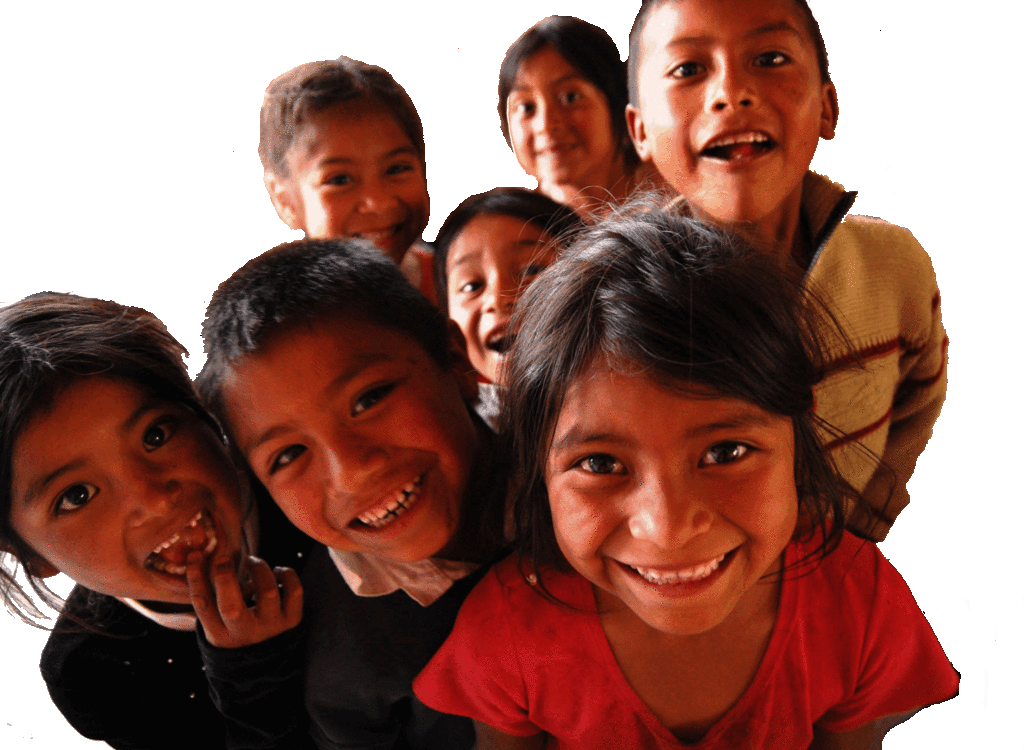
By providing life skills, we are fighting against the culture of migration and violence in the families of the Chiapas Highlands. By giving families knowledge, and promoting self-respect and self-care, we strive to support and care for children and communities at risk for addiction, disease, and especially family disintegration.
Tzotzil children suffer poverty, poor hygiene, and a risk for disease and malnutrition from birth, in a context that does not allow psychosocial development and is characterized by delayed physical and psychological growth. The Chiapas Highlands is a troubled area where indigenous and peasant families with high levels of poverty and marginalization live. This area suffers from the highest rates of emigration to the USA, and for that reason many broken families and abandoned children live there.
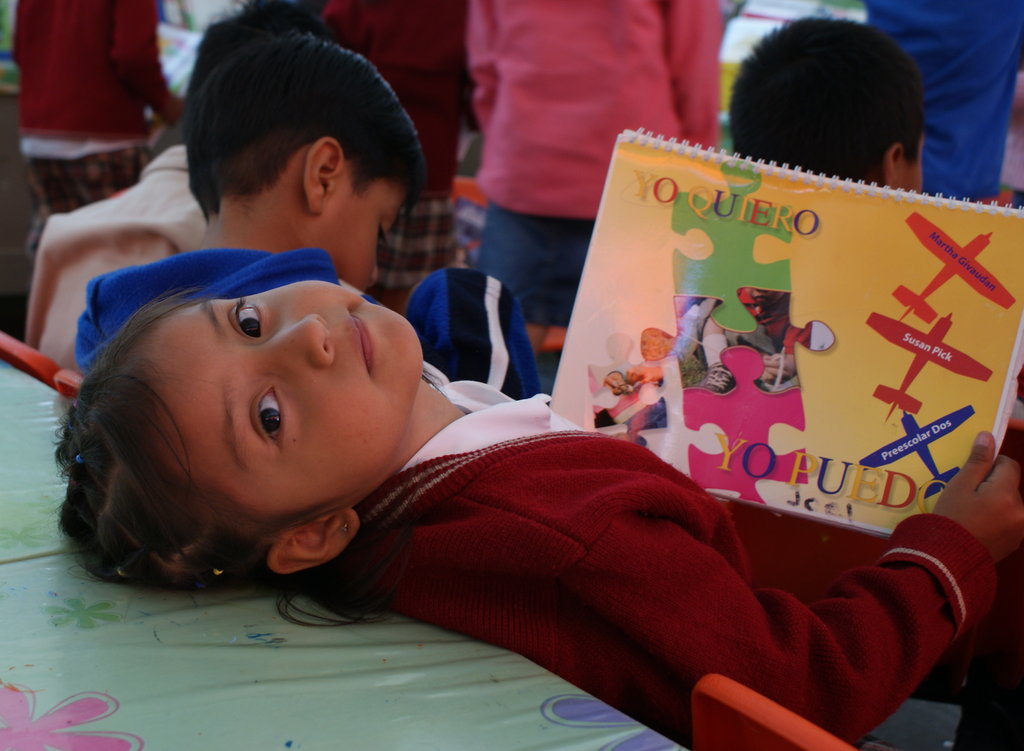
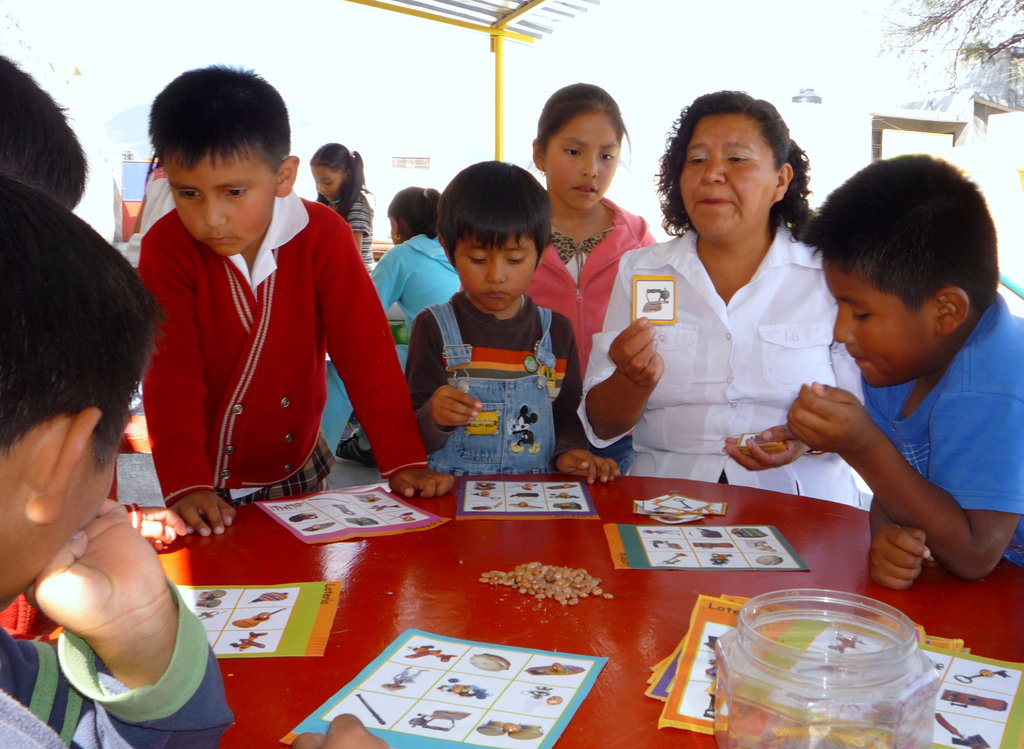
Teachers, health personnel, and parents, integrated into an indigenous context, use life-skills-based educational materials to provide children with civics and ethics education based on honesty, equity, and concern for the environment. The program prevents negative behaviors and lowers psychosocial barriers so that the children can learn to make good decisions, and the whole community will be motivated to pursue a future focused on promoting a good quality of life.
The program is showing good results in the promotion of life skills, with children and their families learning to take care of themselves, create opportunities for better living conditions, and to be better people and better communities. The importance of education is being reinforced, preventing school desertion, diseases, and broken families. By achieving a better quality of life, these behavioral changes are made sustainable.