By Udruga Psi vodici | Project Leader
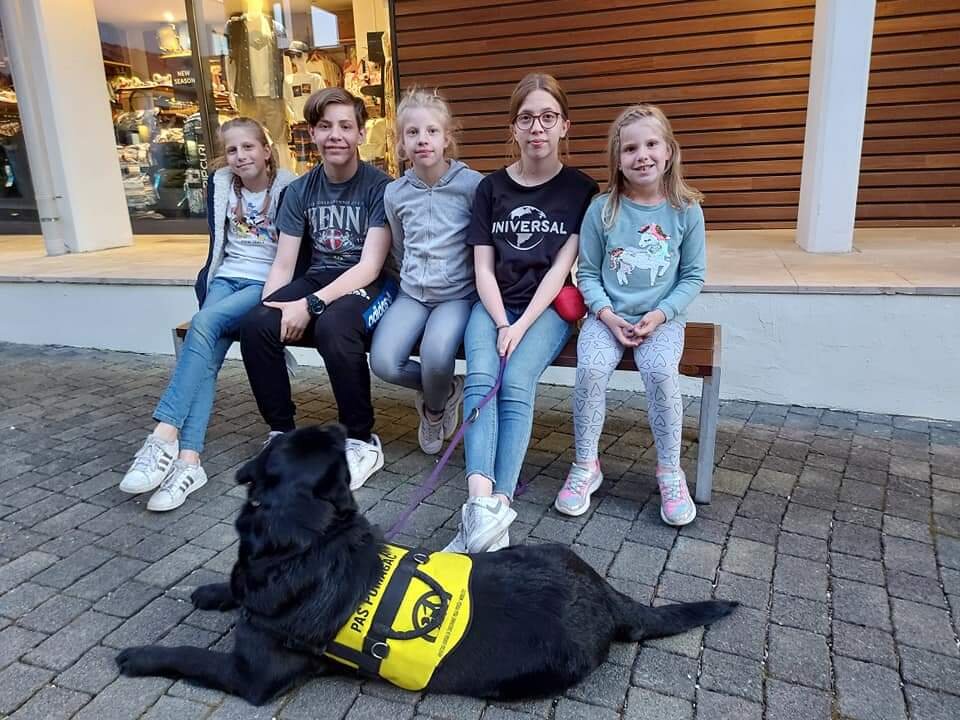
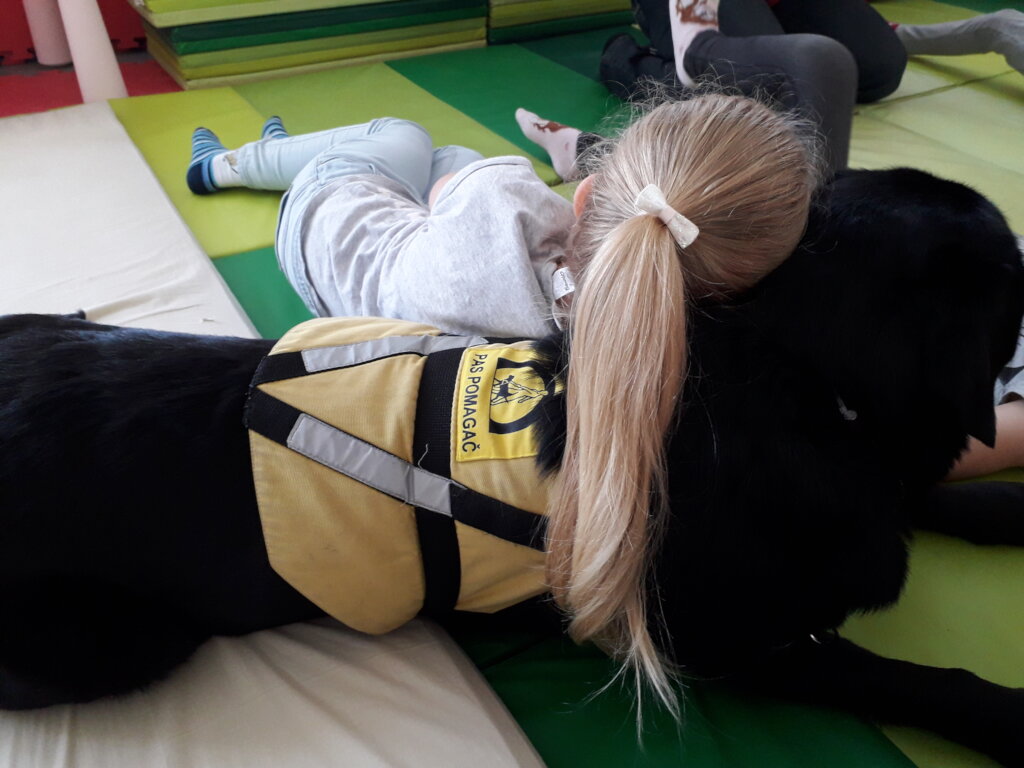
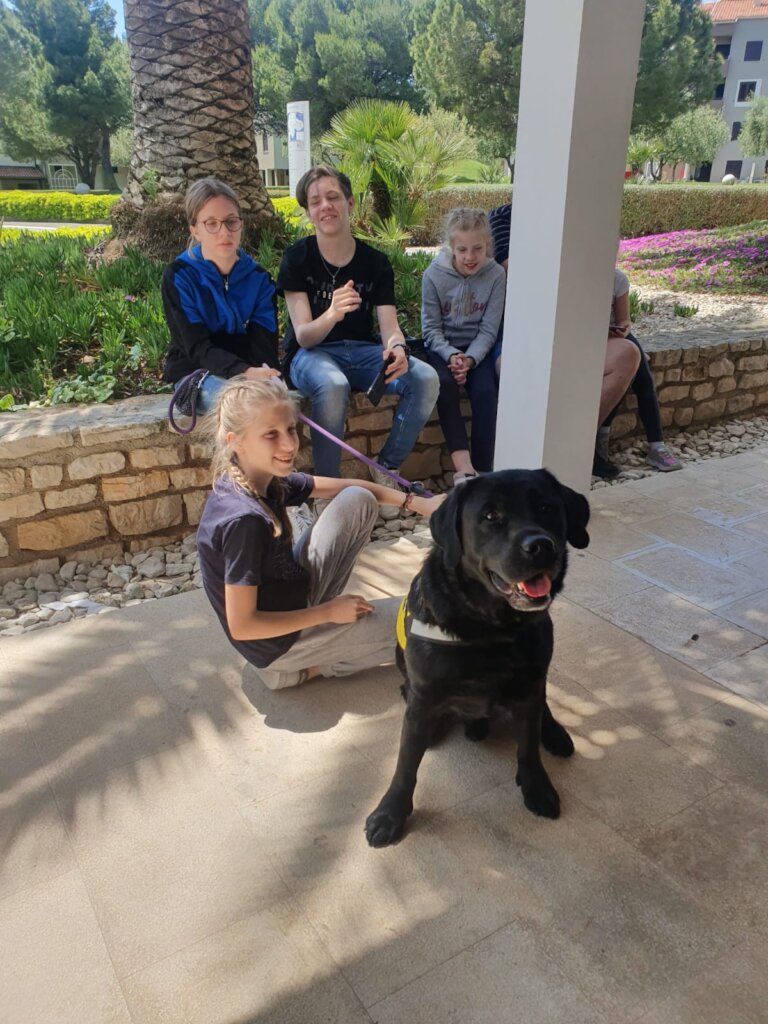
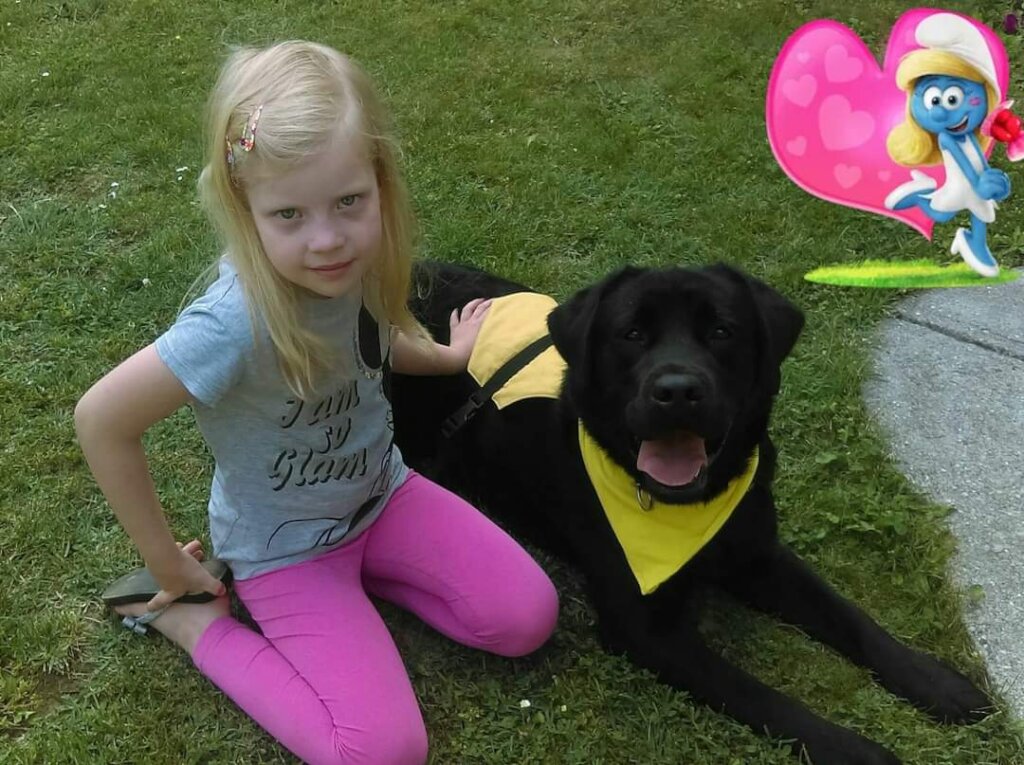
We are often surprised by the amazing changes assistance dogs – our superheroes - provide to children and youths with developmental disabilities. The friendship between the child and the assistance dog brings unexpected positive results, which these incredible stories prove.
A long way from silence to song
Lucia is a 10-year-old Croatian girl with autism spectrum disorder and severe communication difficulties. For years, Lucia lived in her own small, enclosed world. She would communicate only with family members. She did not have any friends, and she was afraid to leave the comfort of her home.
A friendship that changed everything!
Lucia's friendship with her first assistance dog Boy opened a new world of communication. With Boy by her side, Lucia overcame her difficulties with speaking.
„Lucia had huge problems with communication. But with the help of Boy, she started talking to others as well. Now she is a very social girl", Lucia's mother explains.
Today, Lucia sings in a children's choir and can communicate with her classmates and make friends. Thanks to the support of Boy, Lucia is learning to integrate into society.
The working life of an assistance dog is eight years, and now she needs a new assistance dog who will help her to continue development, independence, and integration into society to have a better quality of life.
When the impossible becomes possible
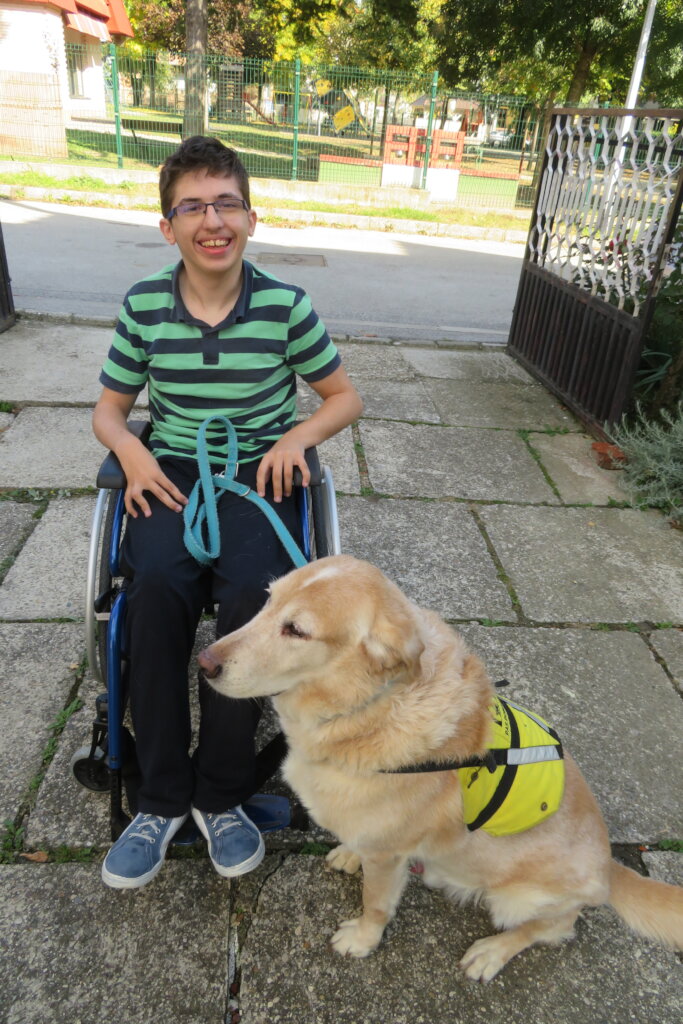
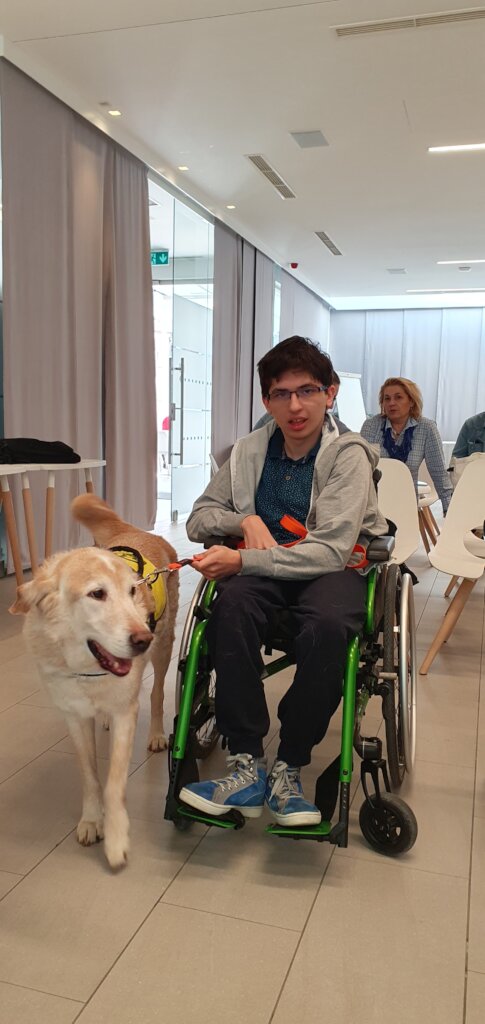
Leon and Renato are Croatian twin brothers, each with physical disabilities caused by cerebral palsy. Renato could not walk, and Leon could not talk. With the help of their first assistance dog, Renato took his first steps, and Leon spoke his first words.
Today, Leon and Renato are 21-year-old students with the desire to live more independently and experience life's little joys, like going out for coffee with friends, just like other young people.
„The support of a new assistance dog is crucial for their further progress, especially for Leon, who is in a wheelchair“, say their parents.
Their assistance dog Fredi is more than nine years old. So, a new assistance dog would support the brothers in their continued efforts to integrate and interact within society. Leon, as a young person with a movement disability, has a greater need for this future assistance dog, which would be trained to bring/retrieve items, turn lights on/off, open/close doors and drawers, and perform other tasks to assist with daily life.
Very few children get the opportunity for a better quality of life
About 30 thousand children with developmental disabilities in Croatia do not have timely and equal access to the necessary services. Because of this, many children do not get the opportunity for quality development and growth, as well as a better quality of life.
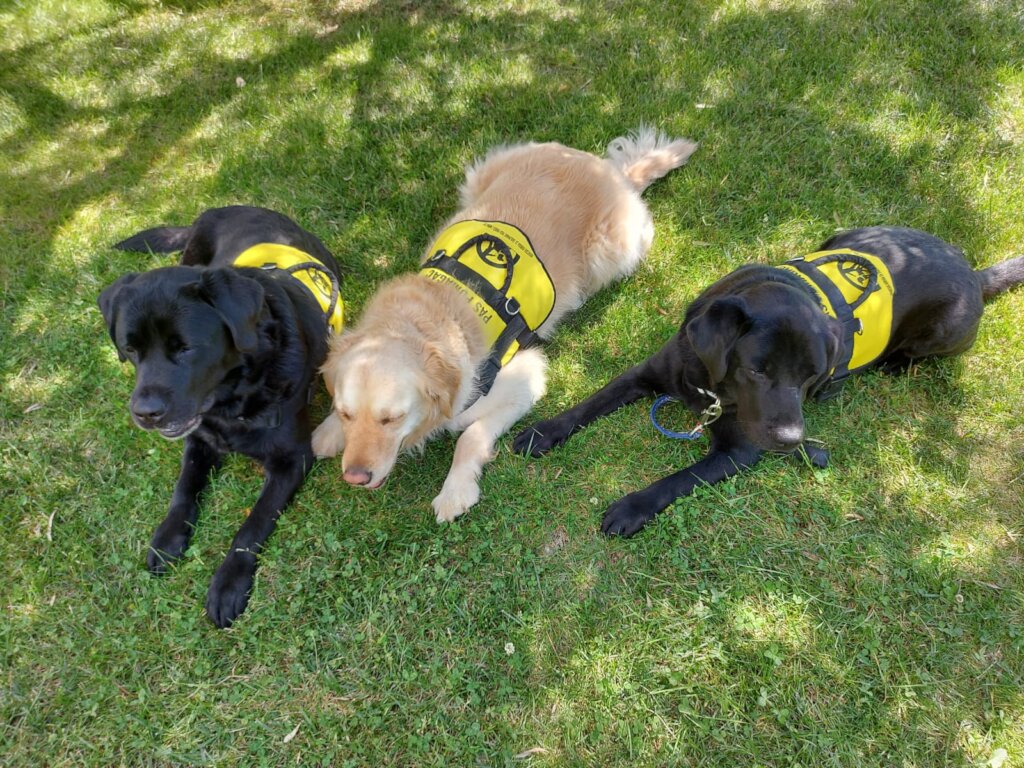
It takes two years to train one dog and costs $15,000. Dogs are in high demand. The Association relies solely on donations to operate. To continue our mission of supporting and helping children and youths with developmental disabilities, we need an amount of $30,000, which includes the purchase of two puppies, their socialization and schooling, user education, and the assignment of assistance dogs to the user's family.
If we collect more than the stated amount, we will invest in the further education of trainers and our professional team so that the Association can work on expanding the assistance dog training program, and improving the position of children and youths in society.
Join us and support the training of assistance dogs, and together we will give children and youths with developmental disabilities their superhero! We appreciate your support!
Project reports on GlobalGiving are posted directly to globalgiving.org by Project Leaders as they are completed, generally every 3-4 months. To protect the integrity of these documents, GlobalGiving does not alter them; therefore you may find some language or formatting issues.
If you donate to this project or have donated to this project, you can receive an email when this project posts a report. You can also subscribe for reports without donating.