By Steve Olweean | President and Program Director
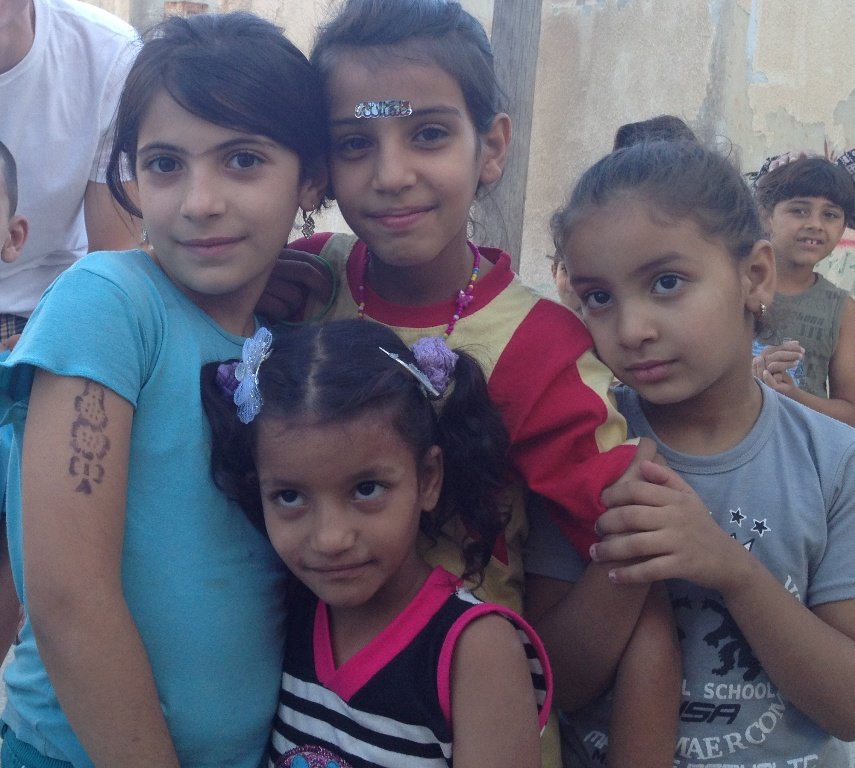
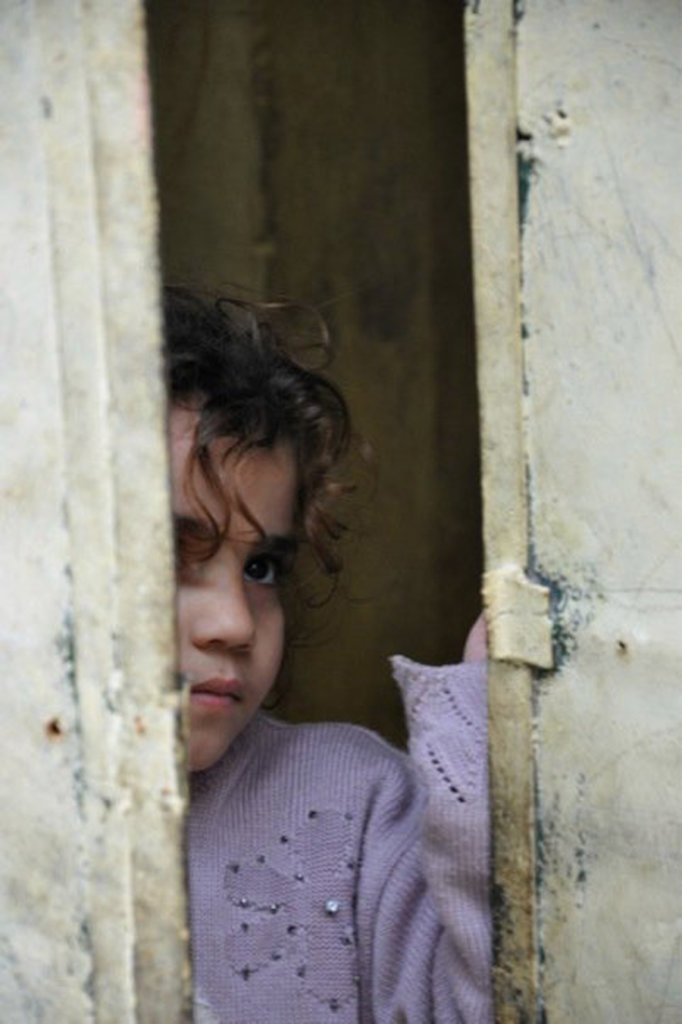
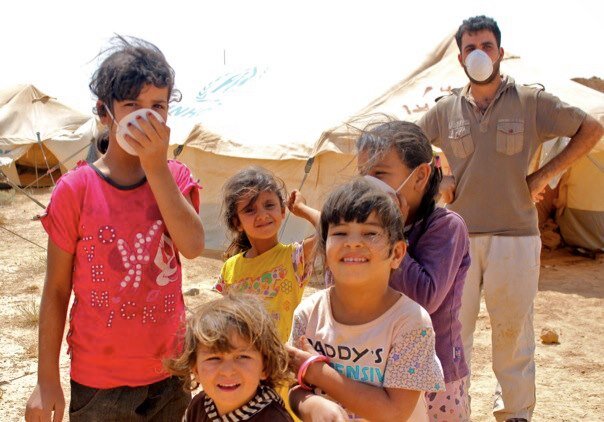
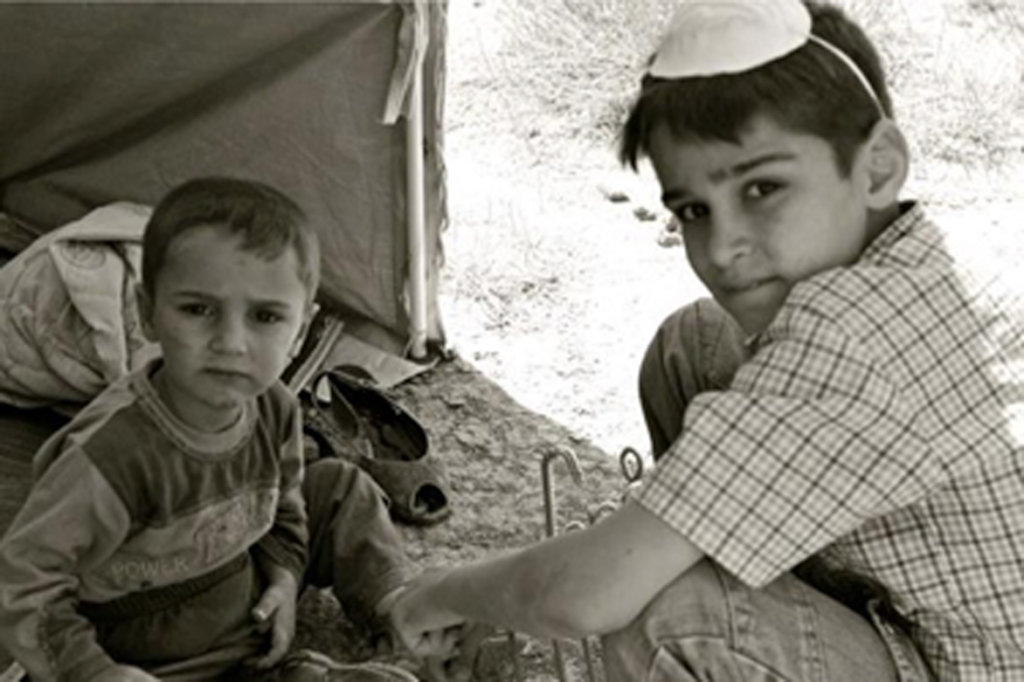
Our volunteer team of local and international team members and local trainees continue to strive to reach as many refugee children and their families in Jordan as possible to provide them with life-saving emergency medical and psychosocial health care.
As we are entering a 3rd year of the COVID-19 pandemic and moving through yet another wave of the latest variant continuing to push the global health care system to full capacity - and in many cases far beyond capacity – the refugee population in Jordan continues to be the most at risk, as are all refugee populations across the world.
The rate of contagion and resulting death or disability is highest among this especially vulnerable population that is already struggling to survive from an 11 year violent civil war; a war that has uprooted millions and traumatized hundreds of thousands if not more. Their very limited access to the local health care system in Jordan, itself pushed to full capacity - and in many cases beyond capacity - as it struggles to meet overwhelming demand for the health care of it’s citizens, places refugees at an even higher risk. Vaccines and their level of effectiveness that are plentiful in other wealthier segments of the world are at a deficit in countries like Jordan, and refugees are unfortunately at a lower priority within these limited services and resources.
This why we are focusing on utilizing our local team members and trainees in Jordan, who are medical students and new practitioners, to combine their medical skills with the training we provide them in psychosocial treatment to offer refugees disaster healthcare services that address the COVID crisis.
Within the limits of our current resources, we are working to use tele-health as a means to reach those who are isolated due to the pandemic and in desperate need. We are also continually seeking ways to expand and improve on what help we can provide.This requires that we purchase more telecommunication equipment and adequate internet access to set up more 2-way communication stations at refugee sites across the country. More health care and monitoring equipment and supplies that can be shared by entire groups of people living within the same site, as well as medications to help treat those who contract the virus.
As these items can be made available where refugees are forced to congregate in close living quarters our team can work with those living in the area to provide vital information, guidance, and treatment on how to prevent contracting the virus and how to treat the symptoms for those who do to help them recover. With the psychosocial trauma healing skills our team and trainees bring we can also provide the vital mental health healing and resilience building that is needed. When this service is made available to those in the refugee community the ability to avoid contagion and recover from contracting the virus increases and overall mental health improves.
The key to how much aid and healing we can provide is directly based on how much support we receive for the out of pocket costs required to provide the basic logistics of this service. Our appeal continues to be for the critical financial support of those who can donate the power of their donations to the direct costs of our getting these services to those who need it most, and in time.
HOW YOU CAN HELP US MEET THIS NEW CHALLENGE AND MAINTAIN OUR LIFE-SAVING ASSISTANCE:
Feel free to contact Steve Olweean, SHC Program Director and IHPA President, with any questions or to share your feedback at: SOlweean@aol.com.
Links:
Project reports on GlobalGiving are posted directly to globalgiving.org by Project Leaders as they are completed, generally every 3-4 months. To protect the integrity of these documents, GlobalGiving does not alter them; therefore you may find some language or formatting issues.
If you donate to this project or have donated to this project, you can receive an email when this project posts a report. You can also subscribe for reports without donating.