This project builds resilience and household food security for displaced persons in South Sudan. It outlines a multi-pronged approach to move beyond emergency aid, empowering local communities to withstand the converging shocks of conflict, severe flooding, and economic crisis. South Sudan remains one of the world's most food-insecure countries, with millions requiring assistance. Core components include VSLAs, FFS, and CAHWs as part of larger resilience frameworks implemented by ROAD
South Sudan remains globally food insecure, with Fashoda County's Lul Payam facing extreme famine risks. Over 65% of the population requires food aid. Years of conflict and severe Nile flooding have destroyed local livelihoods and eroded coping capacity. Multiple shocks converge heavily on Lul Payam, including an acute economic crisis and a massive burden of returning displaced populations trying to rebuild, making localized community resilience projects critically urgent
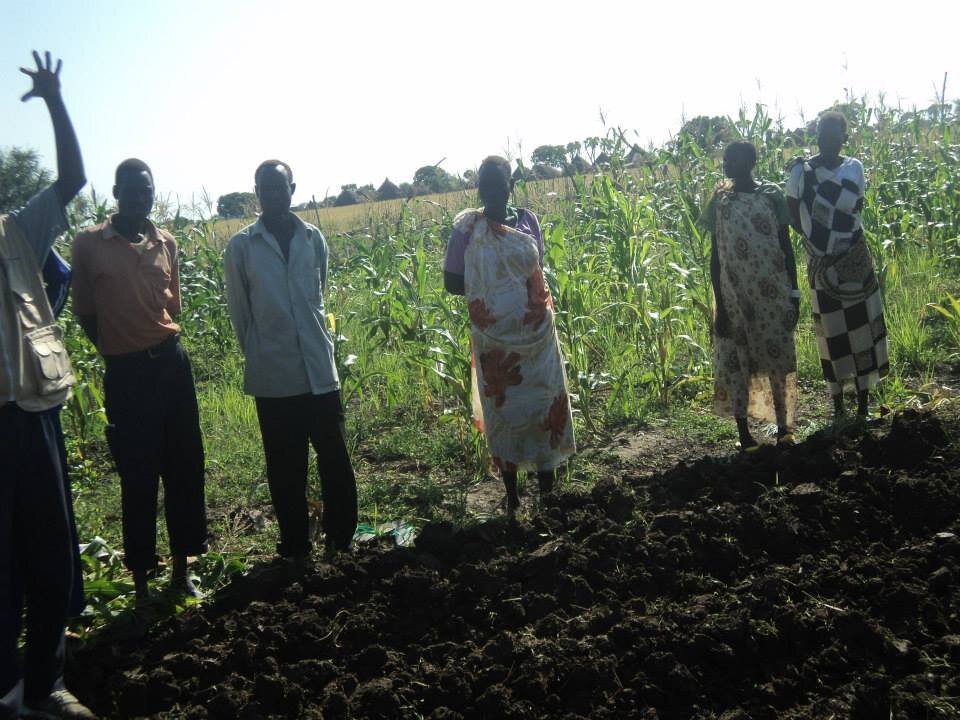
Lul Payam VSLAs: Women-led groups in Fashoda County use pooled savings for business startup capital, giving families the financial independence to buy food when aid is delayed. Fashoda Farmer Field Schools: Training networks that teach nutrition-smart agriculture and flood-resilient techniques to manage land degradation while improving vegetable and crop yields. Frontline CAHWs: Local volunteers who vaccinate and treat livestock across Lul Payam to protect vital herds.
These three initiatives-VSLAs, Farmer Field Schools, and CAHWs-work together to build lasting food security and financial independence in Lul Payam, Fashoda County. This framework directly empowers 500 single women to feed their orphaned children despite severe Nile flooding and conflict. It ensures these highly vulnerable households can survive immediate climate shocks and build long-term wealth, transforming frontline families from emergency aid dependency to self-reliance.


Support this important cause by creating a personalized fundraising page.
Start a Fundraiser