By Iain Guest | Project coordinator in the US
This report is going to friends who have donated $6,963.25 to the Clean Girl soap initiative for disadvantaged girls in Zimbabwe. Thank you!
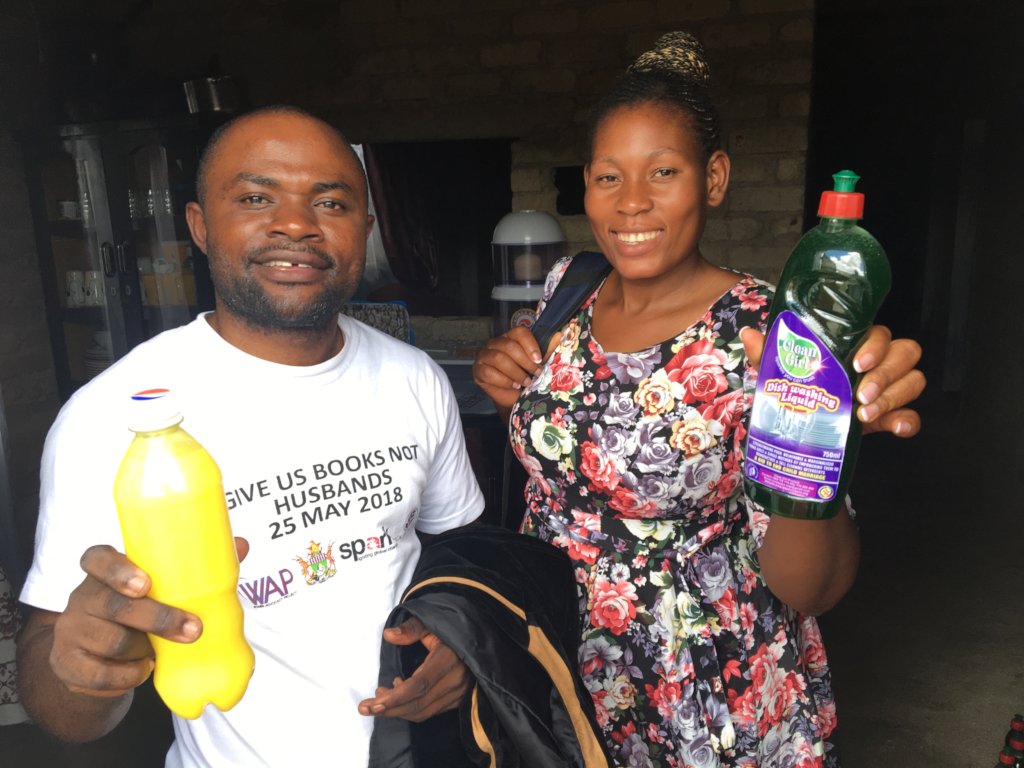
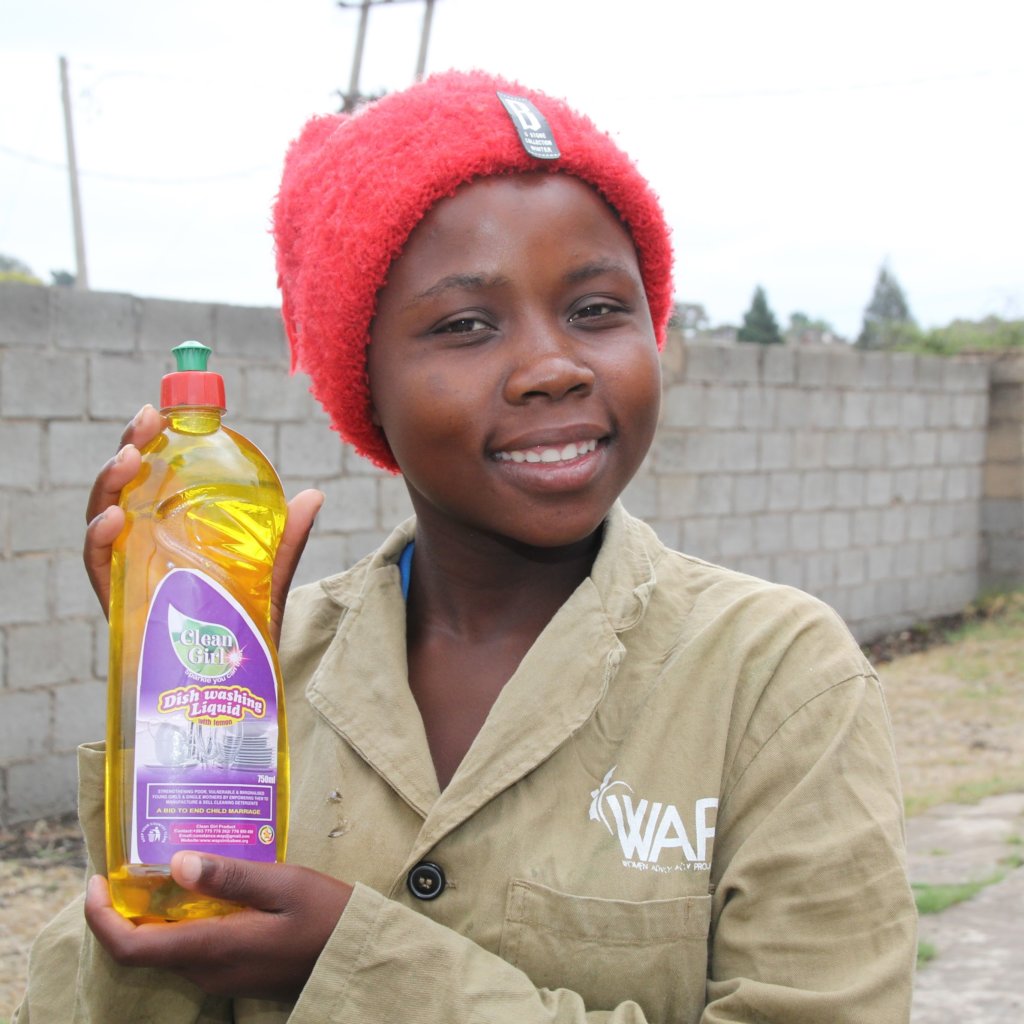
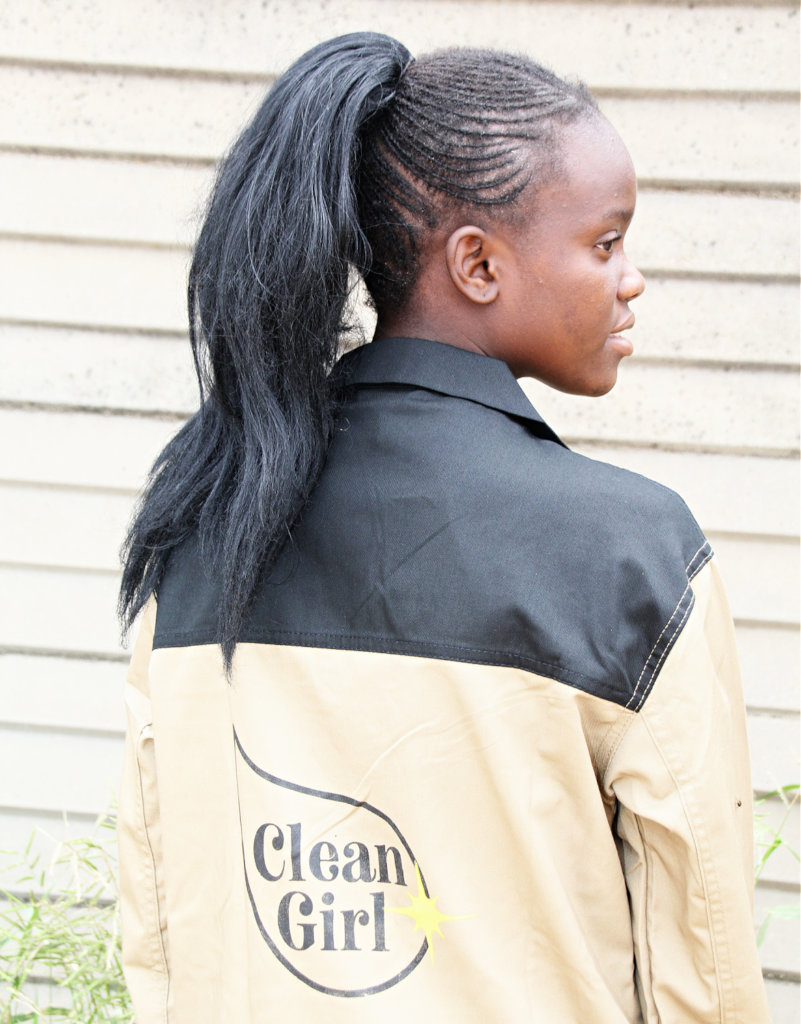
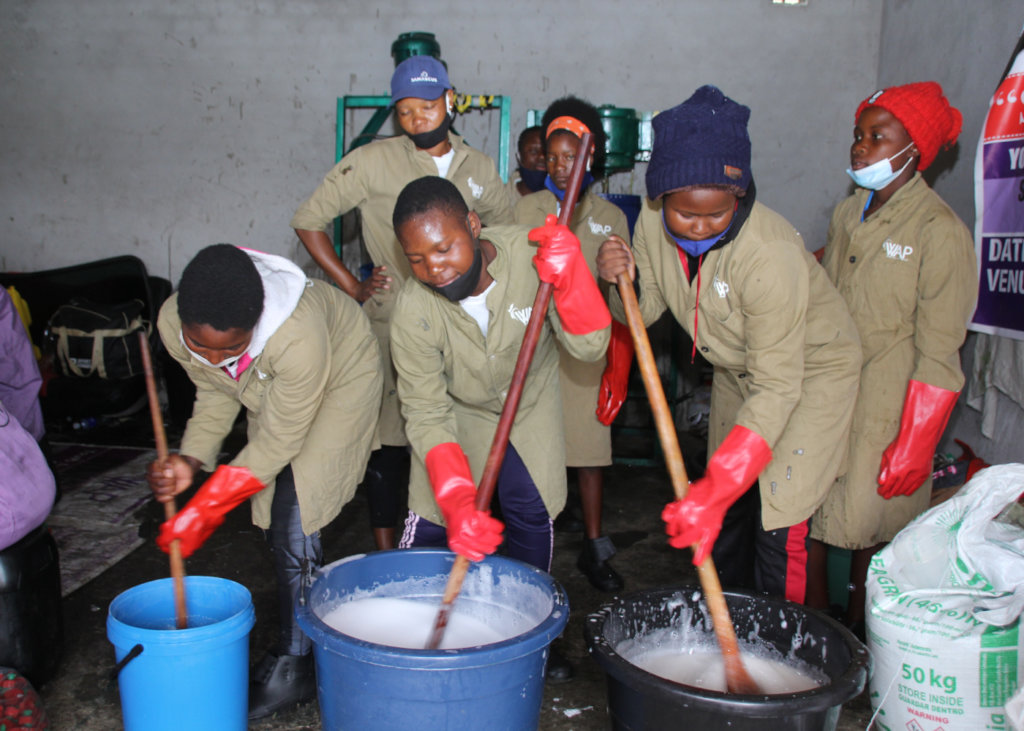
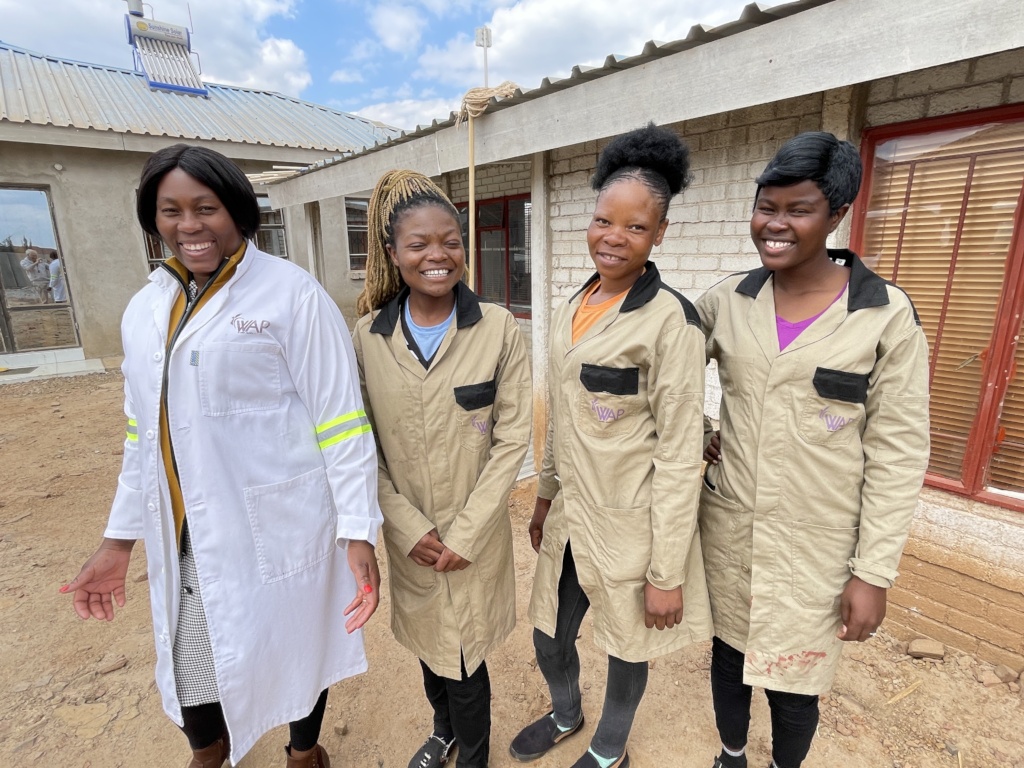
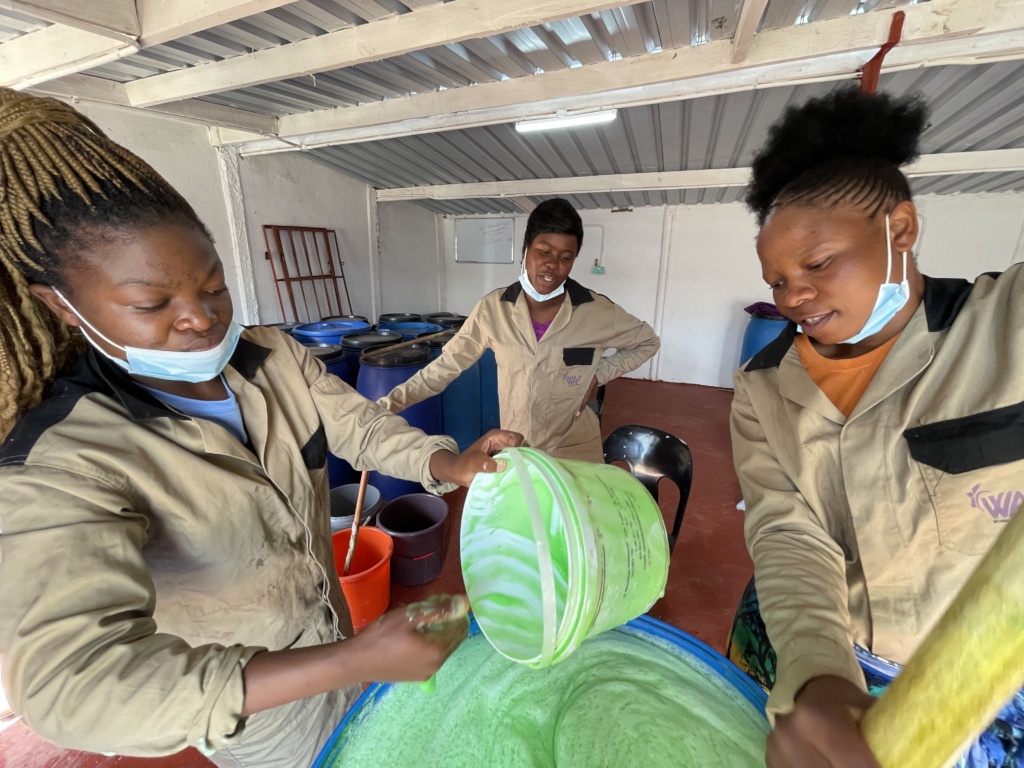
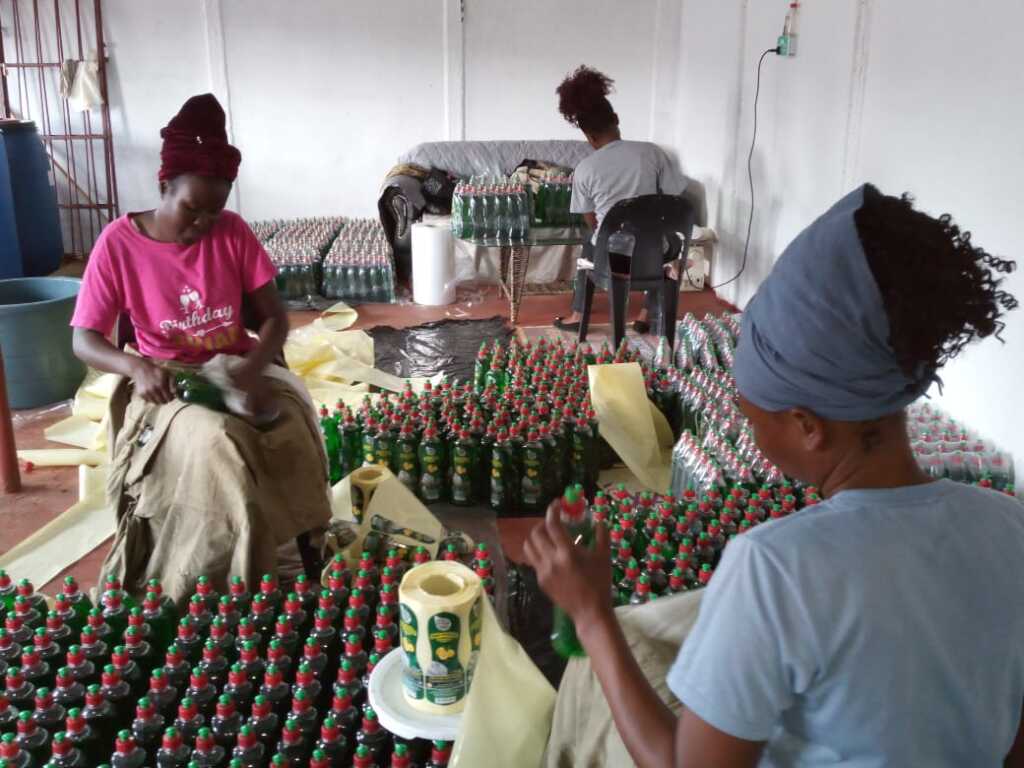
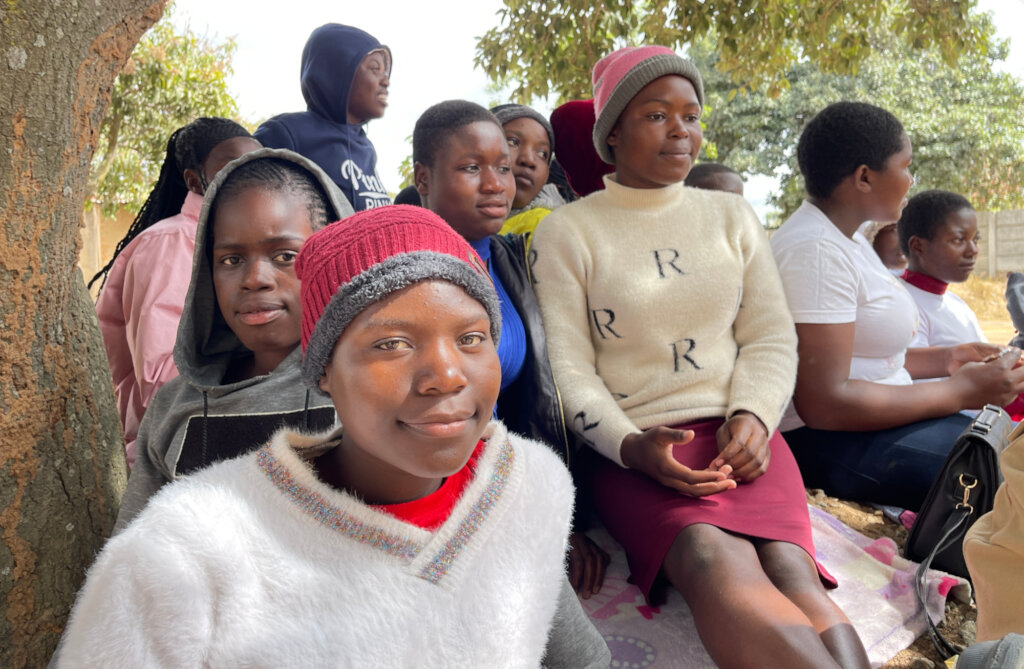
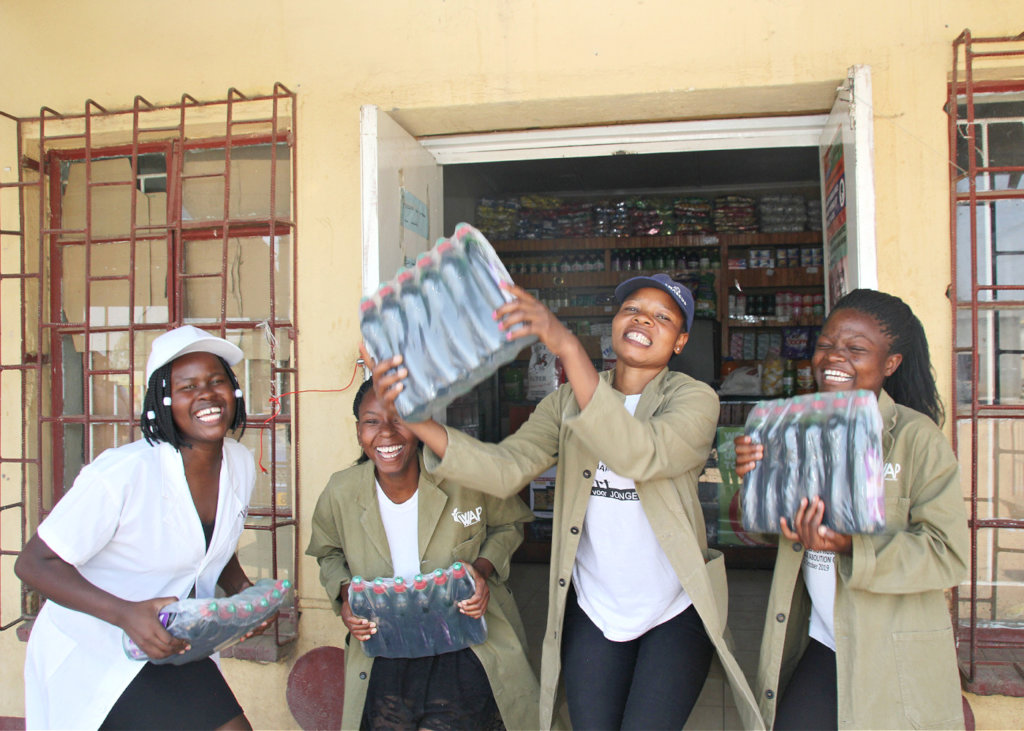
The project was launched as a start-up by Women Advocacy Project (WAP), our partner in Zimbabwe, in 2019. Five years later it has become a successful business. Last year WAP sold over 70,000 bottles of Clean Girl soap and generated $65,932 in sales. Of this, $49,276 went to about hundred girls who sold soap in their neighborhoods. Over 300 girls have participated in the program since 2019, and not one has married below the legal age of 18 while participating.
In development, as in life, success breeds success and five institutional donors have now invested in the program. Three of them visited Zimbabwe recently in person, which is a good sign. WAP received $48,440 in grants last year.
As WAP grows in confidence, our own organization is taking a step back. We will continue to use our GlobalGiving appeal to help ten WAP girls pay school fees this year. But we will not be sending a Peace Fellow to WAP or writing major proposals, as we have done since 2019. The WAP team is more than capable of managing on their own.
Given this, it seems like a good moment to reflect on our partnership with WAP and more broadly on collaboration between the North and South. Donors want to spend more funds at the local level – what can they learn from WAP’s success?
*
For us, the first requirement for a "local program" is that it addresses a need identified by people who are directly affected, and not by some far-off aid agency. Constance founded WAP in 2012 to bring down the rate of early marriage in Zimbabwe, which is driven by poverty. Using soap to empower vulnerable girls, as Clean Girl does, fits perfectly into her strategy.
Second, the program must be designed and led by the local community. In WAP's case this means Constance and her husband Dickson, who acts as program manager. Like all social entrepreneurs, Constance and Dickson are hungry for new ideas. Using solar energy was one experiment that worked. Recycling (plastic caps and bottles) did not.
Third, Clean Girl relies on the engagement and motivation of its stakeholders, namely girls who are at risk from early marriage and poverty. They in turn are inspired by their peers like Trish from the suburb of Epworth, who we profiled in a recent bulletin. You just have to visit the Epworth club so see that the girls adore Trish and get confidence from working together.
*
In explaining the success of Clean Girl soap we need to assess the contribution of WAP’s international friends. This can be tricky because so much development aid is top-down. Any Northern partner, no matter how well-intentioned, faces the dilemma of how to help without imposing.
Our approach is to offer from a toolkit of services that are designed for partners. Here is a brief run-down of the services used by WAP since 2019.
Peace Fellows: The Advocacy Project works through graduate students, known as Peace Fellows, who volunteer for ten weeks with a partner. Three Peace Fellows have worked at WAP and made a decisive impact on the Clean Girl project: Alex in 2018, McLane in 2019 and Dawa in 2022. All three were smart and accomplished. But they were also at an early stage in their own professional development and would be the first to agree that they learned as much from being mentored by Constance and Dickson at WAP as they contributed.
Story-telling: All AP partners ask for help in telling their stories - and who wouldn't? In addition to getting out a message, telling one’s story is deeply empowering; having someone listen, even more so.
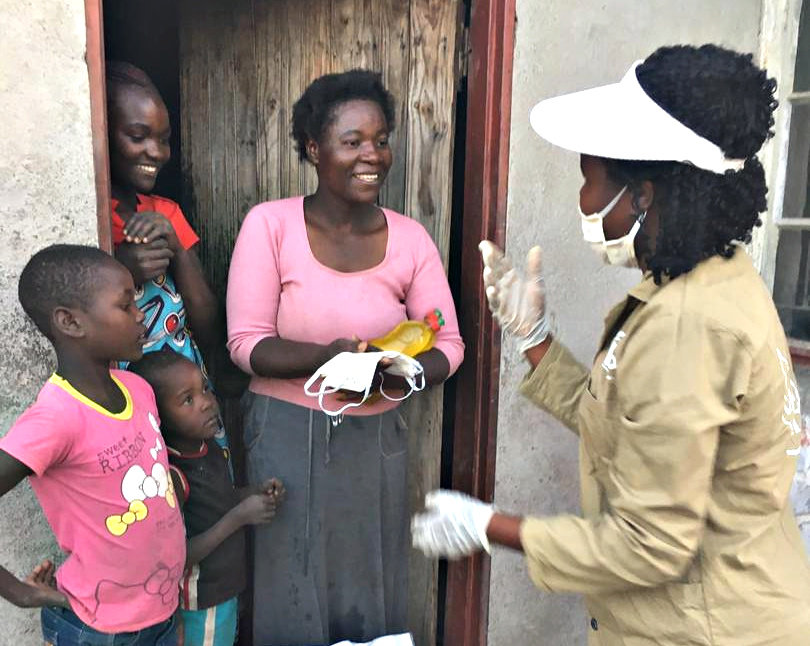
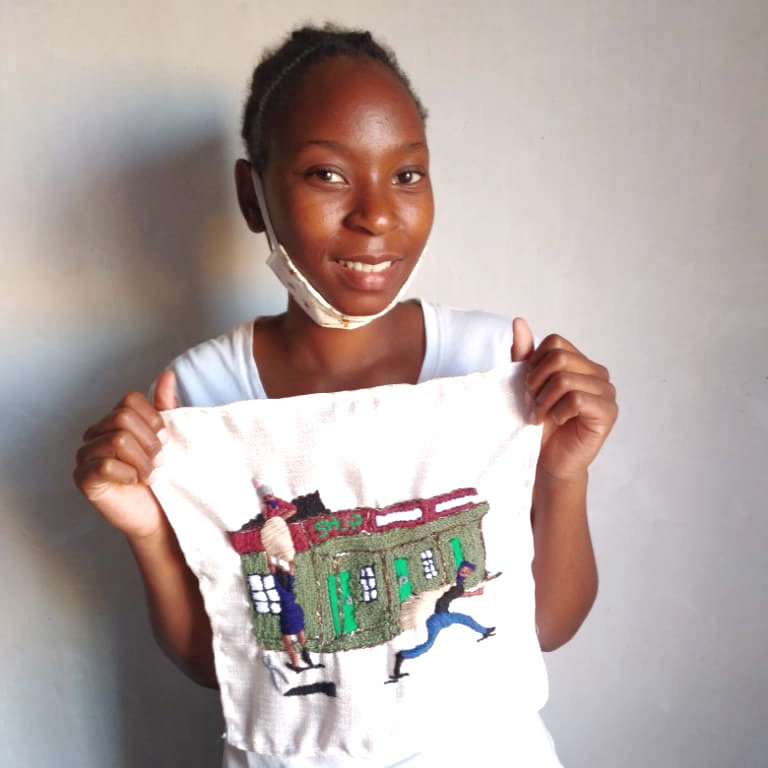
We tell the story of partners through photos, videos, blogs, social media, embroidery and our online news service. Of these services, embroidery takes the most work but gives partners the best opportuntiy for self-expression. Several WAP girls stitched stories for the Zimbabwe Child Marriage Quilt in 2019 and followed up with powerful blocks about the COVID pandemic in 2021. Several WAP soap-makers have also sold embroidery through our online store Southern Stitchers.
IT: We also help partners to build websites and use social media, which are critical in helping CBOs like WAP to move past the start-up phase. But we have also learned important lessons. Many past Fellows developed new sites which lapsed after they departed because their hosts were not convinced of the value.
As a result, we now focus less on the technical aspect and more on building demand for IT within partner organizations through talented individuals ("accidental techies"). This is not difficult. Constance is prolific on Facebook and WAP users WhatsApp very effectively to grow its network of soap customers. The Global Sougth is into social media!
Money: Fundraising has played an important part in our support for WAP. We contributed $2,091 of our own money to the Clean Girl start-up in 2019 and followed up by launching three appeals through GlobalGiving. As Clean Girl soap moved beyond the start-up phase we helped Dickson to identify new donors and draft his first major proposal.
But while proposal-writing can help, producing joint information has probably done more to secure funding for the Clean Girl project. We are particularly proud of this 2020 video which helped to secure WAP’s first major grant. The footage was shot by Dickson in Zimbabwe and edited by Gio, our video editor, while studying at George Washington University.
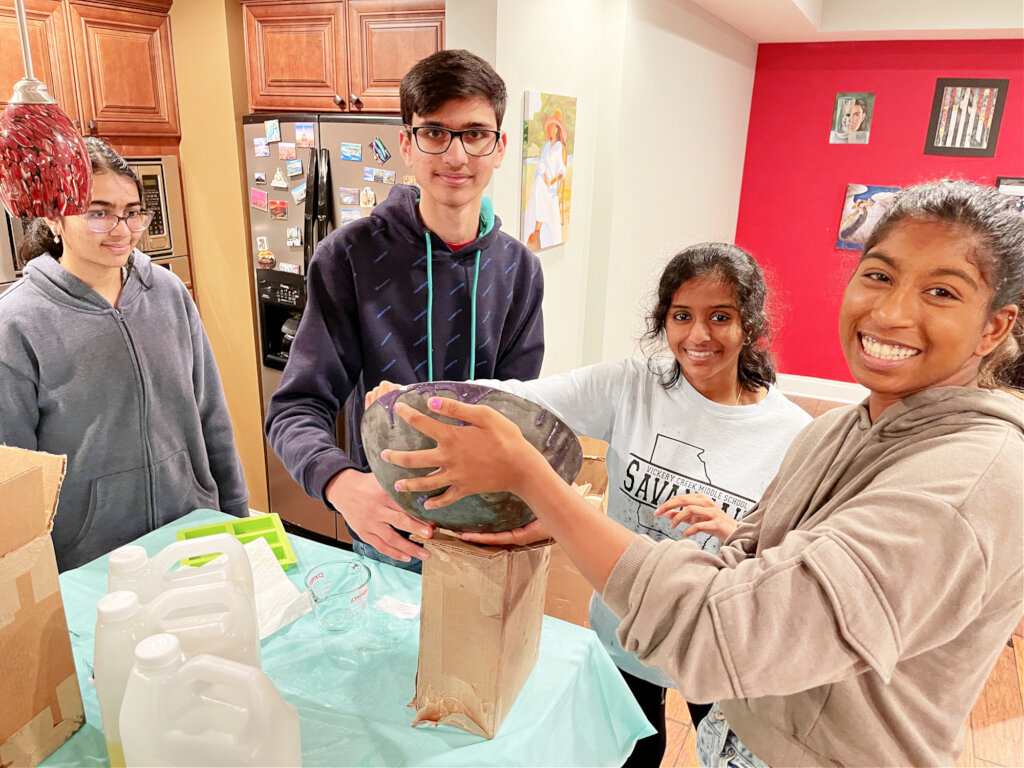
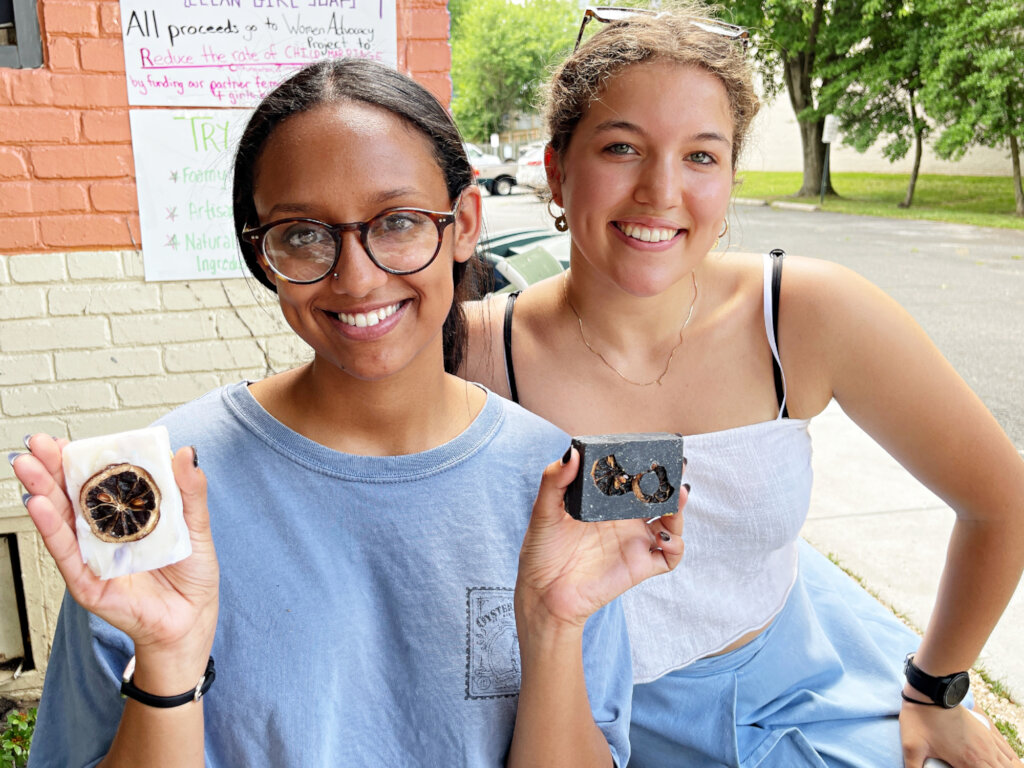
International networking: Gio’s involvement is a reminder of another service that we offer, namely access to friends in the Global North. As you may know from past reports, three groups of high school students in the US have developed their own brand of Clean Girl soap and sold it to raise over $2,500 for the education of WAP girls in Zimbabwe. This has turned out to be a wonderful educational tool for girls in both countries.
American quilters have also entered the WAP orbit. Allison from Rhode Island assembled the Zimbabwe Child Marriage Quilt, while Colleen from Wisconsin assembled the Zimbabwe COVID quilt. Bobbi, our quilt coordionator from North Carolina, visited Zimbabwe in 2022 to train WAP girls in how to make embroidery.
Building capacity: Donors are obsessed with Monitoring and Evaluation (M and E), with “building the capacity” of local grantees, and with ensuring the "sustainability" of their investments. To this we would say that the best guarantee of sustainability is the motivation of partners. This will quickly disappear if a donor insists on offering “capacity building”!
For us, capacity comes naturally through project management. Once again we offer tools but do not impose. For example, we invite partners to use our Google Drive as a virtual office which is accessible in the US and Zimbabwe. We also suggest that partners post data every month to an “output tracker” that will provide content for reports to donors later on. We get no pushback!
So much for the services on offer. Dickson – a quick learner – has made more use of them than any other partner. He sees this as one reason why he he has been so successul in finding new donors.
But when Dickson thanked me recently for the years of "mentoring," I pointed out we have benefitted as much from our partnership as WAP. Clean Girl soap has given us unique exposure to Africa, wonderful friendships, new skills, rich video footage, photos, blogs, projects for our quilters, and a training ground for our Peace Fellows.
On other words, "mentoring" cuts both ways. For us this is the essence of partnership.
*
In conclusion, we may have scaled down our engagement in Clean Girl but we have not withdrawn completely.
We will not write proposals, but we will offer fiscal sponsorship to WAP if required by donors. We will also invite more high school students here in the US to make Clean Girl soap and put WAP girls through school. This unique collaboration helps our students put their own struggles into perspective and appreciate what girls in Africa have to face just to attend school. In addition, high school friends like Ruby in Nashville and Sahasra in Atlanta are fun to work with – another gift that we have WAP to thank for.
We will also invite other partners in the Global South to share WAP posts on social media. Hopefully this may even lead to some South-South collaboration between partners around shared challenges like climate change, pollution, food insecurity and malaria.
It should continue to be exciting. We hope you will stay involved!
In gratitude,
Iain and the AP team
Links:
Project reports on GlobalGiving are posted directly to globalgiving.org by Project Leaders as they are completed, generally every 3-4 months. To protect the integrity of these documents, GlobalGiving does not alter them; therefore you may find some language or formatting issues.
If you donate to this project or have donated to this project, you can receive an email when this project posts a report. You can also subscribe for reports without donating.



Support this important cause by creating a personalized fundraising page.
Start a Fundraiser