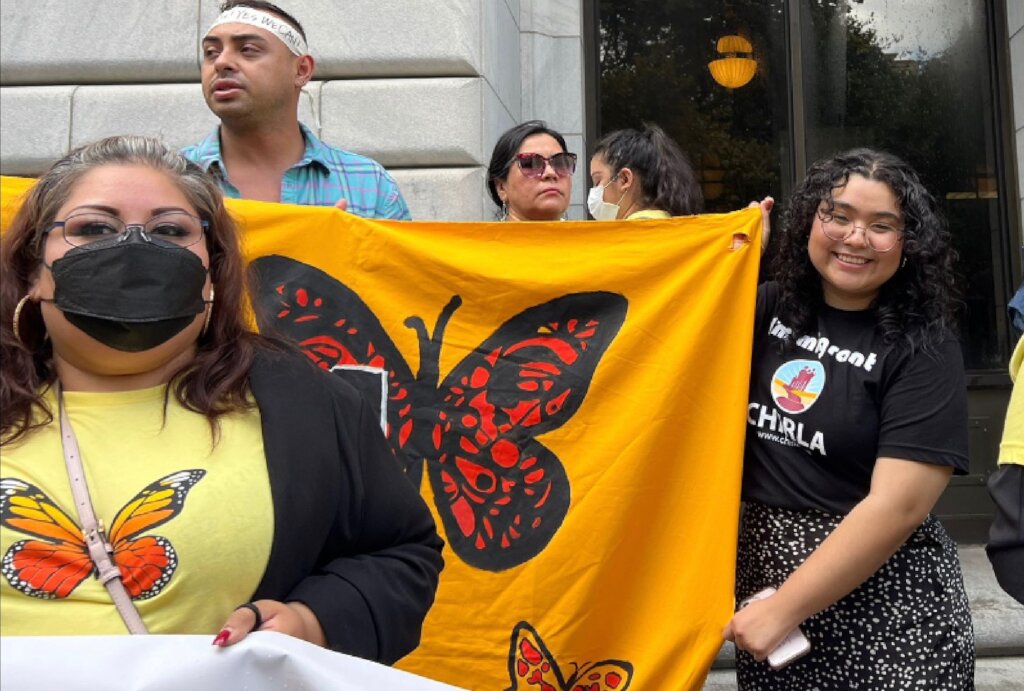
![Aimee (right) campaigned for DACA in New Orleans]()
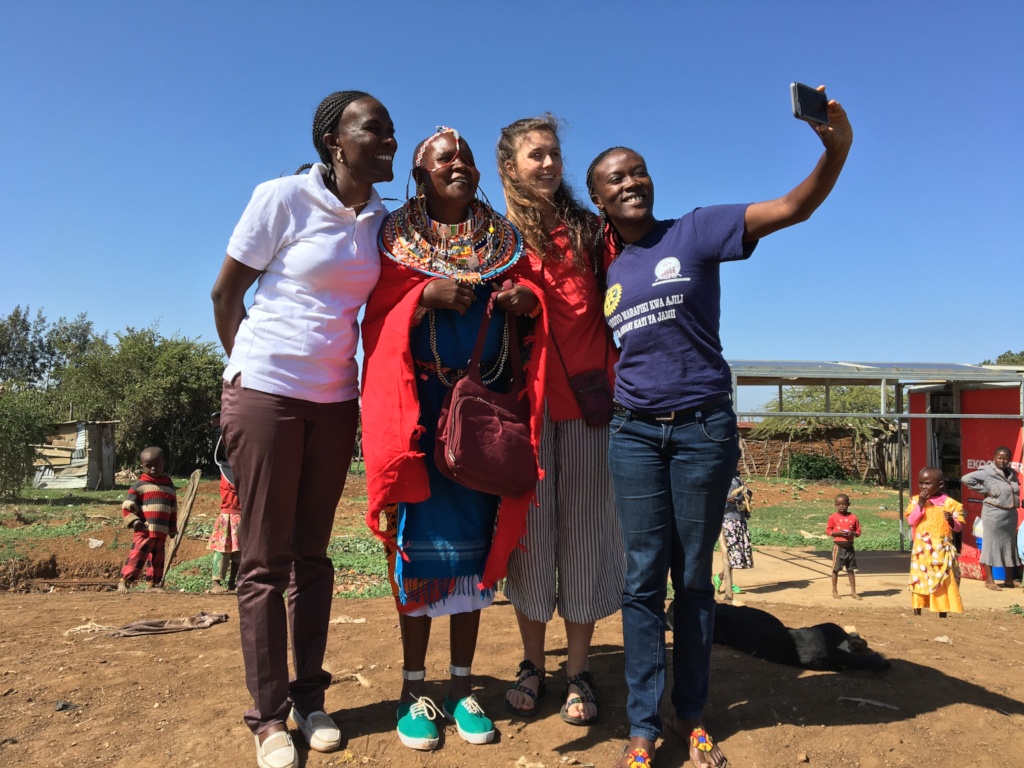
Aimee (right) campaigned for DACA in New Orleans
This report is going to friends who have donated $52,641 to our fellowship program Fellows for Peace through GlobalGiving. Since 2003, with your help, the program has given 332 students the chance to work on the frontlines for peace in 43 countries. We are deeply grateful.
As noted in recent reports, the pandemic forced us to introduce remote fellowships and broaden admission to undergraduates and high school students. Of the 34 Fellows to serve since 2020, seven were deployed to Africa and Asia, while the rest worked from home in the US.
We made these changes with some trepidation, because our program was originally designed for graduates who wanted to work abroad. But we need not have worried. The changes have brought in new talent and energy without sacrificing the original vision of international service. Offering the remote option has also widened our recruiting pool. This is the theme of our report.
After a brief hiatus, our international Fellows have picked up where their predecessors left off before the pandemic. They have launched start-ups, strengthened existing programs in Africa, coordinated embroidery trainings, and produced strong photos, video footage and blogs. Those working remotely from the US, meanwhile, have shown that distance is no barrier to building friendships and monitoring projects on the other side of the world. A small number of high school Fellows have given us a younger perspective and shown great creativity. Coming out of the pandemic our fellowship program is as sound as ever.
The biggest challenge remains cost. Sending Fellows abroad is expensive, but our funds are limited and projects in the Global South must take priority. As a result, we will continue to rely on individual donations, which cover 80% of our core costs including fellowships. The next chance to donate will come on November 29 (GivingTuesday) when GlobalGiving will match donations up to $2,500. Click here to donate.
Mission and Diversity
Two things remain unchanged about our model of international service. The first is our commitment to empowering marginalized communities. Judging from the feedback from past Fellows this remains appealing to students. The Advocacy Project offers them a way to engage and make a difference.
The second constant is our unswerving commitment to diversity among our Fellows. Diversity is a core value but it also provides us with people who identify with minorities and understand the challenges facing partners in the South. Fourteen of our 34 Fellows since 2020 were born outside the US or are first-generation Americans (from Ukraine, Haiti, Nepal, Turkey, Vietnam, Cape Verde, Mexico, and India). Twenty-five have been female.
In this spirit of diversity, we were delighted this summer to welcome Aimee, an undergraduate at the University of California who came to the US from Guatemala at the age of four without documents. After years of living in the shadows, Aimee was accepted into the Deferred Action for Childhood Arrivals program (DACA), which protects undocumented young people in the US from deportation. DACA has been relentlessly challenged in the courts and Aimee attended a hearing at the US Court of Appeals in New Orleans in July to defend the program (top photo). (DACA survived the challenge.) Having overcome discrimination herself Aimee was a perfect choice to support our work with girls in Zimbabwe from the US.
In-person Fellowships
This year’s Fellows inherited four strong programs in Africa and Asia that owe much to the hard work and ingenuity of their predecessors.
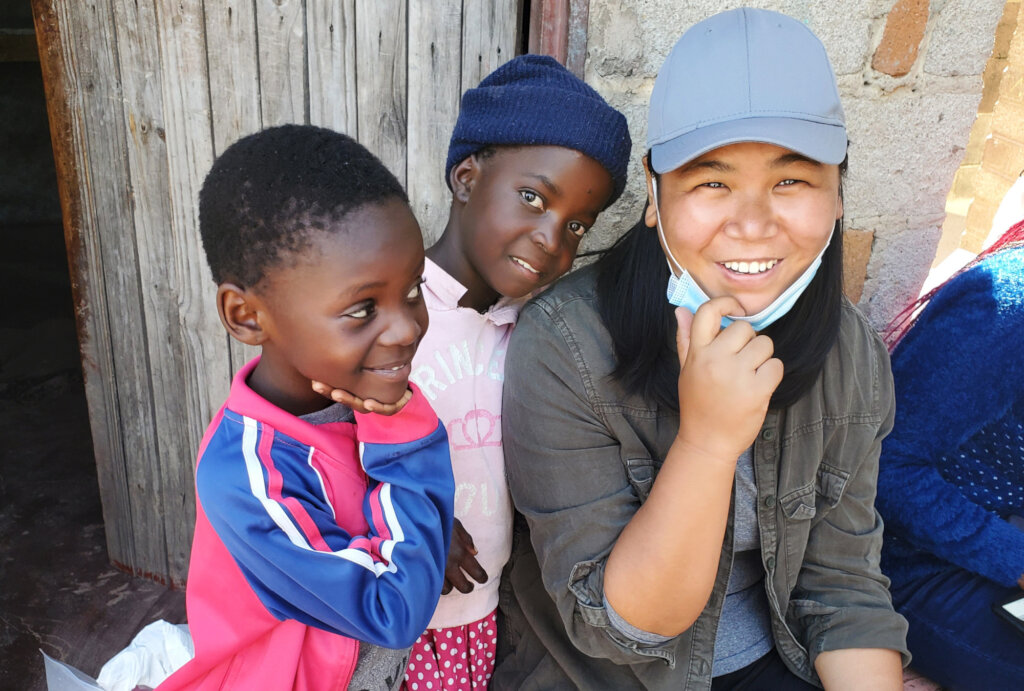
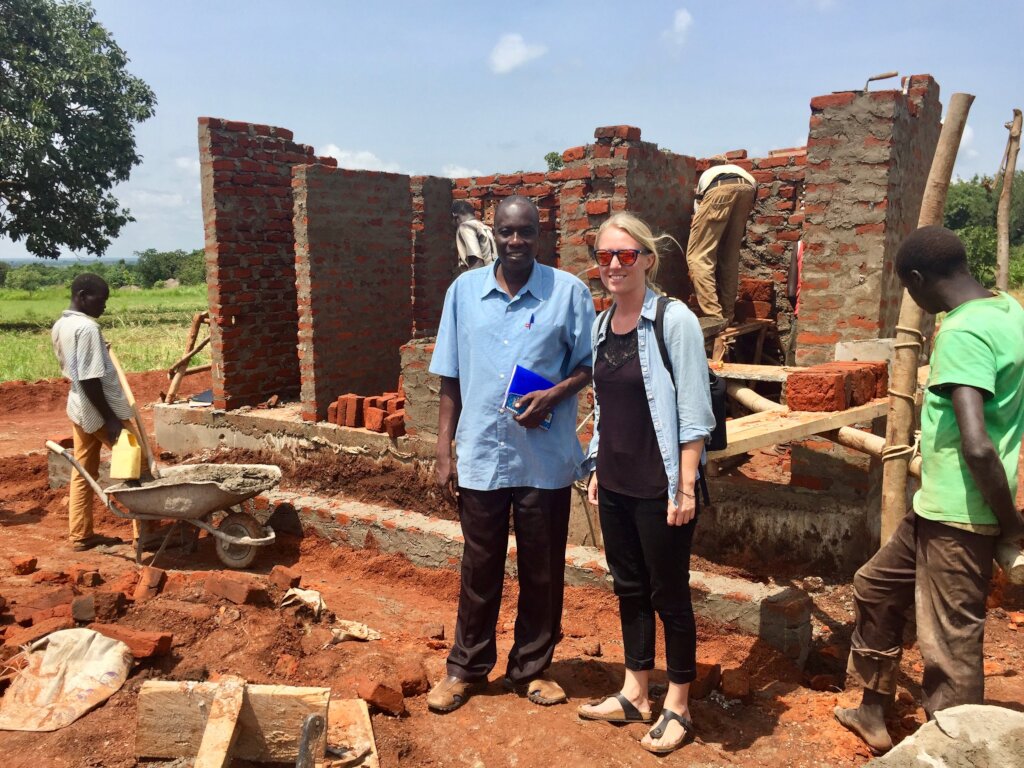
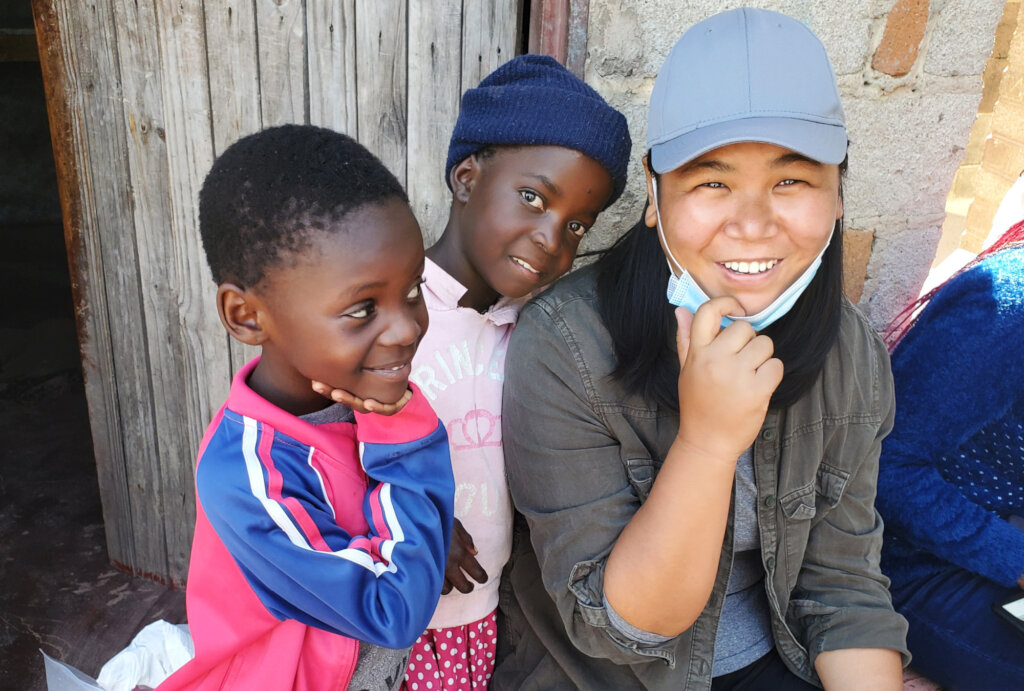
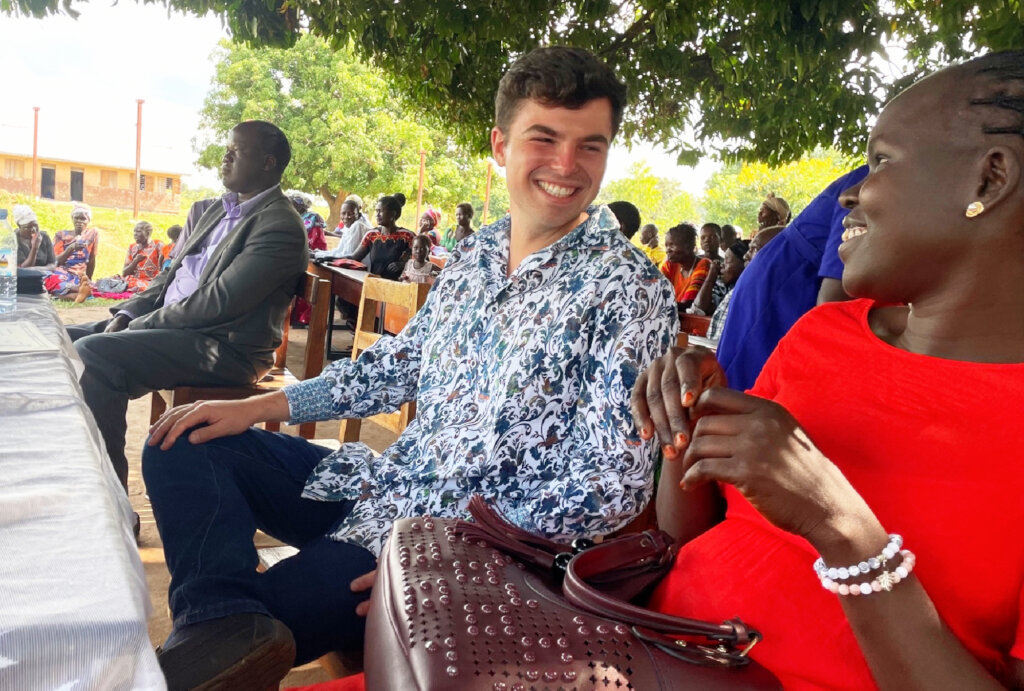
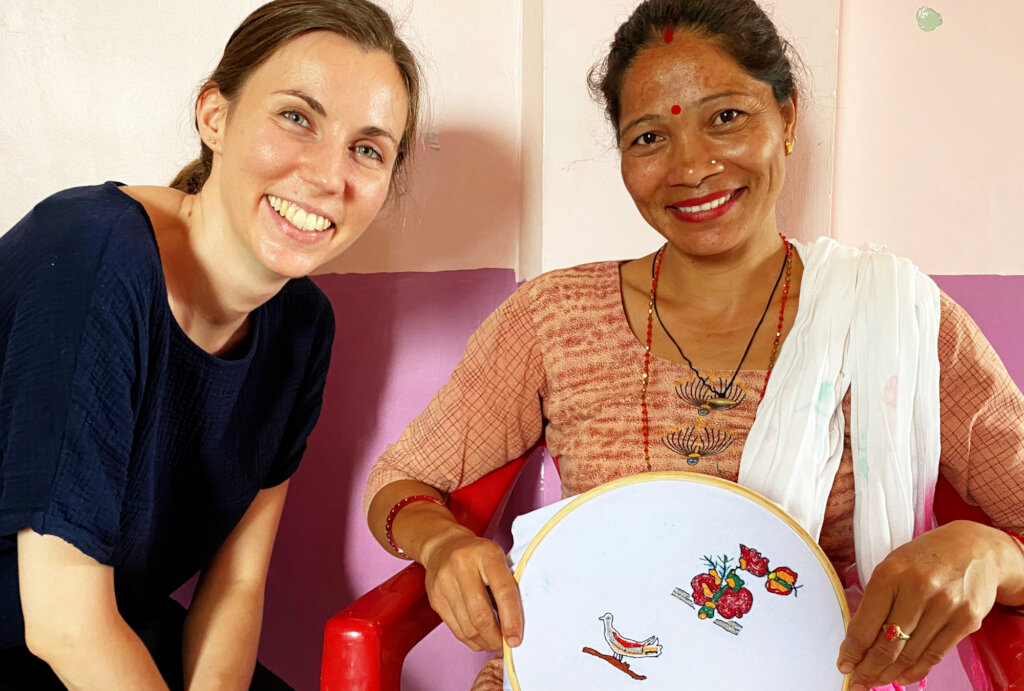
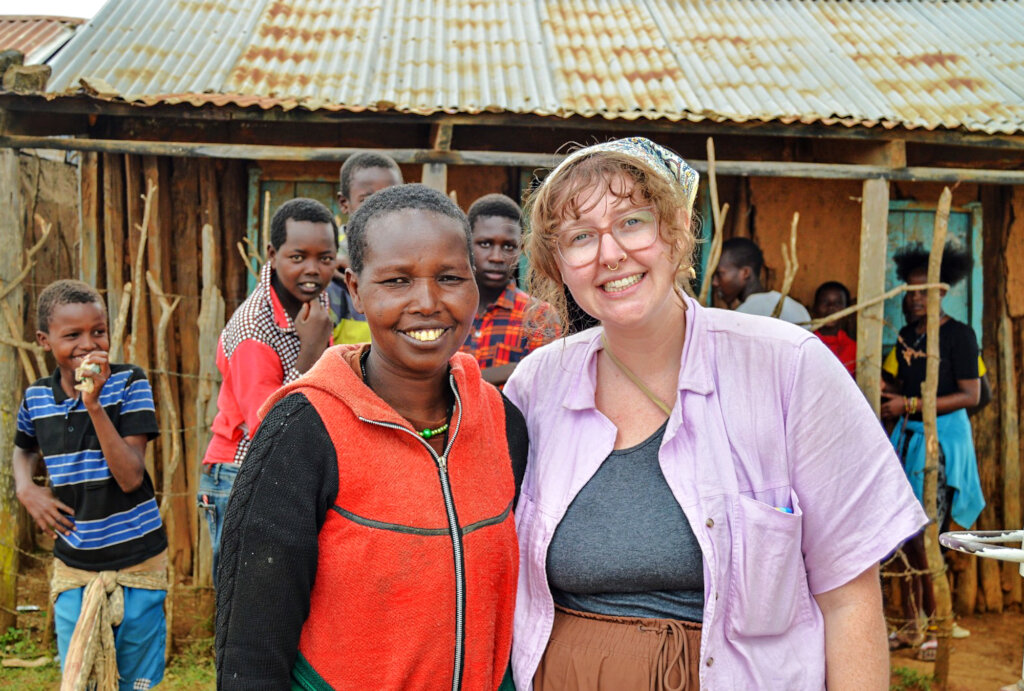
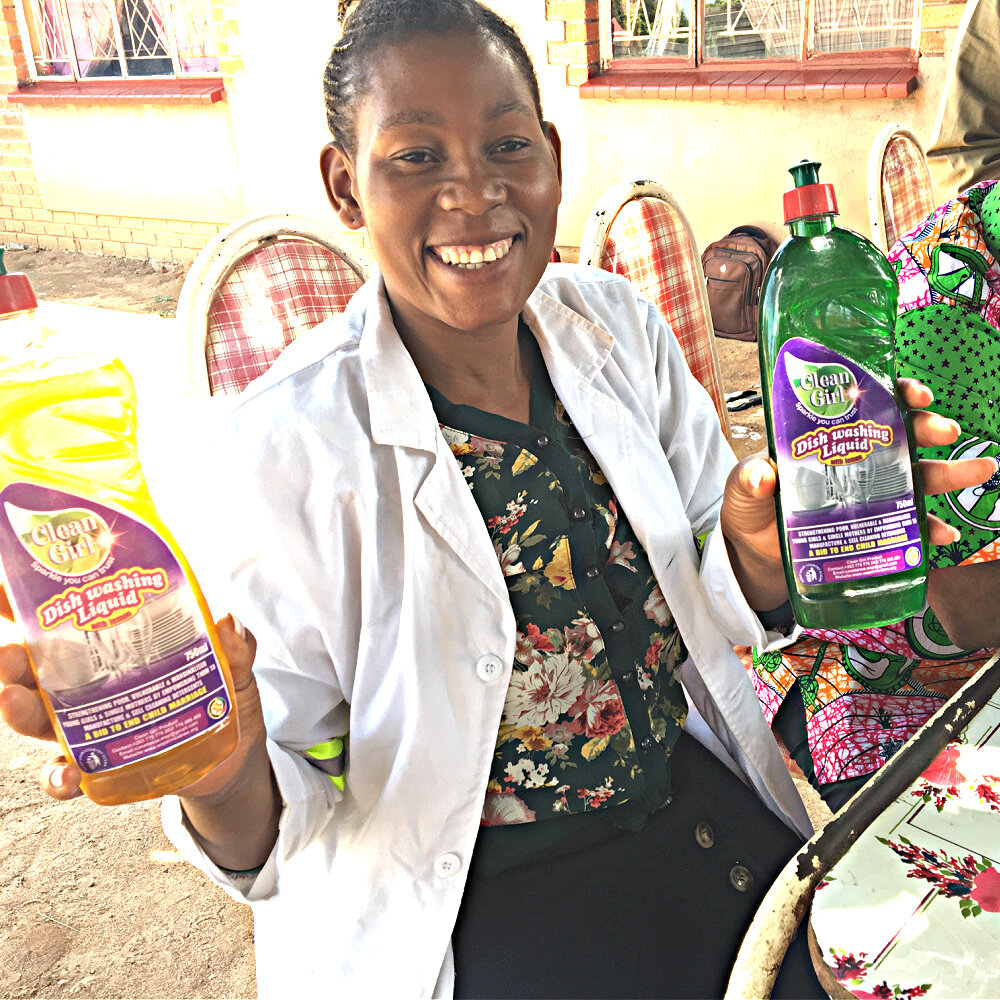
One of our 2022 Fellows, Dawa (University of Texas A and M), spent her time in Zimbabwe with underprivileged girls who make and sell soap. Helped by her input they are on track to sell 16,000 bottles of soap this year. In Nepal, Therese (Georgetown University) helped family members of the disappeared to make exquisite embroidered festival designs and train other women from the Tharu minority. In Kenya, Julia (George Washington University) helped to launch two visionary new start-ups for pastoralists. The fourth Fellow deployed abroad, Kyle (Texas A and M), helped to install new toilets at a primary school in Northern Uganda.
These four programs drew on the efforts of 22 graduate students between 2011 and 2020.
To take one example, the toilet project in Uganda was inspired by a 2011 blog by Rebecca at the University of Maryland. Our 2015 Fellow in Uganda, Josh (Columbia University), raised over $4,000 to install toilets at a primary school in 2015 and three more schools received our WASH package between 2016 and 2019. By the time Kyle left Uganda this summer, a fifth school had been equipped and over 5,000 students were benefitting from decent sanitation. This straight line between past and current Fellow has not been interrupted by the pandemic.
New Fellows also bring changes and innovations. During her time in Zimbabwe, Dawa designed a new fund that will enable many of the soap-making girls to complete their high school education. The new WASH package at the Awach school in Uganda includes, for the first time, a changing room for girls. One of the two start-ups in Northern Kenya will offer herders a way to share dwindling pasture – a practical response to climate change. In commissioning the embroidered festival designs from family-members in Nepal, Therese had one eye on selling their work in the US. These were all new ideas.
Fellows in the field produce photos, blogs and video footage that we turn into news bulletins and proposals. They can also be formidable fundraisers, as Julia showed this summer in launching a fundraiser on GlobalGiving for the Kenya start-ups. All of our major programs now have their own appeals on GlobalGiving, largely thanks to past Fellows. Many of you have also donated to these appeals and we thank you again for that.
Apart from cost the biggest challenge facing our international fellowship program has been continuity. Fellows are deployed for ten weeks between their first and second year of graduate study. The past three years have shown that this is the perfect length of time for launching a start-up and producing important deliverables. But we have to wait for another year before the next Fellow will become available. This makes it hard to maintain momentum during the rest of the year.
It has taken the pandemic to help us find a solution, in the form of remote fellowships.
Remote Fellowships - Undergraduates
We opened up fellowships to undergraduates and high school students in 2020 partly to offer more resources to our Southern partners and partly to provide students in the North with some relief from the pandemic.
This decision has energized our program and partnerships. In the first place it has made fellowships more accessible to universities in the West and Midwest of the US. Our 34 Fellows since 2020 have come from 22 universities and schools.
Second, the expansion has given undergraduates direct input into our work in the Global South. Take for example Agent Orange in Vietnam. We are heavily invested in helping victims of this ghastly tragedy and sent 12 graduates to Vietnam between 2008 and 2020 to work with severely affected families. We did not want to see the project fizzle out during the pandemic, so we put up another appeal on GlobalGiving and asked Ryan, an undergraduate at the University of California, to help our Vietnamese partner purchase two cows for new families. Ryan knew the language and also knew about Agent Orange because his own grandparents had fled from Vietnam in the 1990s. This compensated for the fact that he could not be present in person.
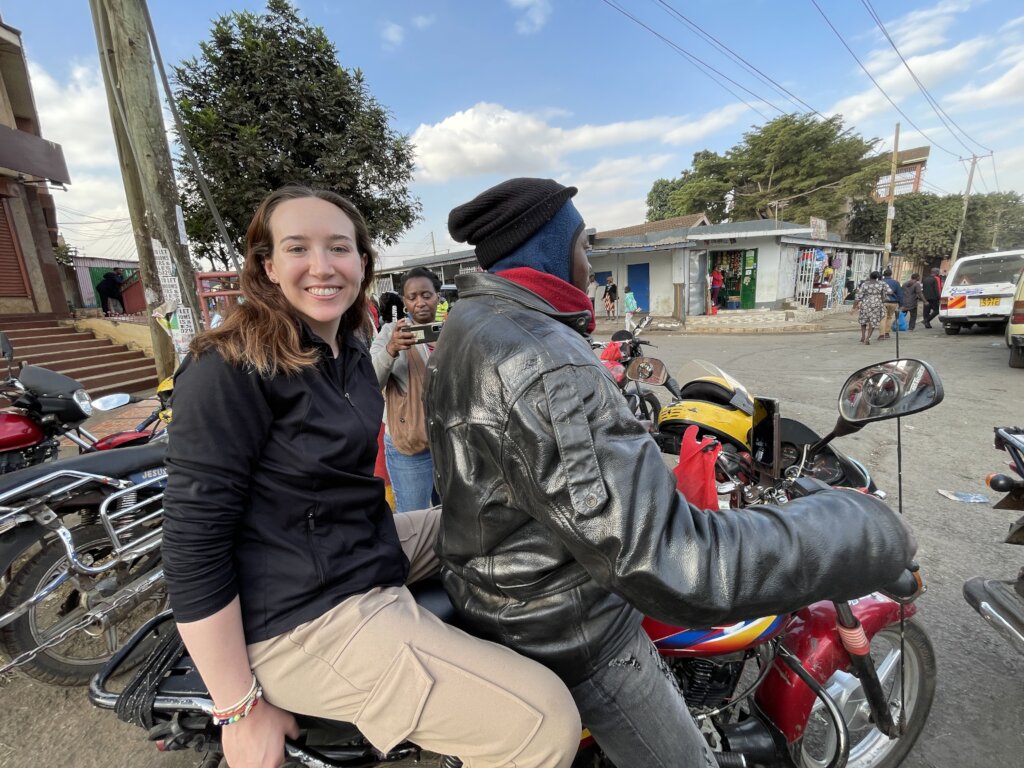
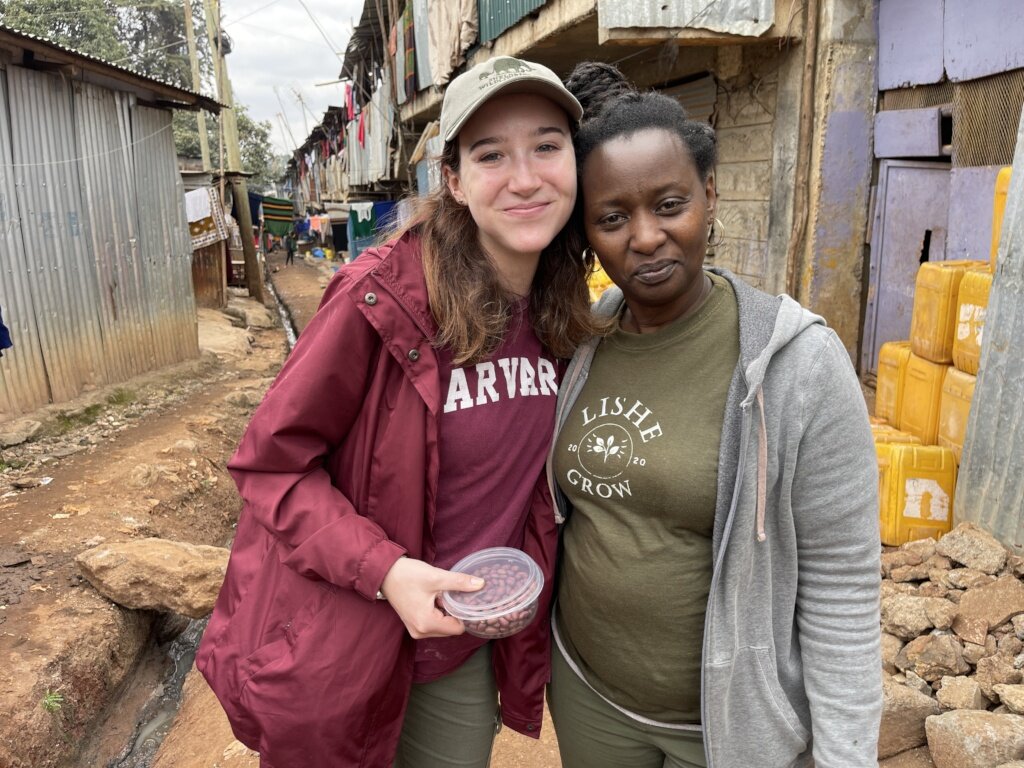
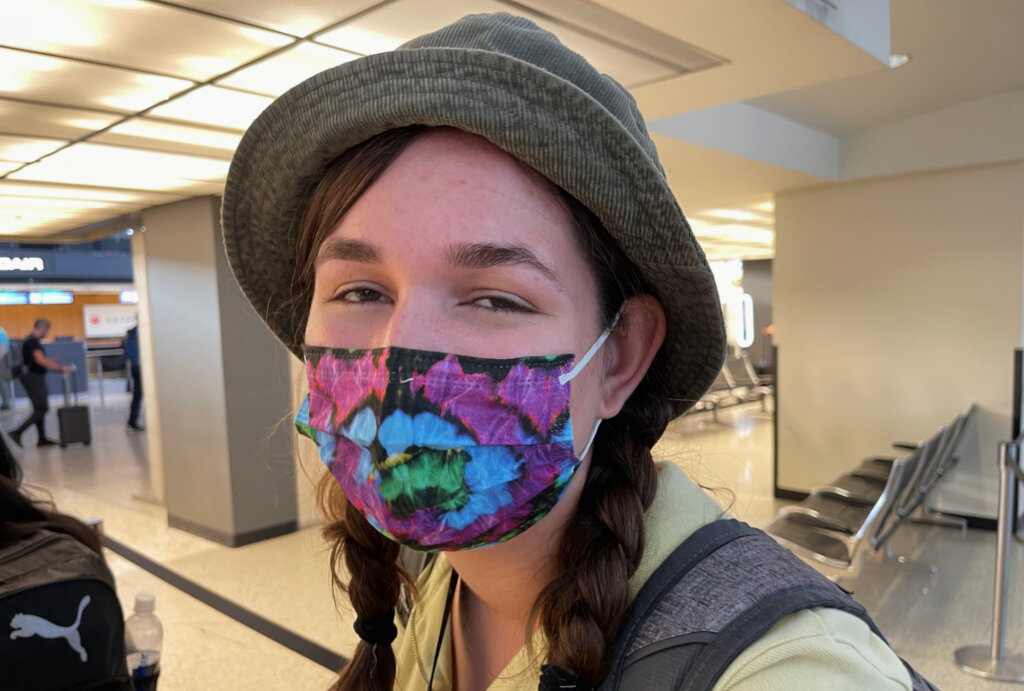
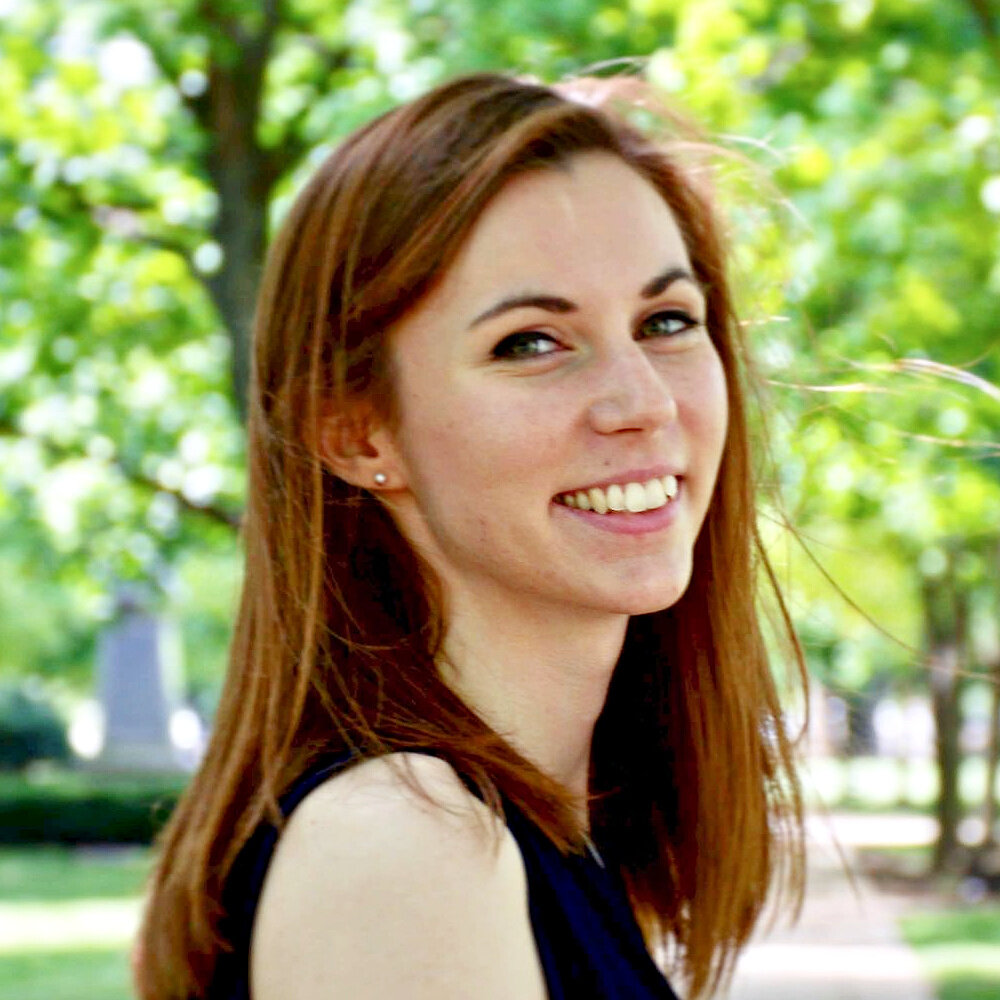
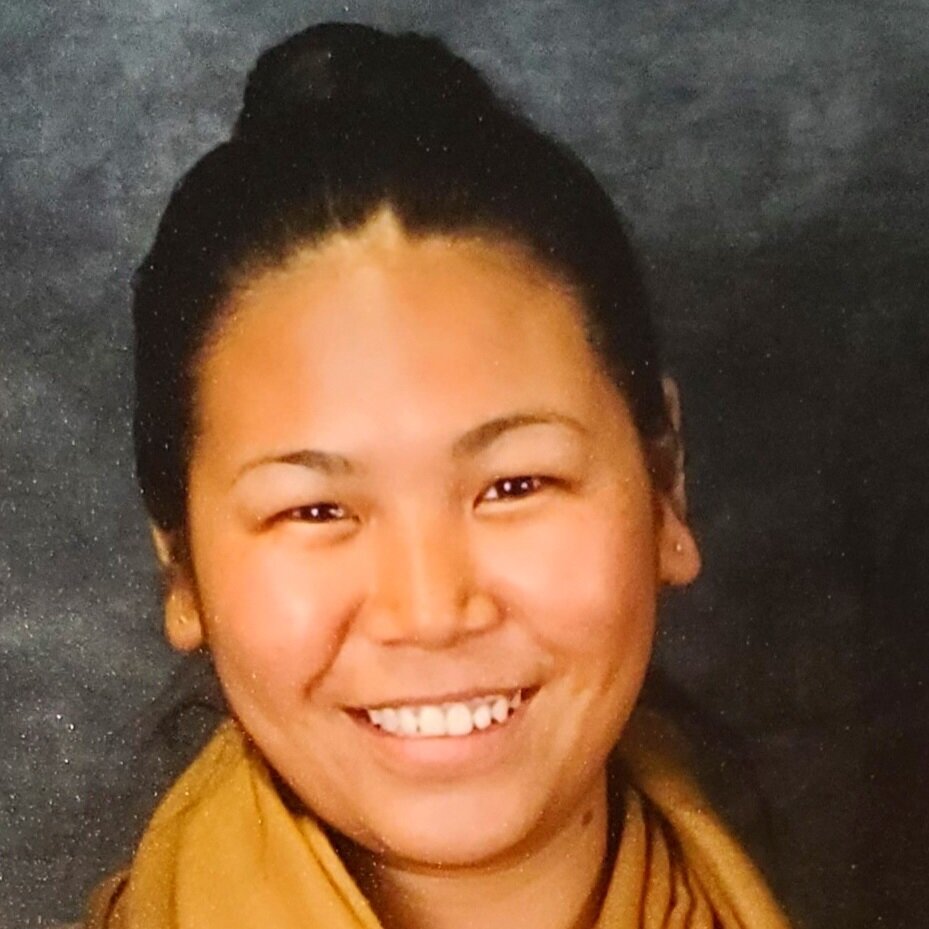
Delaney (University of California - photo below) and Evan (University of Maryland) are two other undergraduate Fellows who have made a significant contribution in working remotely. Both have helped us to revive a partnership with the River Gypsies in Bangladesh which was suspended in 2014 after our Peace Fellow at the time had to be evacuated. Meeting regularly on Zoom with our partner in Bangladesh, Evan and Delaney have helped to design an innovative start-up that includes the purchase of two fishing boats.
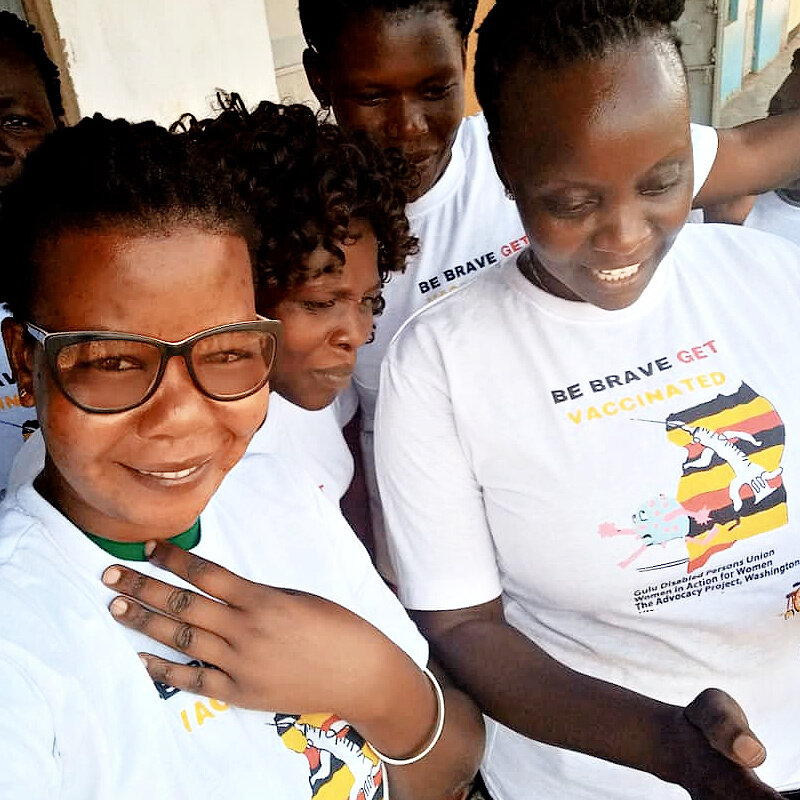
Delaney also played a key role in developing two start-ups in the crowded settlements of Kibera and Kangemi in Nairobi. Both projects began with embroidery training at the height of the pandemic and led to the formation of associations headed by dynamic leaders. Delaney used WhatsApp to meet regularly with Stella in Kibera and together they designed a pioneering composting start-up. Delaney also helped Caren to launch a vaccination campaign in Kangemi that has inspired similar campaigns in five other countries and vaccinated over 5,000 vulnerable individuals – an amazing outcome. Our input has come entirely from the US.
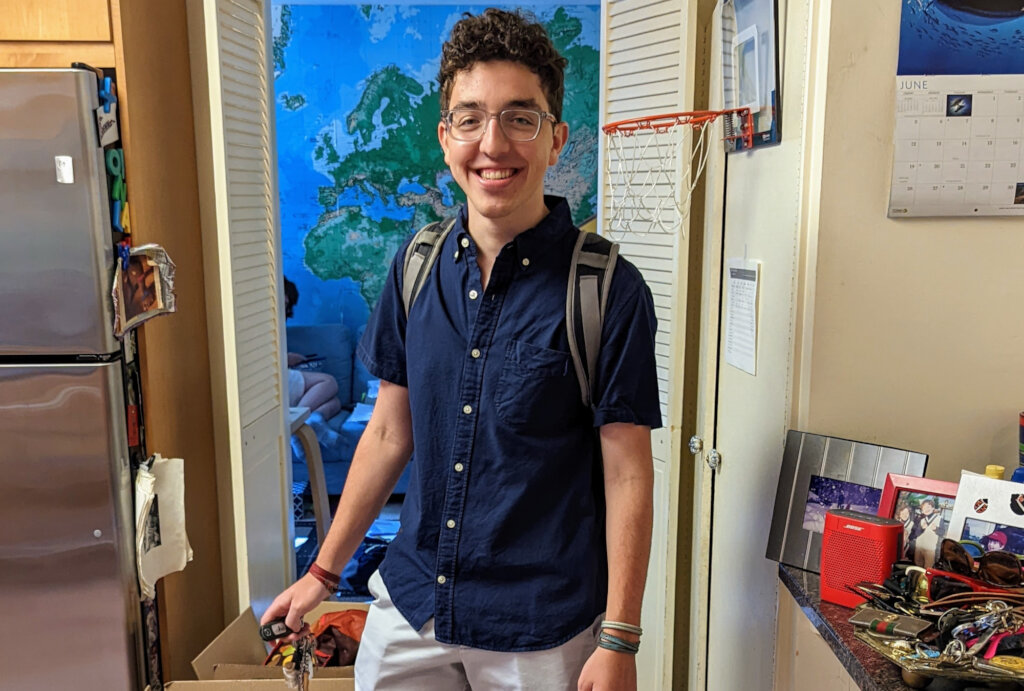
Remote fellowships have also allowed us to create 2-person teams of Fellows – with one working abroad and one working from home. This has helped to relieve the loneliness that comes with any international deployment and also enhanced the quality of fellowships. In one example this past summer Daniel, an undergraduate at the University of Pennsylvania, commissioned dinner plates from the embroidered festival designs collected by Therese, our graduate Fellow in Nepal. This has opened up exciting possibilities for the artists in Nepal, who we have supported since 2015.
Blogs are another way that team members can enrich each other’s work. Working from Liberia in 2021, Mathew described the ostracism that still faces Ebola survivors. Back in California, his undergraduate partner Beliz took a deep dive into stigma and came up with insights that have informed new projects with survivors of albinism in Kenya and war rape in Uganda.
Finally, remote fellowships have shown that friendships can flourish at a distance as well as in person. After 18 months of WhatsApp, Delaney and Stella finally came face to face this summer when Delaney visited Kenya. It was, reports Delaney, much like a family reunion.
Delaney is a perfect example of how students of all ages have enhanced our organization while enjoying their own life-changing experience. Delaney joined AP as an intern in 2020, became a Fellow in 2021 and took over as program manager in 2021 before returning to university. We have invited Delaney onto our Board, where she will join two former graduate Fellows and a former undergraduate intern. Student volunteers are part of our institutional DNA.
Of course, there will always remain a difference between remote and in-person fellowships. The latter will always seem more glamorous, and nothing can substitute for the thrill of working in Africa or Asia. On the other hand, working remotely also gives us more leeway to be creative because remote Fellows are not exposed to the risks of working in the field. As we show in the next section, we have taken full advantage of this!
Remote Fellowships - High Schools
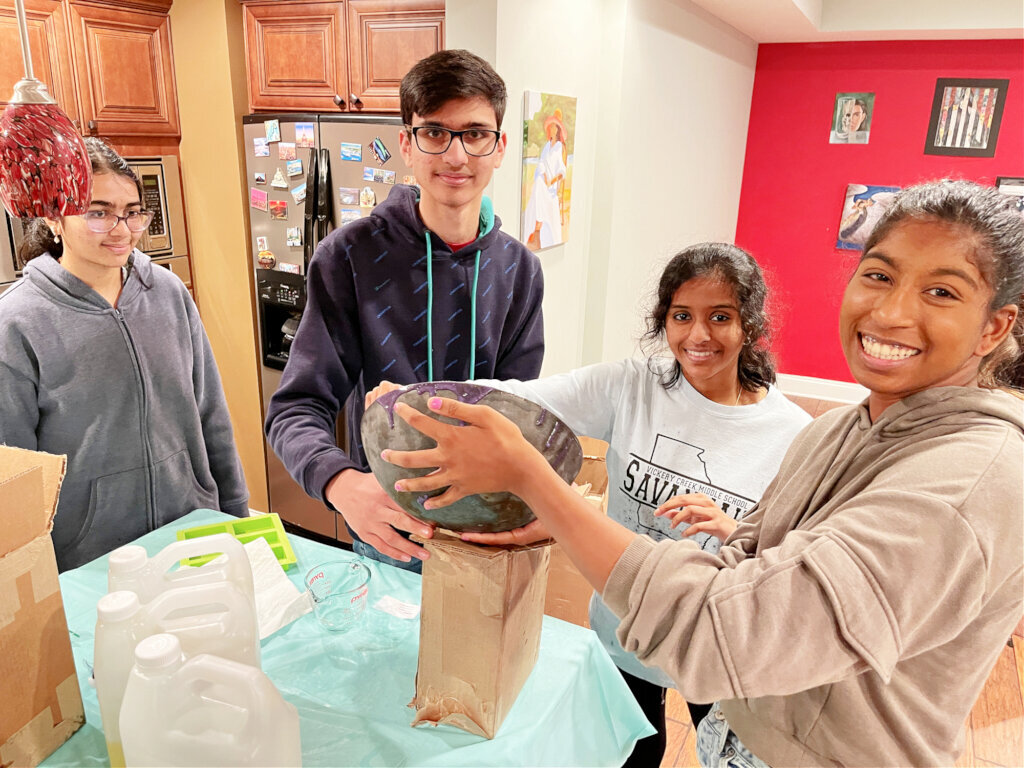
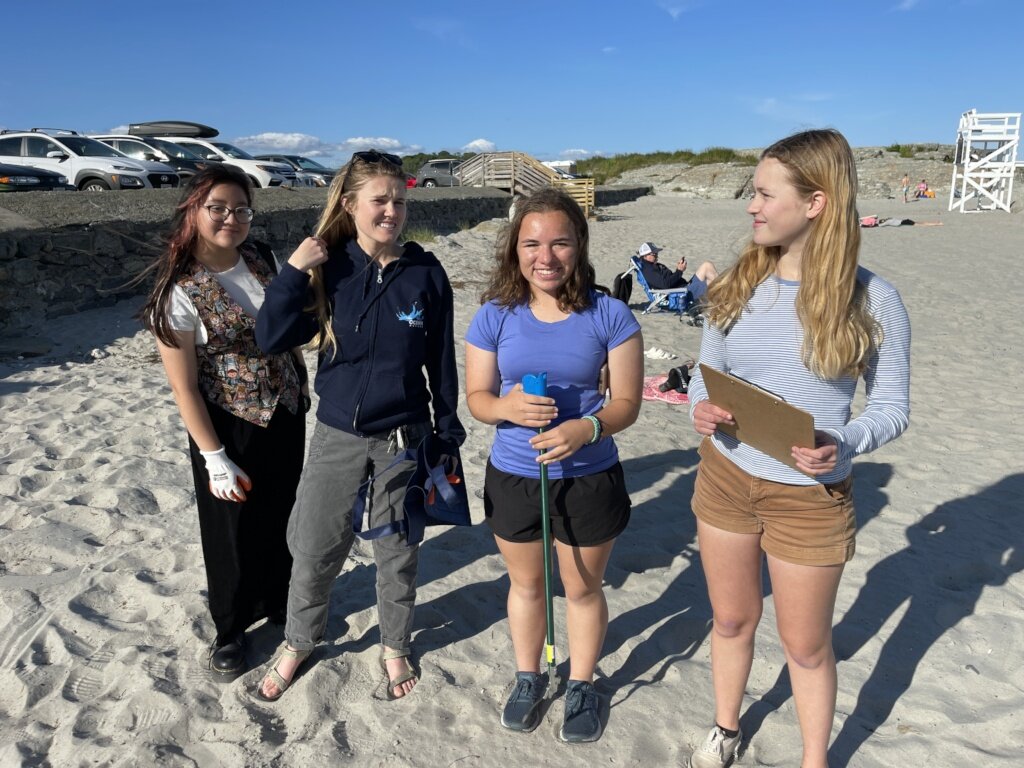
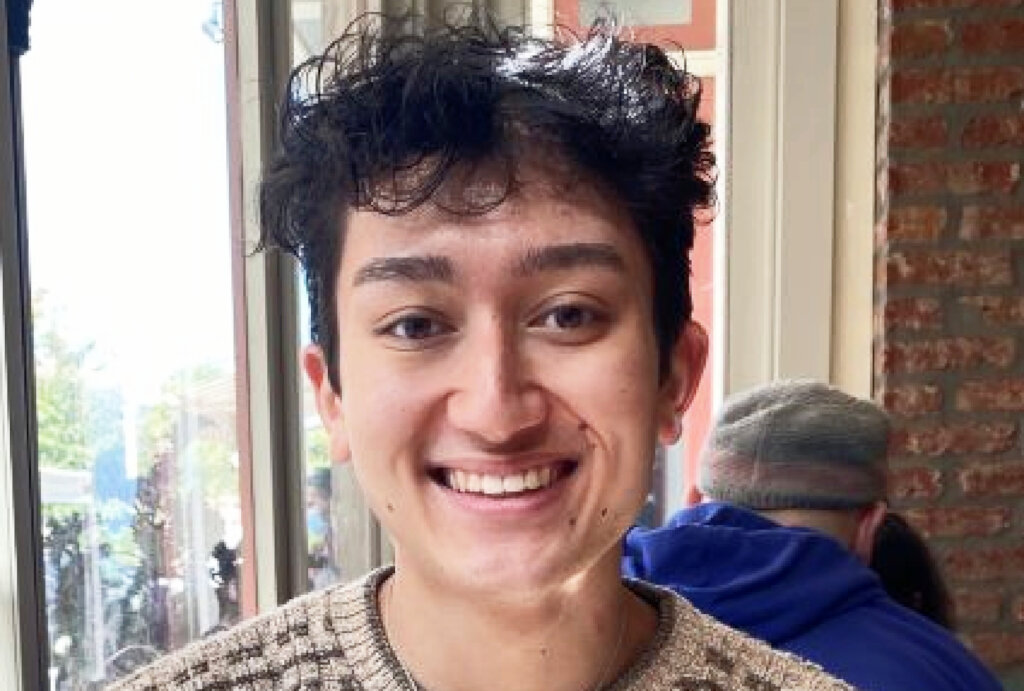
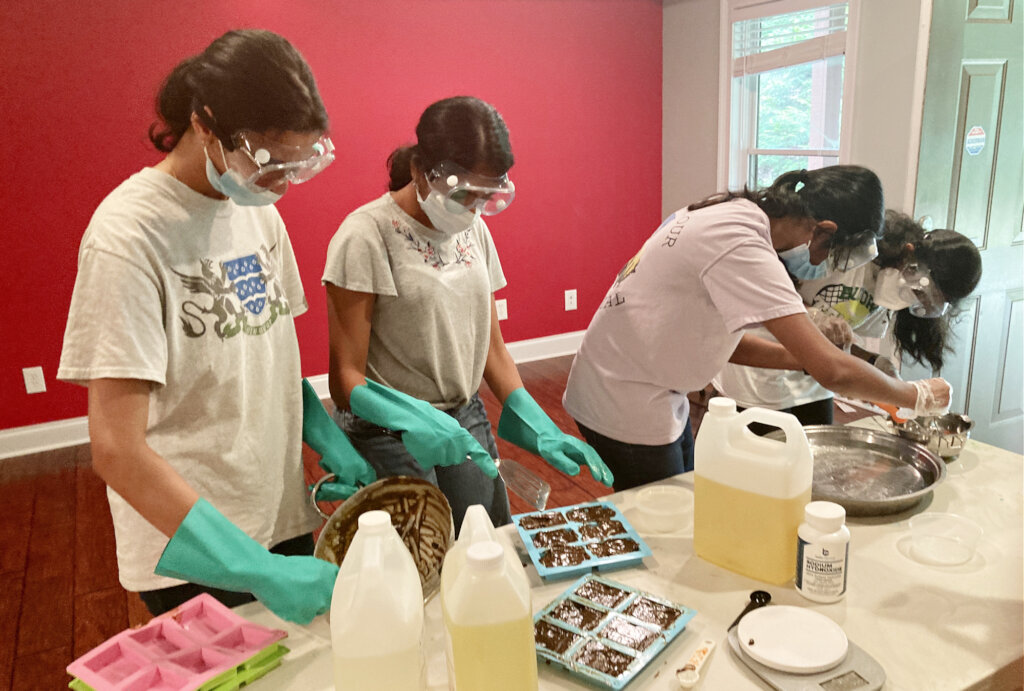
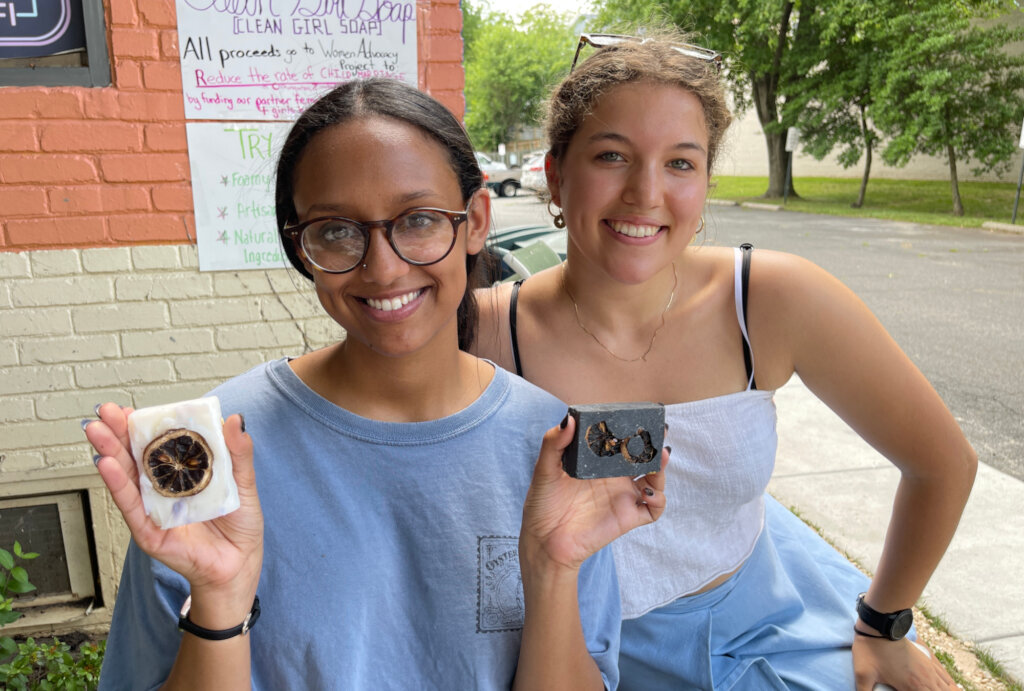
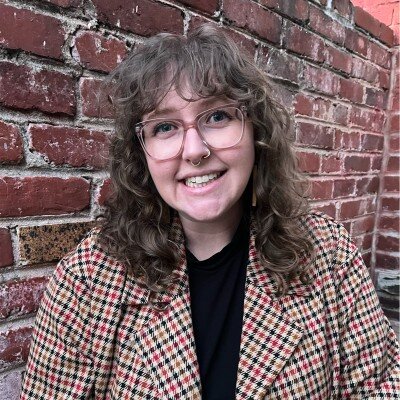
Our first high school Fellow, Grace, signed up in 2020 while studying at the Walt Whitman High School in Washington and we made good use of her design skills. She was followed in 2021 by Nina, 16, our youngest-ever Fellow, who mobilized friends from her school in Georgia to make and sell soap in solidarity with the soap-making girls in Zimbabwe. After 18 months, they are still going strong and recently sent us $600 to help the girls in Zimbabwe complete school. A second group of high school students, from the Wakefield School in Virginia, also made soap and raised $682 for the Zimbabwe girls. They were led by Nahier and Elena (photo).
It requires flexibility on our part to work with high school social entrepreneurs like Nina, but this is a small price to pay for their creativity and enthusiasm. Inspired by the experience, we will look for a high school partner in the US for all future projects. One school has already expressed interest in taking up composting, inspired by Stella’s worms in Nairobi.
Remote Fellows have also revolutionized our project management. Since 2020 we transferred $146,815 to 28 projects in 14 countries - a lot of money to track without having boots on the ground! We responded by turning our Google Drive into a virtual office where partners and Fellows meet every week to check receipts and upload deliverables to an “output tracker”. This has satisfied our auditors and brought out skills in Fellows like Brigid (2020) and Sarina (2021) that surprised even themselves.
Finally, and most important, these virtual meetings have provided the continuity and year-round oversight over projects that was missing up to 2020.
Job Satisfaction
We see no lessening of enthusiasm among our Fellows following the expansion of the program.
After living through endless power cuts and enduring bone-jarring bus rides, Therese, Dawa, Julia and Kyle can confirm that field deployments remain as challenging as ever - one reason why they have always appealed to graduate students with a passion for field work. (Therese is one of over 50 Fellows who worked in the Peace Corps before they signed up for our program.)
Nor, judging from feedback, has working remotely affected the quality of fellowships for undergraduates. Beliz, who supported Mathew in Liberia from her home in California, told us that her fellowship had helped her “meet amazing people around the world.” Ryan, also in California, wrote that his long-distance support for Agent Orange families in Vietnam had “opened my eyes to the entire field of NGO work. For those hungry to get their foot in the door, this is a great place to start.”
As fellowships have expanded so has our network of past Fellows. Scores of them open our news bulletins regularly and some also donate to our fundraisers, years after they left the fold. In the last three years alone we have written over thirty letters of reference for former Fellows. This suggests that our brand of international service - remote or in-person - can open up a useful pathway to the future. We follow their careers with pride.
Looking Ahead
What lessons can be drawn from these past three years and how can we maximize the benefits?
It will start with the mission and work plan. We will continue to focus on marginalized communities in the Global South but broaden out to the US where we hope to work - for example - with Afghan refugees and women in prison. We also hope that more high schools in the US will follow Stella’s example in Kenya and compost their food waste. We will shortly launch an online store to sell embroidery from our Southern partners here in the US.
A program of this kind requires a lean and nimble organization and we like our current mixture of five part-time staff members backed up by contractors and volunteers. The same thinking will drive our fellowship program. Mindful of limited resources, we will only recruit graduates to work abroad if they are really needed, unlike pre-pandemic years like 2009 when we sent 42 graduates to 25 countries.
When recruiting graduates for field work we should focus on short-term dliverables and not expect them to provide a year’s worth of support to their hosts in just ten weeks. Above all, they must remain safe. We can be bolder with undergraduates and high school students who work remotely from the US, and will invite applicants to help us design their own fellowships. All of this will probably require more field trips by AP staff.
This seems the logical way to build on the successes of the last three years. We would like to get your feedback and hope that you continue to remain at our side! Email us at iain@advocacynet.org.
In deepest gratitude,
The AP team
![Dawa with friends in Zimbabwe]()
Dawa with friends in Zimbabwe
![Delaney heads off to Africa (2022)]()
Delaney heads off to Africa (2022)
![Kyle inaugurated new toilets in Uganda]()
Kyle inaugurated new toilets in Uganda
![Daniel supported Nepali fiber artists from the US]()
Daniel supported Nepali fiber artists from the US
![Evan bought a boat in Bangladesh from the US]()
Evan bought a boat in Bangladesh from the US
![Therese organized embroidery training in Nepal]()
Therese organized embroidery training in Nepal
![Nina made and sold soap in Georgia for Zimbabwe]()
Nina made and sold soap in Georgia for Zimbabwe
![Julia worked with pastoralists in Northwest Kenya]()
Julia worked with pastoralists in Northwest Kenya
![Nahier and Elena sold soap for Africa from the US]()
Nahier and Elena sold soap for Africa from the US
![Share on Twitter]()
![Share on Facebook]()