By Iain Guest | Project Coordinator in the US
This email is going to 237 friends who have donated $48,641 to our fellowship program on GlobalGiving since 2016. We are closing in on our target of $55,000 and are grateful to you all!
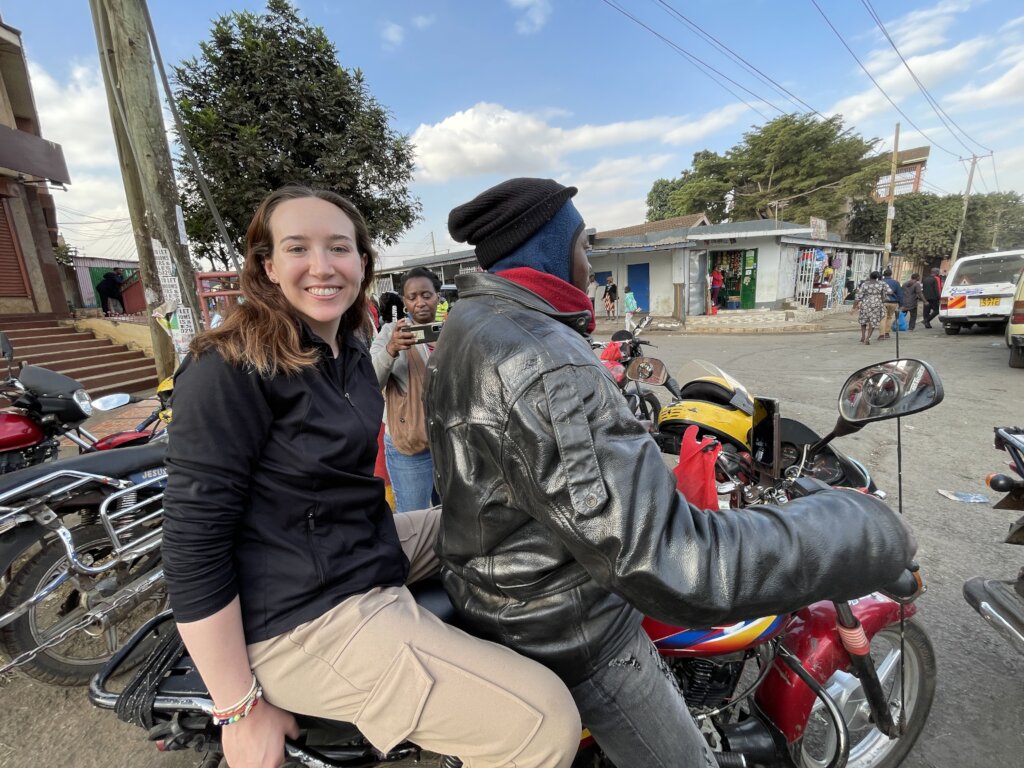
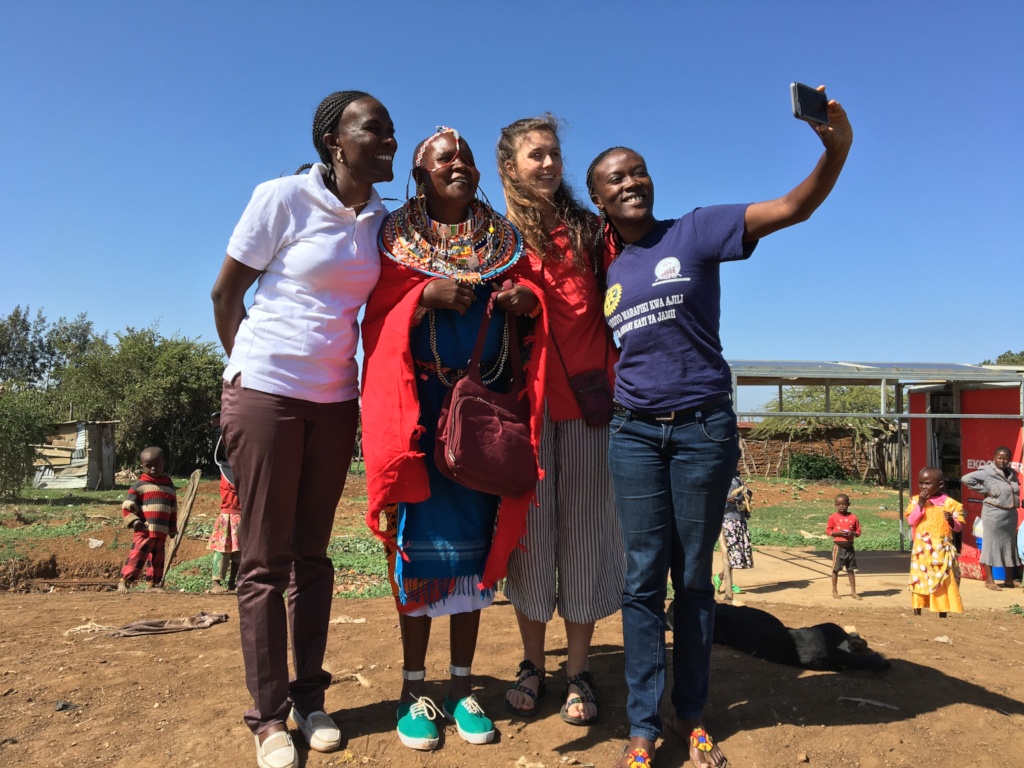
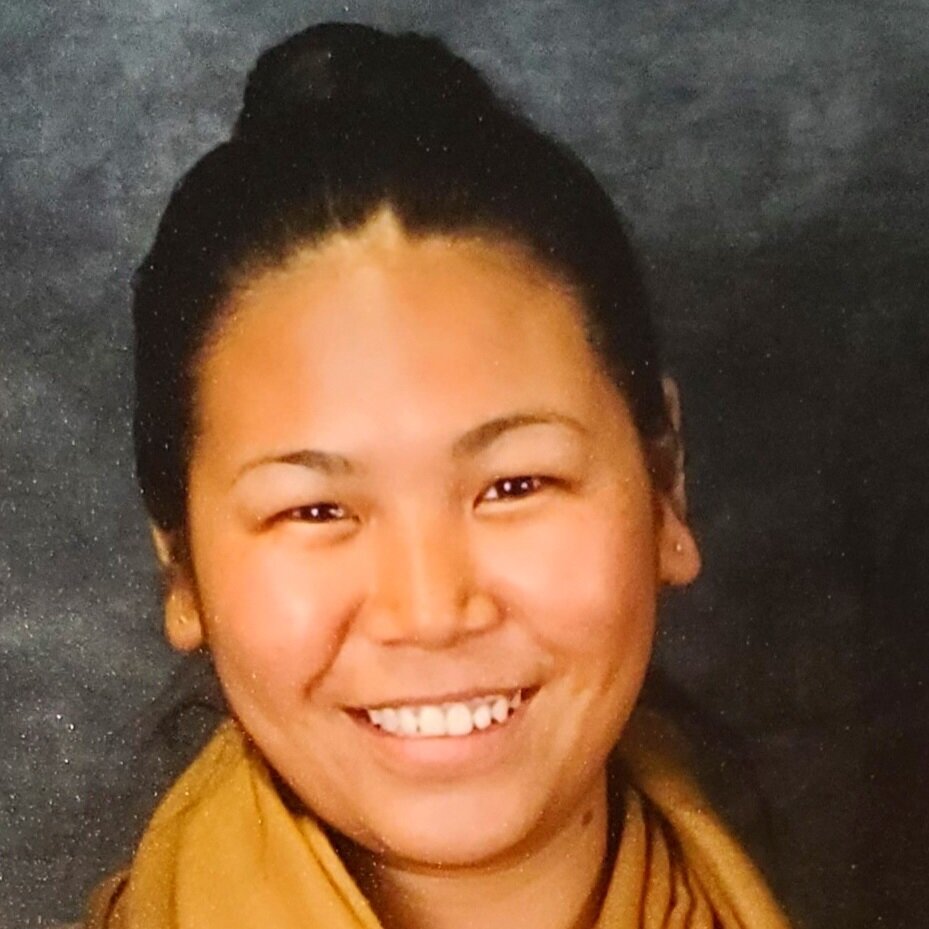
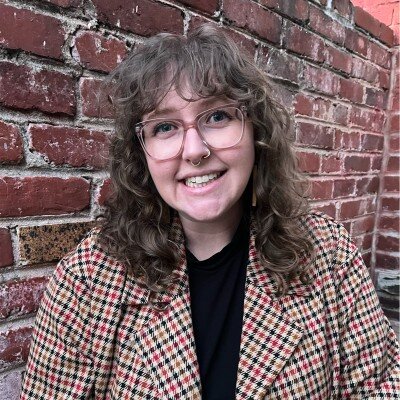
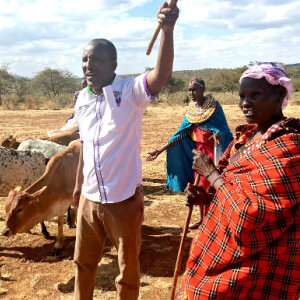
The coming summer promises to be busy. We will deploy five graduate students to Nepal, Zimbabwe, Kenya and Uganda and expect all of them to have the same rich experience enjoyed by Talley when she served in Kenya in 2017 (top photo). Four talented students will back up the 2022 team from the US.
We continue to be concerned by COVID-19, which remains a problem in the Global South as described in this recent bulletin. Infection rates are currently low in the countries where Fellows will be deployed, but we must be on guard. The rates of vaccination vary widely throughout Africa.
But at the same time we refuse to let the pandemic derail our program! Indeed, this could be the theme of our work during these difficult three years. We have recruited 34 Fellows from 19 universities and High Schools since the pandemic began in March 2020. Only seven will have worked in the field, but all will have provided indispensable support to our Southern partners and learned much in the process. Their blogs so far have been outstanding.
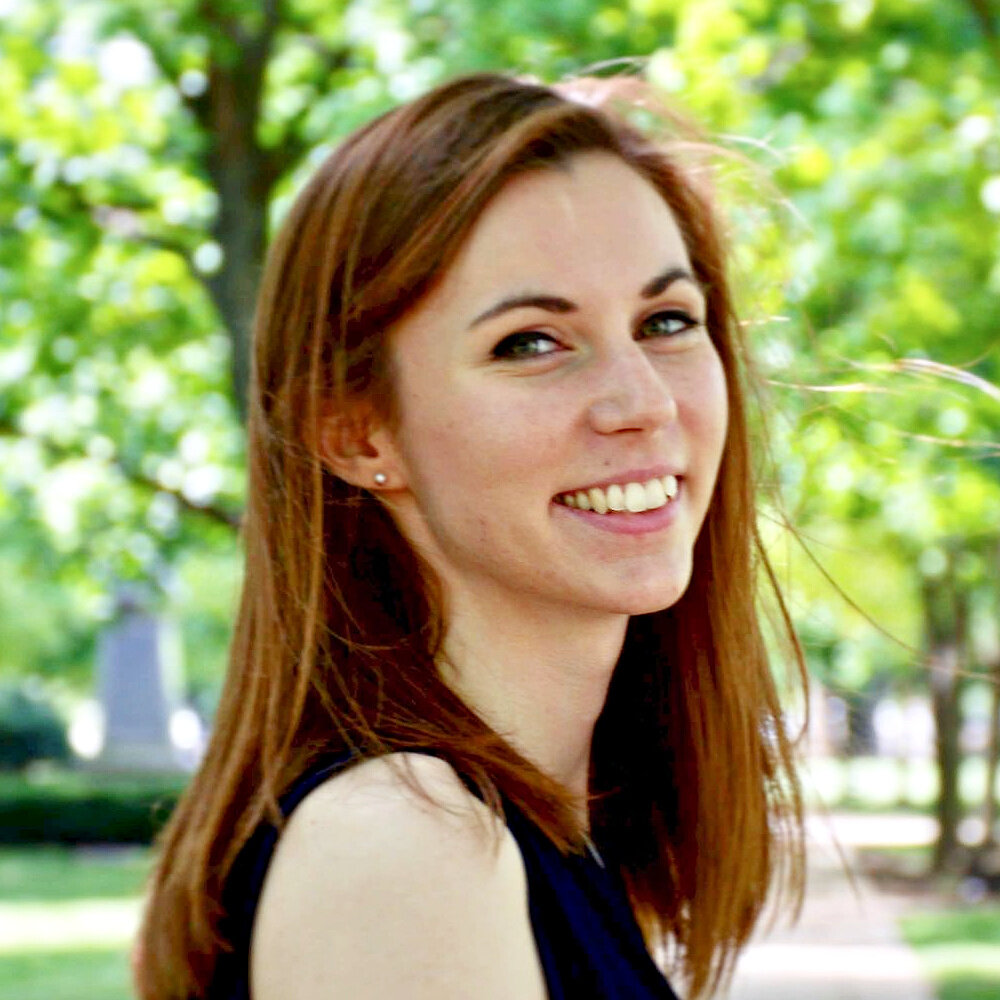
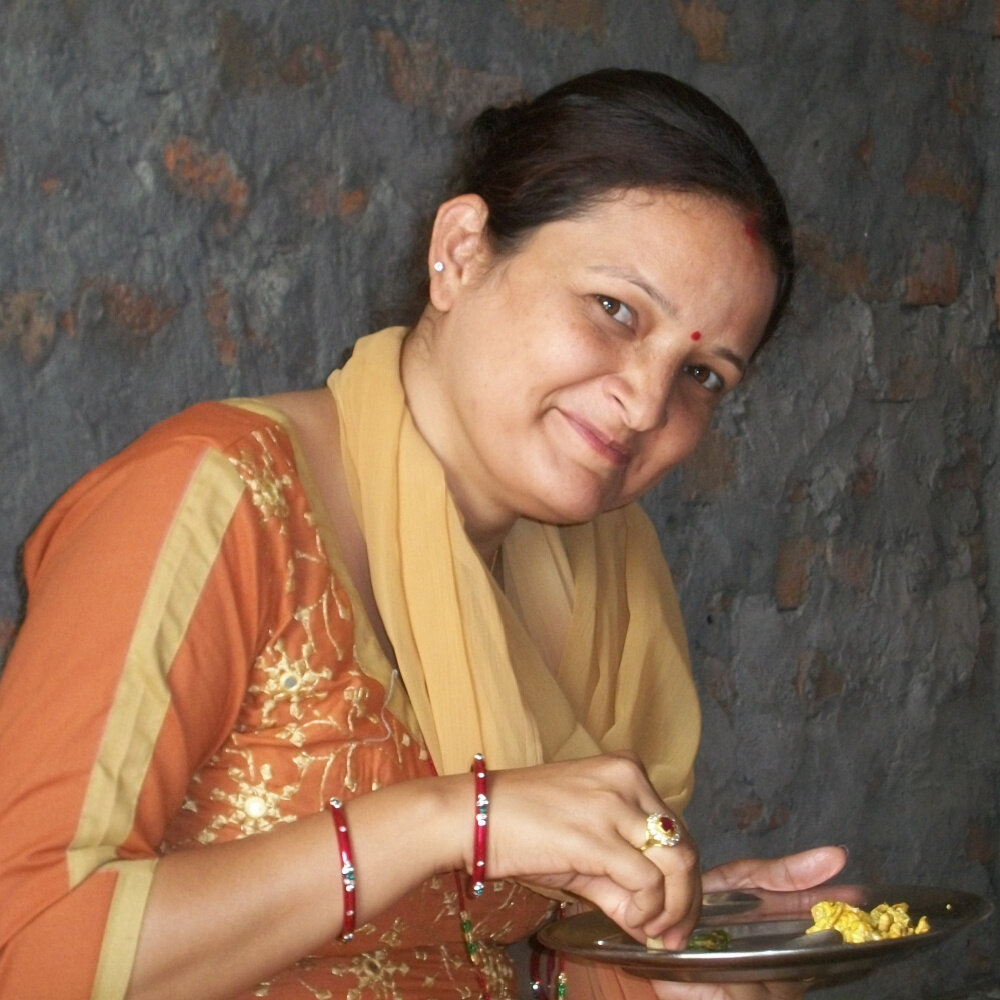
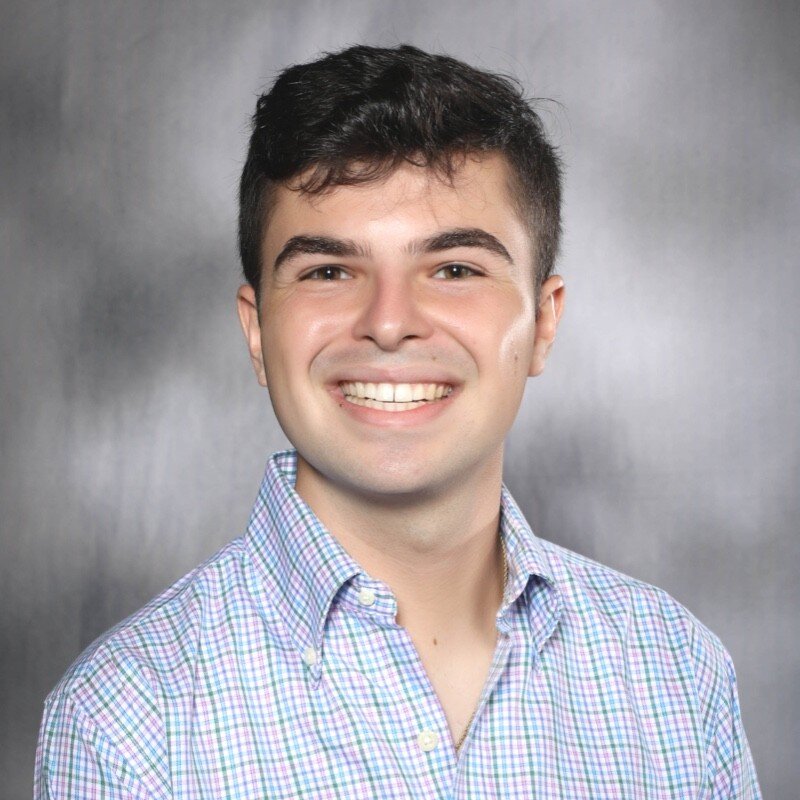
We received about 30 applications this year and have selected 9 students from 7 respected academic programs. Scroll down on this page to see their profiles. Between them, they have plenty of relevant experience: Kyle (Texas A and M University) has worked at schools in Sierra Leone and Honduras. This will stand him in good stead in Uganda, where he will install toilets at a primary school. Therese will draw on her work as a former Peace Corps volunteer during her deployment to Nepal. As in past years the team is nicely diverse: no fewer than three Fellows - Dawa, Srijana and Prabal - were born in Nepal.
Supporting Partners and Start-ups
Our new Peace Fellows will support a wide range of projects that have evolved over the past three years, often in response to COVID-19.
To put this into context, the pandemic has fallen most heavily on vulnerable and marginalized communities – the very people we work for at The Advocacy Project. As a result, 2020 was a year of desperation for our partners. Their stakeholders were locked down, isolated, and prevented from working. Vaccines were a long way off.
Aware of the need, we transferred $28,159 to eight start-ups in Nepal, Palestine, Mali, Uganda, and Kenya in 2020. Our goal was to help these partners respond to the pandemic but also to lay the foundation for sustained future action. This worked out so well that we scaled up in 2021 and provided $62,780 to the 27 projects described on this page. We are currently supporting these 18 projects and have transferred $18,892 so far this year.
This has changed the way we do business. When the pandemic erupted, we suddenly found ourselves having to track scores of small transfers to Africa and Asia without having direct access to partners. In normal times, Peace Fellows would have done the job, but these times have been anything but normal!
The methodology that emerged has served us well and will be used by our team this summer. Projects now move through a pipeline. They begin as start-ups that last up to a year and (very often) bring women together to tell their story through embroidery. If they achieve their goals, we will help them to take on social challenges (like a vaccination campaign) or start a small business. If this second phase works well we help the partner seek long-term funding for up to 5 years.
This approach is reinforced by remote monitoring. Since March 2020 we have met remotely with most partners every two weeks and helped them to check their expenditure, keep receipts and update an “output tracker” on Google Drive. This has strengthened their organizations without imposing "capacity-building." As we have noted in previous reports, Peace Fellows have made a critical contribution to this system of project management. They will do so again this summer.
The 2022 Work Plan
Our 2022 Fellows will support projects in five countries: Bangladesh, Nepal, Zimbabwe, Kenya, and Uganda.
In Nepal, Therese and Prabal will visit Bardiya District in the Midwest to work with Kushma, Alina and Kancham, three talented fiber artists who have developed a unique stitching style during earlier projects supported by AP. All three lost fathers to the disappearances and we hope to sell their embroidery through a new online shop. Therese will bring back samples to the US.
Therese and Prabal will then accompany the three artists to Dang District where they will provide embroidery training to 20 Tharu women who scrape together a living from dishwashing. We launched an appeal for the dishwashers in early 2020 and raised $1,060, but the project was put on hold because of the pandemic. Prabal and Therese will receive support from another Fellow, Srijana, back here in the US.
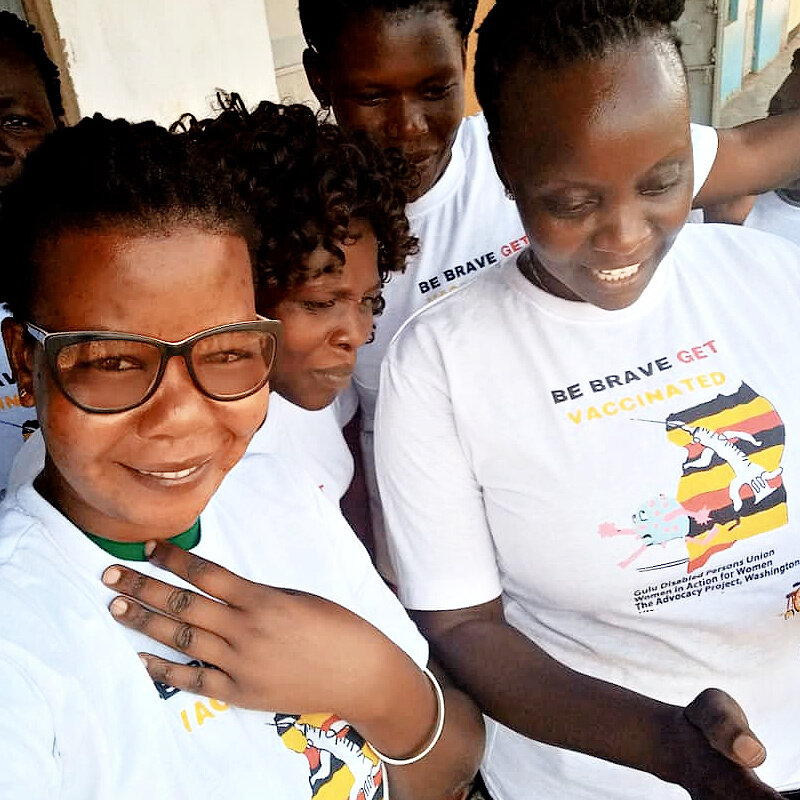
Our work in Uganda this summer will be led by Kyle at the Gulu Disabled Persons Union (GDPU). Kyle will help Emma, the indefatigable program manager at GDPU, to raise morale and improve hygiene at a large primary school in Gulu District, to be identified shortly. They will start by installing accessible toilets and handwashing at the school and then commission enough face-masks and soap to carry the school through to the end of 2022. The masks and soap will be produced by two social entrepreneurs with a disability who launched start-ups with our help during the pandemic: Mama Cave and Freeman. Funding has been generously provided by the Prince of Peace Lutheran Church in Dublin, Ohio.
Kyle will also check up on two other start-ups in Gulu supported by AP. The first, managed by HIVE Uganda, trains persons with visual impairment to make and sell honey. The second was launched last year by Women in Action for Women (WAW), an association of incredibly brave women who were forced into sexual slavery by rebels from the Lord’s Resistance Army. They have described their ordeal through powerful embroidered stories and we hope to sell their embroidery through an online store this Fall.
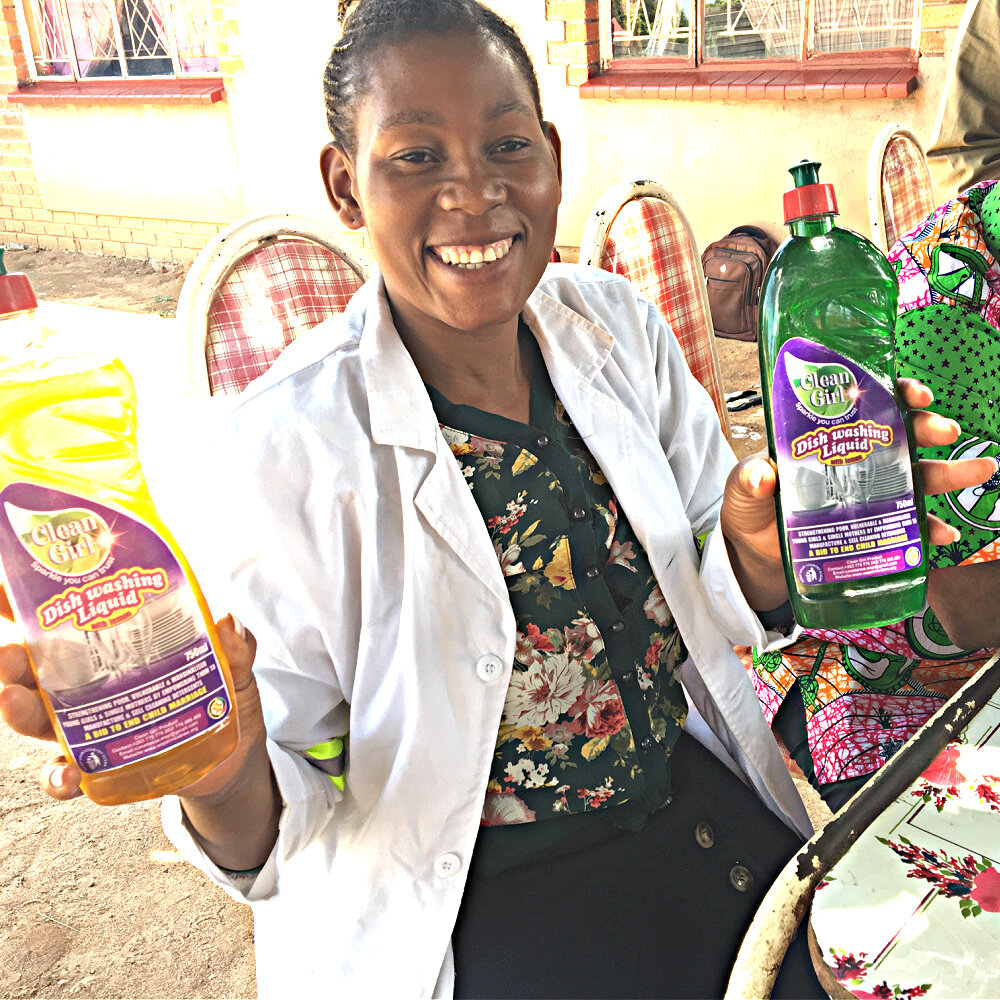
In Zimbabwe, Dawa (Texas A&M) will work at Women Advocacy Project (WAP) with 80 girls from inner-city neighborhoods who are making and selling soap. The girls sold 16,000 bottles last year – an amazing achievement during the pandemic. But their funding runs out at the end of this year and we hope that Dawa can help WAP cut costs and expand sales. We also hope to launch a modest education fund to help the girls complete secondary school and have asked Dawa to identify beneficiaries.
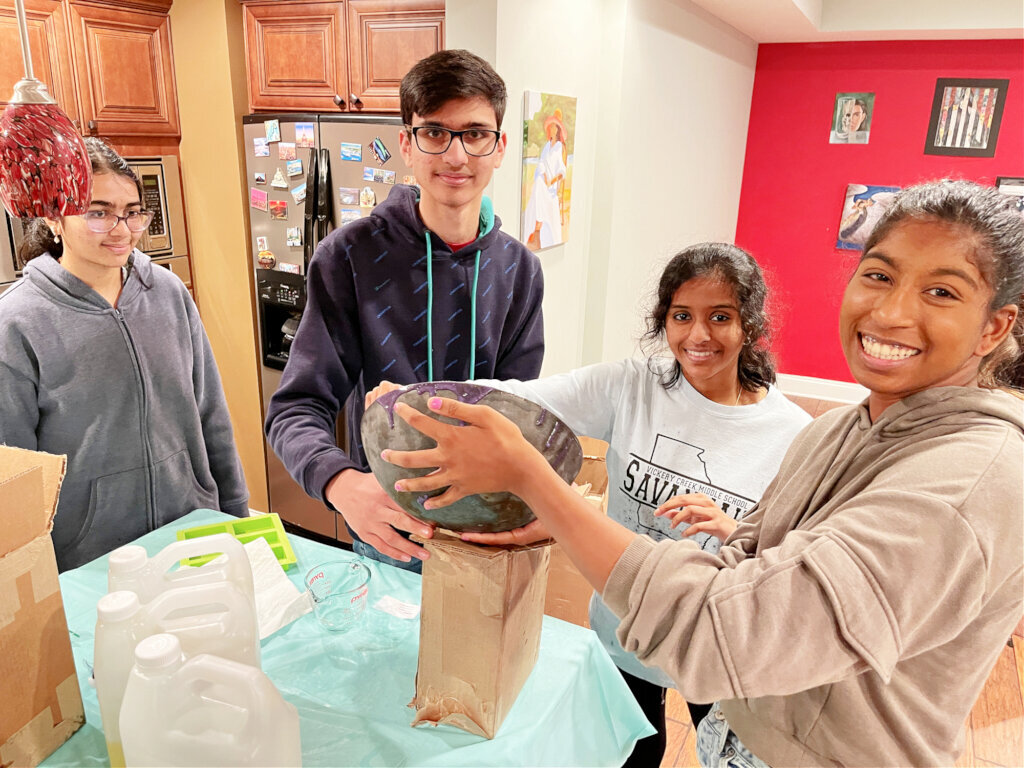
Dawa will be supported by Aimee (UCLA California). Dawa and Aimee may also be joined by students from the Wakefield High School in Virginia who have been making soap in solidarity with the WAP girls.
Julia (George Washington University) will be the fifth Fellow to work in Kenya with our partner Children Peace Initiative Kenya (CPIK) since 2015. CPIK organizes peace camps for children from tribes that have been fighting over cattle and pasture-land. This builds trust and opens the way to economic cooperation and the joint management of natural resources. Julia will be supported from the US by Daniel (University of Pennsylvania). We will ask Daniel to explore the possibility of nominating CPIK for the Nobel Peace Prize and reach out to the World Bank and Alliance for Peacebuilding on behalf of CPIK.
Peace Fellow Evan (University of Maryland) will provide remote back-up for the Subornogram Foundation, which works with River Gypsies on the island of Mayadip in Bangladesh. Our partnership with the foundation dates back to 2013 and we funded several new initiatives in 2021 that included this innovative fishing and feeding program. Evan will work remotely from the US and join Delaney, our program manager, and Shahed from Subornogram for weekly meetings on Zoom.
As well as supporting these projects, Fellows may also work on several cross-cutting initiatives. AP has supported five vaccination campaigns by partners and Subornogram remains concerned that the River Gypsies of Mayadip are still missing out. Evan will help with the next phase.
We will also offer new opportunities to women and girls who have used embroidery to tell their stories during the pandemic. Many have become skilled fiber artists and - as noted above - we are developing an online shop where we can sell their embroidery. Bobbi, our quilt coordinator, and Delaney (project manager) will visit Africa in July and offer advanced embroidery training. Our African Peace Fellows will be part of the action.
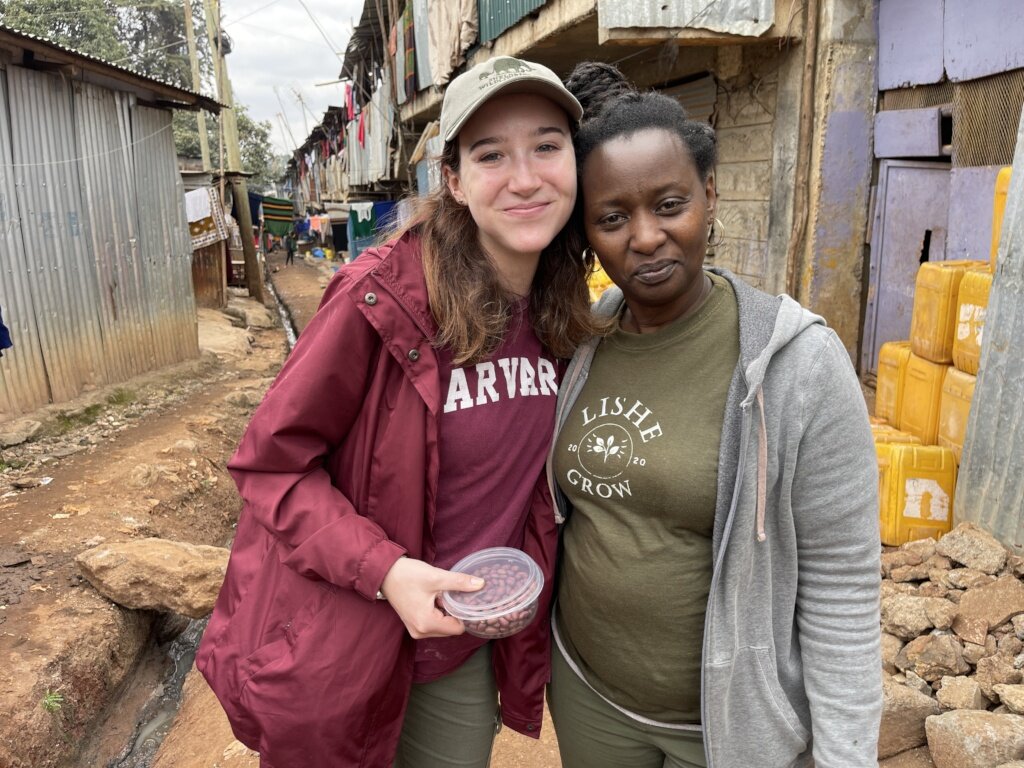
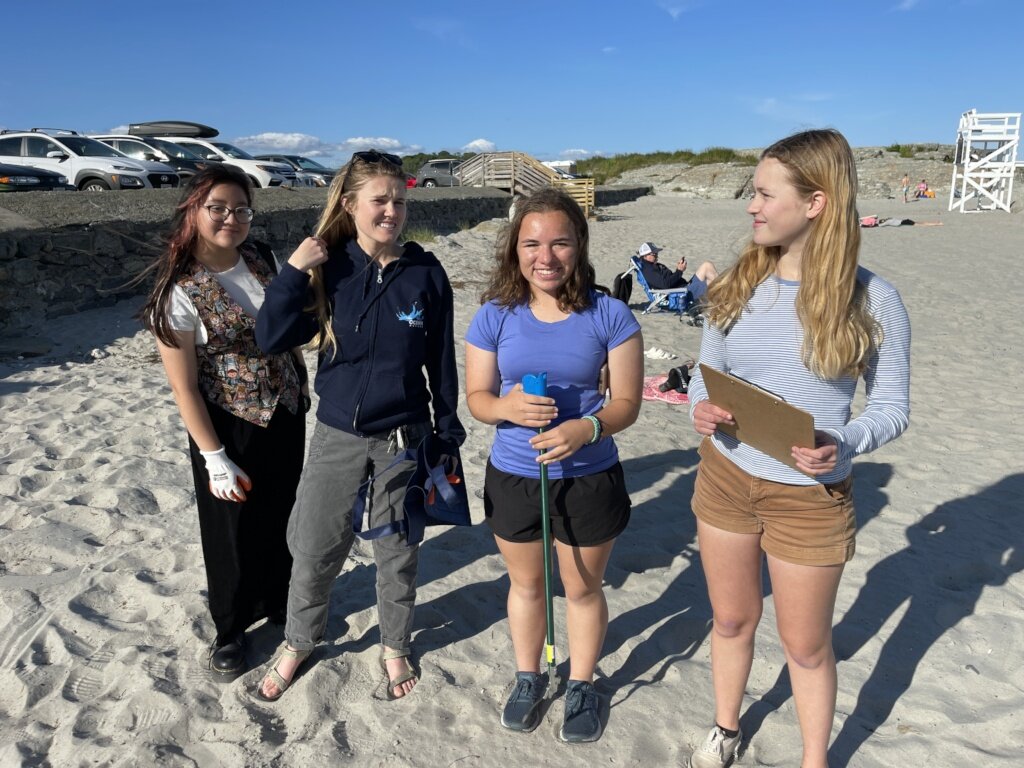
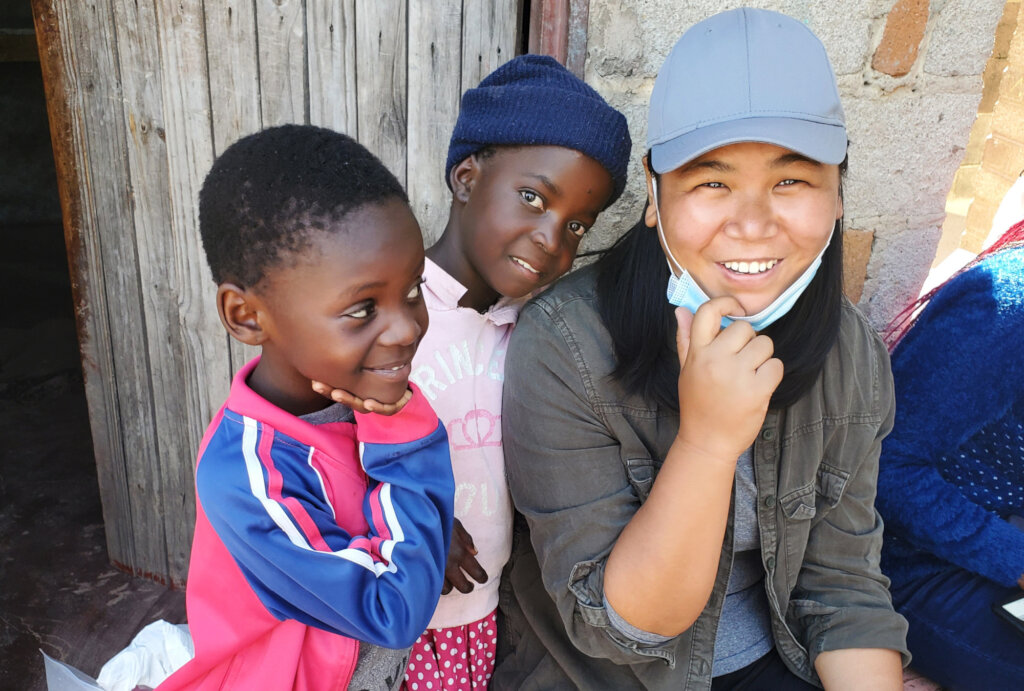
We show photos of the four field Fellows and their hosts at the end of this email.
Looking Ahead
Looking ahead to the summer, our expectations differ slightly from previous years. In the past we measured a fellowship by the impact on the individual Fellow. While we still want Fellows to enjoy a fantastic experience, our focus this year will be on projects. We also want Fellows to see themselves as part of a seamless, year-long program of support that we offer to their hosts. We feel that this shift of emphasis will result in greater productivity and put less pressure on Fellows.
There will, however, be no compromise on security. We will keep in touch daily with Fellows in the field and require them to observe good practice and defer to their hosts at all times. This may be as simple as asking Kyle to wear a helmet when he is taking a boda boda, the notorious Ugandan taxi.
Finally, all this costs money, which is why your help is so important. We provide a $1,000 stipend, medical insurance, and a transport subsidy to each Fellow in the field. Those who work remotely will receive $150 a month. We also help Fellows to make up the difference through their schools or outside funding, and are deeply grateful to the Jessica Jennifer Cohen Foundation for supporting Dawa in Zimbabwe and Julia in Kenya.
All Fellows will be posting regular blogs here. We hope you will check in regularly and leave comments.
We look forward to reporting back in the Fall and thank you again for your generous support!
The AP 2022 team
Project reports on GlobalGiving are posted directly to globalgiving.org by Project Leaders as they are completed, generally every 3-4 months. To protect the integrity of these documents, GlobalGiving does not alter them; therefore you may find some language or formatting issues.
If you donate to this project or have donated to this project, you can receive an email when this project posts a report. You can also subscribe for reports without donating.



Support this important cause by creating a personalized fundraising page.
Start a Fundraiser