By Nicola Floyd | CEO WaterHarvest
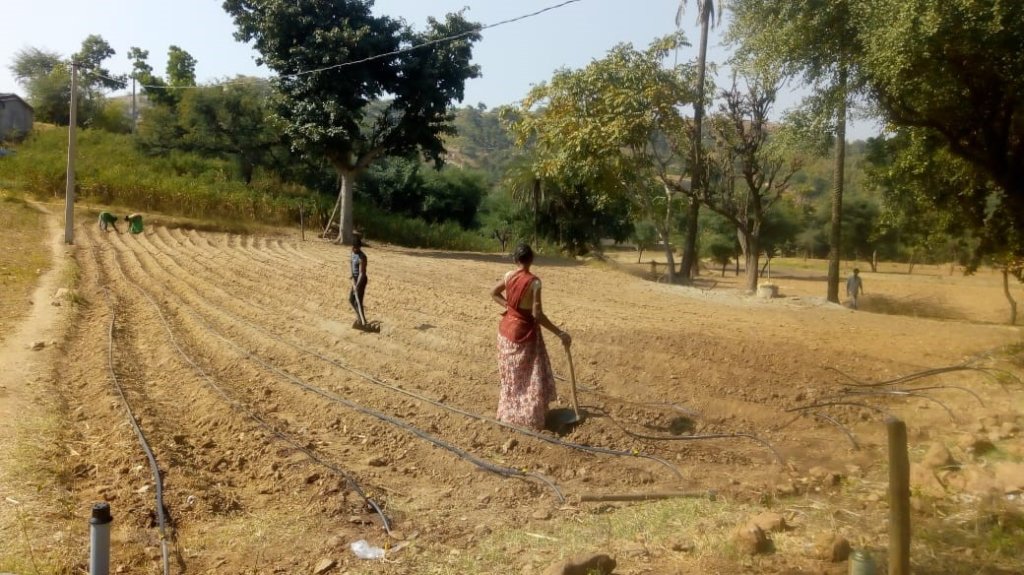
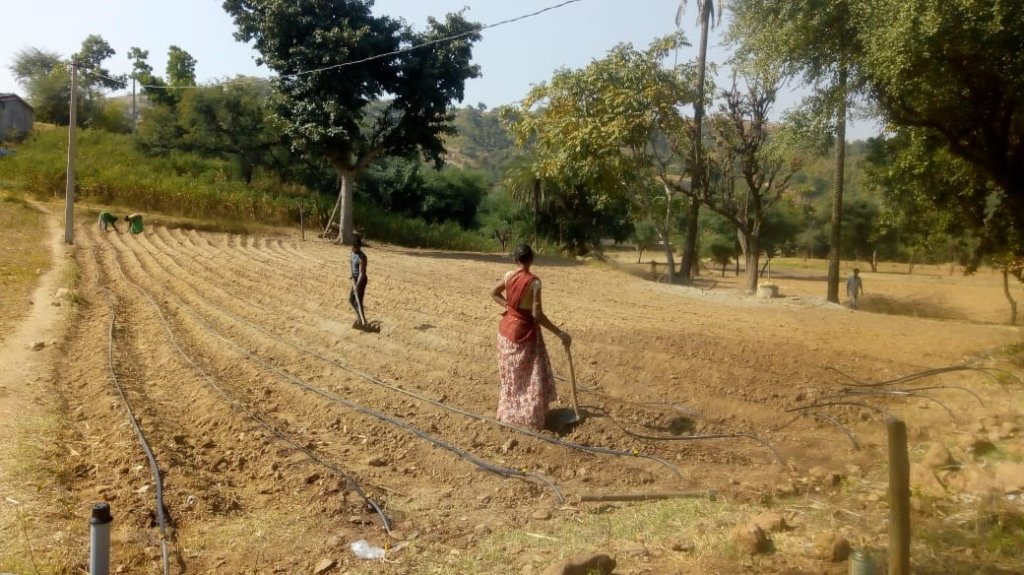
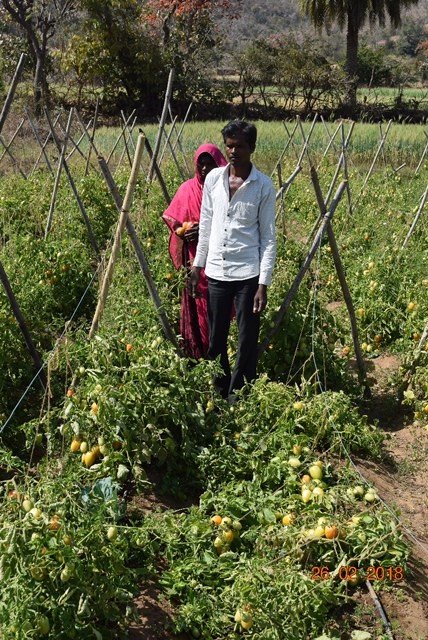
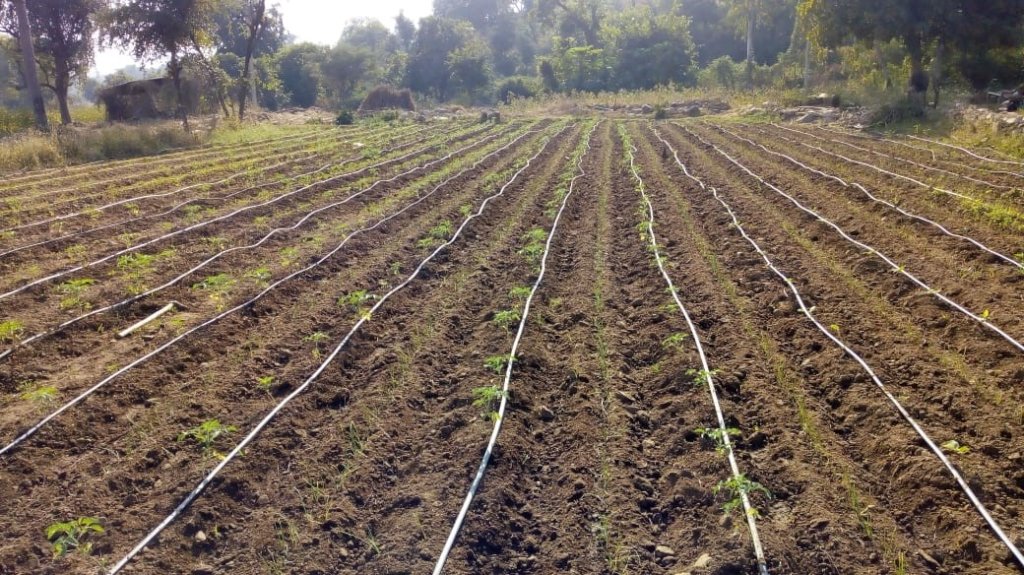
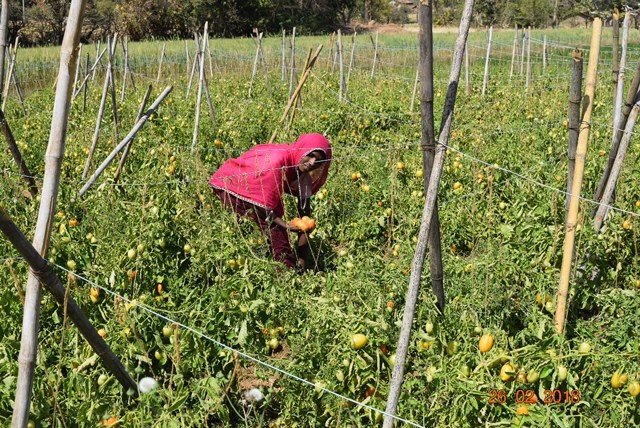
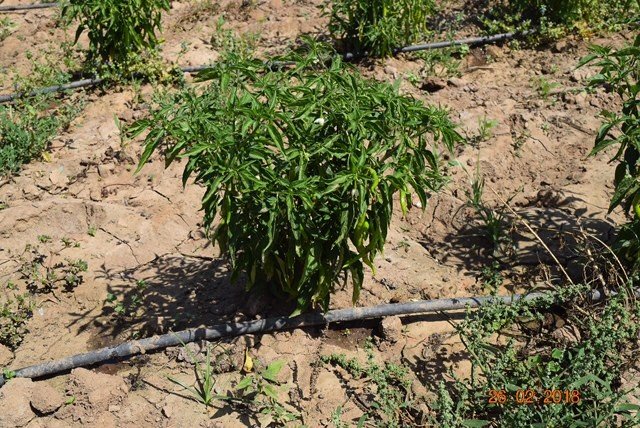
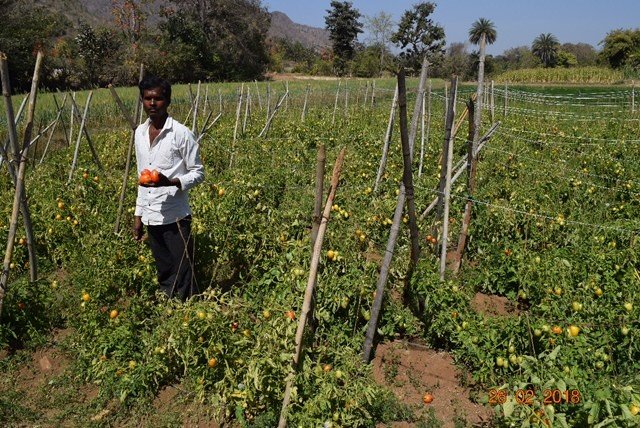
This project aims to maximise agricultural water use efficiency to improve the economic status of poor marginal farmers. Through this project, we will be providing drip irrigation to 18 farmers. The farmers will be loaned the funds to buy the drip irrigation system but are expected to pay back these funds on an agreed repayment schedule. The drip irrigation system should lead to higher agricultural incomes enabling the farmer to pay back the loan. The funds are then lent onto another farmer for their purchase of an irrigation system.
Currently, the farmers that we work with do not have sufficient water for their crops. They typically irrigate their land using flood irrigation which is inefficient and leads to weeds between the crops. India's water demand is outstripping supply. 15% of the aquifers are in a critical condition. This is set to rise to 60% by 2030. Rajasthan is India's largest and more water scarce state with a population of 74 million. 75% of the population live in villages reliant on rainfed agriculture and livestock. The remote project villages that we work with are dependent on the increasingly unreliabe south west monsoon. Average rainfall is 650mm but the area is prone to drought. Government water pipeline schemes do not reach the area. Extensive deforestation 60 years ago resulted in severe landscape degradation. 85% of rainfall is lost through run-off.
This project follows on from a pilot project we did in the same area. Over the last quarter, extensive work has been done on the repayment schedules, how to secure high repayment rates, the selection process of the farmers to be in the programme and also research has been done on how to strengthen the networks that the farmers use to sell their products. Several surveys have been done on the farmers in the pilot project and this data has been analysed and the results have been incorporated into this project. Work is being done on the training that the farmers will receive. This includes basic farming techniques, crop selection, organic farming and also how best to sell produce to maximise the result. Work is also being done on the data capture side in order to improve the monitoring and evaluation. This will be done on a mobile app and this is currently being built.
Project reports on GlobalGiving are posted directly to globalgiving.org by Project Leaders as they are completed, generally every 3-4 months. To protect the integrity of these documents, GlobalGiving does not alter them; therefore you may find some language or formatting issues.
If you donate to this project or have donated to this project, you can receive an email when this project posts a report. You can also subscribe for reports without donating.