By Zacary Smucker-Bryan | Investor Relations and Communications Manager
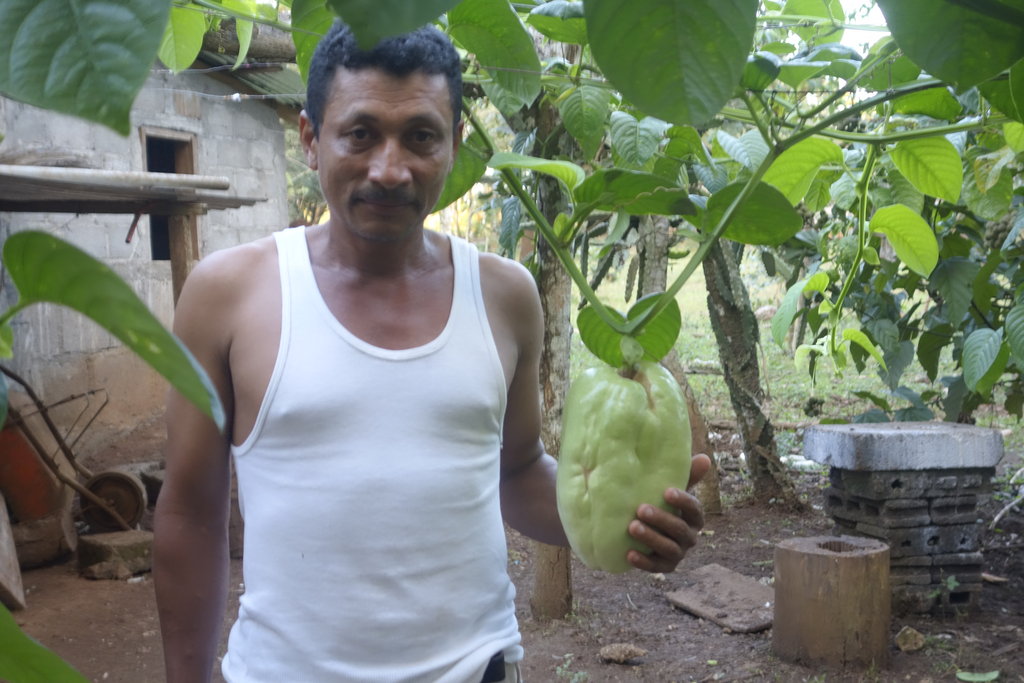
Meet Ines
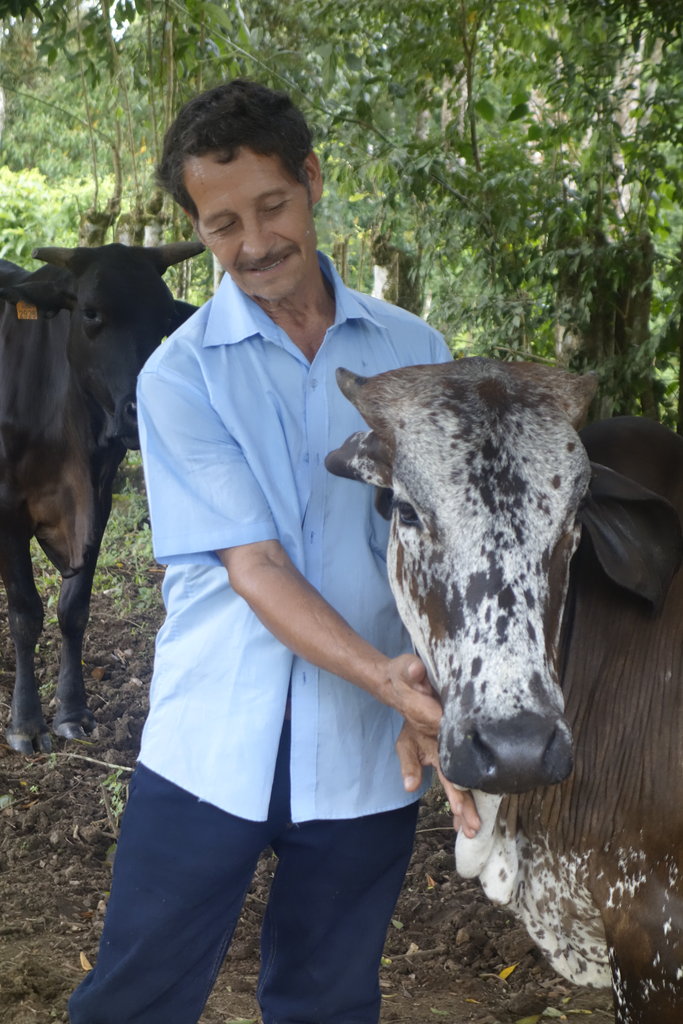
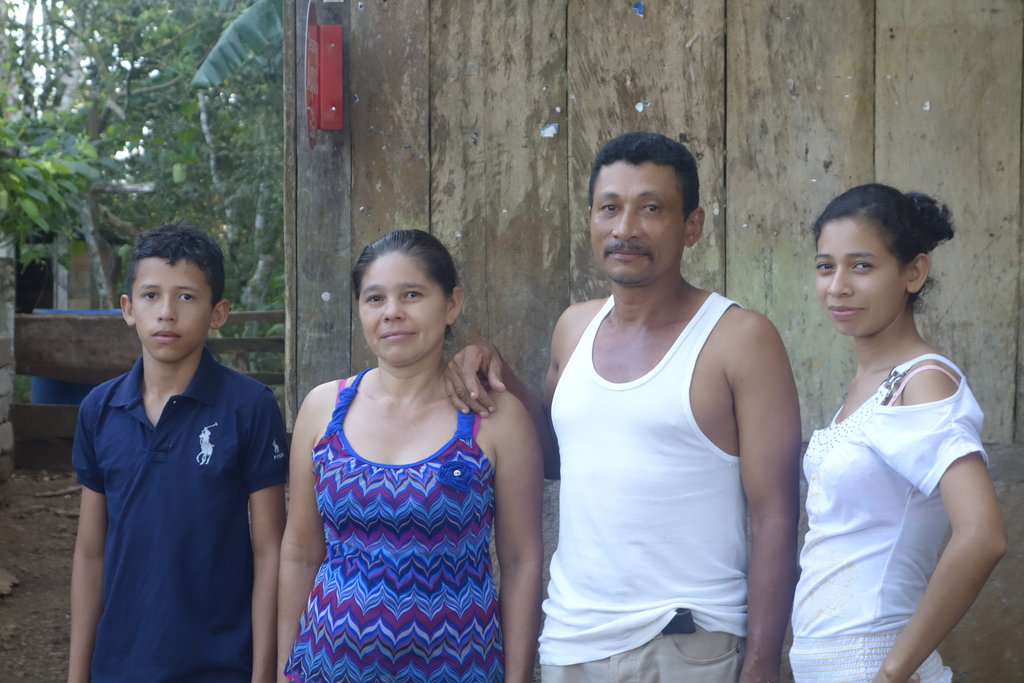
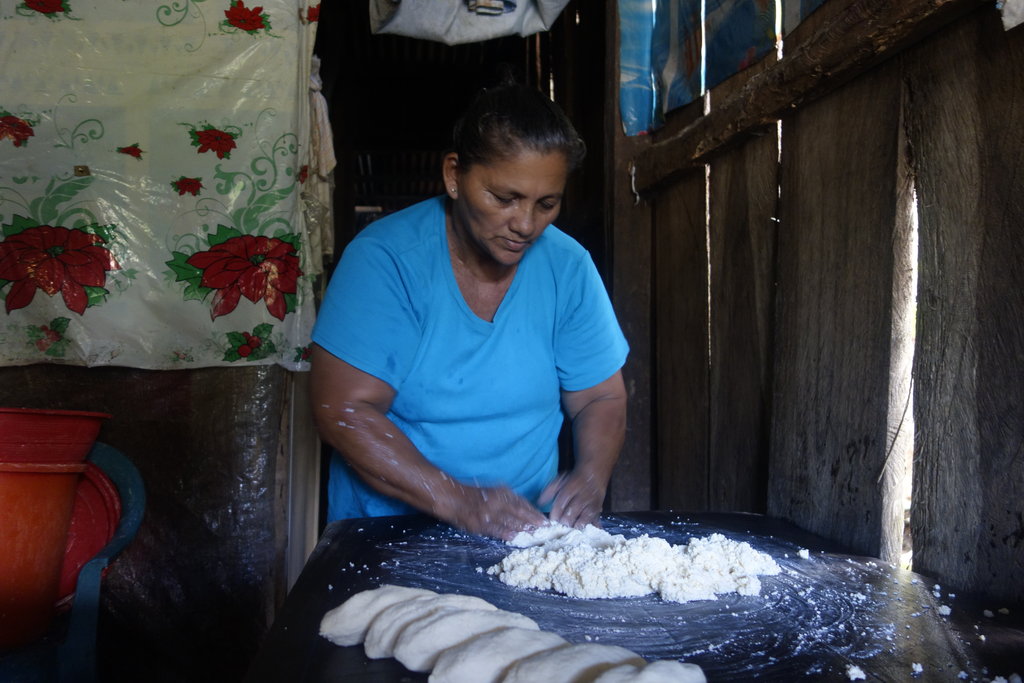
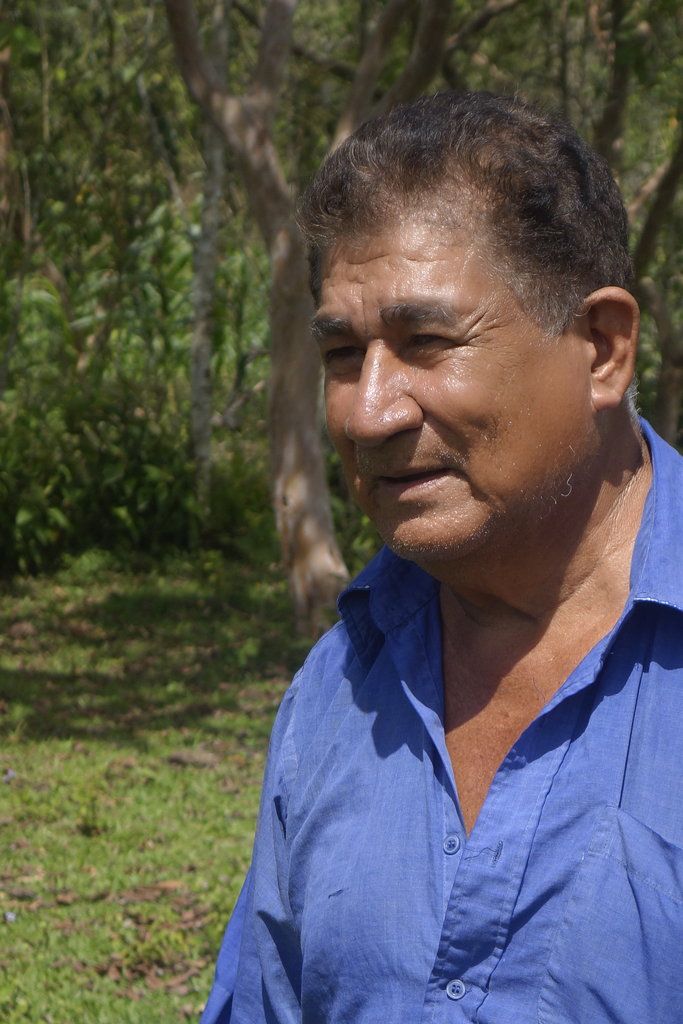
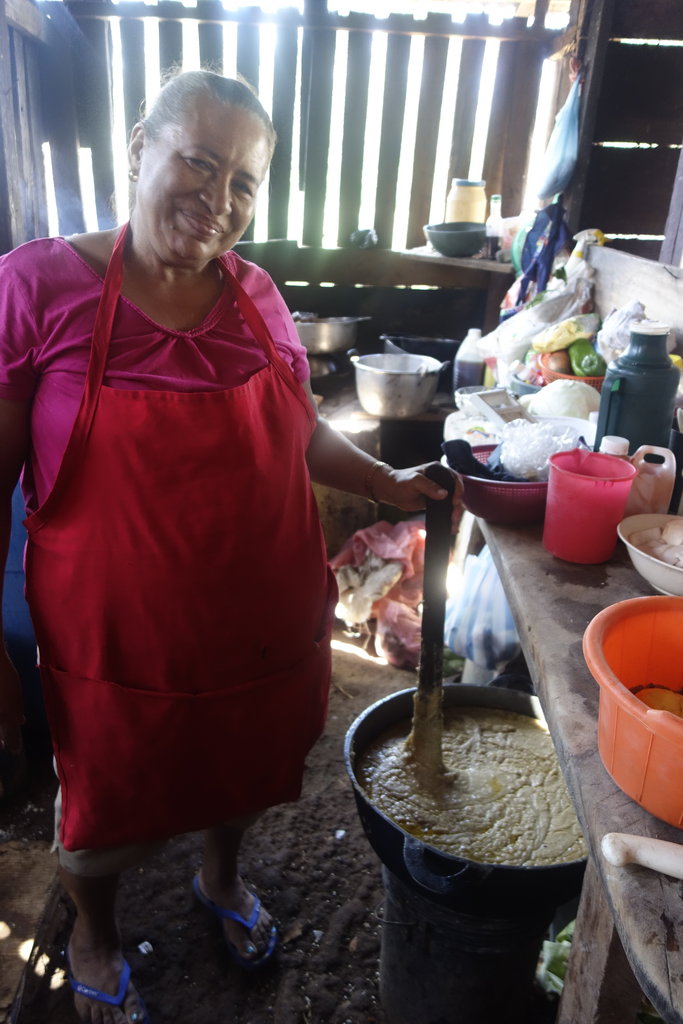
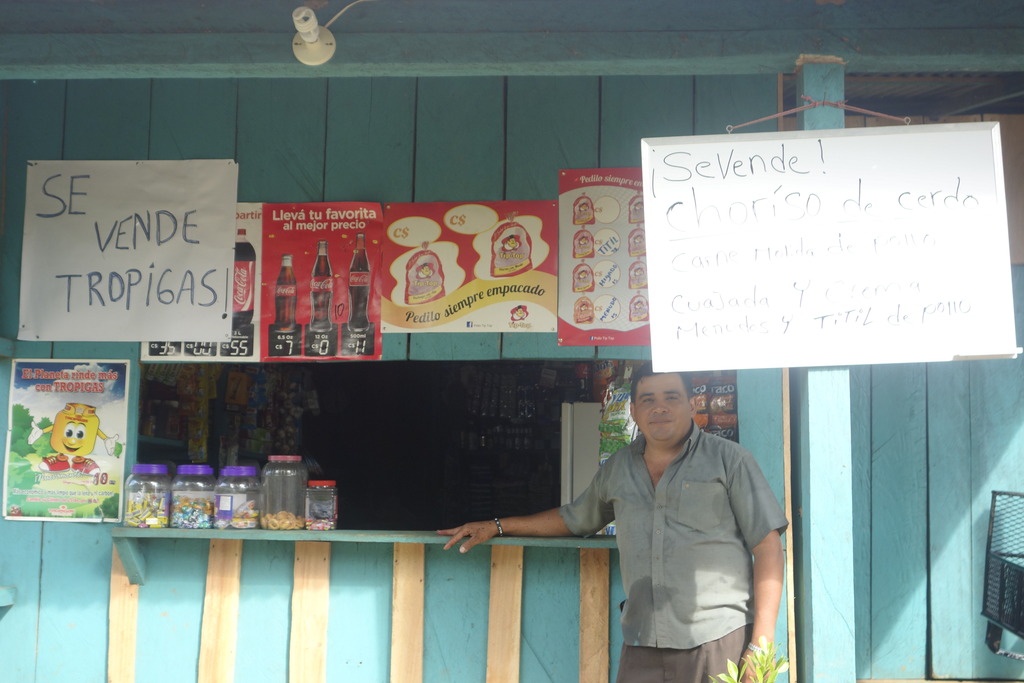
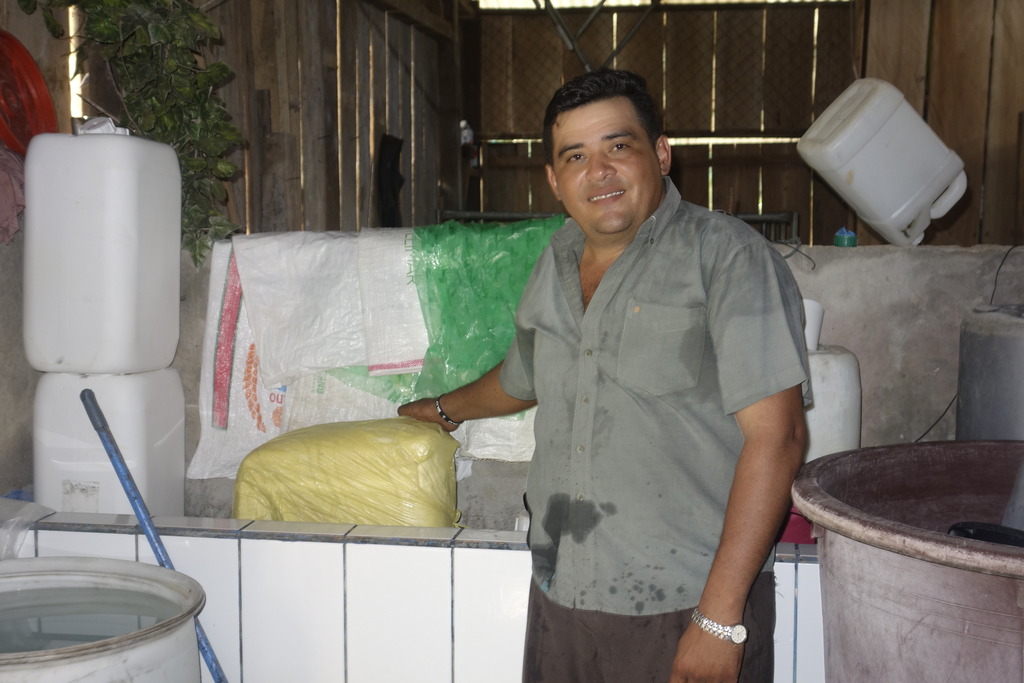
Ines has a small pulperia in front of his house where he sells snacks and other items to the local community as well as a farming operation growing yucca. In addition, he makes cheese to sell out of milk provided by local farmers. He would like to use future loans from COOPEFACSA to start a cattle farm and construct a stable for his animals. As a COOPEFACSA member, the co-op helps provide savings and business education to Ines so that he is less subject to financial shocks.
They Are Who They Serve
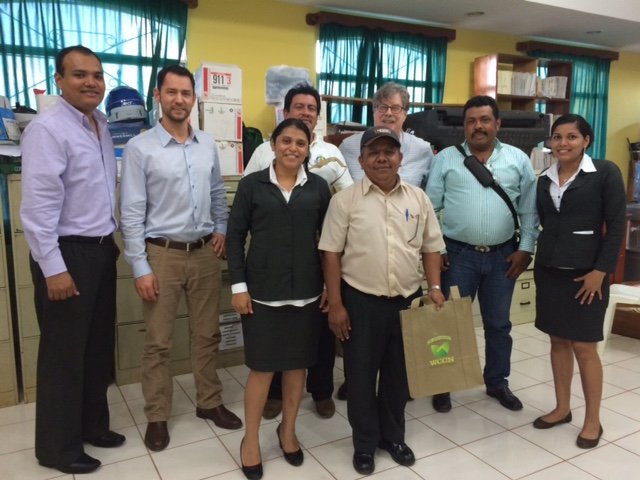
COOPEFACSA is cooperatively governed and managed, meaning its members drive EVERYTHING about how they operate. Nearly every employee utilizes the organization's financial services offerings, leading to an extremely thorough understanding of the products and services most appropriate to their members.
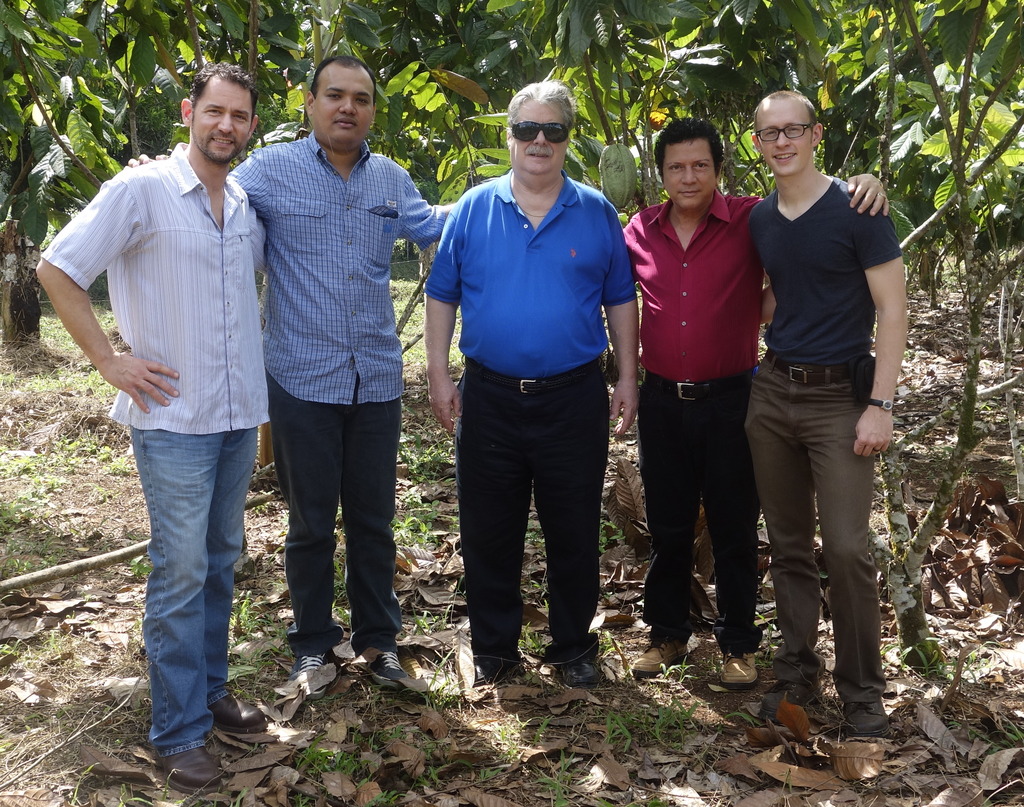
As part of our pre and post investment due diligence, WCCN staff recently completed a pilot Progress Out of Poverty Index survey as a baseline for understanding the level of poverty of COOPEFACSA members and how satisfied those members are with the set of services the co-op provides.
Regarding the level of poverty, our survey determined these borrowers are, in general, not best described as “extremely poor” but rather that an estimated 61% of these borrowers fall within the Base of Pyramid (BoP), according to the International Finance Corporation. This means that they have enough of a baseline of income mobility (largely due to the microfinance services of COOPEFACSA) to work toward better life for their families and their communities.
COOPEFACSA’s members were overwhelmingly satisfied with the multitude of services they received, all responding emphatically that their quality of life has improved since becoming involved. However, based on the survey, areas for improvement include expanding its successful remittance program and beginning other money transfer programs so they continue to better serve people in the most remote places of Nicaragua.
Supporting Cacao Production: Increasing Incomes and Reducing Risk
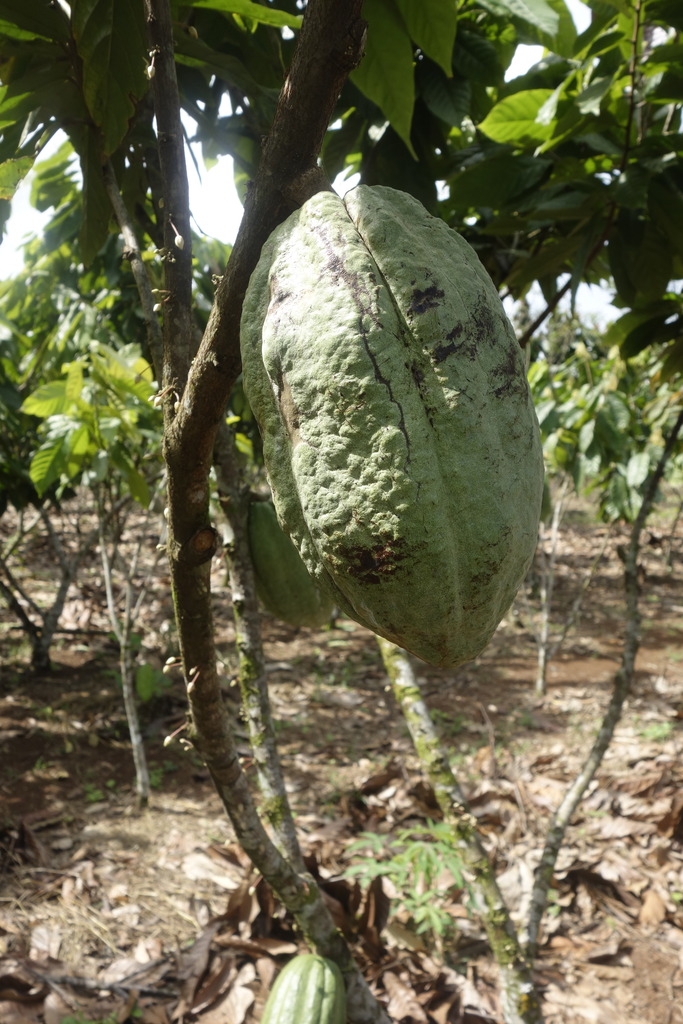
One way COOPEFACSA supports its members is by combining credit, technical assistance and market access in order to help producers begin cultivating cacao, which requires significant investment in plants and materials. In addition, trees only begin producing after two to three years, which is why they offer up to a three-year grace period for loan repayments for cacao. However, once farmers begin harvesting cacao, they report significantly higher income than from many other agricultural uses of their land.
COOPEFACSA also works with INGEMANN, an agriculture technical assistance provider, to offer interested COOPEFACSA members a certification course in growing cacao. INGEMANN technicians also visit each member every week to provide onsite technical assistance while farmers cultivate their first plot of trees. This ensures that the crops remain healthy so that COOPEFACSA members can successfully pay back their loans and build income. In addition, INGEMANN also guarantees to buy 100% of the farmer-produced cacao at a minimum price, in the event that COOPEFACSA members are not able to get a higher price on the international market. This helps mitigate some of the risk that individual farmers have in transitioning to this high value crop.
Thanks for your continued support in providing opportunities to the working poor of Nicaragua. Until next time, and in service,
- Zac
Links:
Project reports on GlobalGiving are posted directly to globalgiving.org by Project Leaders as they are completed, generally every 3-4 months. To protect the integrity of these documents, GlobalGiving does not alter them; therefore you may find some language or formatting issues.
If you donate to this project or have donated to this project, you can receive an email when this project posts a report. You can also subscribe for reports without donating.