By Tripti Pal | Project Leader
India, with 29 states and seven union territories, has a combined population of a little more than one billion and represents about one-sixth of the world's population. India has more blind people than any other country in the world. Of the 45 million blind people worldwide, Indian citizens number 12 million, 1 million of whom are children. India carries a significant proportion of the world's blindness and visual impairment, with nearly 6.7 million blind people.
Considering the fact that almost 70 percent of blindness is curable, these numbers speak volumes for the poor infrastructure and facilities available in the eye care sector in the county, leading to a very large un-served population. The loss of productivity, as a result, is huge for India – the cost of blindness in the county equals US$ 3 billion annually. The situation in North India in general and Uttar Pradesh in particular is even more dismal. The state has a 1.15 percent prevalence of blindness. A closer look at the causes for this high rate of blindness - cataract (73 percent); refractive errors (9 percent); glaucoma (8 percent); corneal opacity (1 percent); surgical complications (2 percent); others (8 percent) – clearly indicates that with adequate eye care facilities and infrastructure this blindness is preventable and curable and will add considerable amount of GDP to the country, by restoring vision of preventable blindness of the country.
Sakir’s story
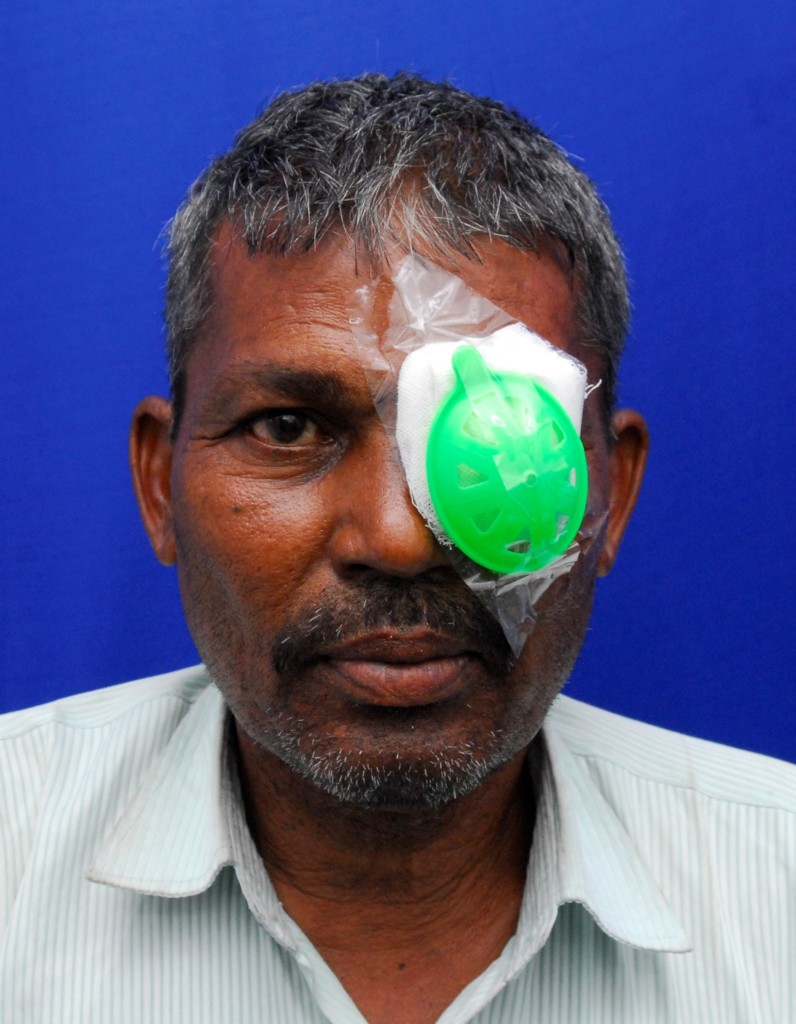
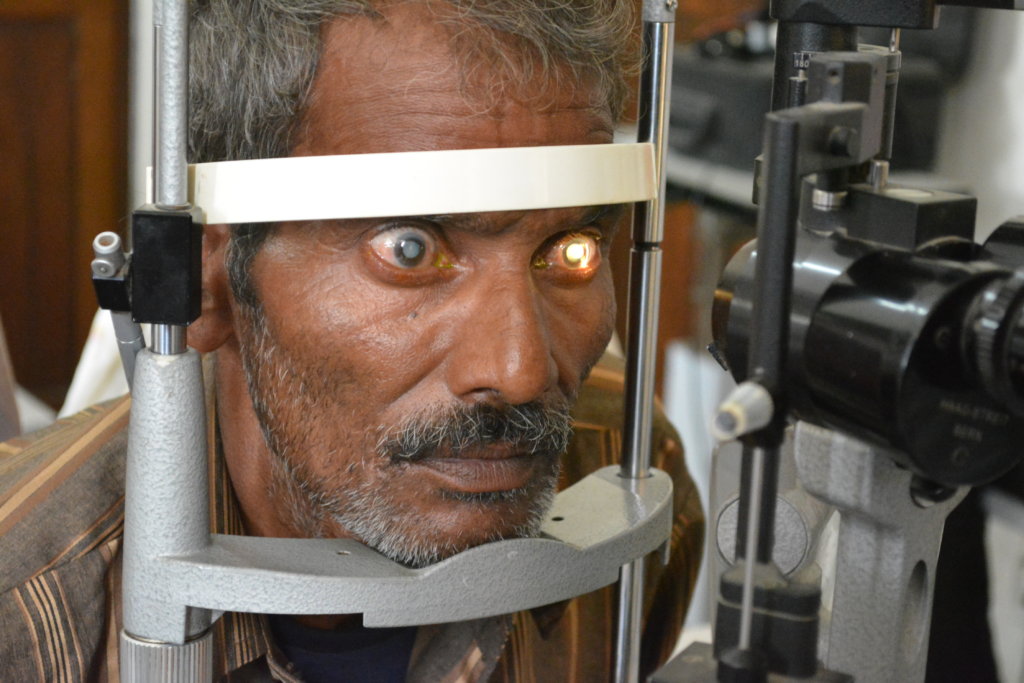
Mohd. Sakir and his family lives in village Akhbarpur, Bijnore, Uttar Pradesh .He has a joint family with brothers staying together and working as farmers. The source of income only comes from irrigation. Sakir was complaining of low vision and went to the mukhiya’s house for help. The mukhiya guided him to visit ICARE organized eye camp which happens weekly in their village. Sakir went to the eye camp where the doctor diagnosed him and found him suffering through cataract which needed urgent attention. Sakir told the counsellor, to which the counsellor told him that the surgery would be done free of cost and need not to pay anything.He was brought to the base hospital in ICARE’s ambulance for the further treatment. After a comprehensive eye checkup, a surgery was performed on his left eye to remove the cataract with Intraocular lens implant successfully. Sakir rejoined his work after the surgery and now is a happy person.
Project reports on GlobalGiving are posted directly to globalgiving.org by Project Leaders as they are completed, generally every 3-4 months. To protect the integrity of these documents, GlobalGiving does not alter them; therefore you may find some language or formatting issues.
If you donate to this project or have donated to this project, you can receive an email when this project posts a report. You can also subscribe for reports without donating.