By Michael Hollifield | President & CEO
War leaves marks that are not always visible. For many people who have lived through it, the hardest moments come not during the day, but after, in the stillness of the night, when the mind goes back to what the body survived.
Dreams become replays. The mind returns to the moment of the blast, the face of someone lost, the sound of shelling. People wake up exhausted, on edge, unable to separate what happened from what is happening now. This is not weakness. It is what trauma does to the brain - and it affects adults and children alike, across every country where war has touched people's lives.
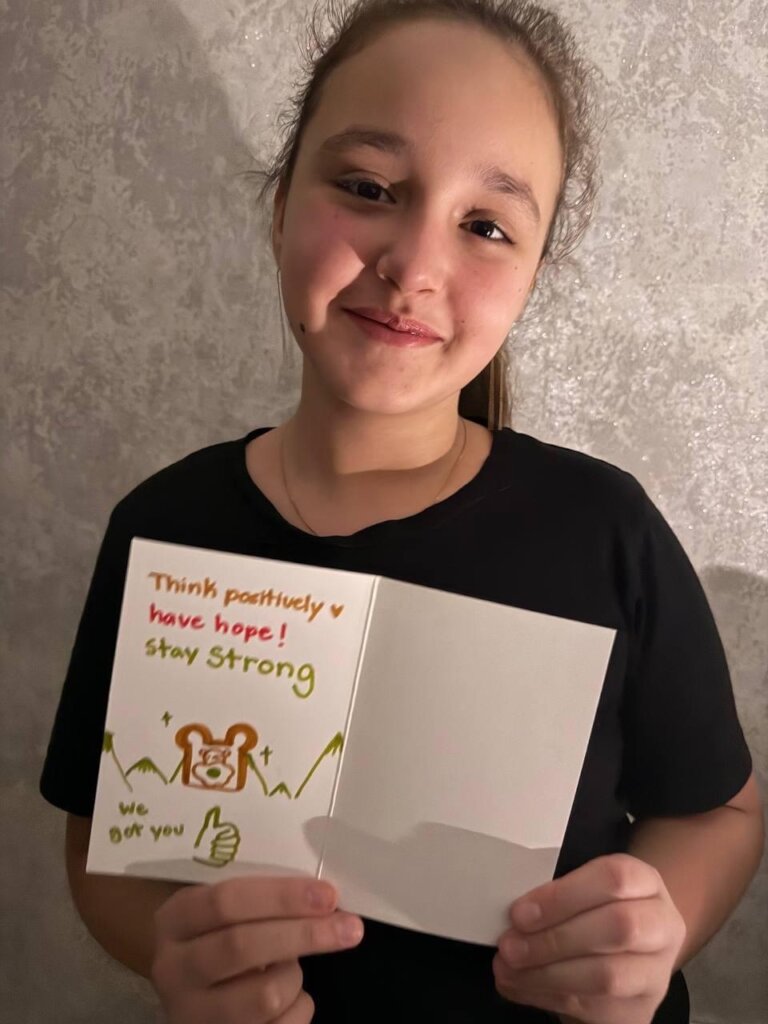
In Ukraine, the war does not pause. Air raid sirens interrupt school. Nights are spent in shelters. Mornings begin with checking whether everyone is safe. For millions of children, this is not a crisis they are recovering from, it is the reality they are living in right now. But the same is true for a refugee resettled in a new country who cannot sleep in a quiet apartment because the quiet itself feels wrong. Or a mother in the Middle East whose children still flinch at loud sounds years after the bombing stopped.
The geography changes. The experience does not.
Our colleagues who work directly with survivors hear this again and again.
"I wake up and I'm back there."
"I haven't slept through the night in months."
"My child screams in their sleep and I don't know how to help them."
These are not rare cases. They are among the most common things people share when they finally feel safe enough to talk.
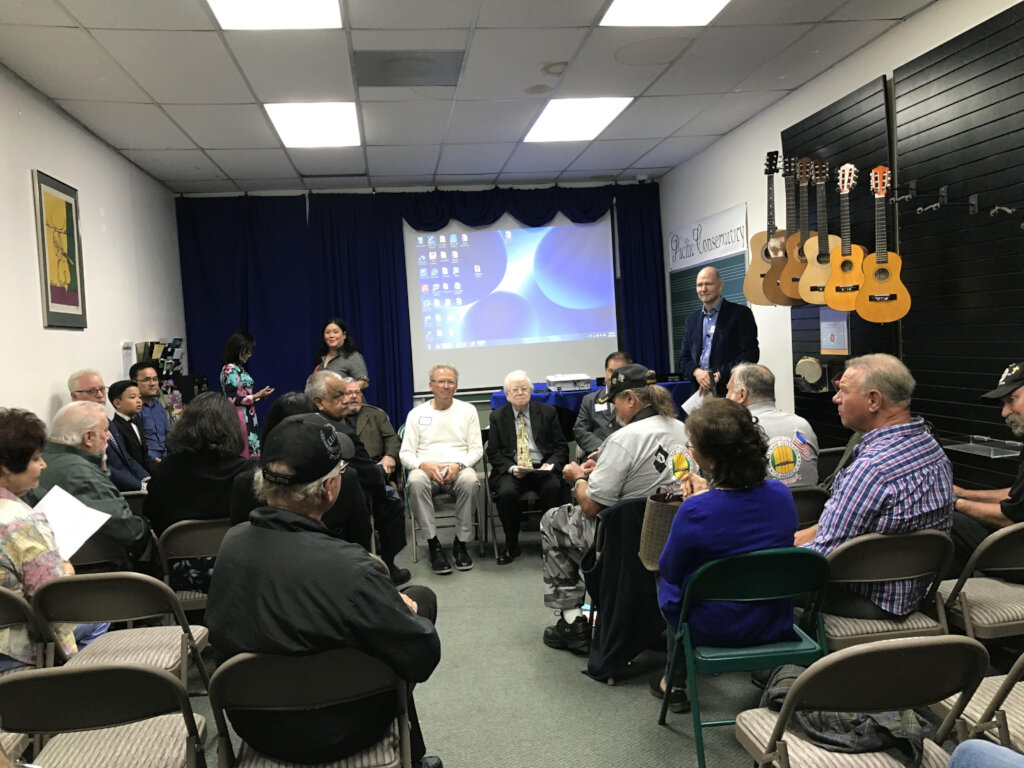
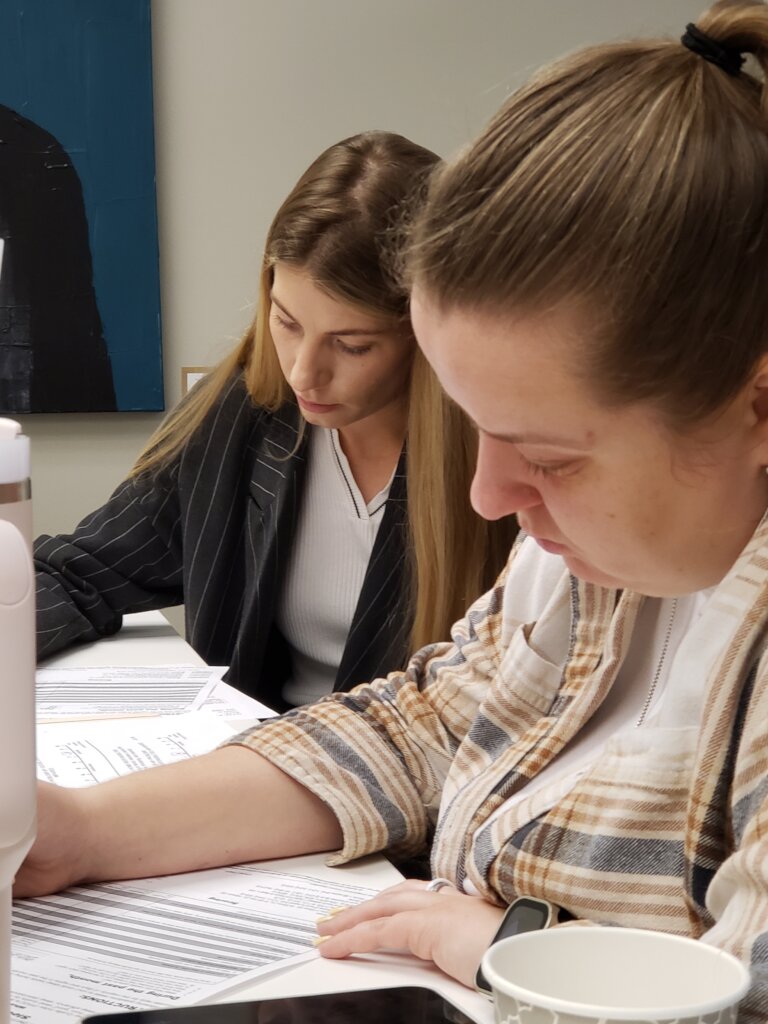
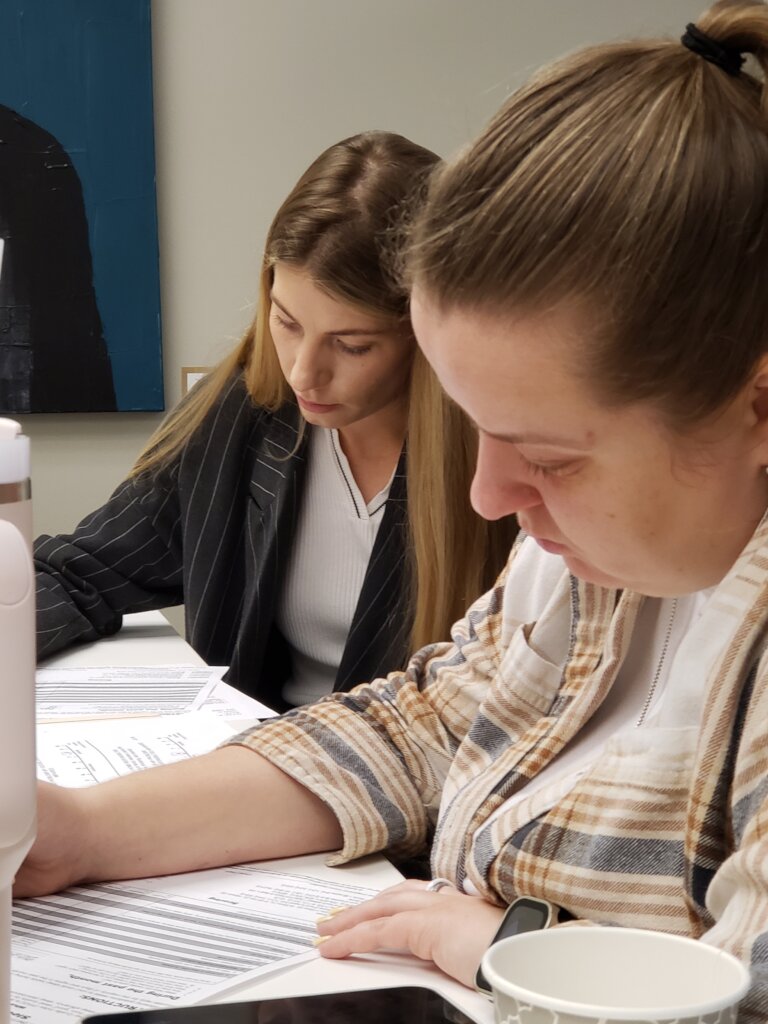
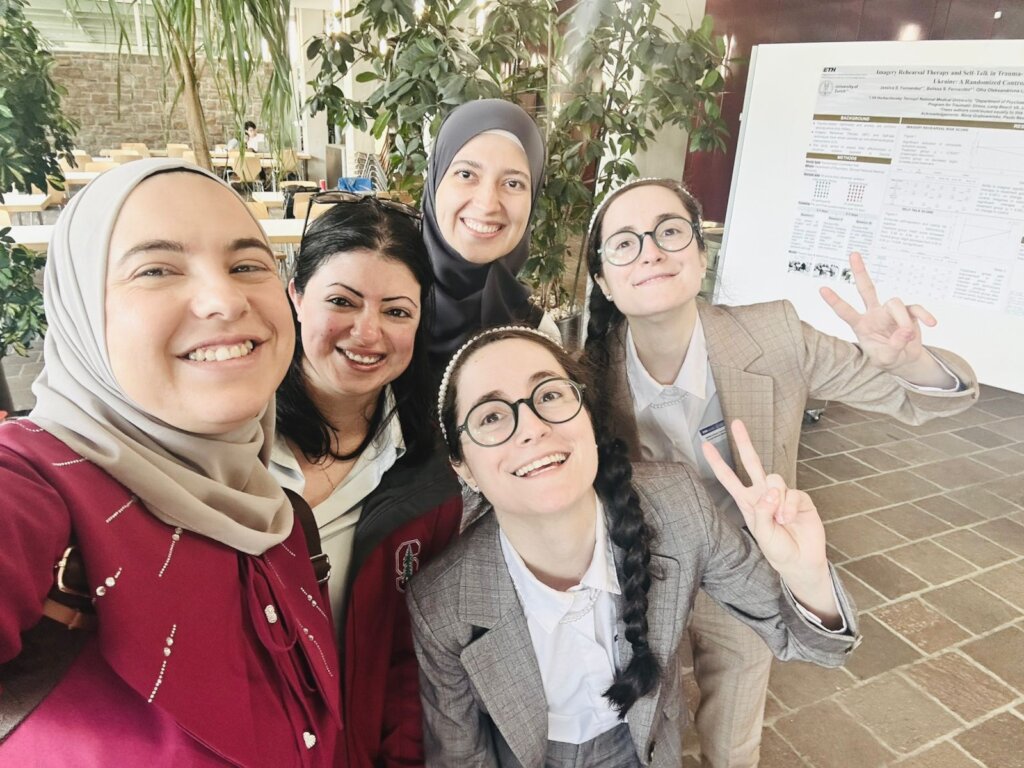
This is why War Survivors Institute recently trained social workers and case managers at a refugee resettlement program in Imagery Rehearsal Therapy (IRT) - a method that helps people gradually change the content of recurring trauma nightmares, so that sleep becomes possible again. It is practical, evidence-based, and it works.
One detail stood out: many of the case managers in that room were once refugees themselves. They know this experience from the inside. They are now the ones helping others through it, and they came away with something concrete they can use.
Next, War Survivors Institute is bringing this same training to social workers and mental health professionals in Ukraine — to the people working directly with war-affected children and families every day.
Your support makes the connection happen.
This work continues because you choose to support it. Thank you from everyone it reaches.
Links:
Project reports on GlobalGiving are posted directly to globalgiving.org by Project Leaders as they are completed, generally every 3-4 months. To protect the integrity of these documents, GlobalGiving does not alter them; therefore you may find some language or formatting issues.
If you donate to this project or have donated to this project, you can receive an email when this project posts a report. You can also subscribe for reports without donating.



Support this important cause by creating a personalized fundraising page.
Start a Fundraiser