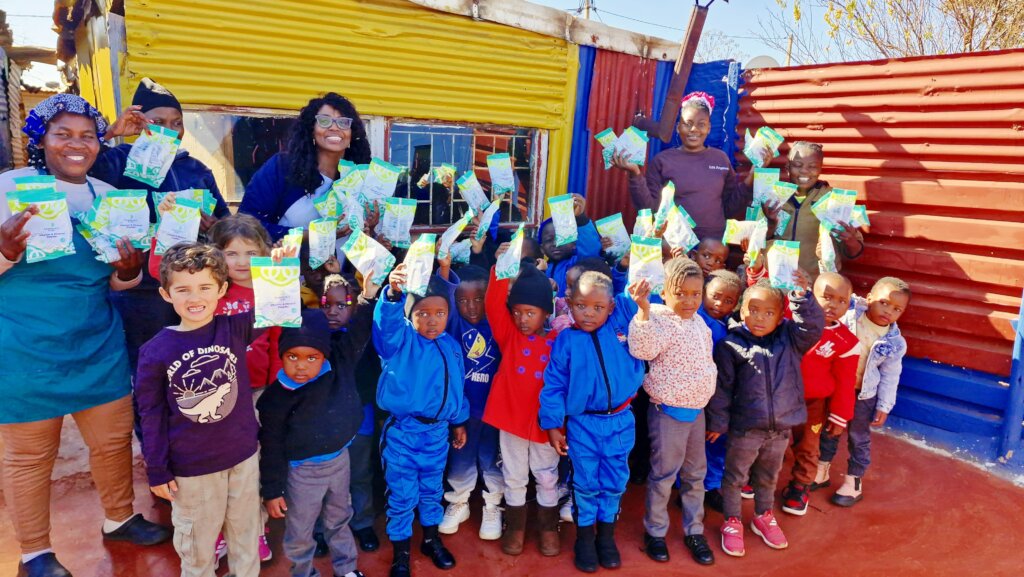
By Ilane Van Wyk | Operational Analyst and Quality Controller
Introduction
In low-income communities, malnourishment remains rarely spoken about, often misunderstood, and too frequently dismissed as simply “not having enough food,” yet the reality is more complex. Food may be present, but it is often repetitive, low in nutrients, and heavily starch-based. This leads to a paradox where children might have full stomachs, yet remain undernourished. Beneath the surface lies hidden hunger — a form of micronutrient deficiency invisible to the naked eye, but deeply destructive. Hidden hunger does not announce itself loudly and it does not always resemble extreme thinness or the stark images often associated with famine. Instead, it quietly erodes children’s immune systems, weakens their cognitive development, reduces concentration, and limits energy levels. The damage begins long before children enter higher grades. Failure does not start in secondary school — it begins in early childhood development, when the brain and body require adequate nutrition to build the foundation for lifelong learning and health.
Good nutrition today for a healthier tomorrow
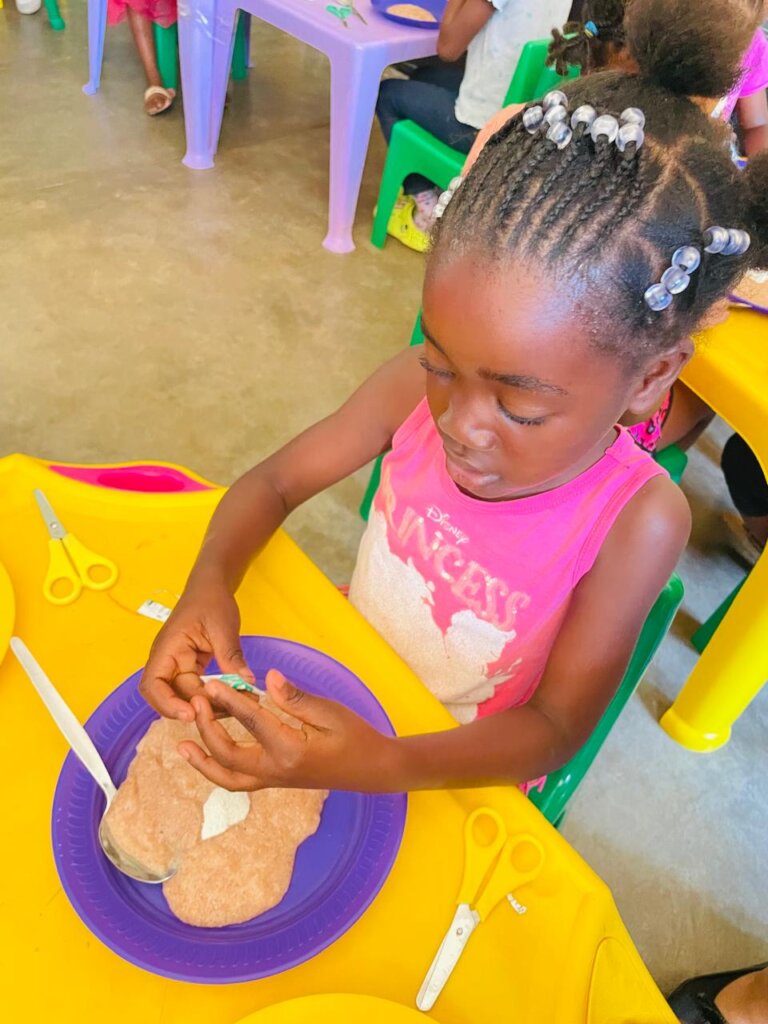
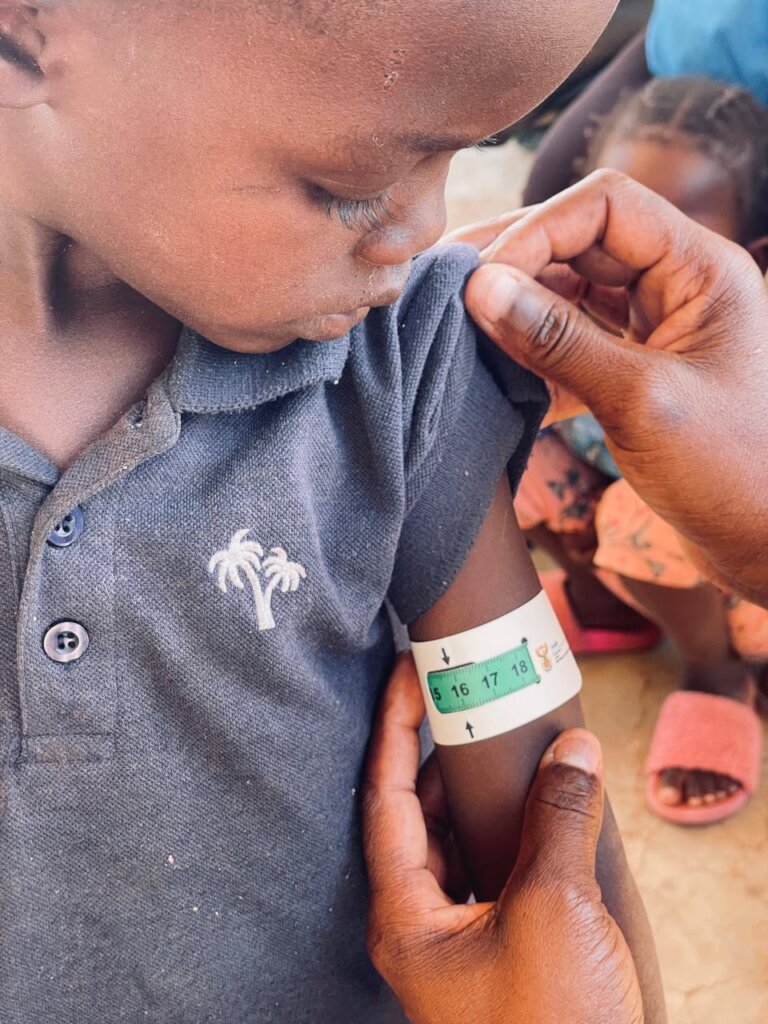
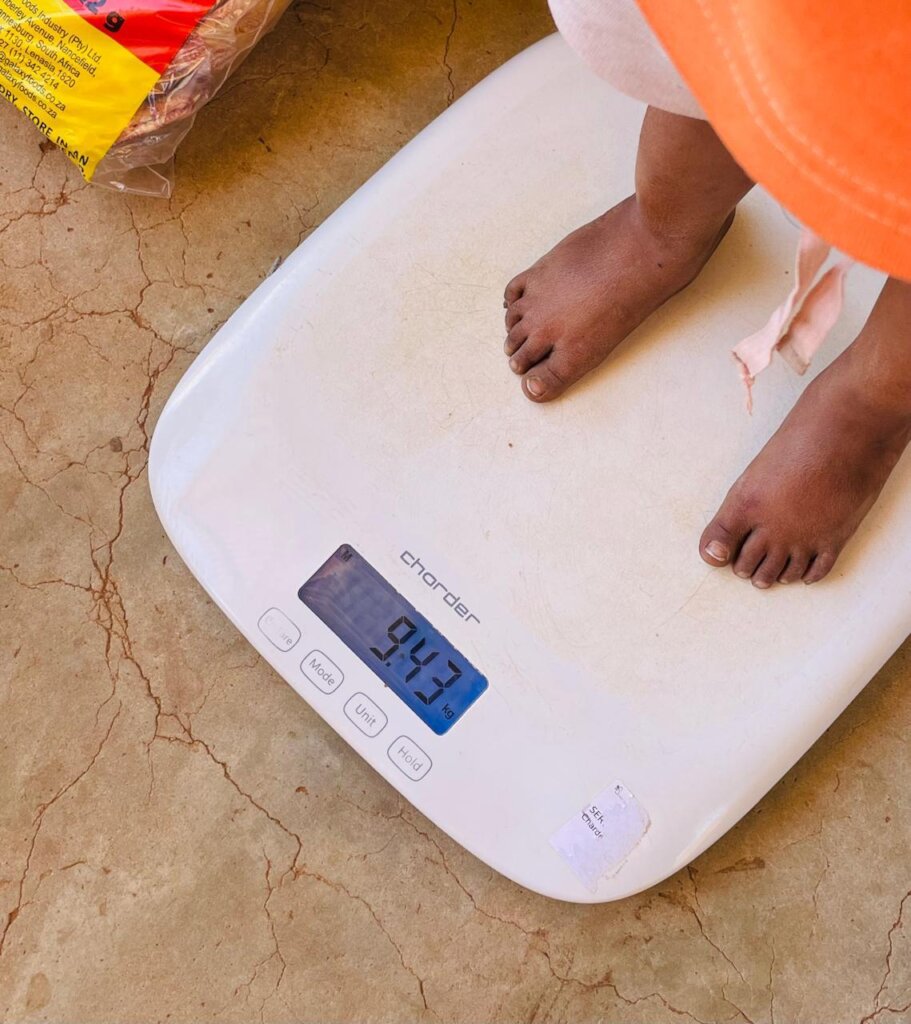
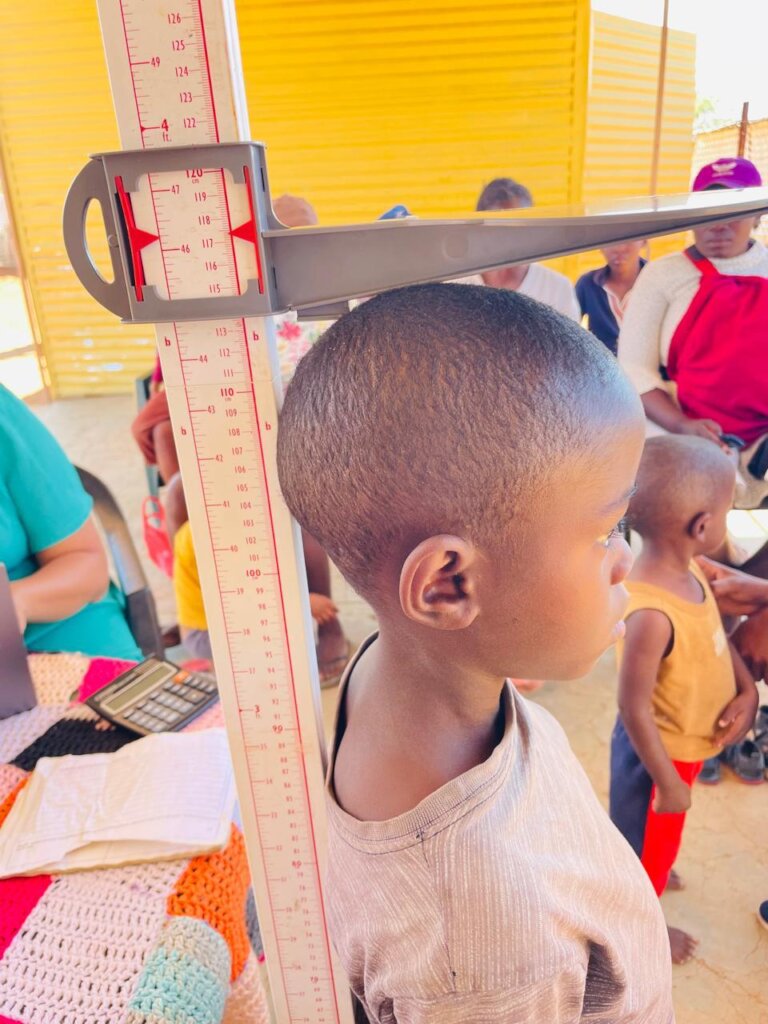
A generation compromised by early nutritional deficiencies translates into lost human capital, strained healthcare systems, diminished future earning potential, reduced productivity, and increased susceptibility to chronic illness. Therefore the Optimal Health Programme provides micronutrients to our beneficiaries for daily consumption, and to ensure that their bodies optimally absorb the nutrients and reduce the effects of malnourishment, while promoting good health. The issue of hidden hunger is addressed in three simple, practical steps, starting with a provision of 1g micronutrient powder sachets added to meals daily, followed by routine deworming to ensure that nutrients consumed are properly absorbed. Finally, ongoing monitoring of beneficiaries through periodic measurements, allowing early detection of growth faltering and timely intervention.
The crucial role of deworming
Deworming children bi-annually is required to optimise their health. It's often recommended as a preventative measure in areas with potential high rates of intestinal infections, particularly for young children. Deworming children is critically important to prevent parasitic infections like roundworms, hookworms and whipworms; which are prevalent in areas with poor sanitation. These infections can lead to malnutrition, stunted growth, anaemia, and impaired cognitive development by hindering nutrient absorption and affecting a child’s overall health. Our initiative entails that a child be dewormed biannually.
Today’s interventions for future impact
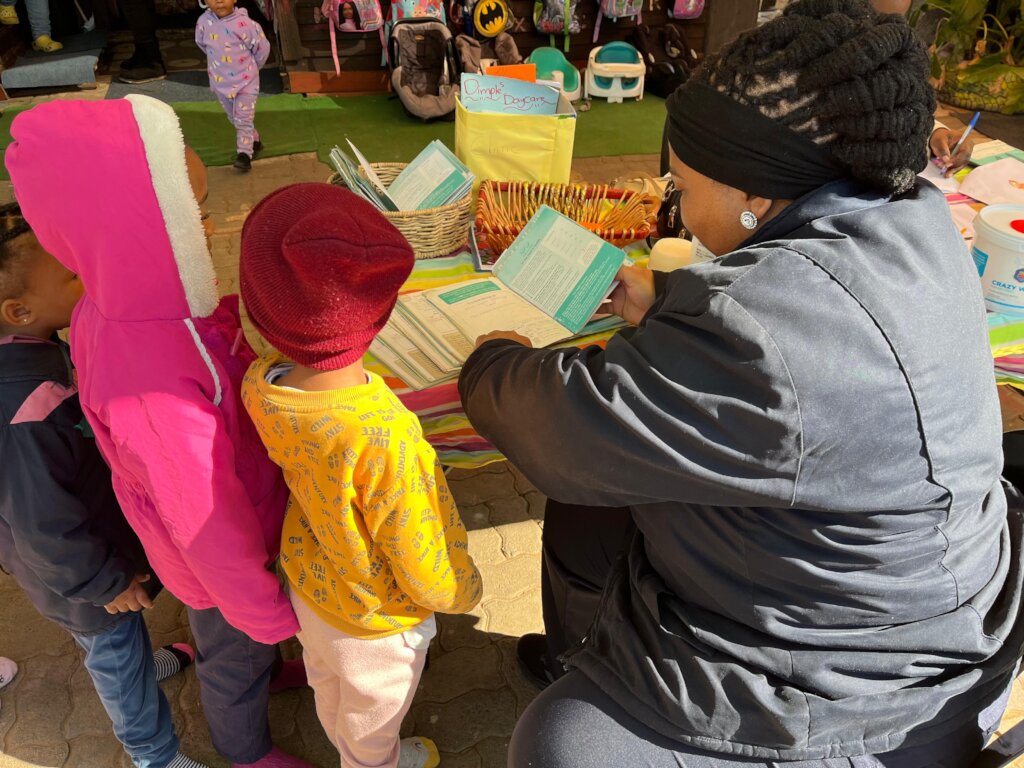
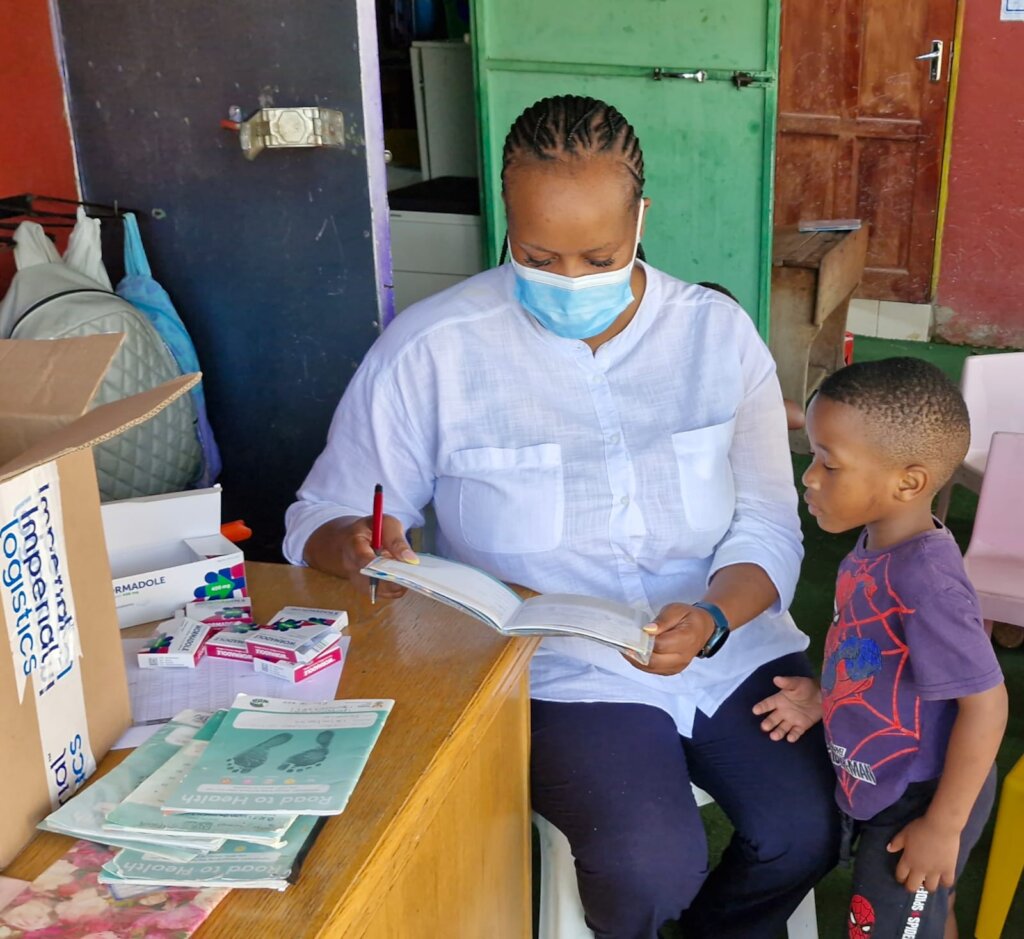
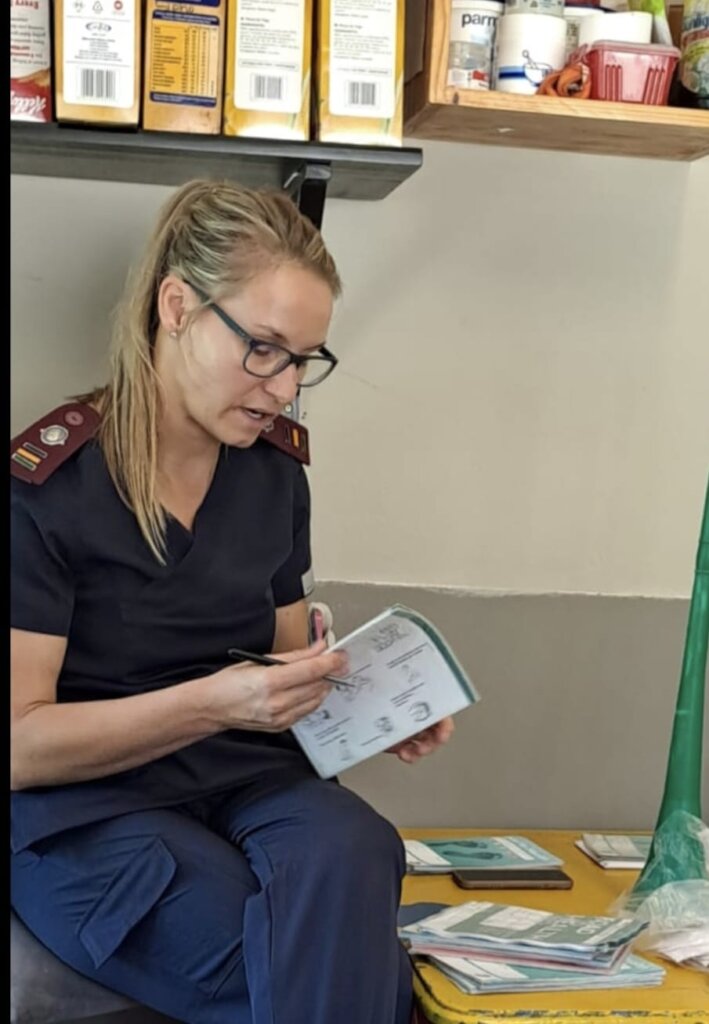
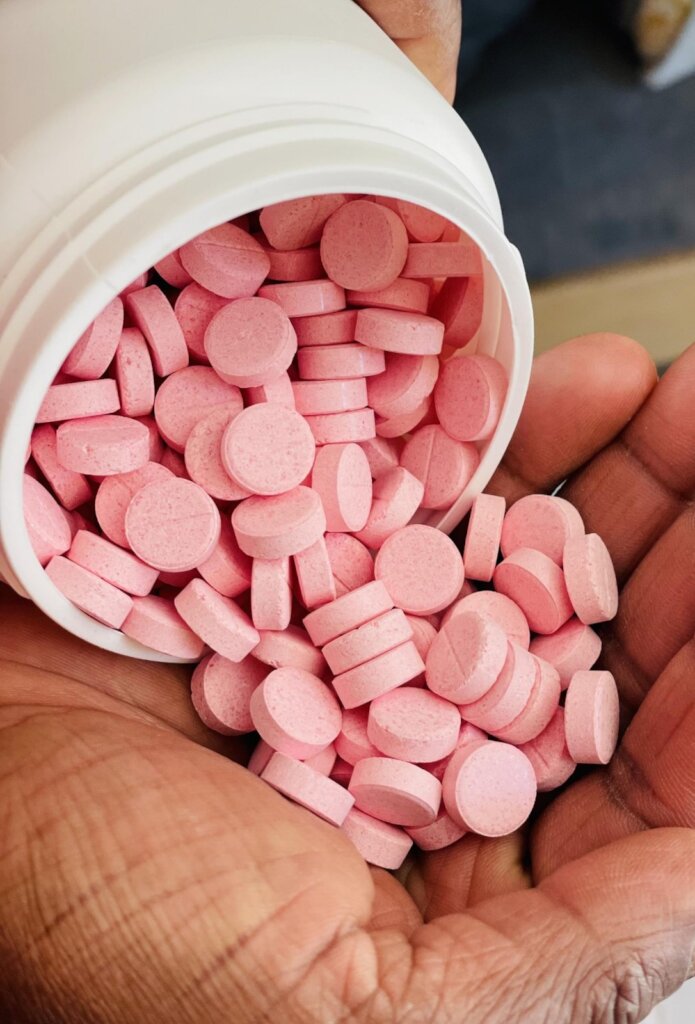
The deworming programme complements services provided by the local clinic, which is primarily responsible for administering deworming. However, Headstart Kids bridges the gap for children whose parents may not have time for clinic visits or during periods of deworming product shortages. Conducted bi-annually at Masubulele Educare Centre, the initiative is convenient and easily accessible for families. Registered nurses review each child’s clinic card and deworm accordingly, ensuring proper alignment with clinic schedules. By delivering the programme in a familiar environment, stress is reduced, and child-friendly chewable tablets make the process easier for little ones. We have observed significant improvements in children’s overall health when deworming is implemented alongside micronutrient supplementation.
Join us in making a real difference
Combating malnourishment requires integrated solutions that address both the visible and invisible drivers of poor health. Hidden hunger, food fatigue, repeated infections, and inadequate early childhood nutrition cannot be solved through a single intervention in isolation. Micronutrient supplementation and consistent growth monitoring provide a targeted response to deficiencies, but their impact is significantly strengthened when paired with bi-annual deworming, which reduces disease, enhances nutrient absorption, and supports healthy growth. Through your support, the Headstart Kids Optimal Health Programme will continue to impact the most needy.
Project reports on GlobalGiving are posted directly to globalgiving.org by Project Leaders as they are completed, generally every 3-4 months. To protect the integrity of these documents, GlobalGiving does not alter them; therefore you may find some language or formatting issues.
If you donate to this project or have donated to this project, you can receive an email when this project posts a report. You can also subscribe for reports without donating.



Support this important cause by creating a personalized fundraising page.
Start a Fundraiser