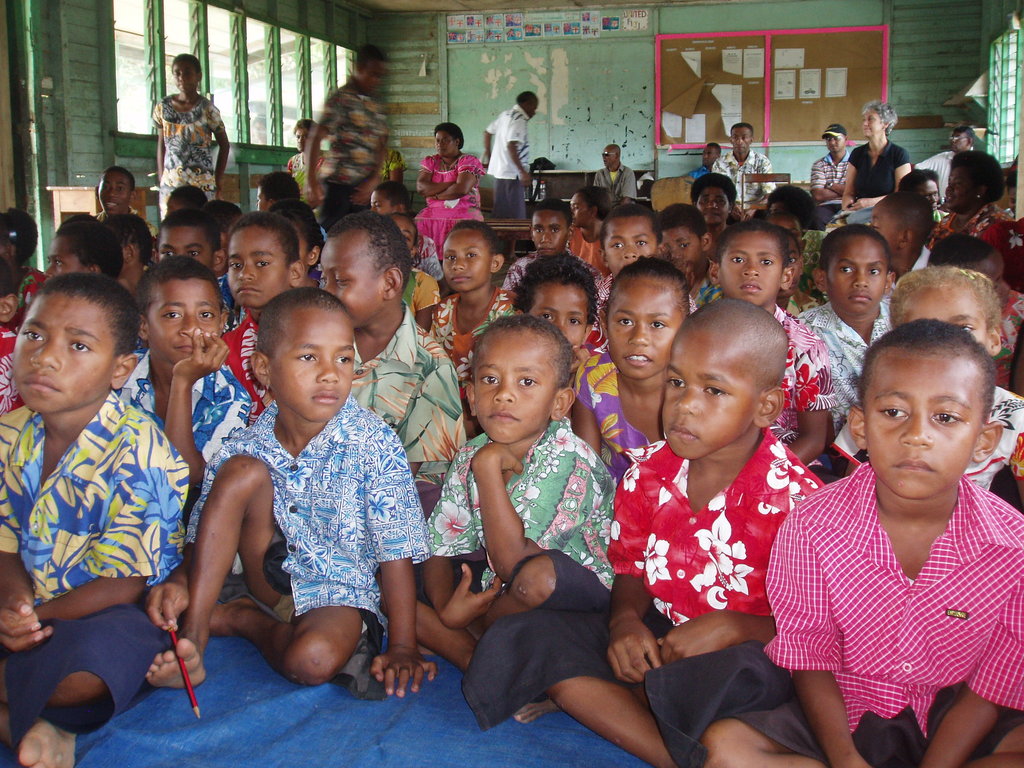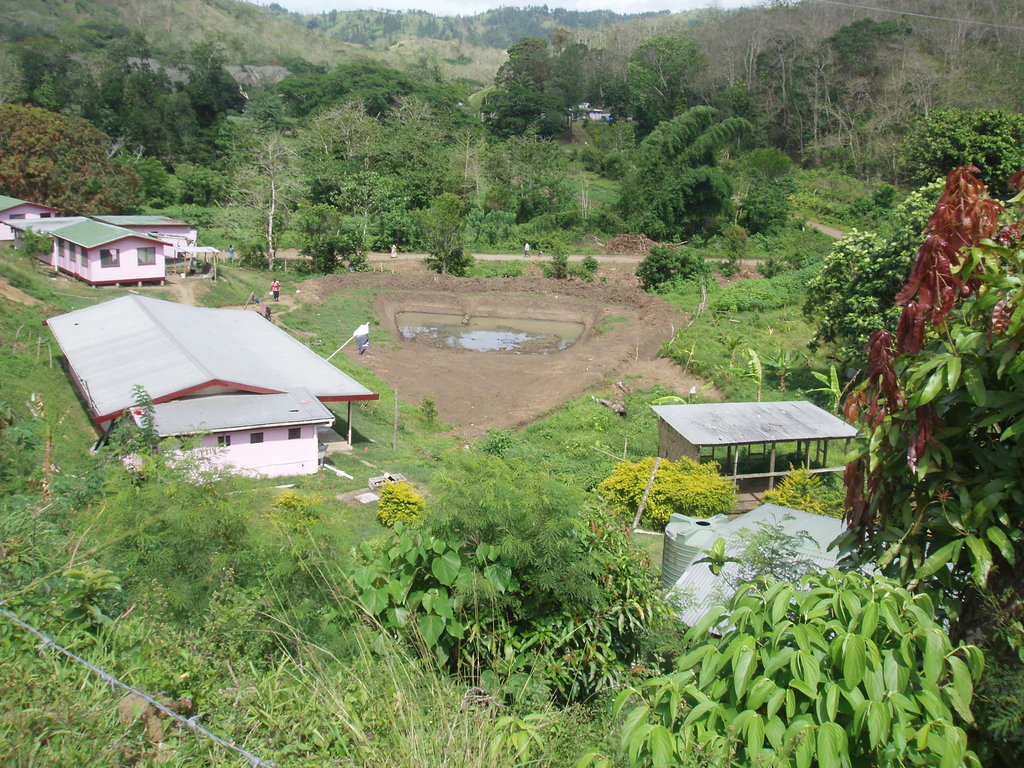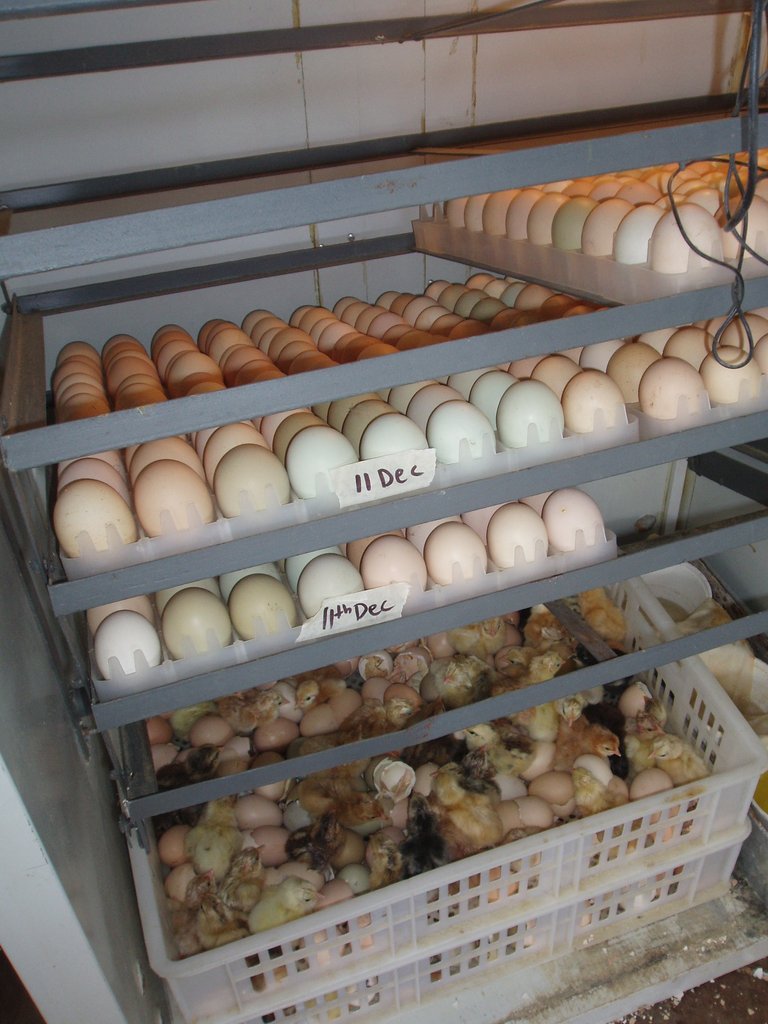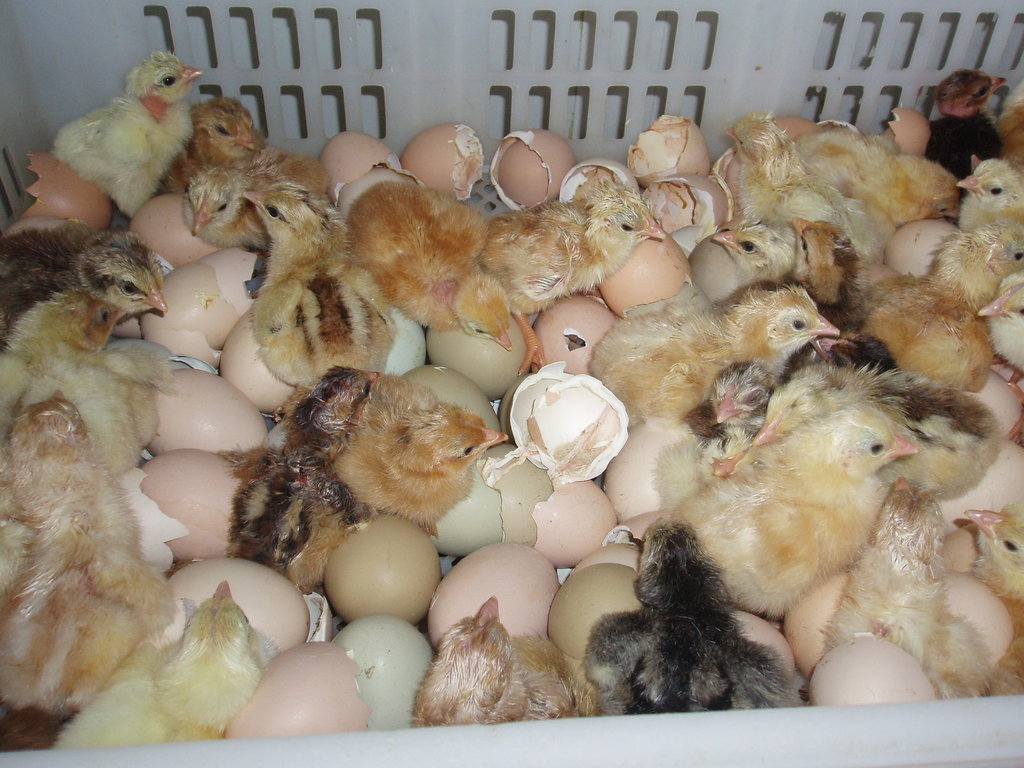
Rural communities in Fiji rely on subsistence farming and fishing for most of their needs. Chicken breeds available are imported and are expensive, bred for factory farming and poorly adapted to village conditions. This project will bring in productive heritage breeds of chickens that are well adapted to local free-range conditions, establishing breeding flocks and focusing on providing chicks at cost to communities. Local feeds will also be a major focus: coconut, cassava, moringa, etc
The poultry industry of Fiji is completely reliant on imported fertile eggs and chicks from New Zealand, with over 8 million brought in every year. The breeds are adapted to factory farming and do quite poorly in village conditions. Village chickens are on the other hand very hardy, but they are of low productivity and produce few eggs and with light body weight, but they are able to thrive by foraging. Rural communities require improved protein sources, and heritage poultry is the best option.
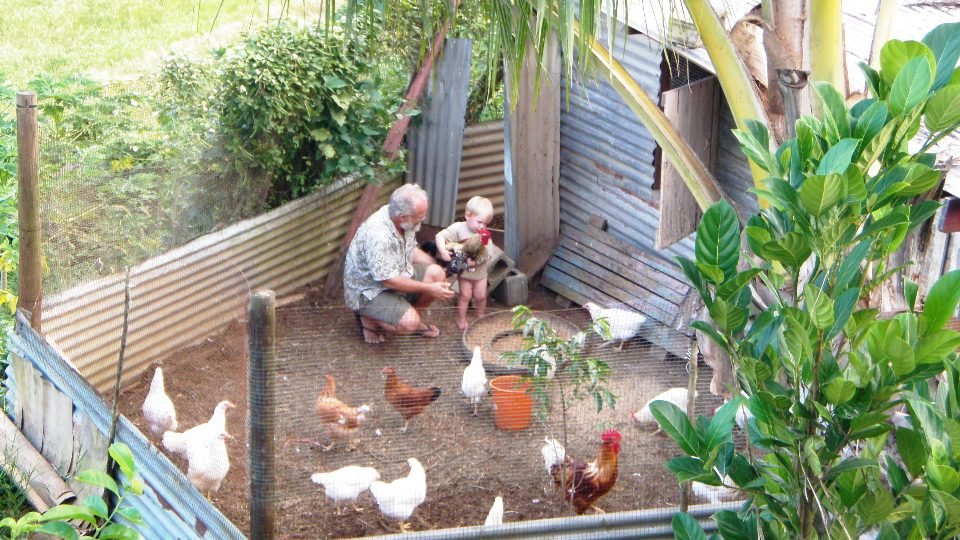
The heritage breeds are highly productive and are well adapted to local tropical conditions. They thrive by forging, and the "happy chicken" methods take advantage of that trait, with access to wild and local feeds thrown into the chicken yard and with the birds let out to forage every afternoon for 3-4 hours. Improved housing allows the birds shelter for rainy days and hurricanes, while providing a good environment for laying and chick hatching, as well as a collection point for manure.
High quality protein in the form of eggs and meat will greatly improve the nutritional status of at least 500 poor rural families. An alternative protein source will help support the over 100 communities in Fiji that are implementing conservation plans that include the establishment of no-take "tabu" areas on reefs for local resource recovery. The heritage breeds reproduce on their own and will cross with local chickens to increase productivity greatly, resulting in lasting change.