Project Report
| Oct 3, 2024
Happy Chickens As Alternative to Overfishing Reefs
By Austin Bowden-Kerby, Phd. | Coral Scientist & breeder of tropical hardy chicks
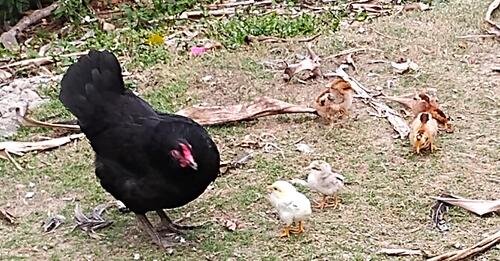
![Happy Hen with chicks]()
Happy Hen with chicks
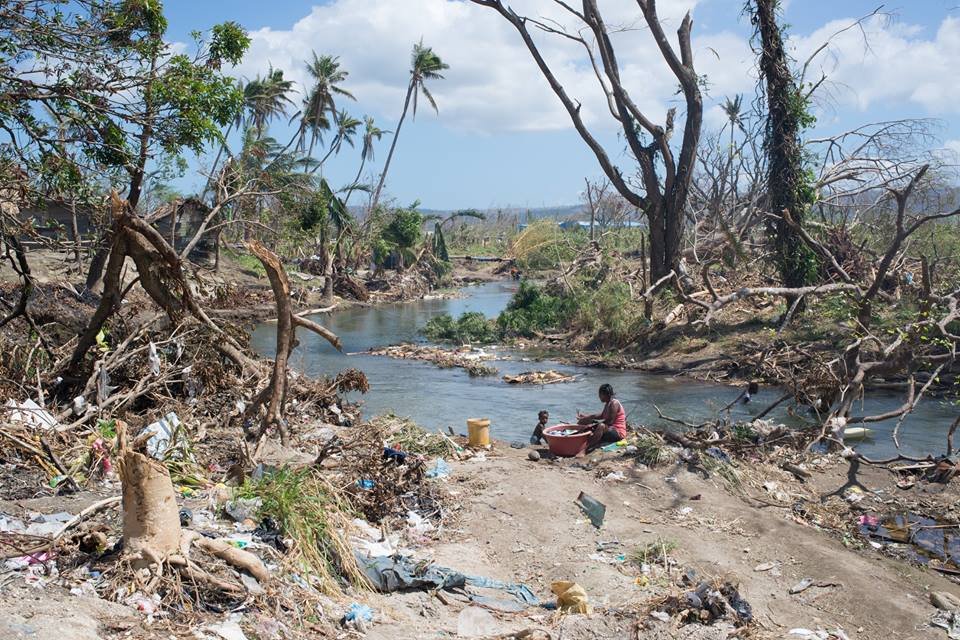
Corals for Conservation launched Happy Chickens as our first GlobalGiving project based on success with helping reef-dependent communities set up no-fishing Tabu zones within locally managed marine areas, with the first such areas established in 1999 in Cuvu District and now spreading to over 300 communities all around Fiji.
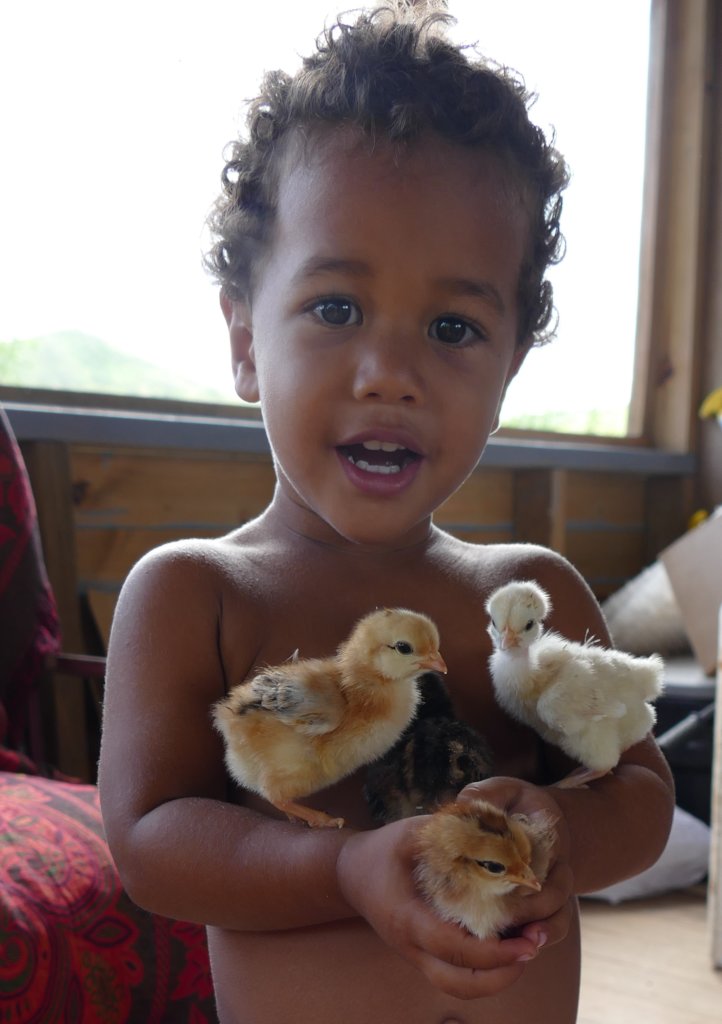
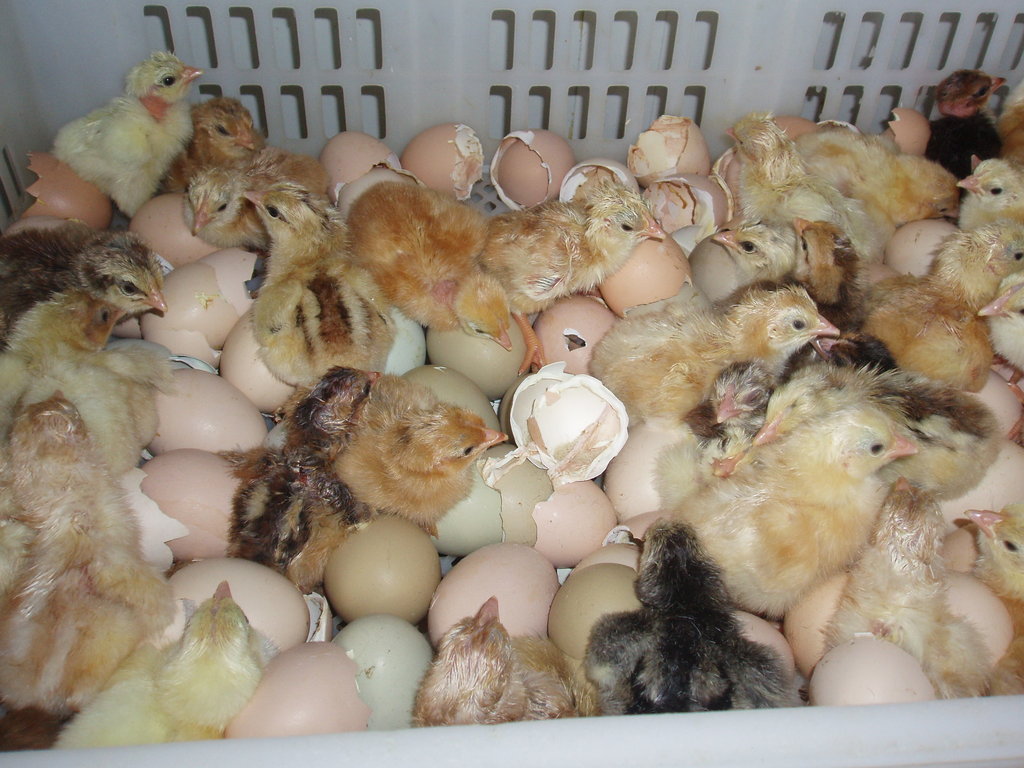
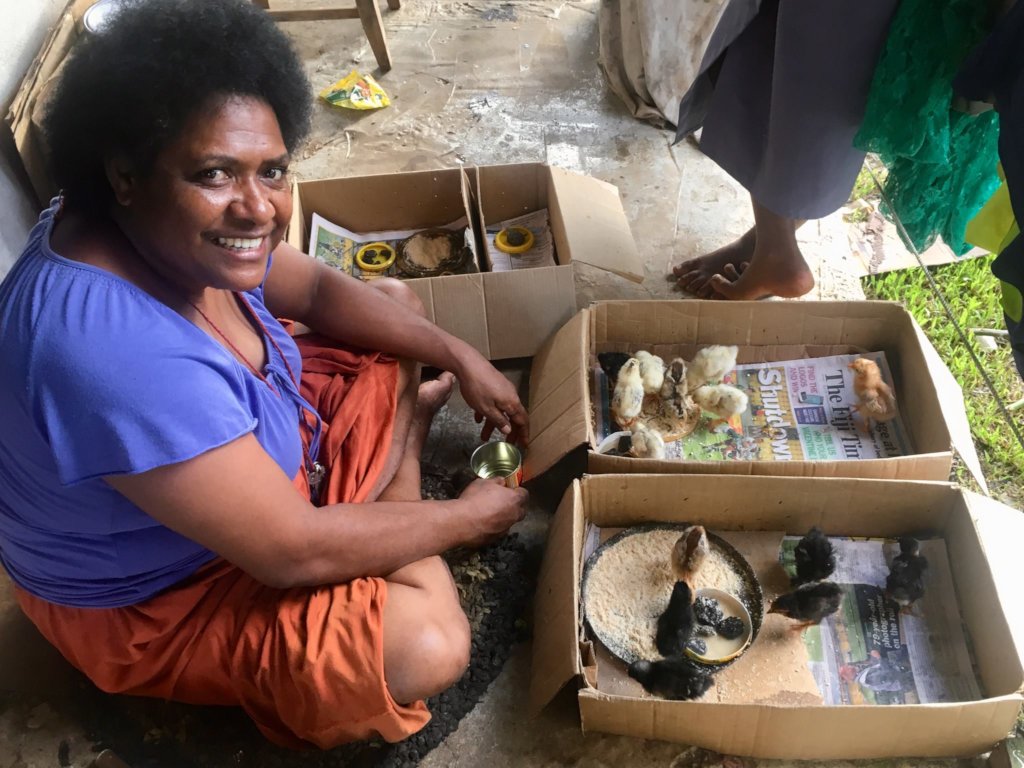
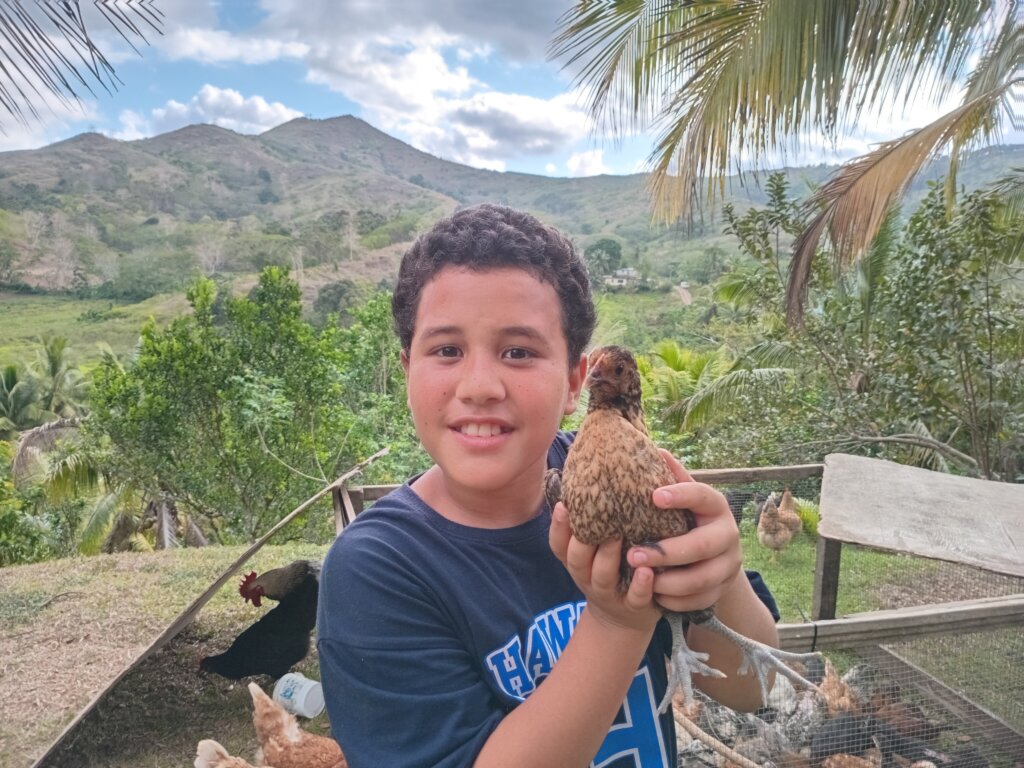
By setting aside so much of their fishing grounds, indigenous communities had made a big sacrifice, but in many areas overfishing was severe and the reefs were not providing enough to feed families. Both a reduction in overfishing plus an alternative foodsource needed to be found. Although the >50,000 chicks hatched and distributed so far from our Happy Chicken program is only a drop in the bucket, the chickens are breeding in the villages, and since we introduced the mini-hatchery program, distributing over 70 small inclbators, the chicks are becoming more available, providing a more reliable source of protein and livelihoods, with the free range village chicken projects mainly carried out by village women.
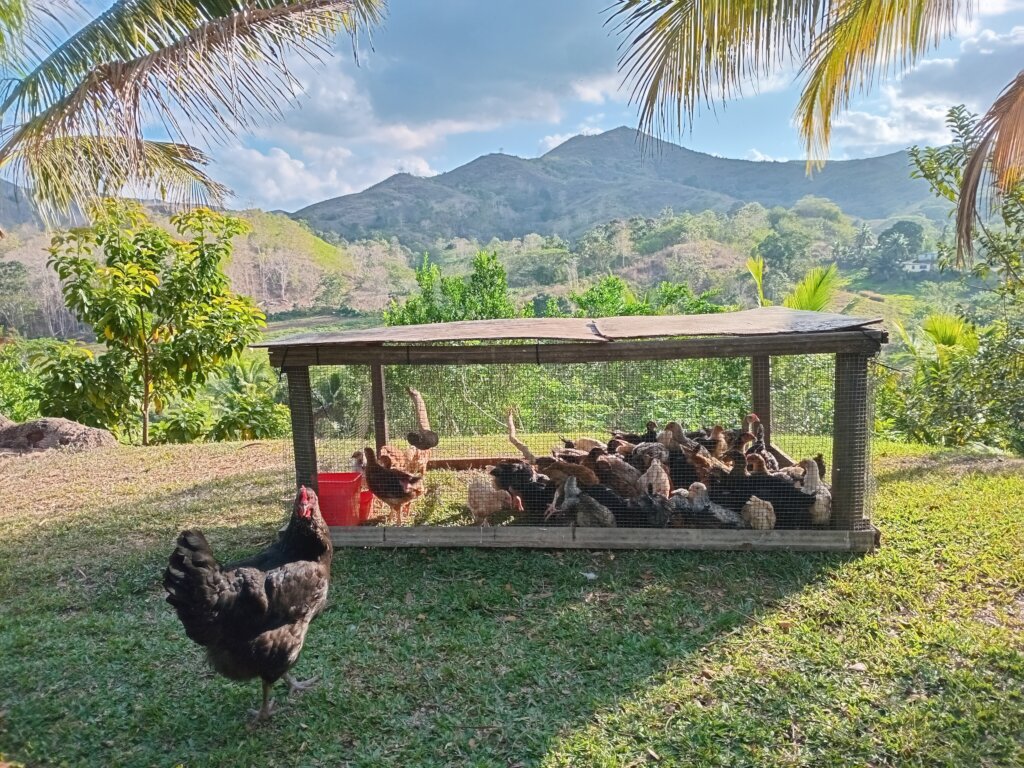
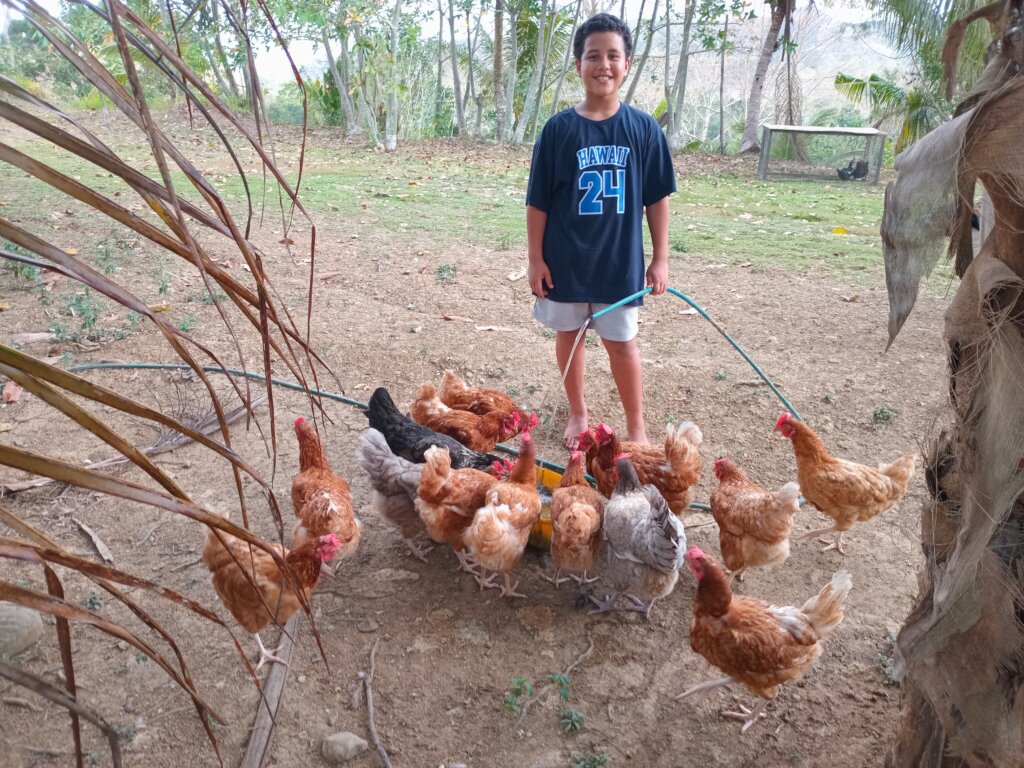
We are presently head-starting 125 chicks to be sent out to communities when they can forage better and eat coconut and other local feeds. Starting next week, three dozen hens will be separated, along with one rooster per every five hens, and sent to Naidiri Village on the Coral Coast, where the pen is all ready and waiting. The the remainder will be sent to Uluibau and Daku Villages on Moturiki island in early November, and materials haev been sent to build chicken houses there, with two additional master chicken farmers. These villages all have large no-fishing Tabu areas. Community members from each of the threee villages have come to the Teitei Livelihoods Centre for training in the chicken farming methods and other livelihoods. Our next report will focus on the communities who are receiving the chickens.

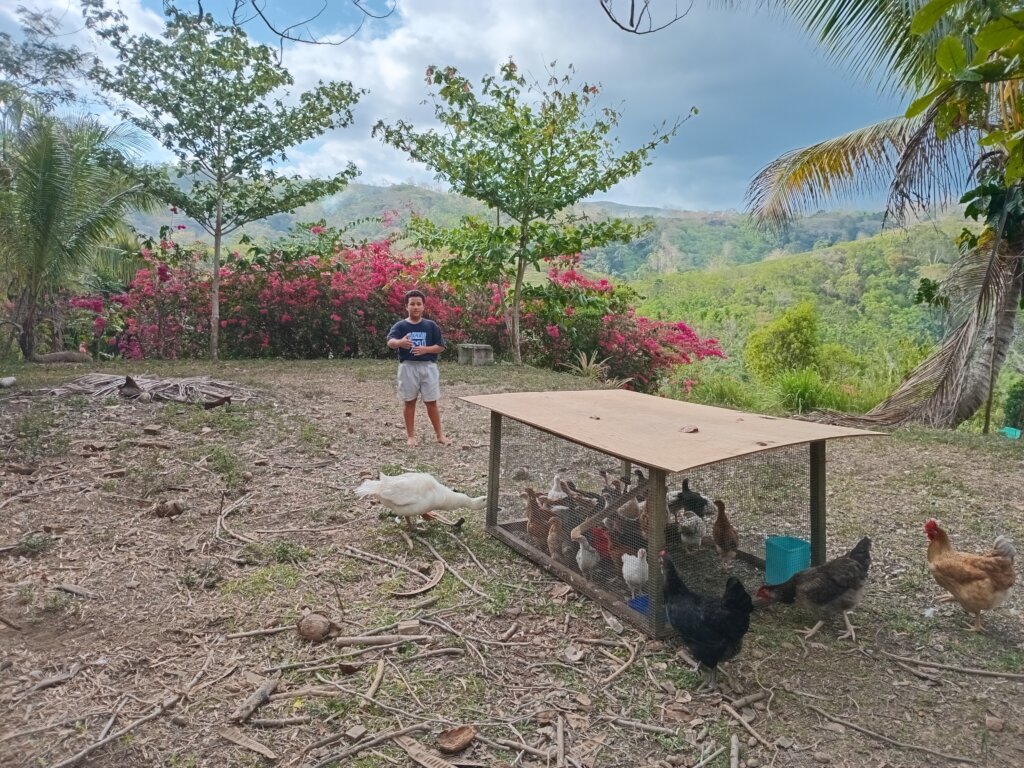
Geese protect the chickens from stray dogs, hawks, and mongoose predators. A gander has even adopted one of the mobile rearing pens and he patrols the perimeter, protecting the chicks! See the photos below!
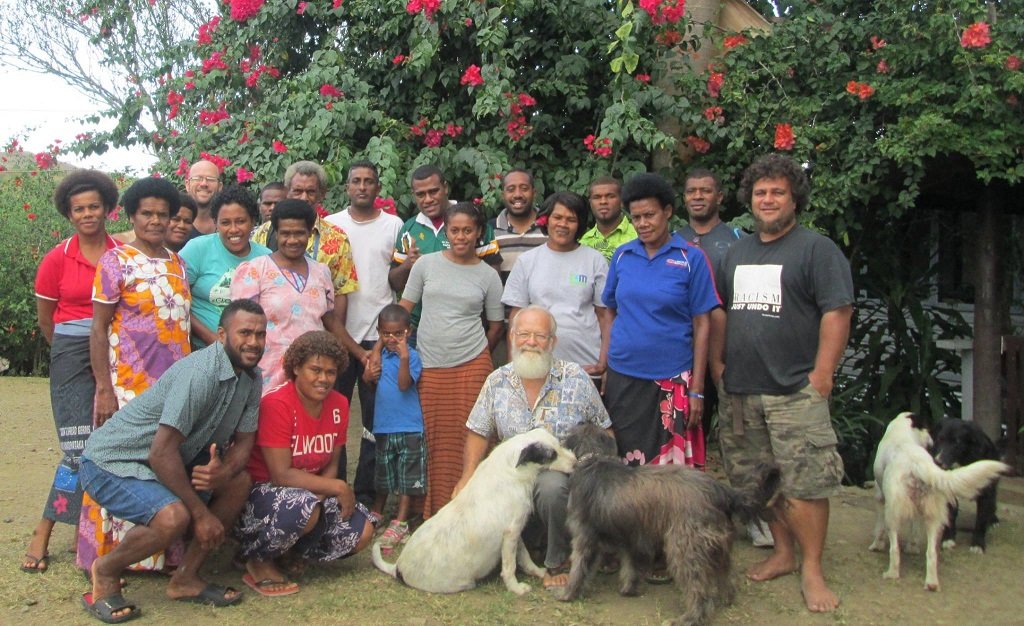
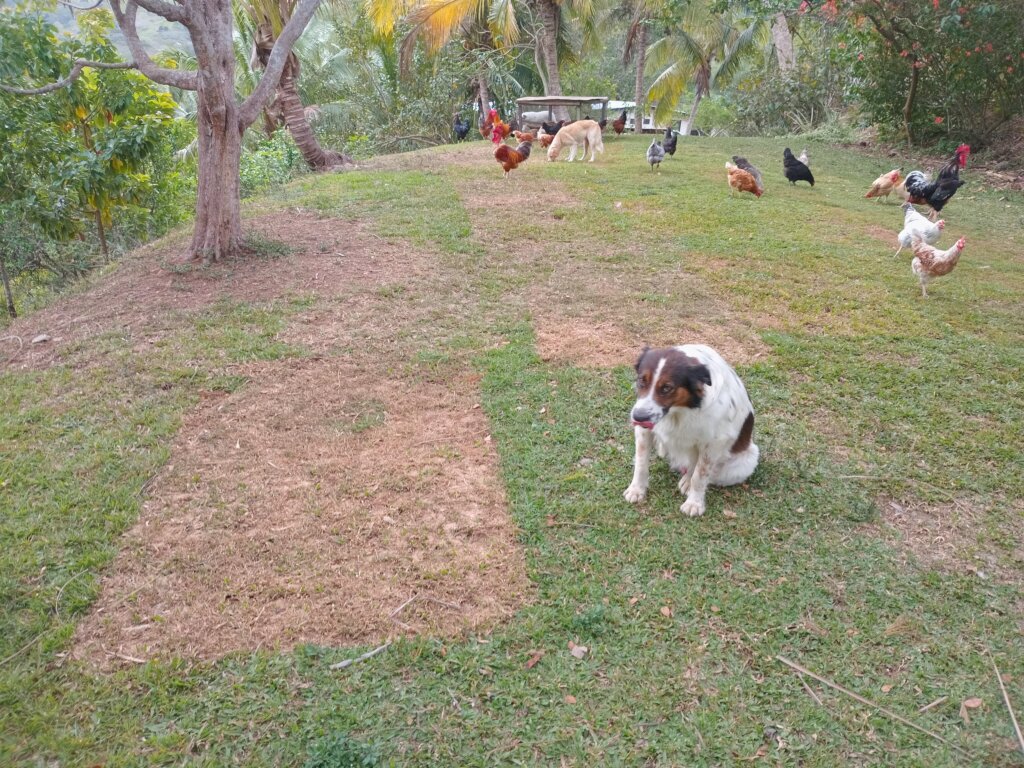
A Youth group from Wallis and Futuna islands stayed over at the farm in September to learn about livelihoods and happy chickens. Jumper dog and Ginger dog guard the farm and protect the chickens from predators.
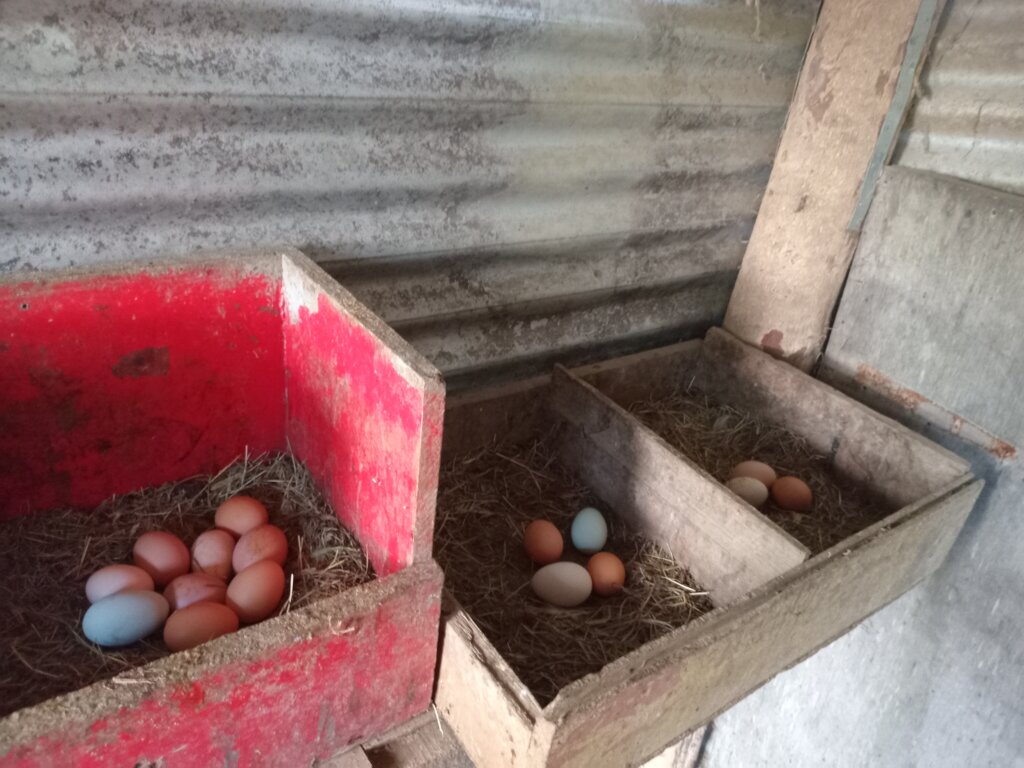
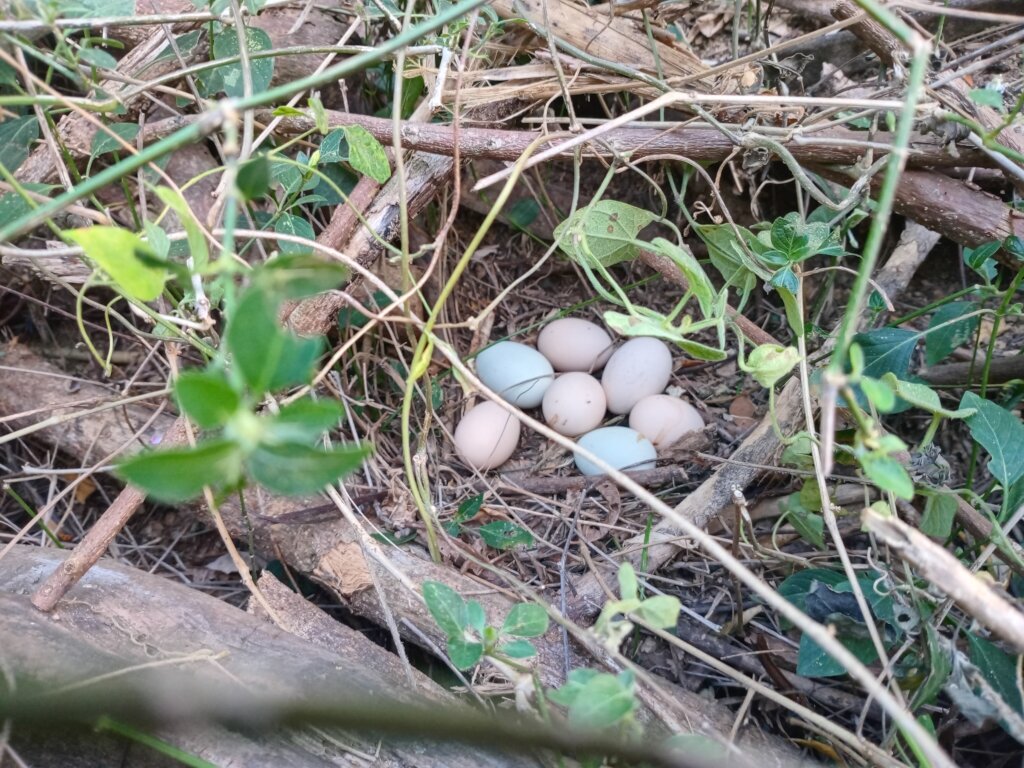
The chickens are trained to sleep and lay in open chciken houses, but the new group was not as well trained apparently! We had four hens hide in the bushes and emerge with clutches of baby chicks this season! We now try to find the stray nests and collect the eggs daily, leaving one nest egg so that the hens will not find a new hiding place! We can tell how many hens are working together to fill up the nest by the unique egg color that each hen has. We have chickens that lay multiple shades of brown, tan, olive, green, and even blue!
Kind regards to all, and thanks for your continued support!
![Mobile Rearing Pen- chickens mow the grass!]()
Mobile Rearing Pen- chickens mow the grass!
![Kiki helps raise the chicks up for the community.]()
Kiki helps raise the chicks up for the community.
![Ample clean water for the chicks is vital.]()
Ample clean water for the chicks is vital.
![Laying boxes inside the 100% open chicken houses.]()
Laying boxes inside the 100% open chicken houses.
![Renegade hens sometimes lay in the bush!]()
Renegade hens sometimes lay in the bush!
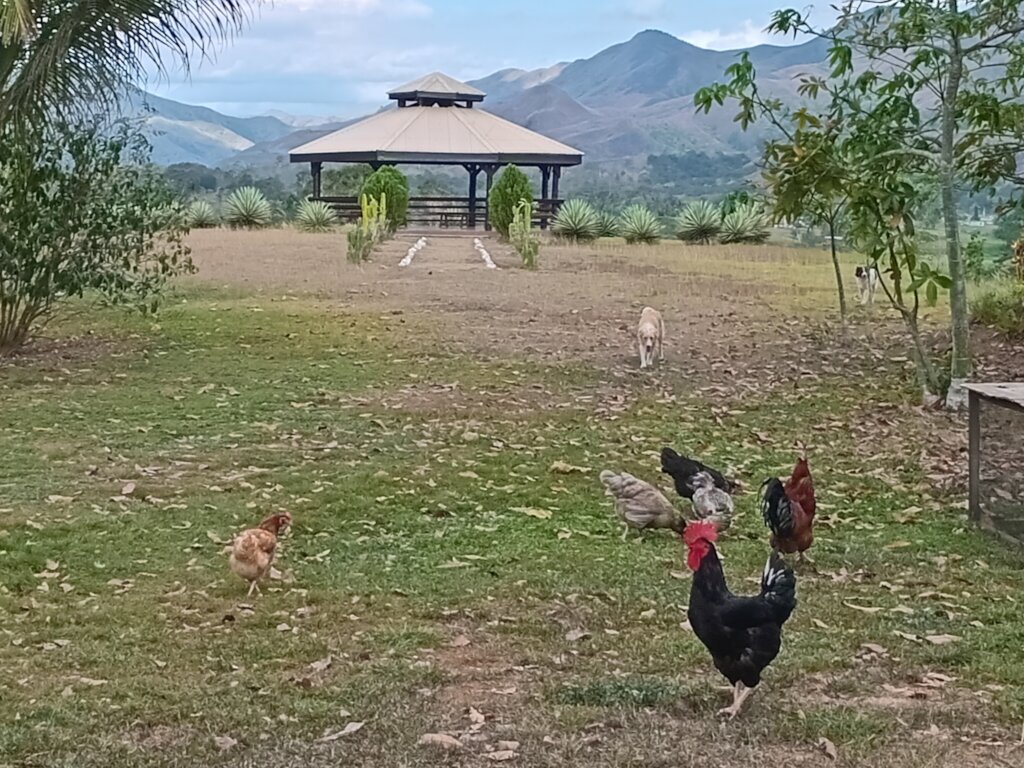
![The Pavilion, the chickens somehow never enter]()
The Pavilion, the chickens somehow never enter
![A gander has adopted this group of chicks!]()
A gander has adopted this group of chicks!
![Jumper dog and the cut grass as the pens move]()
Jumper dog and the cut grass as the pens move
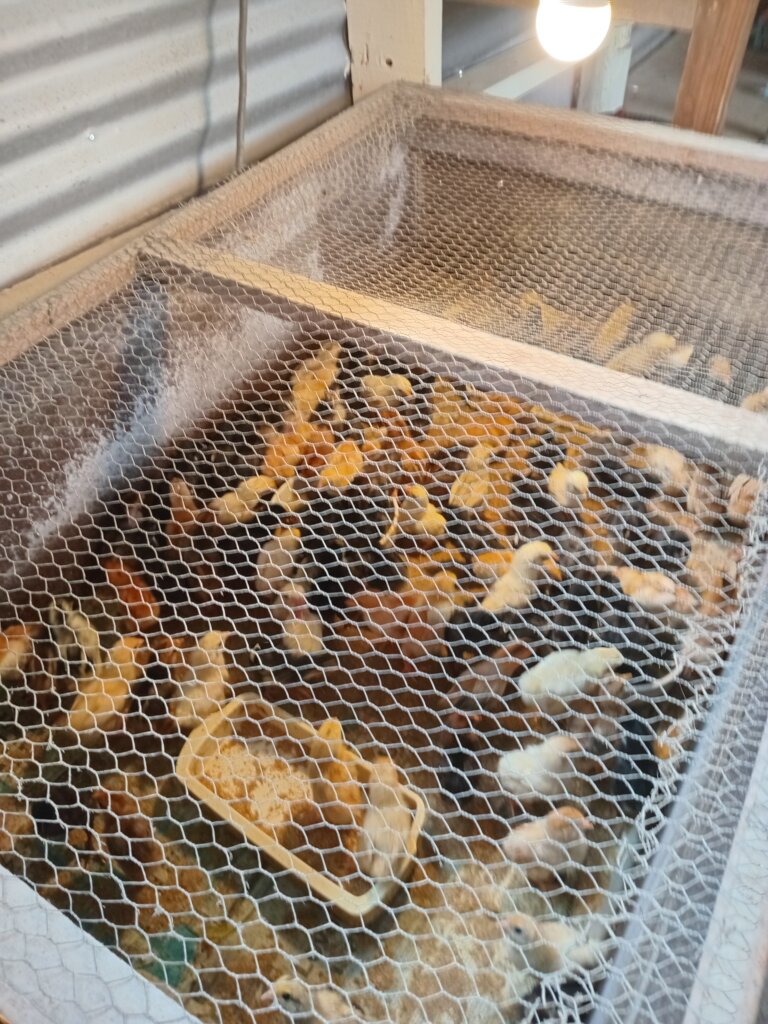
![Chick receiving room, where the chicks start out.]()
Chick receiving room, where the chicks start out.
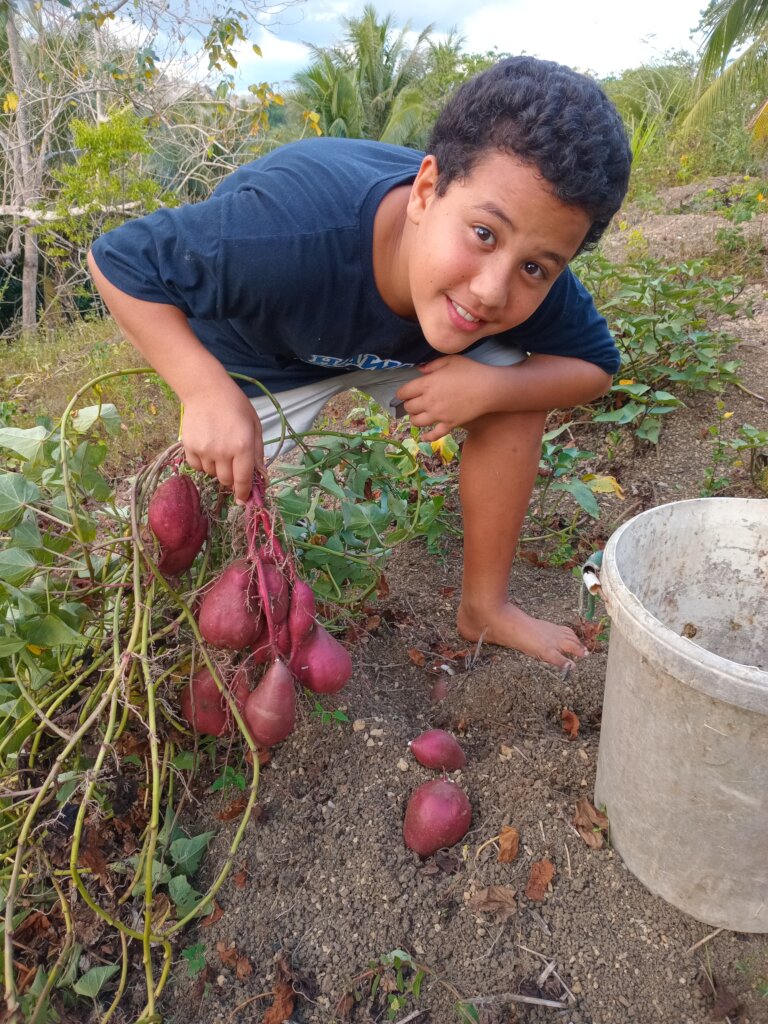
![Sweet potatos grow well on chicken manure!]()
Sweet potatos grow well on chicken manure!
![Share on Twitter]()
![Share on Facebook]()