By Paula Balbontin | Program & Development Manager
After a year of being handed proverbial lemons, Urban Harvest continued to persevere and turn those lemons into lemonade. With your support, we made tremendous strides in cultivating healthy communities across our city.
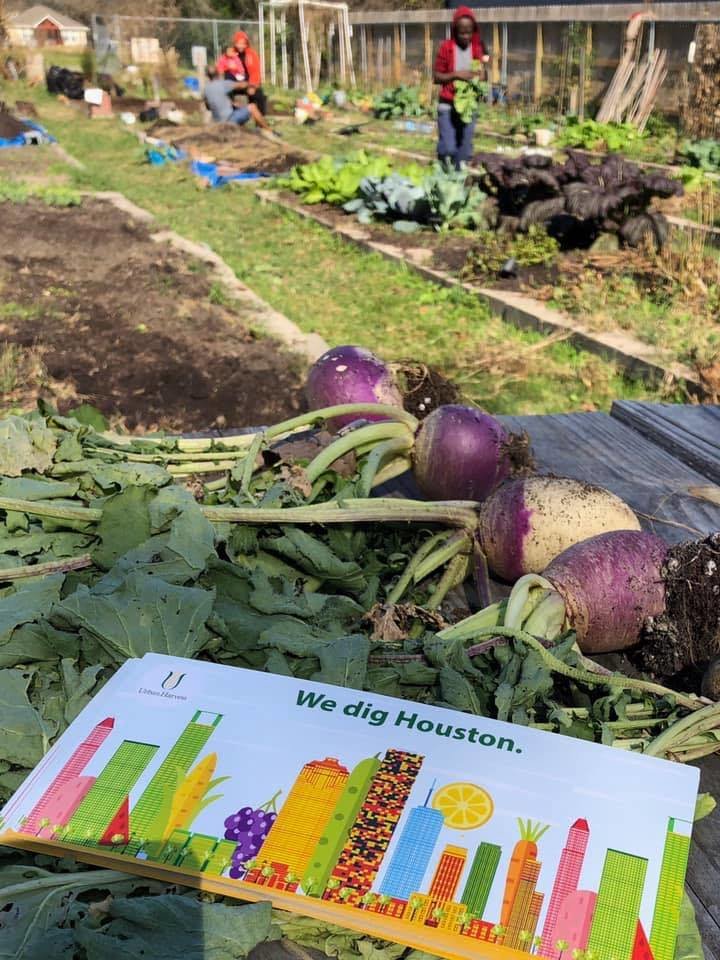
In the aftermath of Winter Storm “Uri,” Urban Harvest reached out to our community members including over 140 community gardens and 95 farmers, ranchers, and food vendors to assess the impact of Winter Storm "Uri" in our local agricultural and food sectors. Regarding the financial hardships associated with their businesses, our Saturday, 60% of our farmers market vendors reported a decrease in sales at our market, compared to a 70% decrease in sales outside the market, stressing the importance of our farmers markets remaining open regardless of the inclement weather. Results from this study also revealed community gardens were adversely impacted by the extremely low temperatures of the winter storm: 60% of our gardens reported immediate losses of 50% or more of their crops. Out of 94 gardens that provided their input, 31 gardens have lost between 50% and 75% of their production, and 29 have lost between 76% and 100% of their harvest. In response to the growing needs of our community of vendors, Urban Harvest took immediate action to waive the market fees for a minimum of 2 months, putting approximately $20,000 back in the hands of farmers and ranchers. In April 2021, Urban Harvest also launched “Vendor U,”- a set of online training modules - with support from partners such as GlobalGiving. Designed to build capacity and resilience for future crises, “Vendor U” delivers hands-on education on topics such as social media promotion and co-packing to farmers market vendors, and in 2022, Urban Harvest will expand training to include a total of ten topics that ultimately cultivate brand awareness, foster customer loyalty; and diversifies their direct-to-consumer revenue channels.
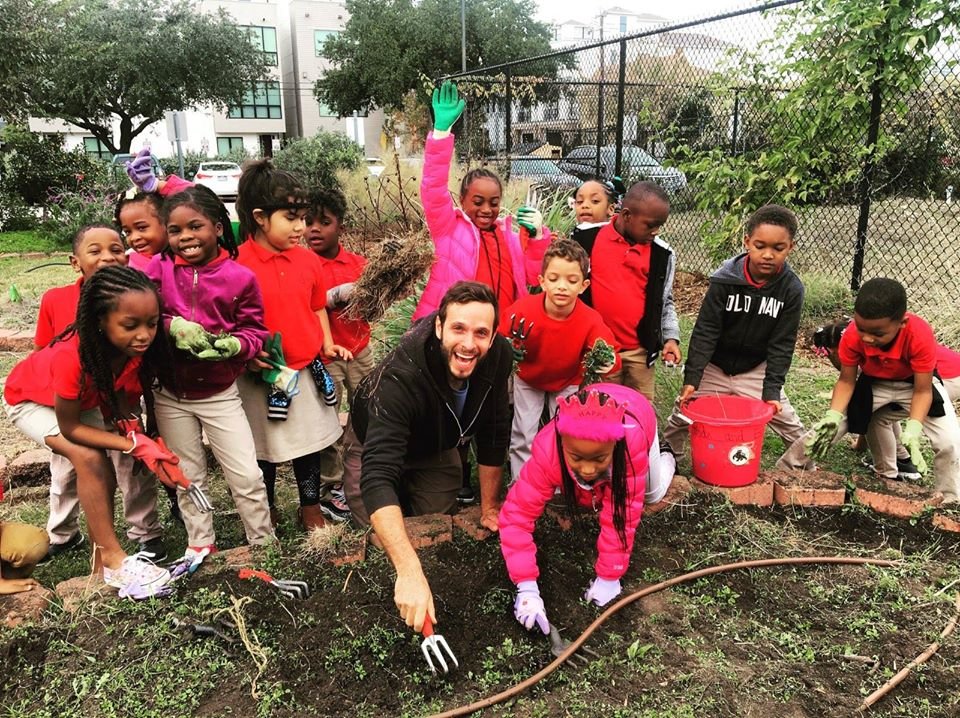
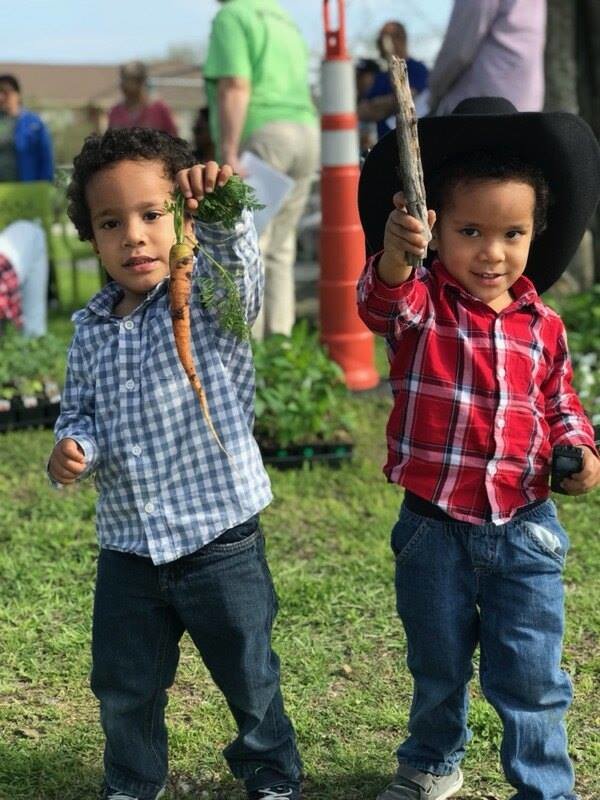
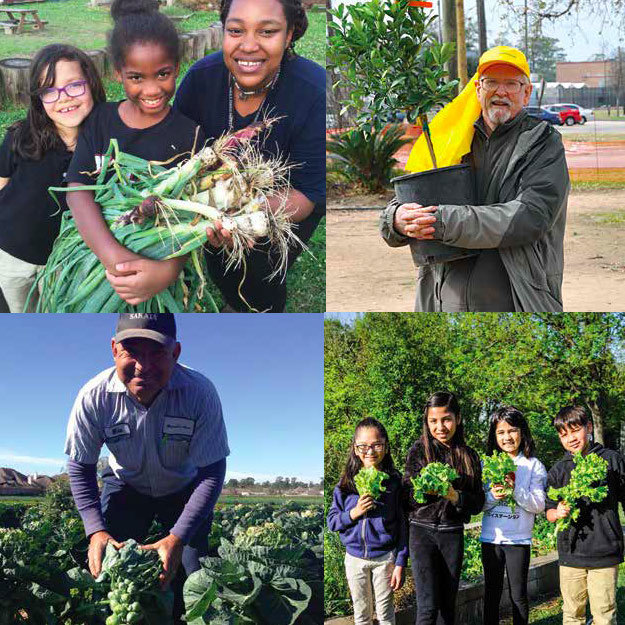
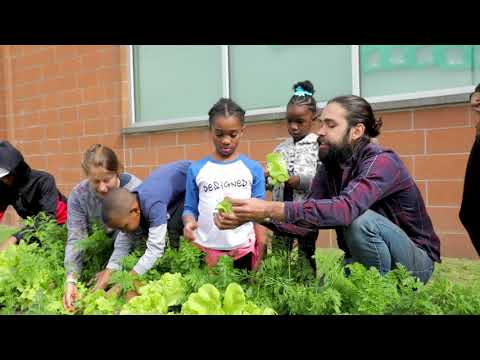
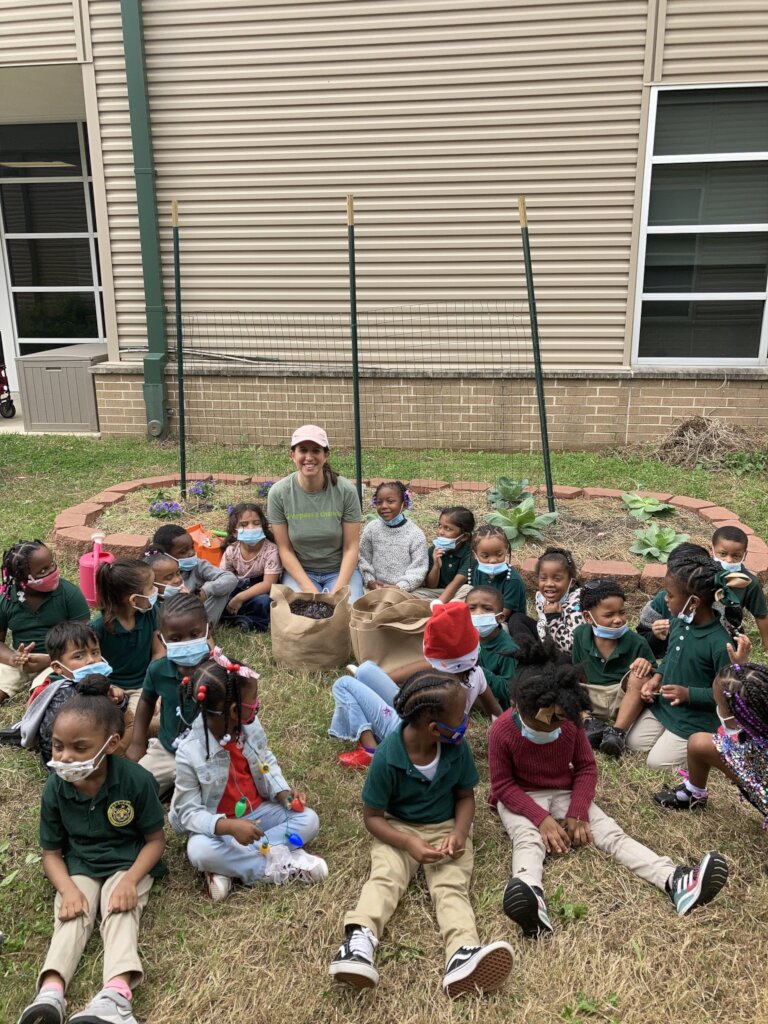
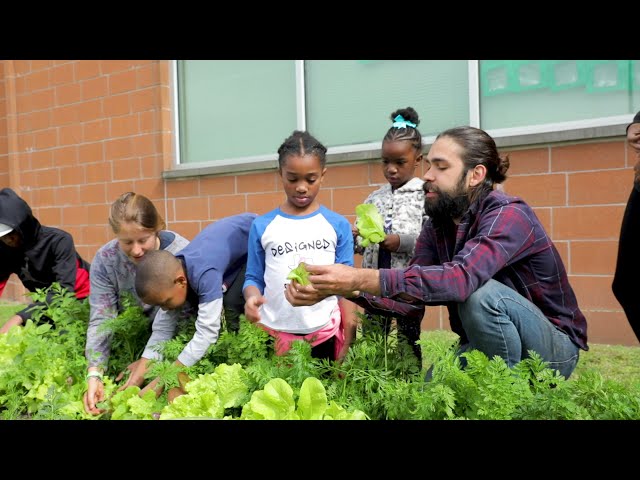
Since 2003, our Youth Education Program adopts a project-based learning (PBL) approach to teach children hands-on lessons in school gardensto enhance classroom learning andpromoteyouth health. In 2019, the Education Program reached 9,500 students andin 2020,Urban Harvest’staught 9,382 students in 19 partner sites, 82% of which are located at Title 1 schools.These students engaged in over 7,728 hours of outdoor activity in a safe, local greenspace– deepening students’ knowledge of where food comes from and how it can be used. To support the sustainability of our Youth Education Program and build capacity within our network of 76 affiliated school gardens, in 2016 Urban Harvest launched the Edible Academy. Today, the Edible Academy has increased the impact of Urban Harvest’s Youth Education Program, becoming an established "train the trainer,” multi-day workshop designed for school teachers to connect with each other and explorelessons in gardening and culinary arts that support TEKS objectives, and other techniques and curriculum for using their school gardenas anOutdoor Classroom. In 2020, the Edible Academy reached 20 educators who went on to teach an additional 7,959 students and 172 teachers the benefits of gardening and healthy lifestyle behaviors. In 2021, we reached 17 educators who will go on to teach an additional 2,489 students and 273 teachers. Testimonials collected through our Edible Academy Survey also support the impact of our work with teachers: As one teacher shared with us, “She gained much excitement to begin a classroom garden. And then to learn more about incorporating permaculture and insect awareness! This training was amazing! She looks forward to becoming a member and continuing the relationship with Urban Harvest through my school and branching out to use this knowledge to volunteer elsewhere.”
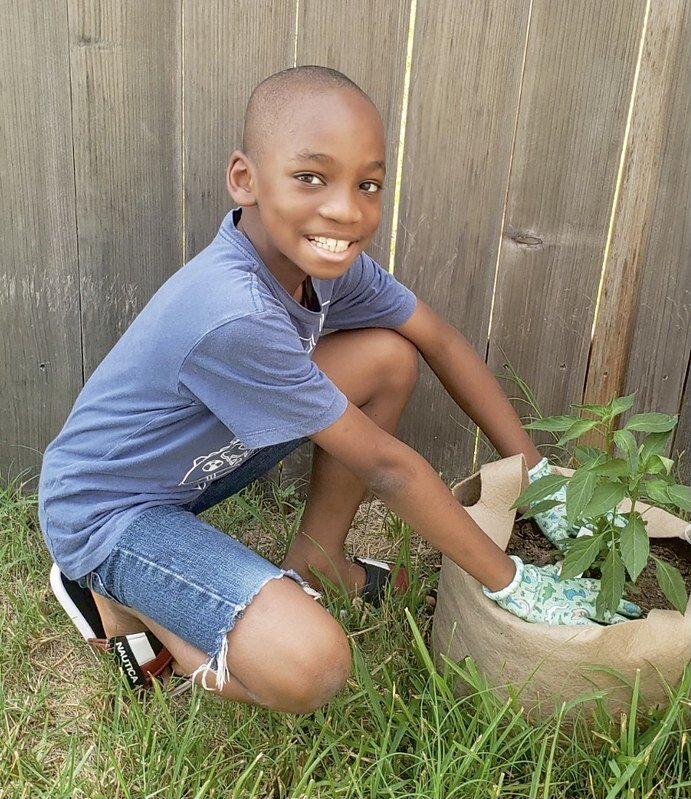
In response to the COVID-19 pandemic, in 2020 Urban Harvest also launched the “Grow Kits” pilot Summer Enrichment Program– a hybrid model to deliver organic and nutrition education (in Spanish and English), along with resources such as transplants, seeds, and soil for students to engage in organic gardening along with low-cost and healthy recipes, virtual cooking-demos, and more. Our Grow Kits summer pilot wasco-implementedwith 7 schools and community partners. With a successful pilot in place, and based on positive feedback from our school partners, in October 2020, Urban Harvest delivered Grow Kits to 1,500 families, through a network of 29 partner organizations, most of these schools serving economically disadvantaged students.in 2021Urban Harvest extended the opportunity to receive Grow Kits and “reboot kits” to our existing school partners and new schools interested in this program. In total, our Grow Kits program served 14 Title 1 schools and distributed 690Grow Kitsthat enhanced classroom education and engaged students and their families in Urban Harvest programming.
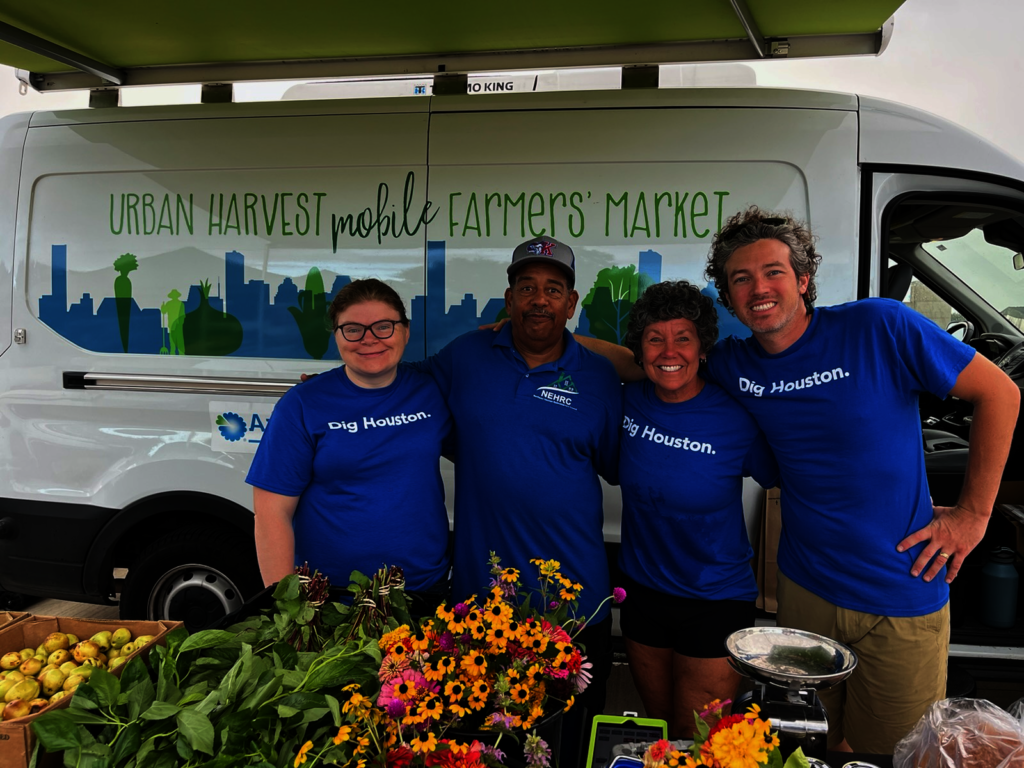
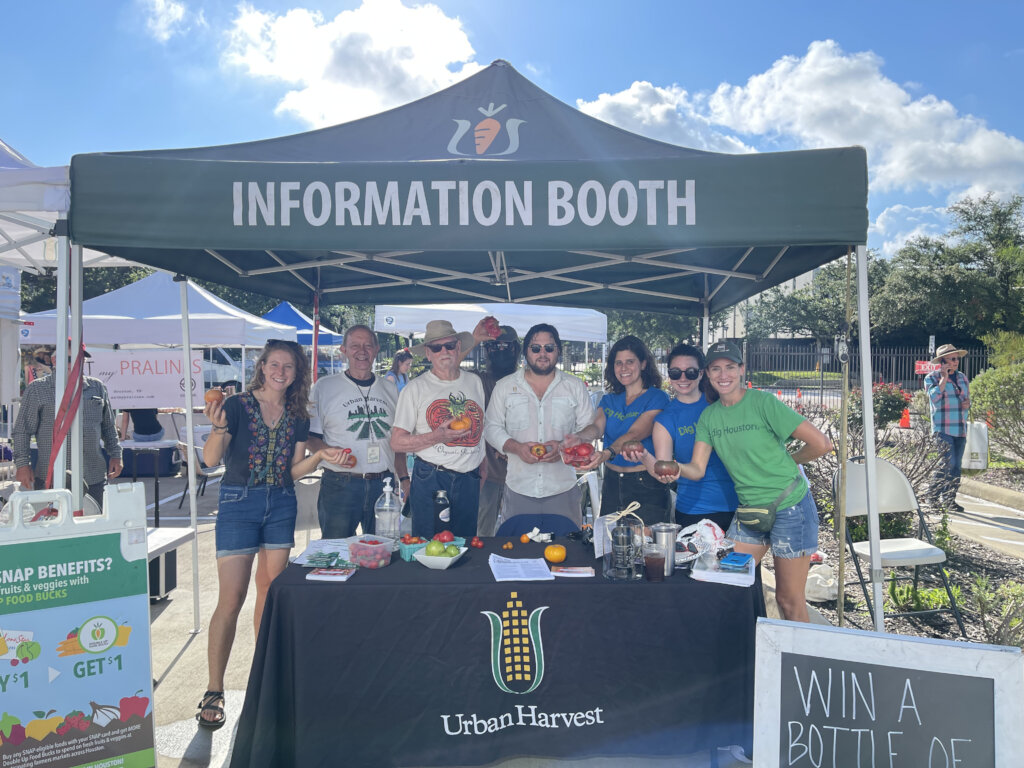
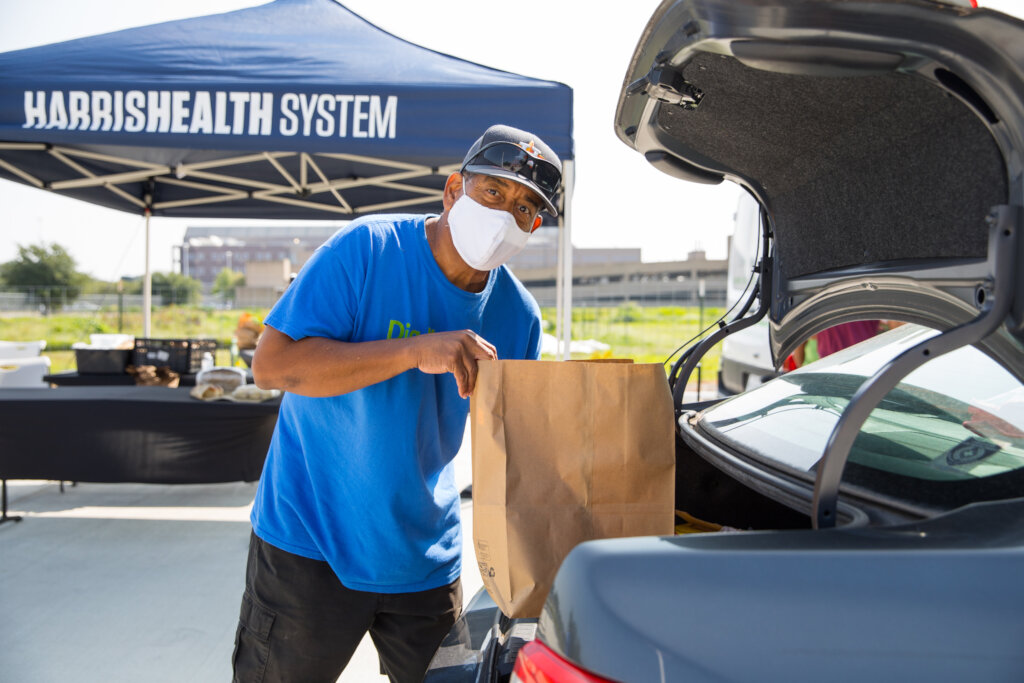
In 2019, Urban Harvest launched Double Up Houston, a SNAP incentive program to open safe, equitable pathways for low-income and food-insecure individuals and families to access healthy food, while also providing income support to local farms and small businesses. In light of Covid-19, Urban Harvest also increased the SNAP match for Double Up Houston from $20 to $40 per day, on produce at sixteen farmers markets and farm stands. Finally, expanding on Urban Harvest’s food access strategy, in 2020 Urban Harvest launched its first Mobile Market to offer consistent and reliable food options that are accessible, and adequate – culturally, nutritionally, and economically– along with Double Up programming directly at locations that are frequented by food-insecure communities. Today, Urban Harvest's Mobile Market operates at eight locations including New Hope Housing, BakerRipley in East Aldine; and the Northeast Community Farmers Market in Northeast Houston; El Centro de Corazon and Plaza Santa Clara in East End; and Trinity United Methodist Church and Project Row Houses in the Third Ward community. At each site, Urban Harvest includes community leaders and representatives in decision-making to ensure the cultural competency of our programming. In addition to fresh and locally-sourced healthy foods, this “market on wheels” also engages shoppers with their nearby farmers market or farm stands operating Double Up, further supporting our local economy and food enterprises in low-income, low-access neighborhoods. Today, our first Mobile Market operates at full capacity and has created valuable evidence around the benefits of this collaborative, holistic, and adaptable intervention to increase healthy food choices in historically underserved communities.
With your support, in 2021 Urban Harvest continued to build culturally-appropriate pathways for underserved individuals families to choose nutritious foods, engage in outdoor, edible greenspace, connect to resources within their community. We appreciate your trust during these unprecedented times. With your support, Urban Harvest will continue to fulfill its mission of cultivating thriving communities through gardening and access to healthy, local food.
Sincerely,
Project reports on GlobalGiving are posted directly to globalgiving.org by Project Leaders as they are completed, generally every 3-4 months. To protect the integrity of these documents, GlobalGiving does not alter them; therefore you may find some language or formatting issues.
If you donate to this project or have donated to this project, you can receive an email when this project posts a report. You can also subscribe for reports without donating.