By Gabe Buttram | Project Leader
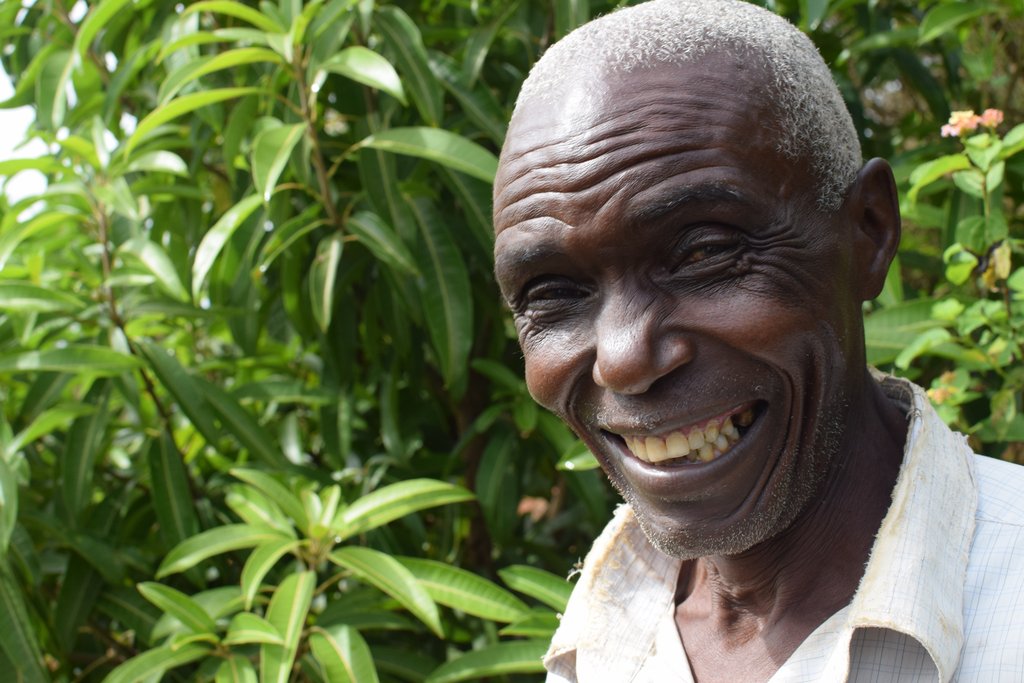
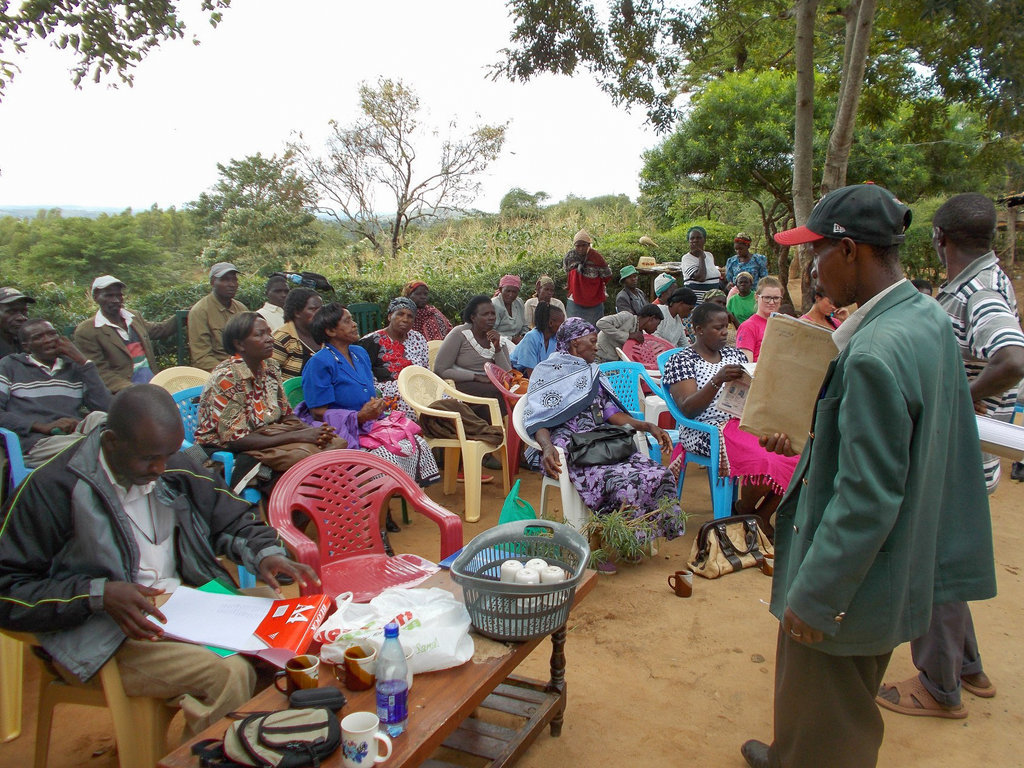
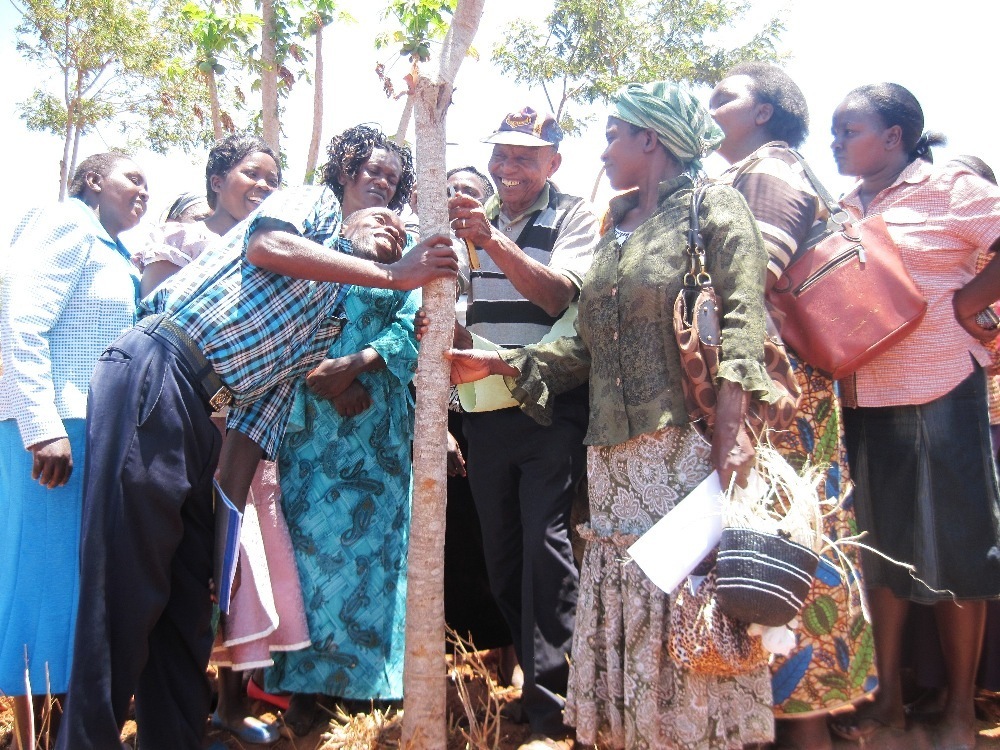
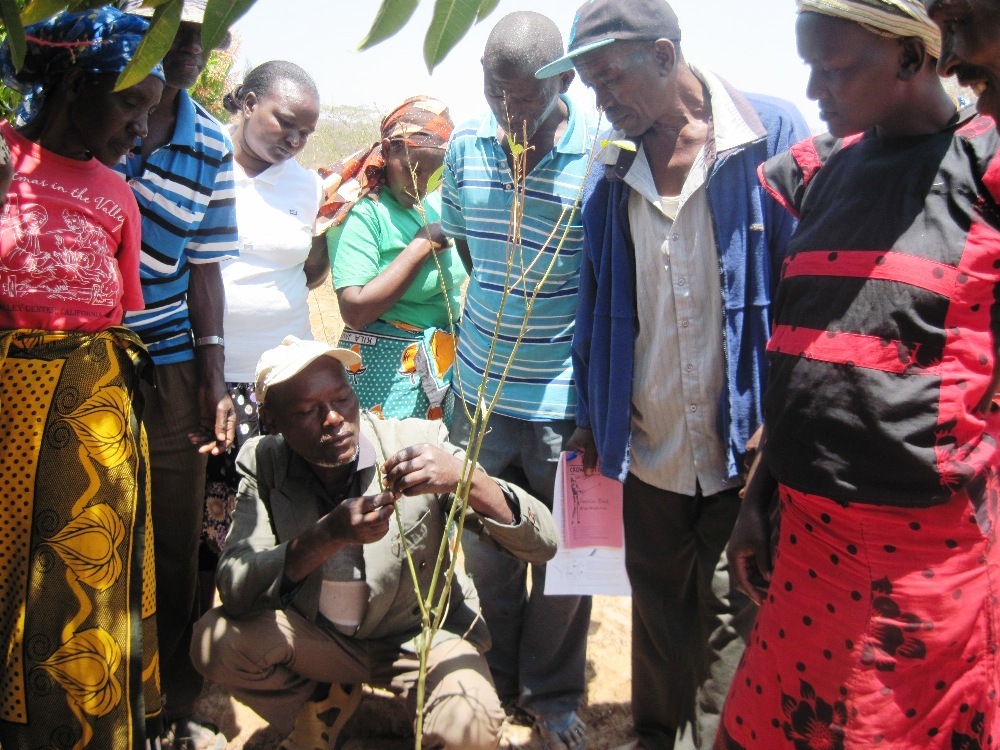
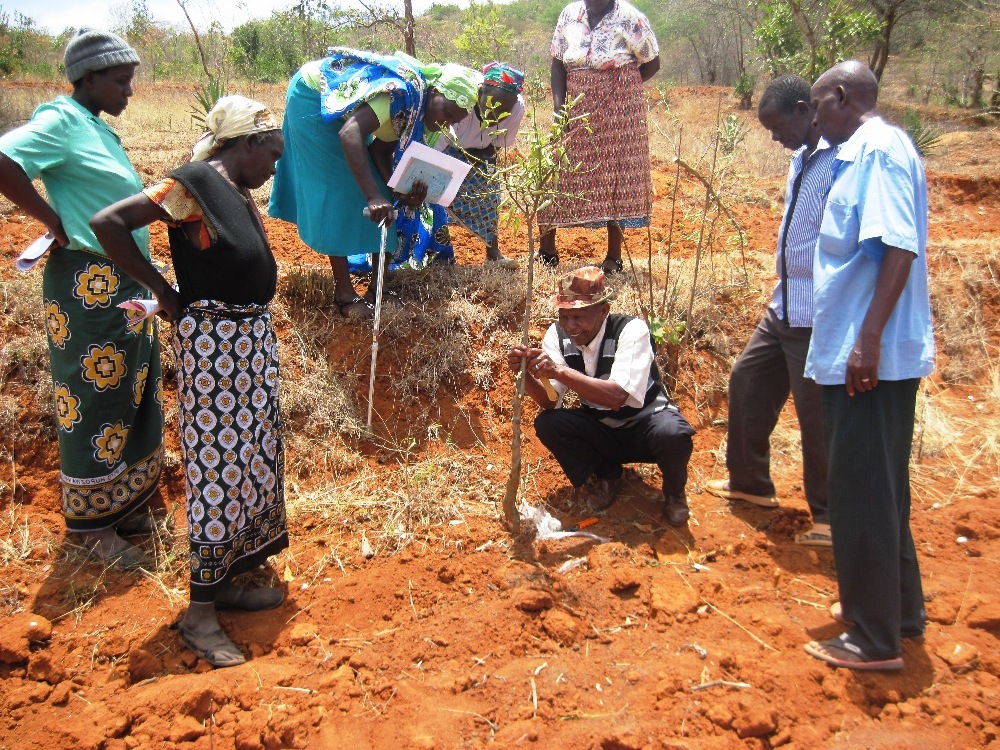
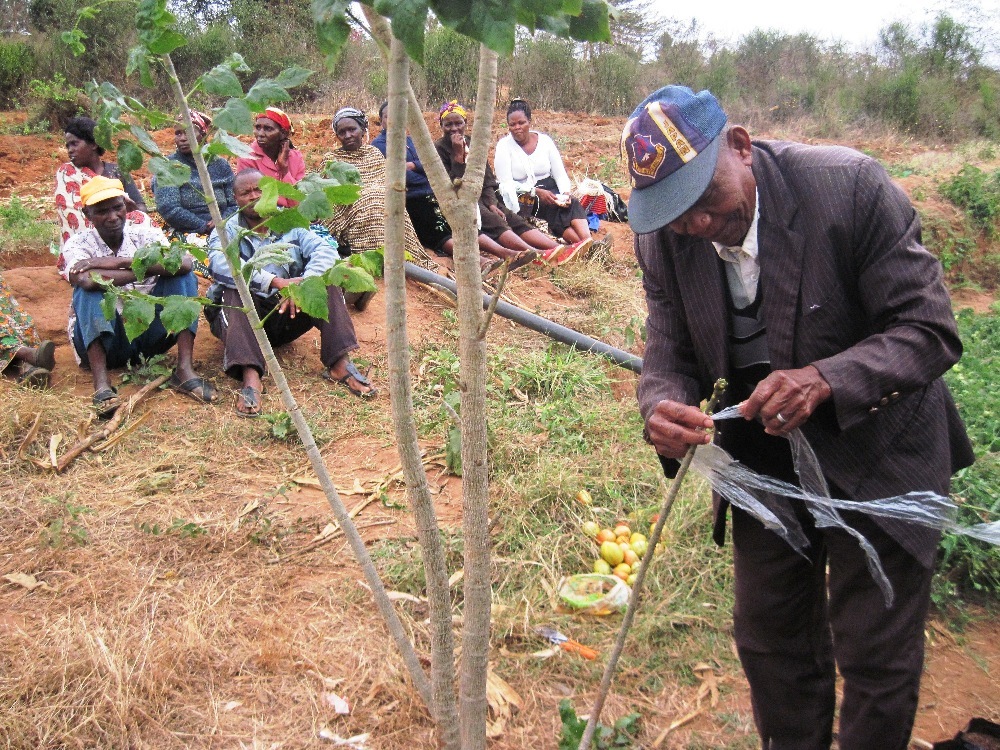
In August and September of this year, all of the Tawa Farmer Groups in our program were given intensive training on fruit tree grafting by one of our lead farmers, Mr. Peter Kitua Nyunyi. Peter is a graduate of the Farmers Training College in Katumani-Machakos, and he has over 30 years of experience in grafting and fruit tree management.
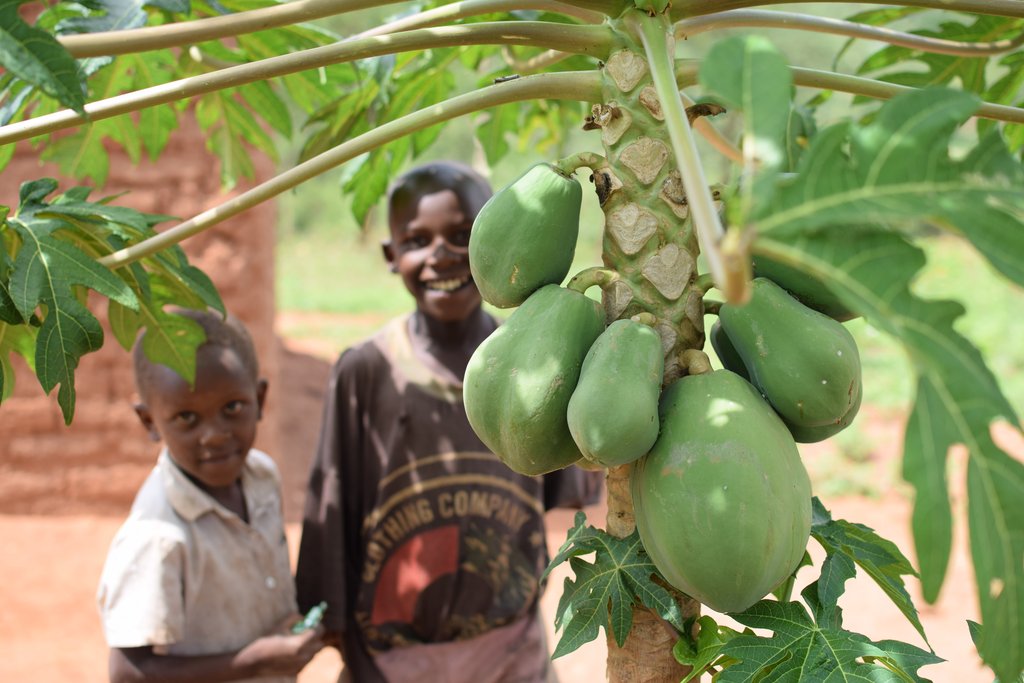
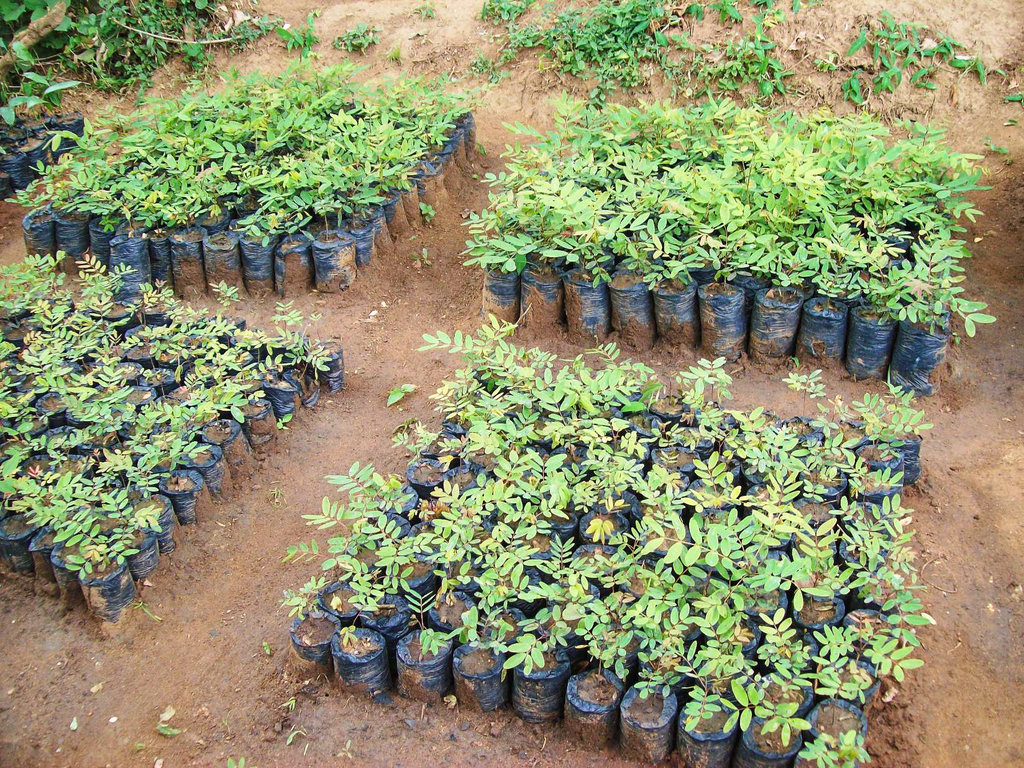
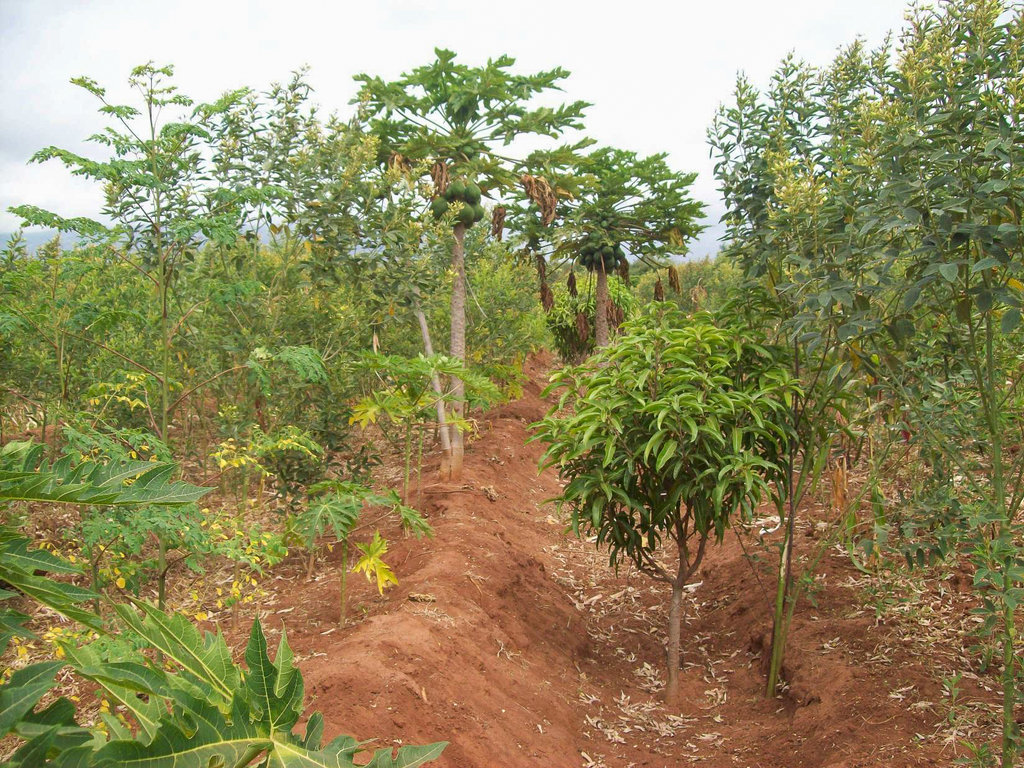
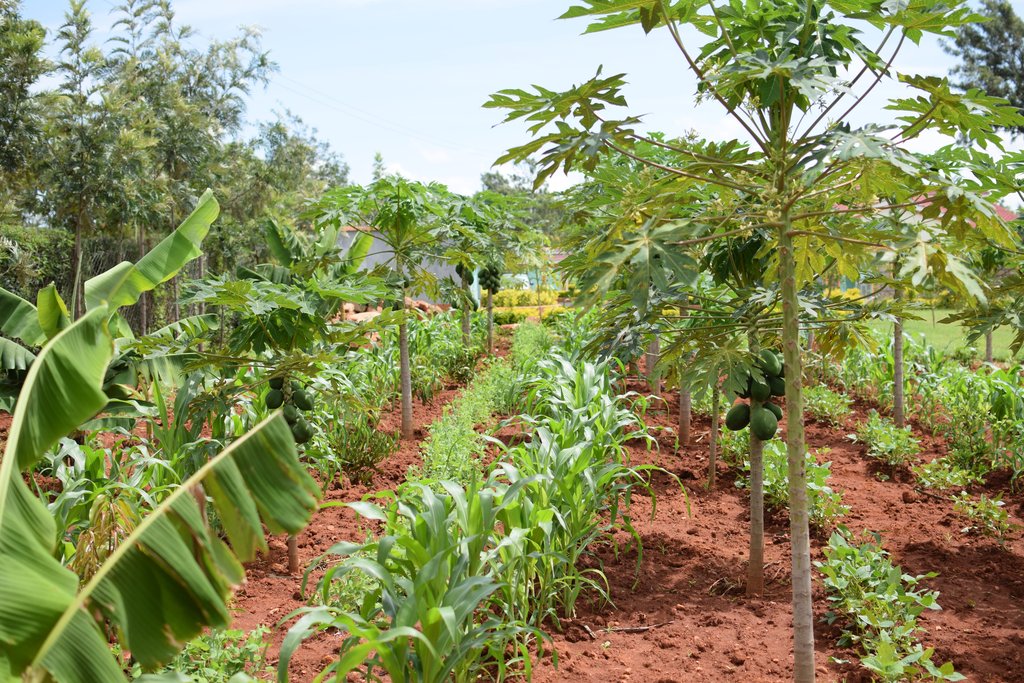
Approximately 1,200 mango seedlings and 1,000 avocado seedlings were successfully grafted! With those, each participating farmer will have five mangoes and four avocados to plant in their Forest Gardens at the onset of the short rains in April 2016. The grafted seedlings must stay in the nursery to be protected, but can be planted when the rainy season starts in April. Once out-planted into a Forest Garden, these grafted fruit seedlings will grow quickly and begin to bear fruit in aproximately one to two years. In the first few years, the mango and avocado trees will produce 10-20 high-quality fruits per tree, with yields increasing exponentially over the years as the trees mature. Currently, farmers are also surrounding their Forest Garden vegetable plots with papaya and banana, which do not require grafting and will begin producing fruit in less than a year.
A fruit juice factory in Makweni County, where we find the Tawa community, is set to open in early 2016. The factory will process citrus, mangoes, avocados, bananas, papaya, and other fruits. Fruit farmers in Kenya are able to register with the factory to supply their produce to the factory, and produce collection centers will be set up near Tawa so that our farmers will be able to easily transport their produce to them. The advantage of the factory- in addition to a steady, local, and easily accessible market- is that they plan to offer fruit farmers in the country a set minimum price per piece of fruit. This is a big deal for our farmers, who are not yet accustomed to a steady and reliable paycheck. The juicers will likely offer farmers a higher price than what they would receive from other markets. This discourages produce brokers from taking advantage of smallholder farmers, and fruit farmers can look to these more consistent local markets for higher income.
Links:
Project reports on GlobalGiving are posted directly to globalgiving.org by Project Leaders as they are completed, generally every 3-4 months. To protect the integrity of these documents, GlobalGiving does not alter them; therefore you may find some language or formatting issues.
If you donate to this project or have donated to this project, you can receive an email when this project posts a report. You can also subscribe for reports without donating.