![Preparations for planting season at sites.]()
Preparations for planting season at sites.
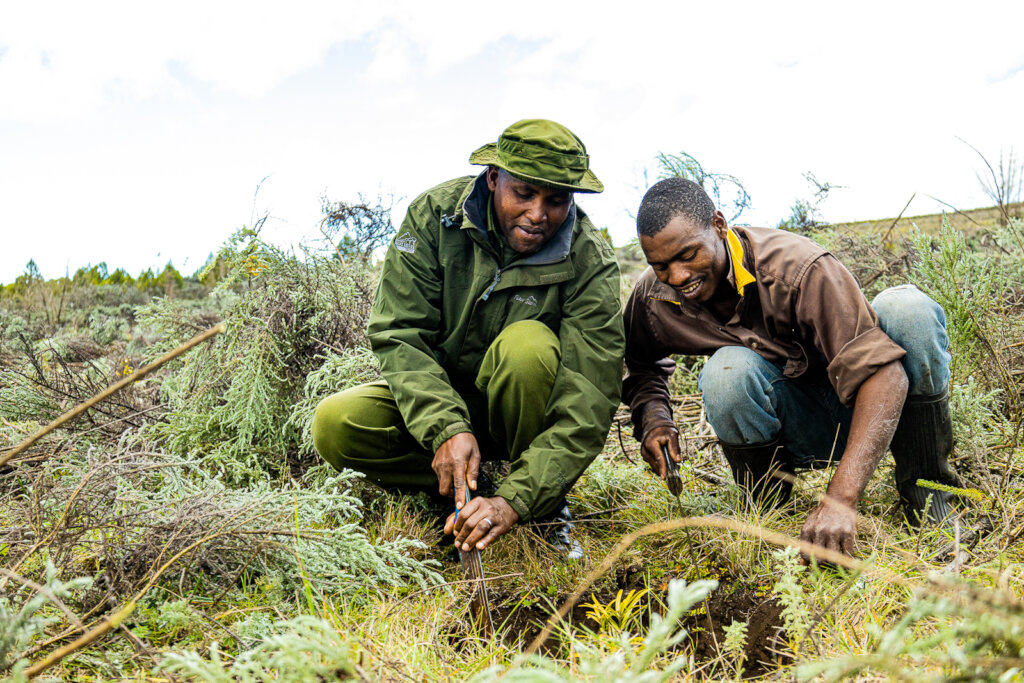
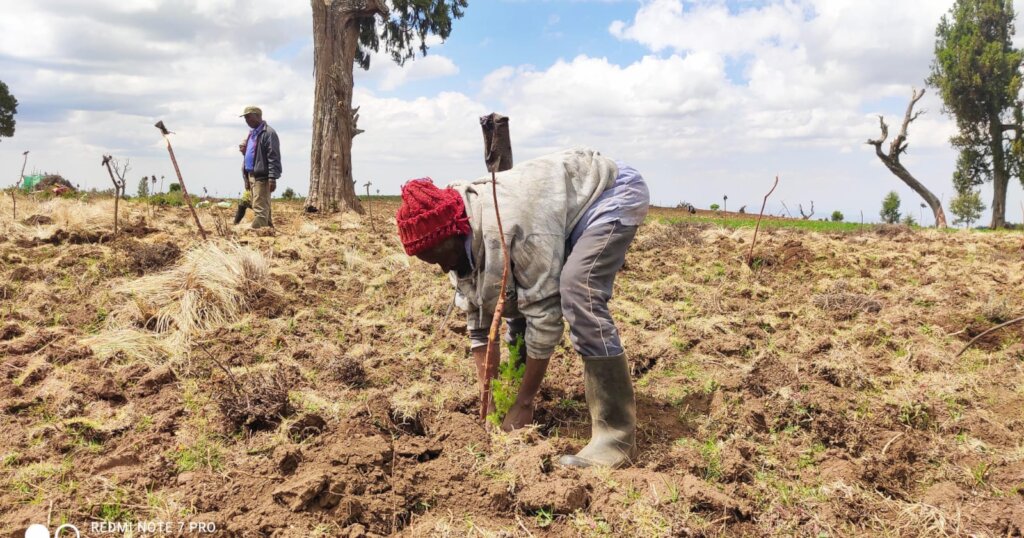
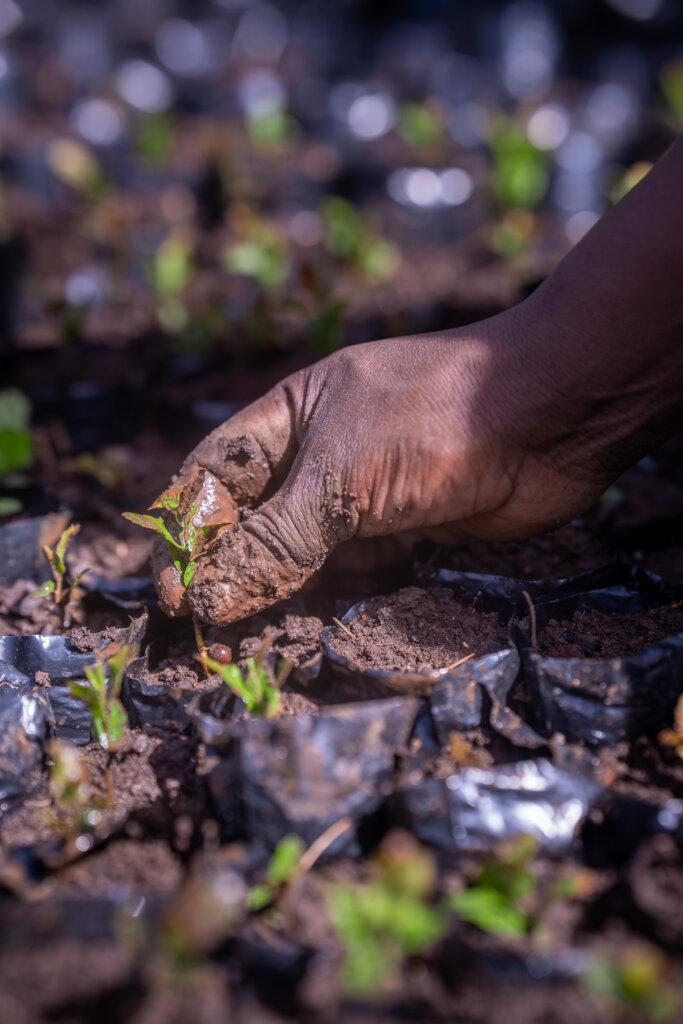
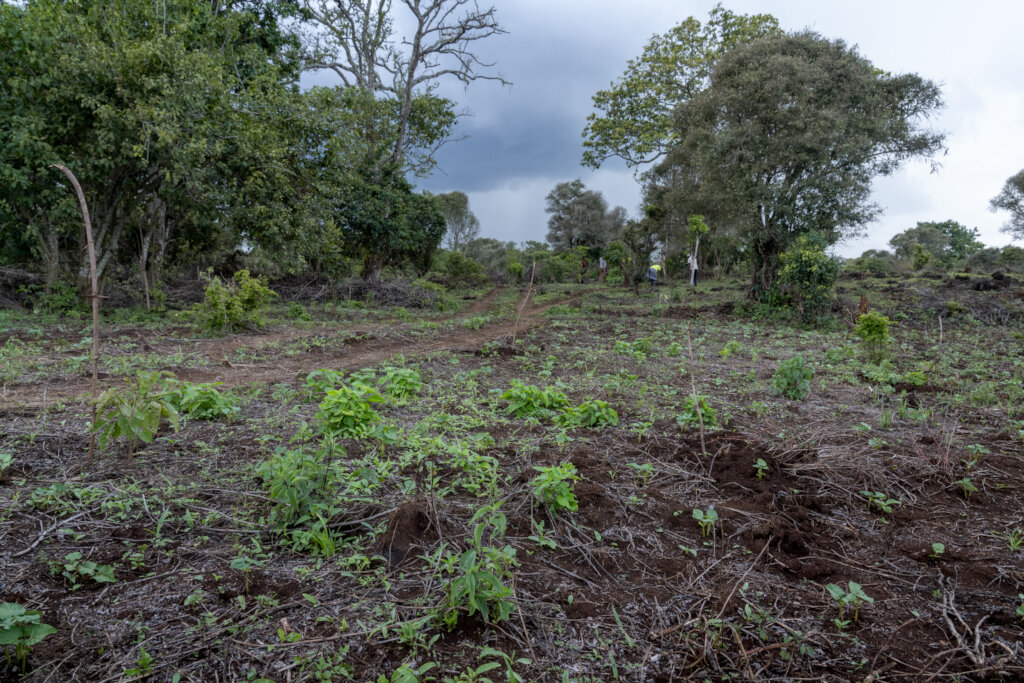
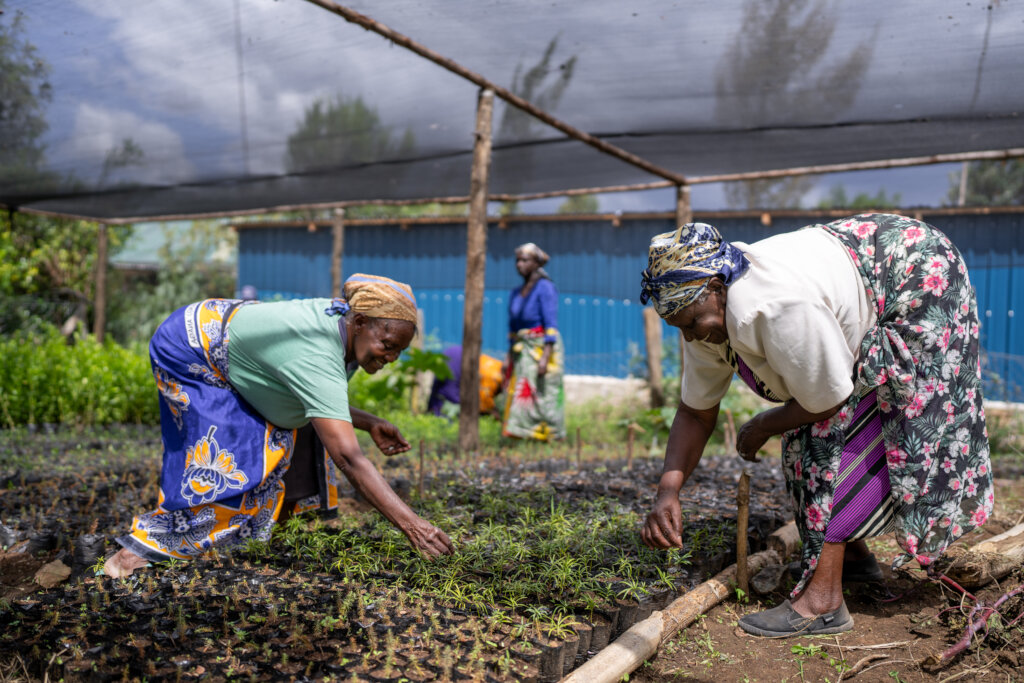
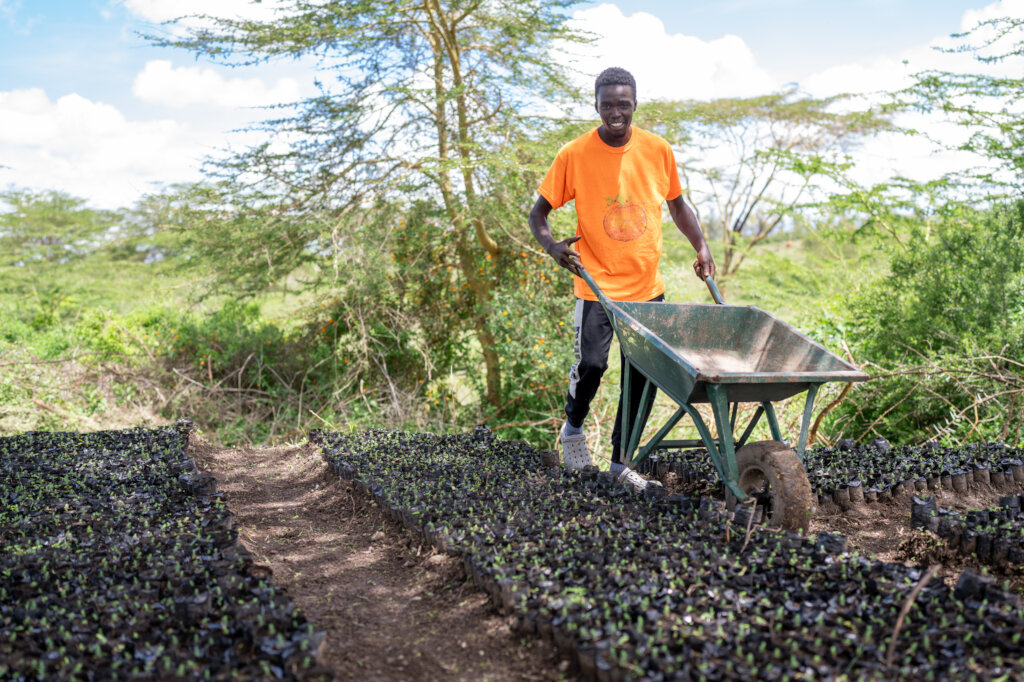
The March-June season marks the long rains in Kenya—a crucial window for tree planting. While climate change has made weather patterns more unpredictable, this year we were fortunate to receive the rains right on time, and they were not too extreme to cause havoc like the previous year. Most farmers in the region engage in farming as a means of livelihood. As they prepare their land for cultivation, Mount Kenya Trust mobilised for the first tree planting season of the year, aiming to restore degraded forests and source thousands of indigenous seedlings from nearby community-run nurseries. These community nurseries are essential for MKT restoration efforts, providing healthy seedlings suitable for our sites, and we channel restoration funds back to the community from these purchases.
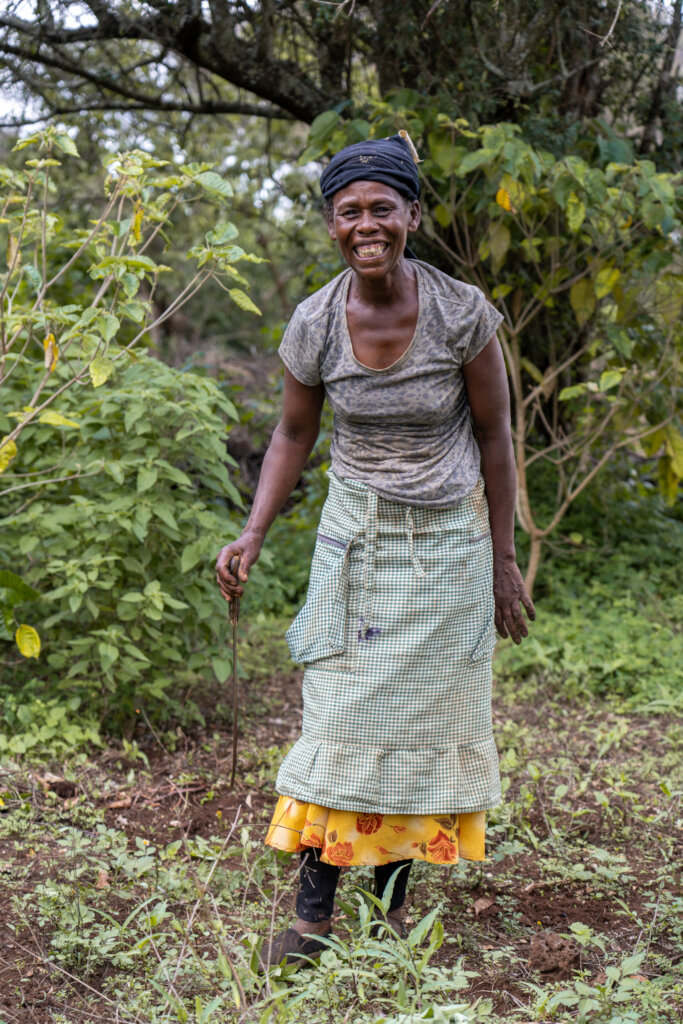
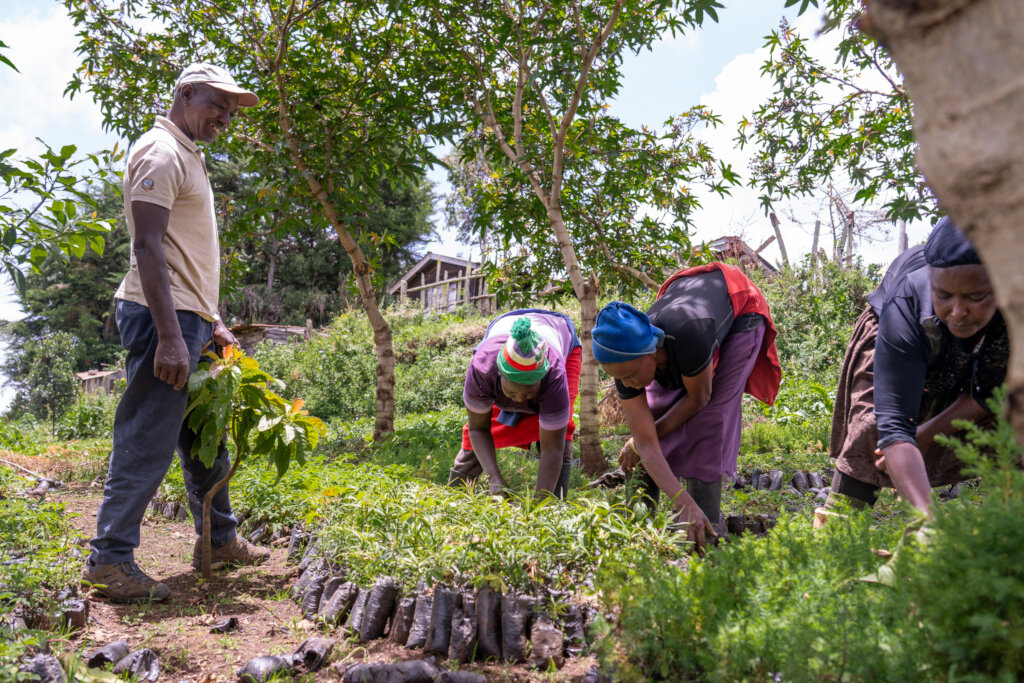
Among the tree nurseries we bought from was the Mwireri 3 Group. Composed of remarkable women, they have provided us with seedlings for restoration over the years. Despite their age, the group is very proactive and manages to produce thousands of tree seedlings for sale each year. Their treasurer, Susan, expresses great joy as she highlights that the group's money enables them to participate in table banking to grow their investments. These funds provide for their families' livelihoods and improve their overall well-being at home. The group members can send their children and grandchildren to school for the new term. They have enhanced their quality of life by installing water harvesting systems, using energy-saving jikos, and gaining access to healthcare from the enterprise.
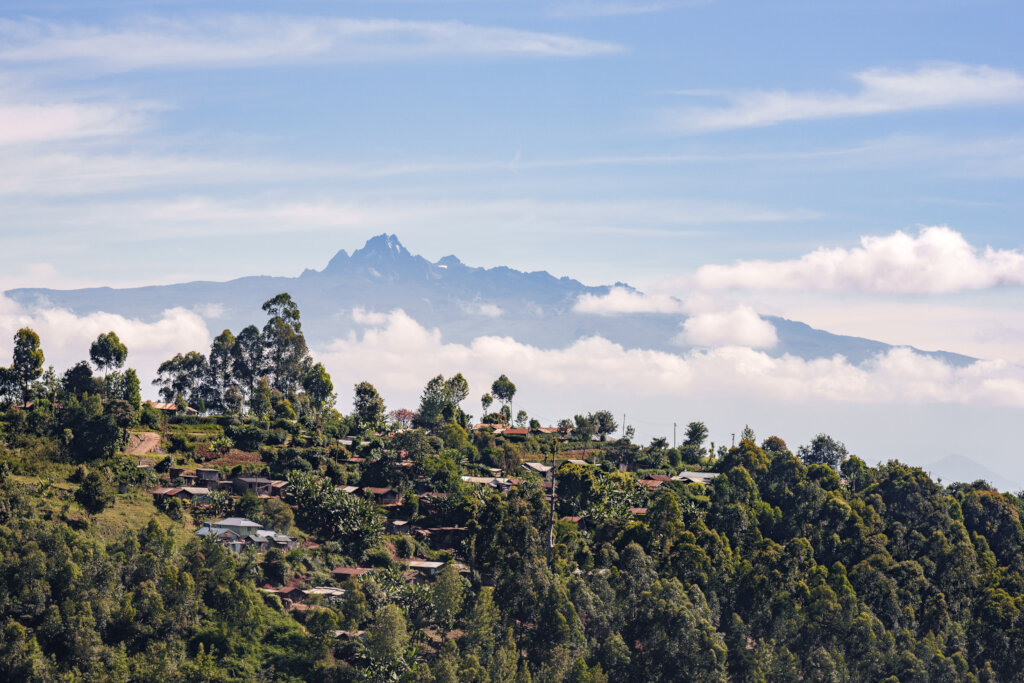
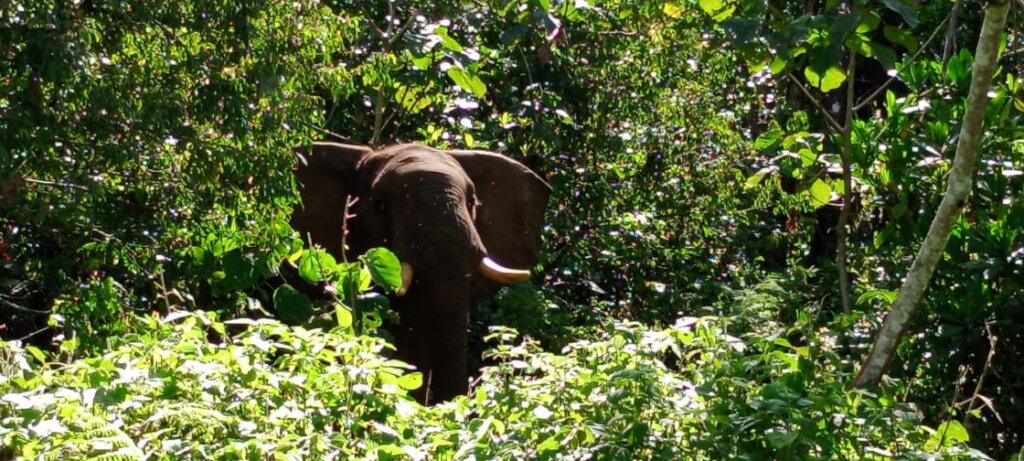
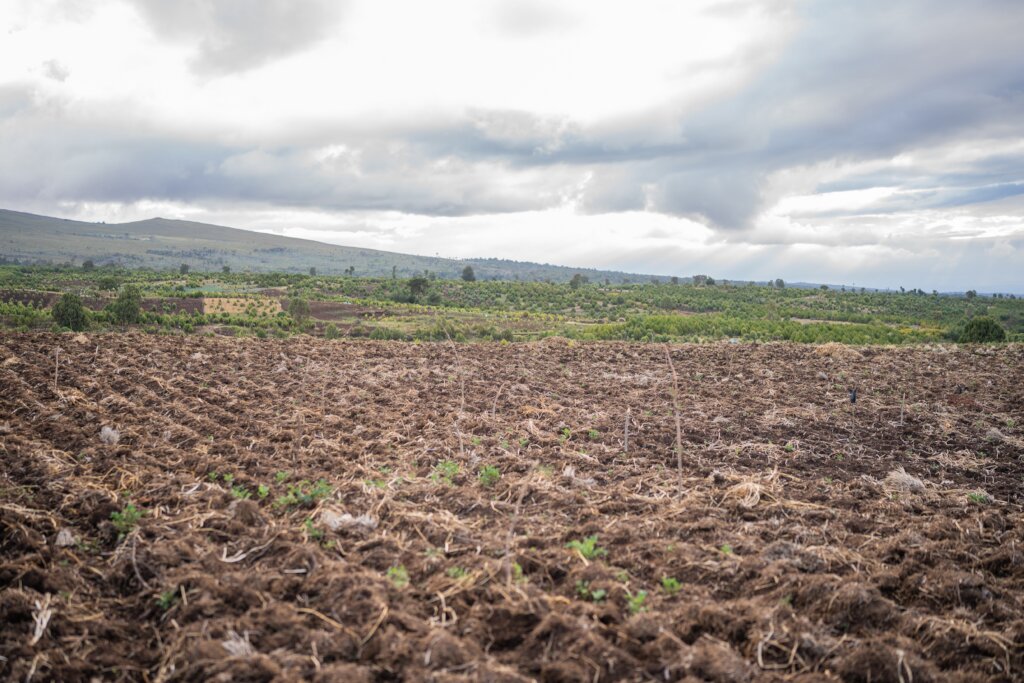
Mount Kenya Trust restoration initiatives support livelihoods and reforestation, boost biodiversity, enhance ecosystem health, and combat climate change through increased carbon sequestration. This season, we successfully planted 31,750 seedlings through the Tree Establishment Livelihood Improvement Scheme (TELIS) in degraded areas, contributing to restoring the Mt. Kenya ecosystem. Farmers like Nicholas living near the Mt. Kenya Forest can utilise forest resources through Community Forest User Rights, such as TELIS, by being members of Community Forest Associations (CFA).
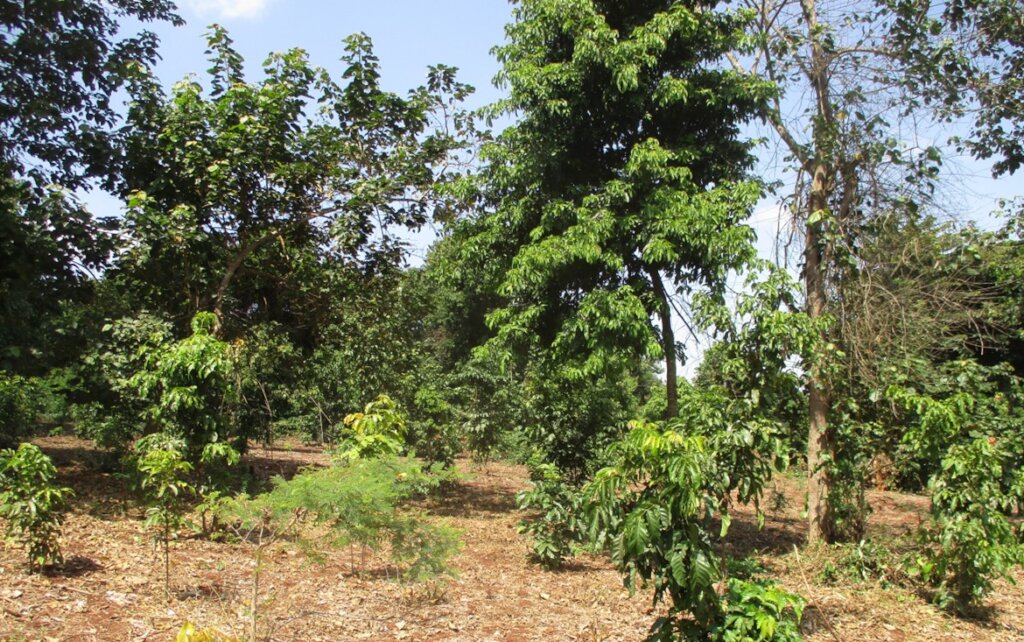
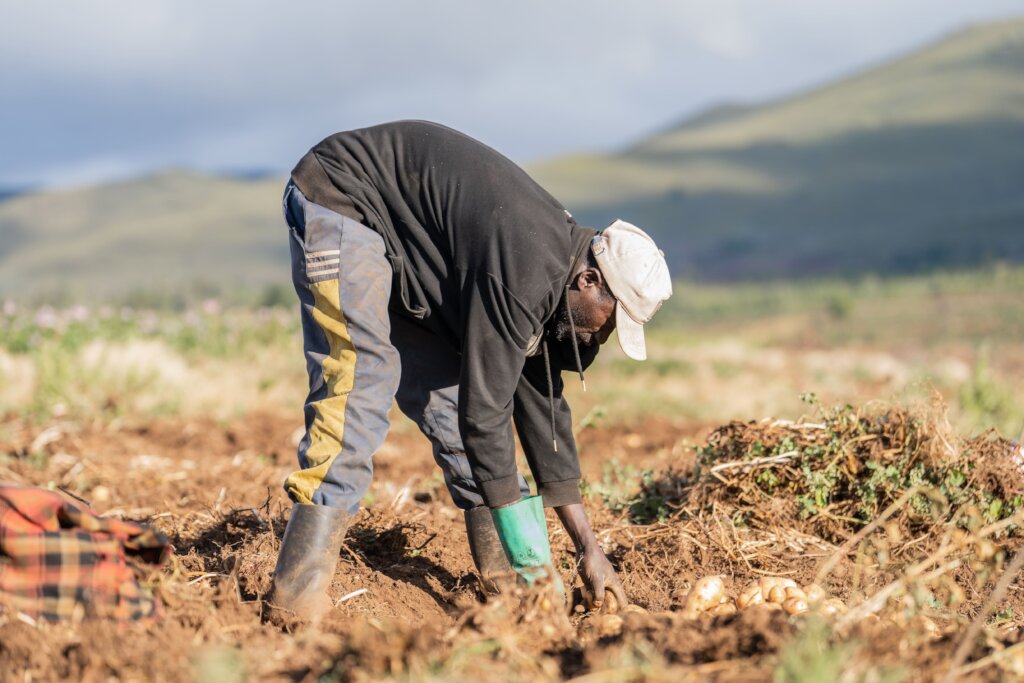
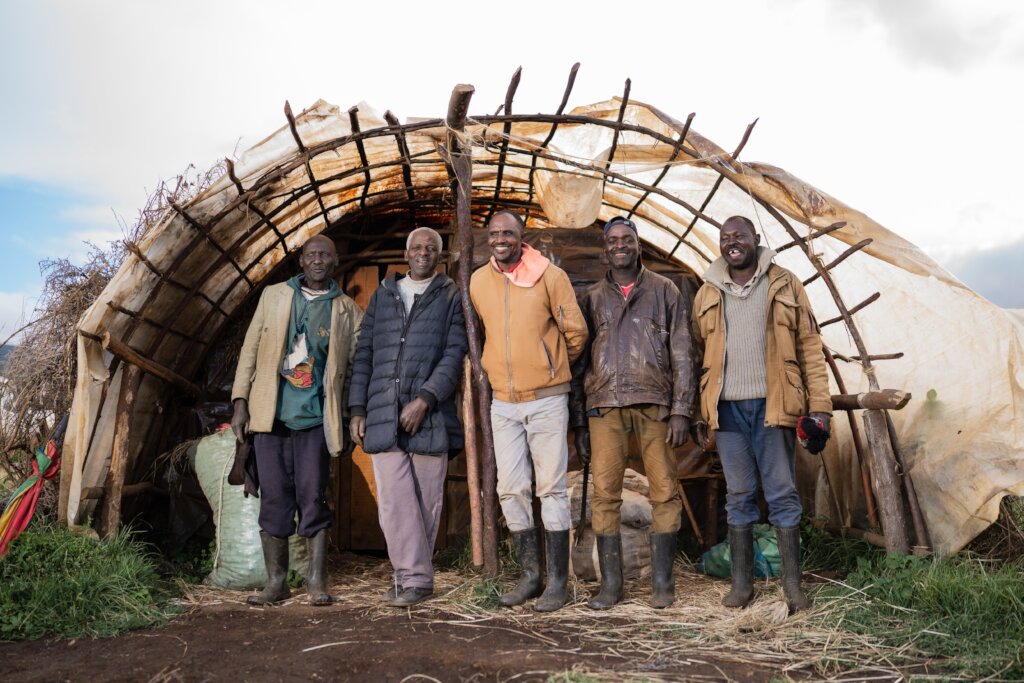
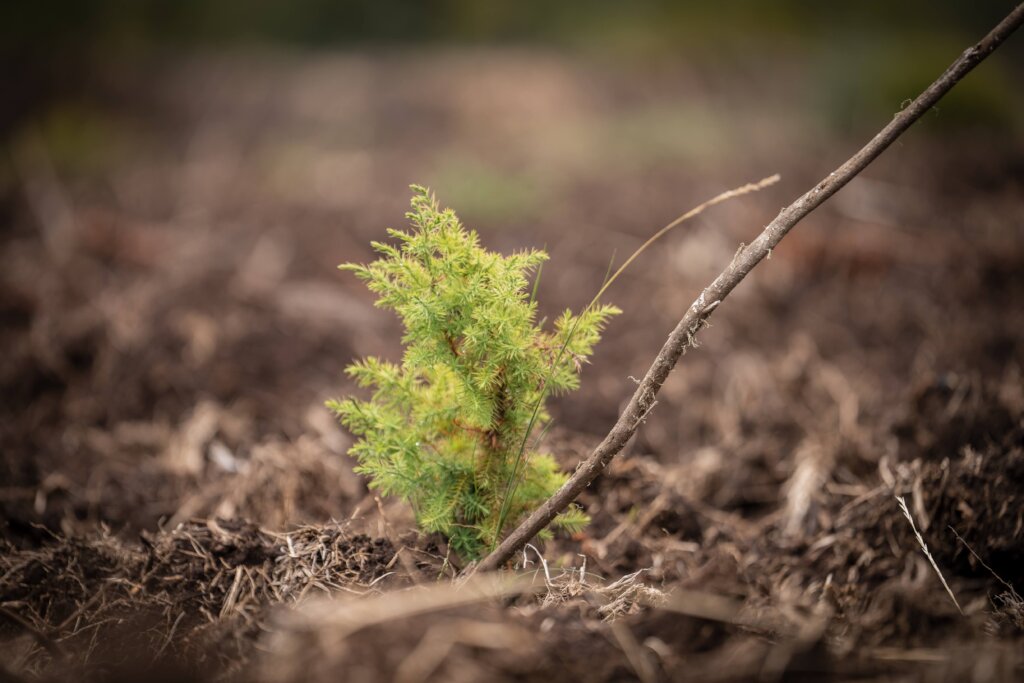
The members are assigned specific plots in degraded areas for cultivation, where they implement agroforestry as an effective strategy for restoring degraded areas of the forest. The farmers plant perennial and annual crops, mainly potatoes, peas, and beans, which are interspersed with indigenous tree seedlings that MKT provides them, such as Podo, Haagenia and Red Cedar, among other endemic tree species to the area. This creates a sustainable balance between food production and a unique forest restoration model that promotes ownership as farmers regularly weed, enrich the soil, and shield saplings from wildlife. Farmers use the plots to produce their crop for around 3-8 years until the trees mature enough to form a closed canopy, ensuring maximum productivity in the short term and ecological gains in the long term. Nicholas testifies that from TELIS, he produces 30 – 40 bags of potatoes, each to sell for KES 3,000 from his allocated ¼ acre plot per season.
He shared his insights on the project’s impact, emphasising its economic benefits for local families. He noted that with steady income from sustainable farming, families rely less on the forest for survival. He highlighted observing increased biodiversity at the restoration site, especially bird life, which has positively altered the community’s relationship with the environment. He explained that the restoration activities improved food security and overall quality of life. Many families can now afford essential needs like school fees and healthcare thanks to better income. Combined contributions of the CFA members have also been used to develop roads, enabling better access to markets and ensuring that they can transport their produce on time. He also noted that financial stability allows families to invest in small businesses, such as starting bodaboda ventures, paving the way for a brighter future in their community.
Evidently, the impacts of MKT's restoration efforts are vital for the environment and local communities, promoting a more sustainable future. Your support goes beyond forest growth and restoration of the UNESCO World Heritage Site; it fosters socio-economic development and resilience among communities in the Mount Kenya Ecosystem.
While your contributions have made a significant difference, we can still accomplish much more together. By donating to our GlobalGiving campaign, Grow Forests, Grow Communities, you help protect critical habitats, empower rural communities, and ensure a brighter future for Mount Kenya. Every donation, regardless of size, brings us closer to our goal of sustainability and resilience. Join us in this vital mission—give today and be a part of the change.
![CFA members next to their produce storage]()
CFA members next to their produce storage
![Inspecting Seedlings for purchase from community .]()
Inspecting Seedlings for purchase from community .
![Restoring Degraded Mt. Kenya Forests]()
Restoring Degraded Mt. Kenya Forests
![Trees, Income, and a Future for Mt Kenya Community]()
Trees, Income, and a Future for Mt Kenya Community
Links:
![Share on Twitter]()
![Share on Facebook]()