By Mary Ellen Copeland | President, Green Mountain Conservancy
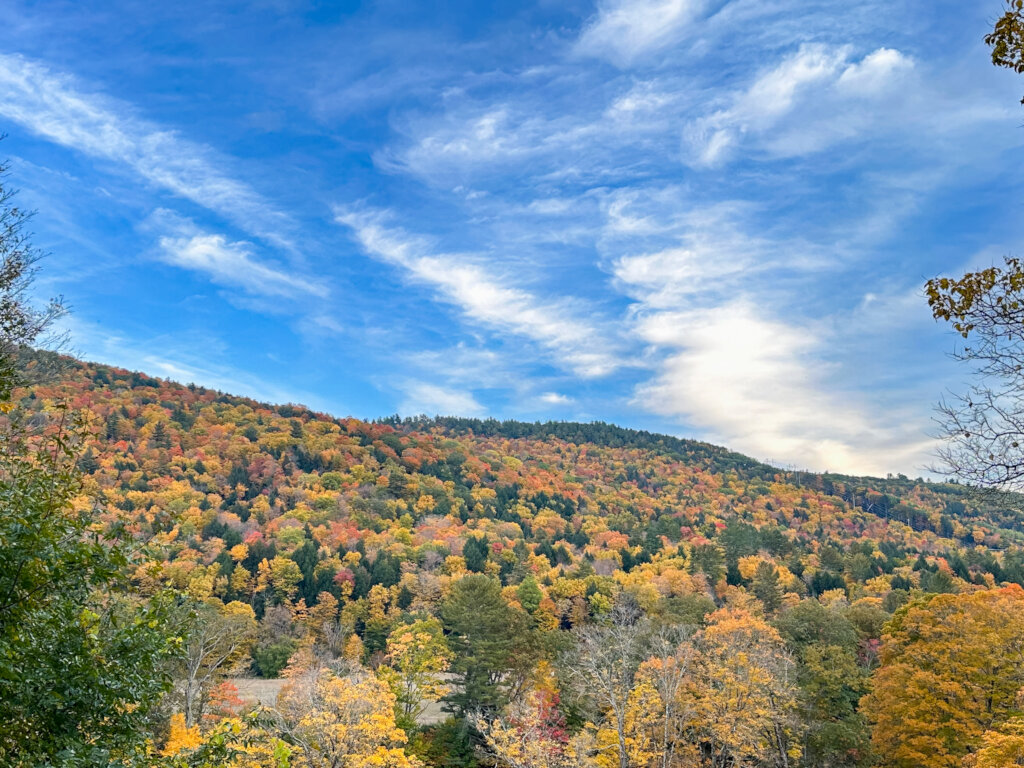
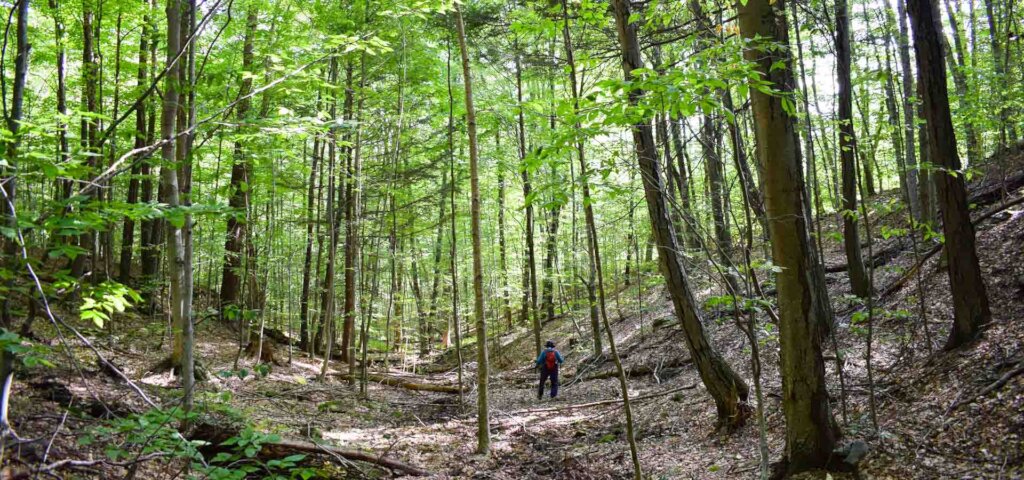
President Biden has made a commitment to conserving 30% of all land in the United States by 2030 and 50% by 2050. Our Vermont governor supports this commitment. This goal is absolutely essential to ameliorating the effects of climate change, to preserving the amazing biodiversity of our great country and planet, and so that all kinds of life continue to thrive. We all see and experience the effects of climate change every day. We are all too aware of the increasing temperatures, more and more intense storms and wildfires that cause pollution around the globe, threatening life on our planet. Forest land, left to grow old and become old growth forest, sequesters more and more carbon as it ages, reducing the effects of climate change and protecting the ability of all species to move across the landscape as needed to find food and protection.
The Green Mountain Conservancy is working to help meet this conservation goal by purchasing key properties when they become available, and accepting donations of property that require easements to provide them permanent protection, all of which require stewardship over time. This is costly work, and it is supported by our GMC Land Conservation Fund.
Specifically, GMC identifies large blocks of forested land that are available for purchase, and then works to conserve them by acquiring them and placing easements on them that will protect them from development and destruction in perpetuity. GMC also accepts donations of forested land, working with lawyers to protect them forever with deed restrictions or easements, whichever is appropriate to the circumstance.
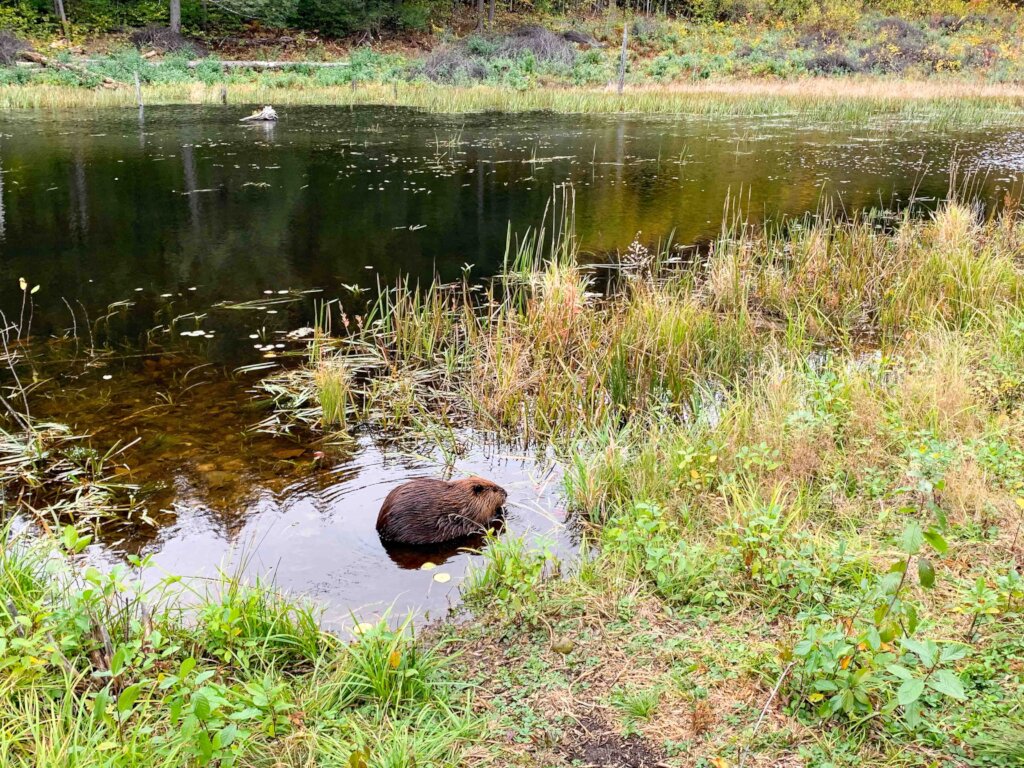
Currently the Conservancy is working with several different landowners on projects including a major land donation that includes ancient white oak trees, trees that existed at the time of the American Revolution and another that is key bobcat and bear habitat; a possible acquisition that has incredible wetlands that support a multitude of beavers, moose and other wildlife, and one that has unusual shagbark hickory trees that provide nesting sites for the northern long-eared bat and a very rare botanical specimen, the three-birds orchid. All of these lands are in a documented major wildlife corridor across southern Vermont which allows all species to easily move across the landscape as conditions change.
To date, GMC has acquired and conserved 913 acres in southern Vermont and supported several landowners in conserving their property.
Project reports on GlobalGiving are posted directly to globalgiving.org by Project Leaders as they are completed, generally every 3-4 months. To protect the integrity of these documents, GlobalGiving does not alter them; therefore you may find some language or formatting issues.
If you donate to this project or have donated to this project, you can receive an email when this project posts a report. You can also subscribe for reports without donating.



Support this important cause by creating a personalized fundraising page.
Start a Fundraiser