Project Report
| Nov 20, 2024
Green Is Gold: Home-to-Home Waste Education
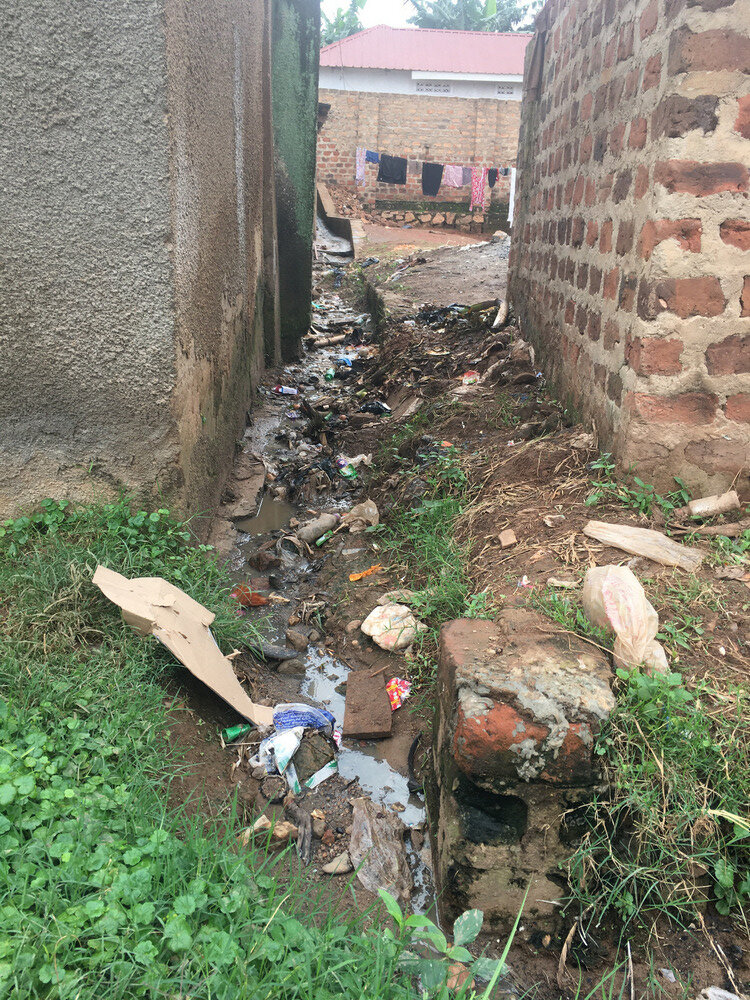
![Irresponsible Littering by House Holds]()
Irresponsible Littering by House Holds
Introduction
This quarter, the Green Is Gold project has placed a special emphasis on “Home-to-Home Visits,” a key initiative aimed at directly engaging with households in Nansana Municipality. By visiting each home, we brought the message of responsible waste management to community members in a personal and impactful way. These visits provided a unique opportunity to discuss waste management practices one-on-one, answer questions, and show how waste can be transformed into a valuable resource.
Objective
The objective of the Home-to-Home Visits was to create a grassroots movement for responsible waste management, educating each household on how to separate, collect, and dispose of waste properly. This approach fostered a personal connection with the community, ensuring that every family understood the project’s goals and the economic incentives they stood to gain from their participation.
Activities and Process
- Household Engagement: Local council leaders and trained volunteers conducted door-to-door visits across selected zones in Nansana. During those visits, residents received guidance on waste separation, proper disposal practices, and how the Green Is Gold project can benefit them. By engaging in individual conversations, we tailored our message to address each household's specific concerns and questions.
- Distribution of Educational Materials: Each household received a simple waste management guide, outlining key steps for separating and storing different types of waste. This guide also included information on the potential financial incentives, such as earning from sorted waste collection.
- Demonstrations and Practical Tips: Volunteers demonstrated easy ways to sort waste using basic materials available at home, such as separate bags or containers for organic, recyclable, and non-recyclable waste. These hands-on demonstrations proved particularly effective in reinforcing the message and made it easier for families to implement the practices themselves.
- Feedback Collection: We gathered feedback from residents during each visit to better understand their challenges and questions. This feedback is invaluable in shaping future outreach efforts and helps us address specific barriers faced by community members.
Community Impact
- Increased Awareness: Through these visits, approximately 200 households were reached, and community awareness of waste management has noticeably increased. Many residents shared that they were unaware of the potential financial benefits associated with responsible waste disposal prior to these visits.
- Encouraging Participation: The direct engagement approach has sparked interest and increased participation, with about 35 new households committing to join the project’s waste collection program after their visit. For example, the Najjuko family noted that the home visit was an eye-opener, helping them understand how sorted waste could generate additional income.
- Behavioral Change: Residents expressed a greater willingness to adopt responsible waste disposal habits, and several have started separating waste as a result of the demonstrations. Surveys following the visits revealed that 40% of those reached have already implemented some form of waste separation at home, a promising increase from the previous quarter.
- Strengthened Community Ties: The Home-to-Home Visits not only educate but also build trust and rapport with the community. Many residents expressed gratitude for the personal attention and commitment shown by the project team, which strengthened community bonds and fostered a sense of shared responsibility toward environmental sustainability.
Challenges
- Resource Intensity: The Home-to-Home Visits are labor- and time-intensive, requiring dedicated volunteers and coordinators to reach each household effectively. Limited manpower has constrained our ability to cover more areas within the quarter.
- Mindset Shift: Some residents remain skeptical about the value of waste separation and are hesitant to adopt new practices. Continuous follow-up visits and educational reinforcement are necessary to help shift these perspectives.
- Logistical Limitations: Certain households are located in remote areas, making it challenging to conduct visits consistently. To address this, we are working with local council leaders to identify alternative ways of reaching these residents, such as small community meetings.
Conclusion
The Home-to-Home Visits have proven to be an effective strategy for grassroots mobilization, directly engaging residents and encouraging them to take part in responsible waste management. By reaching households individually, the Green is Gold project is fostering a deeper understanding and commitment to environmental sustainability. The feedback and participation gained through these visits are promising indicators of the community’s growing involvement and the project’s potential to drive lasting change.
Appreciation
We extend our heartfelt thanks to our donors for their ongoing support, which makes initiatives like Home-to-Home Visits possible. Your generosity allows us to connect directly with families, educating them on the benefits of waste management and environmental stewardship. Together, we are making a tangible difference in the community, one household at a time. Thank you for being part of this transformative journey.
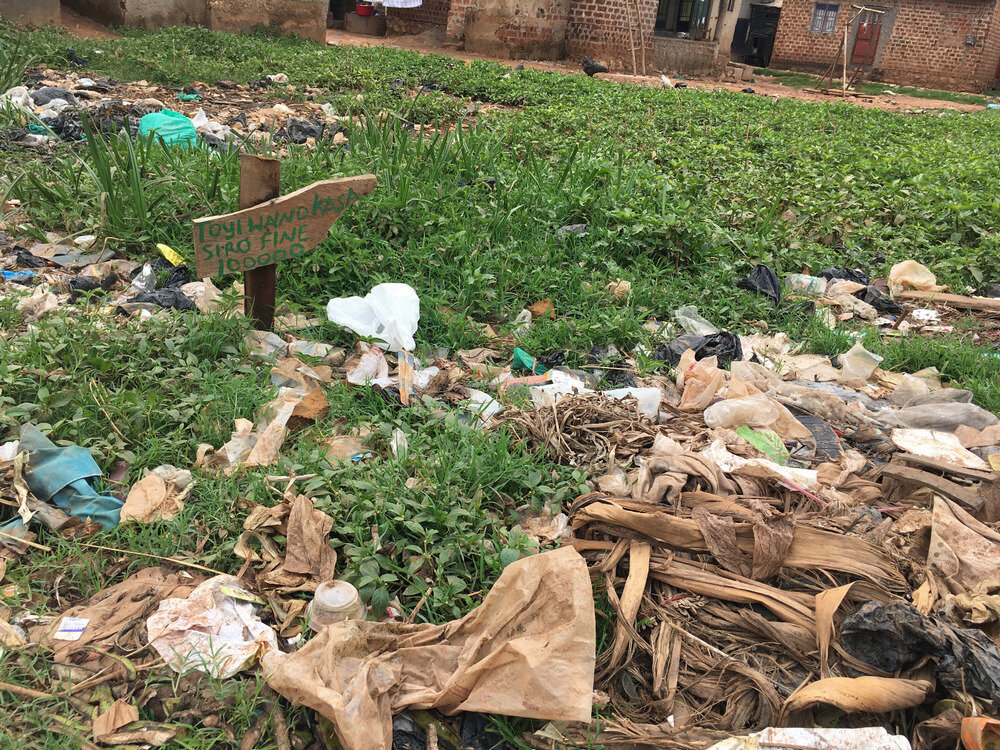
![Illigal Gabbage Damp site within the Community]()
Illigal Gabbage Damp site within the Community
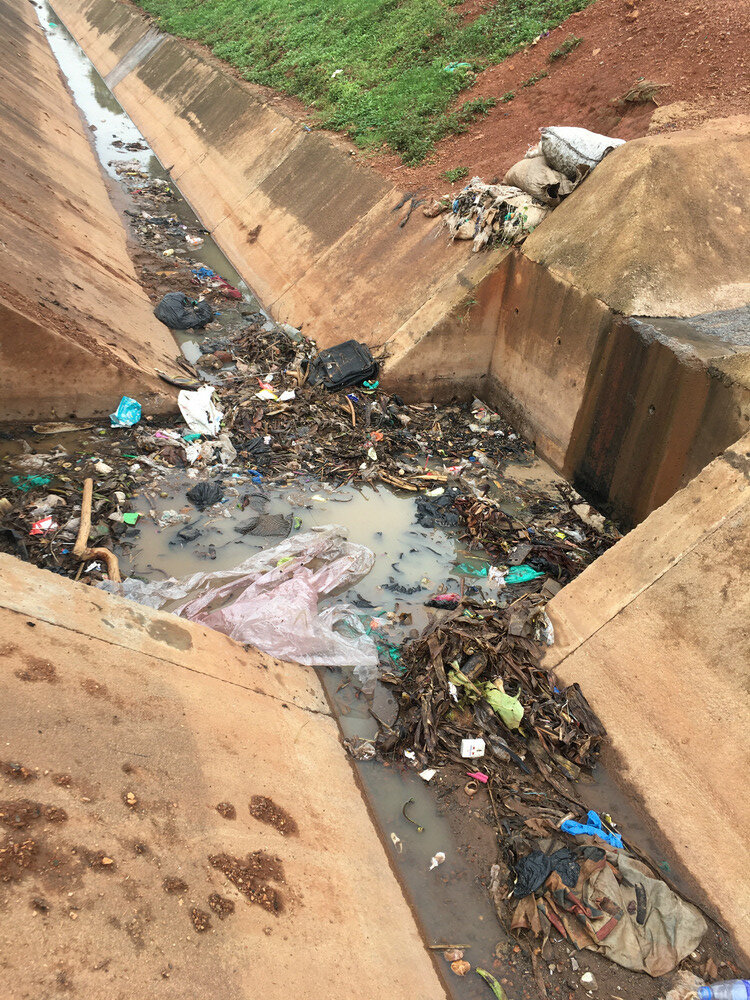
![Gabbage Dumped in Water trenches during rainny day]()
Gabbage Dumped in Water trenches during rainny day
![Sacks used for Gabbage Collection in Communities]()
Sacks used for Gabbage Collection in Communities
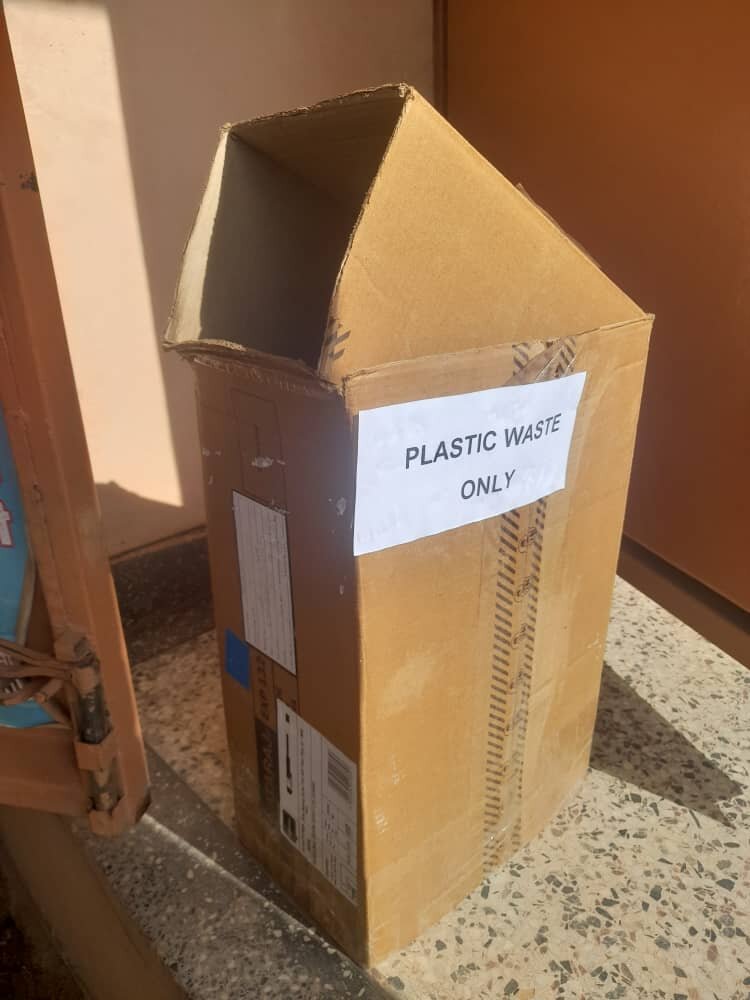
![Recycled Boxes for the purpose of Waste bin.]()
Recycled Boxes for the purpose of Waste bin.
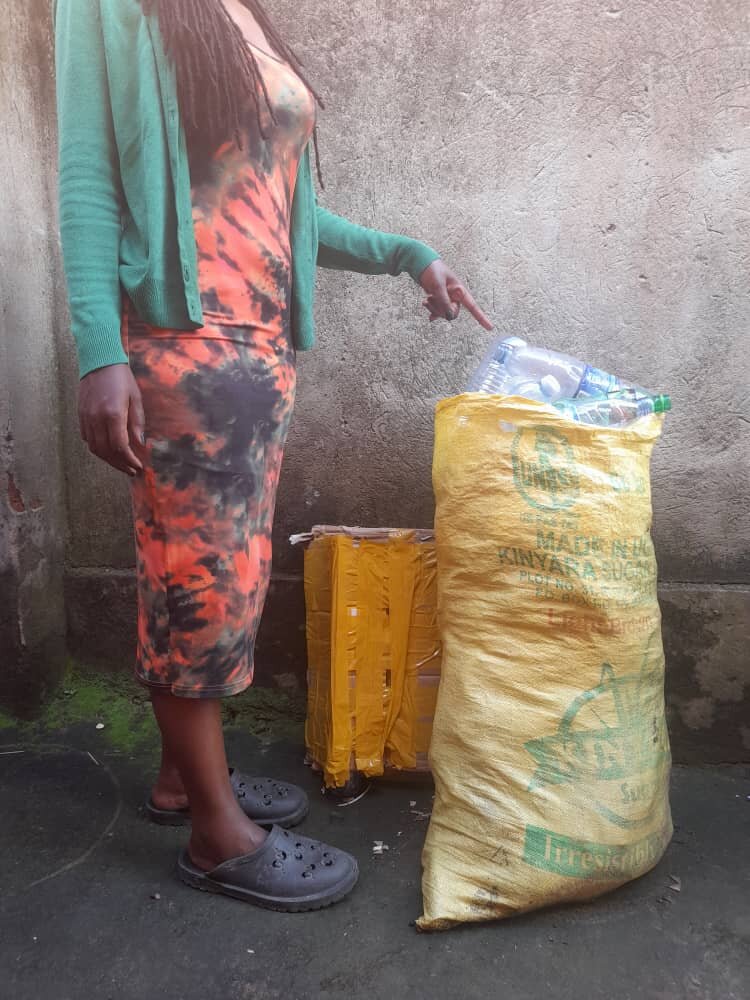
![Plastic waste separation by one of the Participant]()
Plastic waste separation by one of the Participant
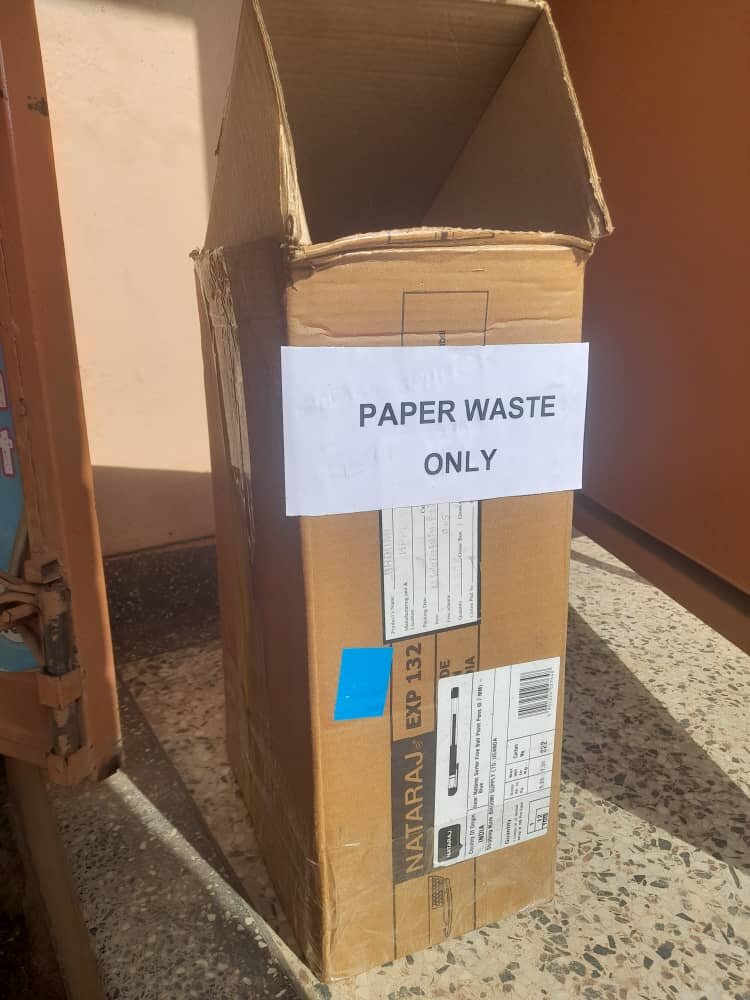
![Recycled Boxes for the purpose of Waste bin.]()
Recycled Boxes for the purpose of Waste bin.
Links:
![Share on Twitter]()
![Share on Facebook]()