By Desire Kandawasvika | CEO
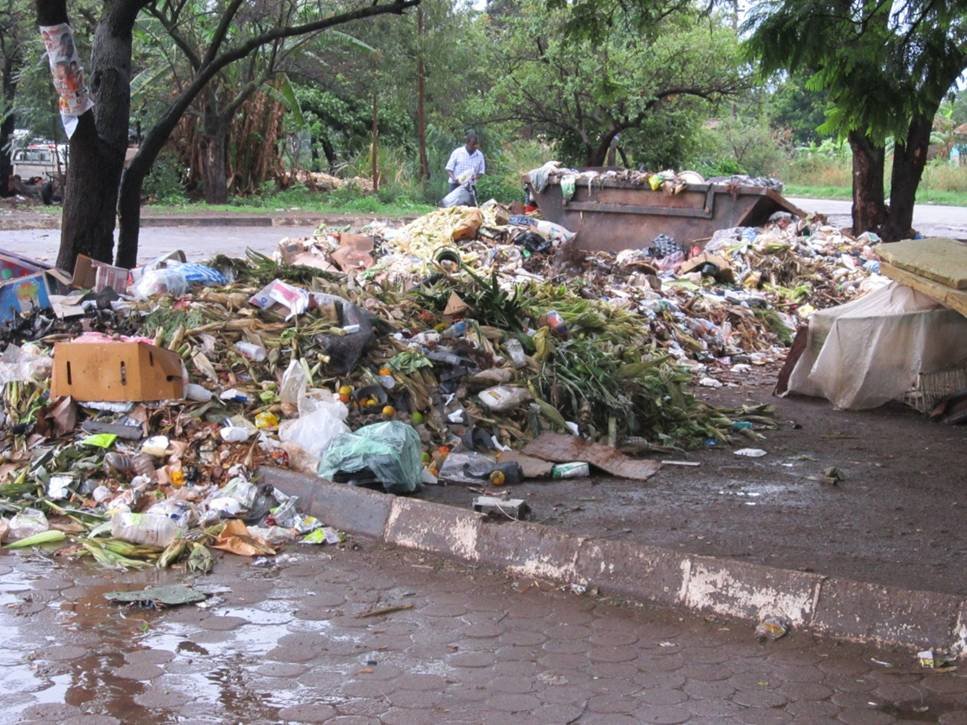
The level of littering has increased across all institutions in the Zimbabwe coupled with an economic meltdown hence the city fathers’ litter control mechanics can no longer copy with continuous littering and refuse pile-up noted in the Central Business District, Schools and residential areas countrywide. Over 70% of adults (above 18 years) in Zimbabwe have a negative attitude towards litter and less than 5% of Schools in Zimbabwe have a comprehensive litter education scheme integrated in their curriculum. The worst affected institutions are Group C Schools because the majority of their students come from high density suburbs where littering happen to be the order of the day.
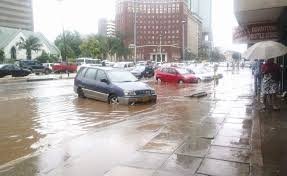
Over 60 % of the water drains are blocked with litter in all towns of Zimbabwe causing road accidents, congestion and loss of human life due to street flooding in rainy season illustrated by this link in one of the leading local newspapers https://www.newsday.co.zw/2014/11/17/amhvoices-blocked-drainage-system-leaves-harare-flooded/. From a survey we carried in 2013, Group A Schools have an average of 4 bins per school and Croup B and C have any average of 0.8 bins per school yet they have an average enrolment of 800 pupils per school
As a result of lack of litter education and poor drainage systems we have experienced disease outbreaks like cholera, dysentery, diarrhea, malaria and respiratory infections at a national level over the past years http://en.wikipedia.org/wiki/Zimbabwean_cholera_outbreak,
http://www.who.int/csr/don/2008_12_02/en/
Another major problem is the burning of litter in Schools, CBD and residential areas. Some City Council employees have resorted to periodically burning these heaps of rubbish in the CBD. The emissions from burning waste include dioxins, ash and hydrocarbons like carbon monoxide. Hydrocarbons cause cancers; carbon monoxide causes headaches, fatigue, nausea and vomiting. In doing this land pollution has been replaced by air pollution which nullifies the efforts of cleaning. This information was stated in an article “Harare Goes up in Smoke” in The Sunday Mail, 25 February
2012. This show lack of knowledge by the council employees, who believed they were helping a situation by burning rubbish in the CBD, let alone they were causing the new problem of air pollution.
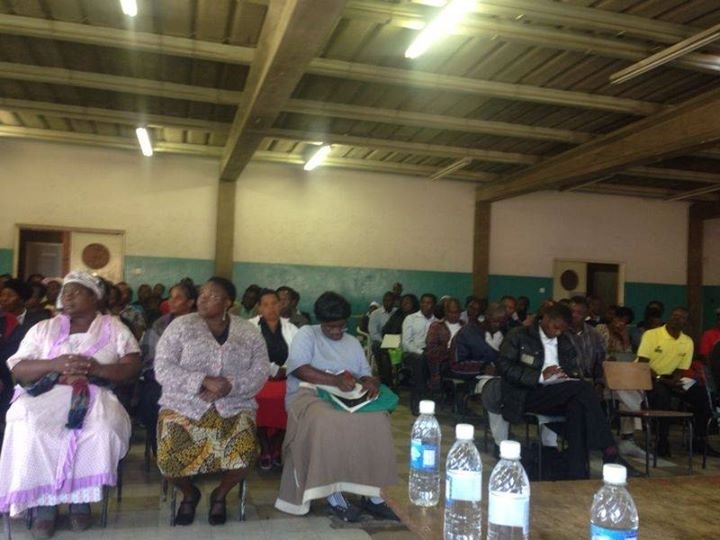
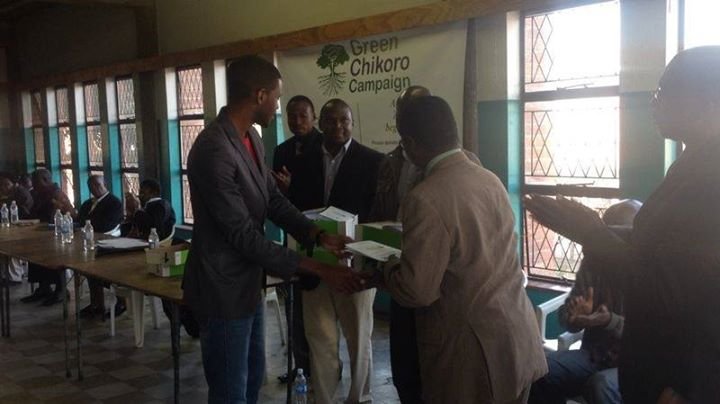
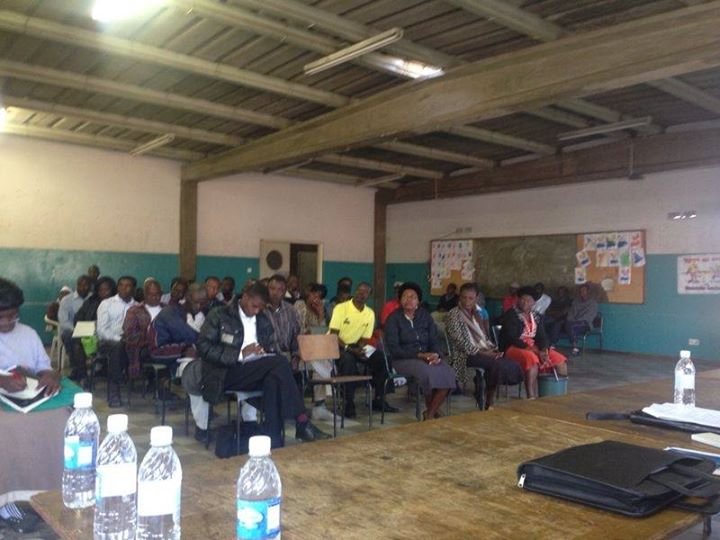
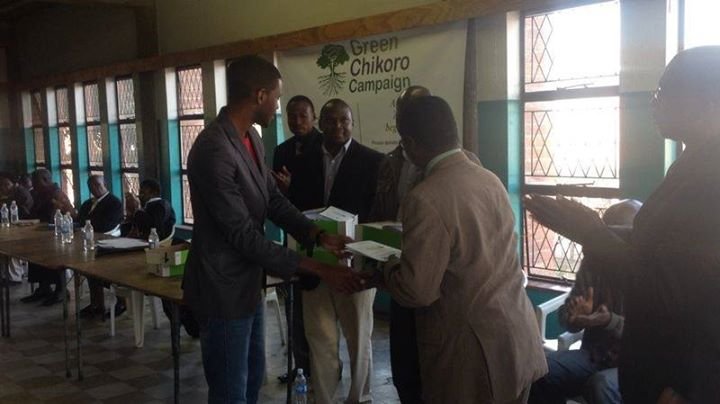
As an organization we have managed to cover a look of ground in terms of working with schools and communities to fight the litter crisis. Since beginning of 2014 we have managed to host 3 workshops aimed at equipping our litter education volunteers with necessary skills to be able to address residents in areas, rural areas and in primary and secondary schools.
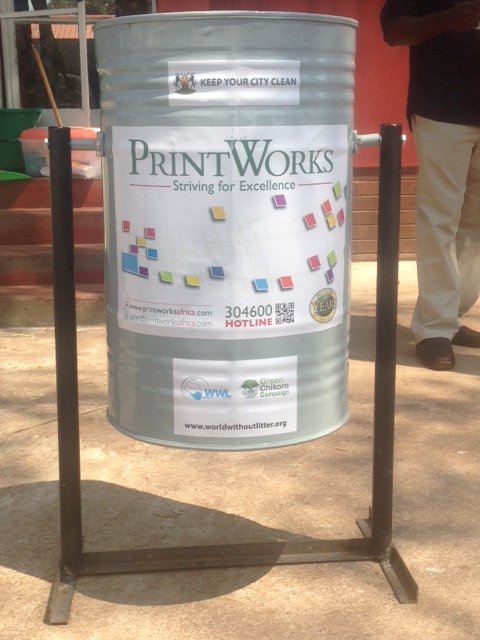
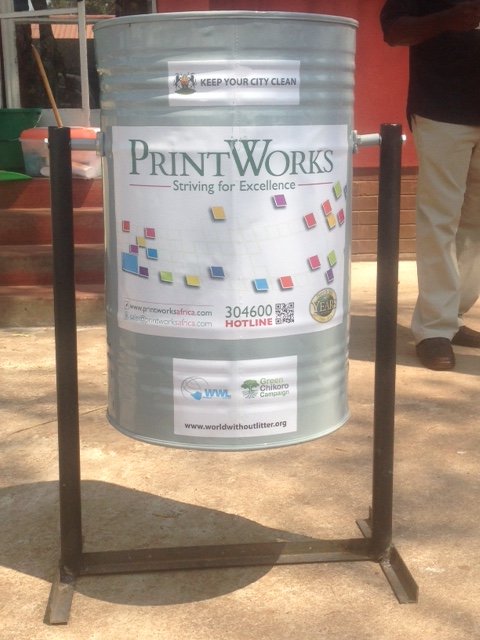
Through our own funds and the help of Printworks, the largest printing company in Zimbabwe we managed to print more 600 litter education booklets that we donated to city councils schools namely Sunningdale 1 and Sunningdale 2 Primary schools by August 2014. And between September and February of 2015, we made a video aide that is now used by 50 litter patrol officers in Sunningdale community to educate its residents of 2500 people about litter hazards and recycling mainly focusing on how residents can make money from litter. , we were working in conjunction with a sister company called plaxincorporation Pvt. Through the same partnership we donated over 4000 bin liners to Sunningdale community enough for each household for a year running.
Currently we hace engaged the biggest mobile network in Zimbabwe Econet who have agreed to reduce their advertizing costs on their sms gateway as a way of corporate social responsibility to us from $0.02 per sms, to $0.01 per sms ($10/1000 sms). We intend to broadcast anti-litter catchy messaging to their vast subscriber base of 9.1 million of monthly bases, but we require funding to meeting those monthly advertising cost. Though in future we want these costs to be covered by revenue generated from recycling projects
Links:
Project reports on GlobalGiving are posted directly to globalgiving.org by Project Leaders as they are completed, generally every 3-4 months. To protect the integrity of these documents, GlobalGiving does not alter them; therefore you may find some language or formatting issues.
If you donate to this project or have donated to this project, you can receive an email when this project posts a report. You can also subscribe for reports without donating.